
Best Ceramic Teapots (2026): Buying Guide
Disclosure: We may earn a commission when you buy through links on this page, at no extra cost to you. As an Amazon Associate I earn from qualifying purchases. Learn more

Pick the best ceramic teapot for your table: compare stoneware, simple glazed and porcelain styles by size, glaze safety, infuser, care and budget.
A good teapot earns its place on your counter by fitting your mornings, your table, and the number of people you actually serve. If you are searching for the best ceramic teapot for daily use, start with size, material, and how you brew, rather than color alone. The product table lists current options so you can narrow your choice before you read the details.
Ceramic suits many homes because it holds heat well, pours cleanly when the spout is shaped well, and matches both casual and formal tables. If you are still weighing materials, our guide to the best teapot covers the wider field in one place.


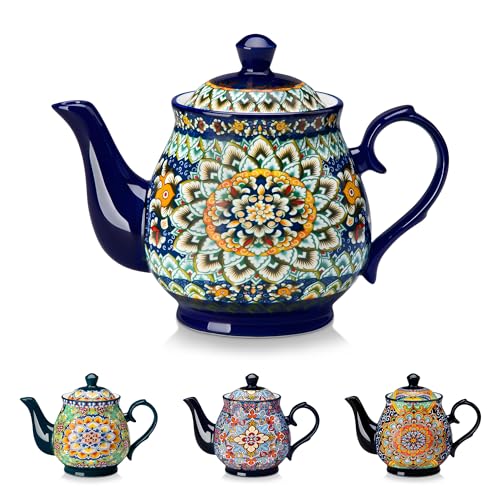
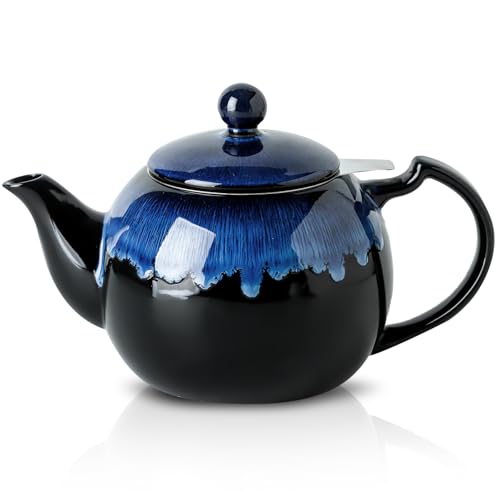

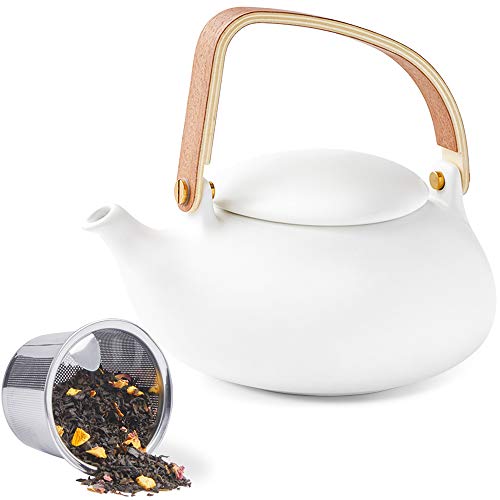


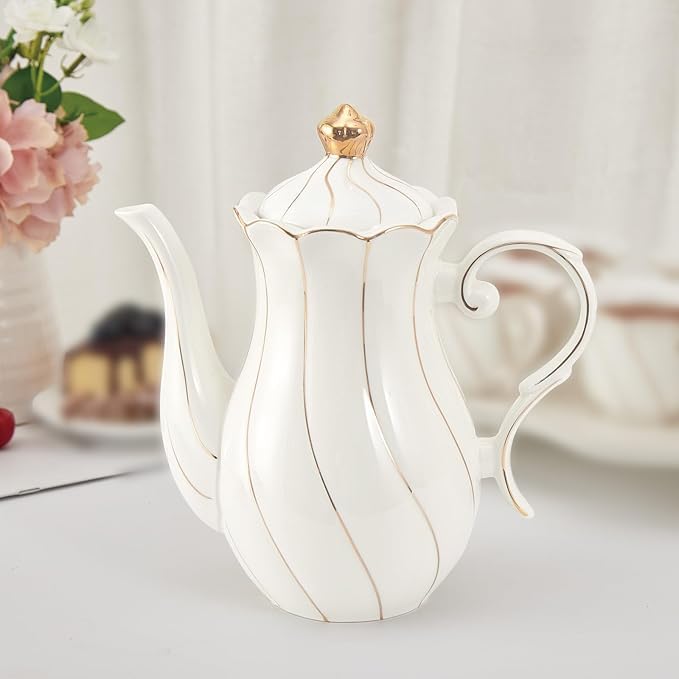

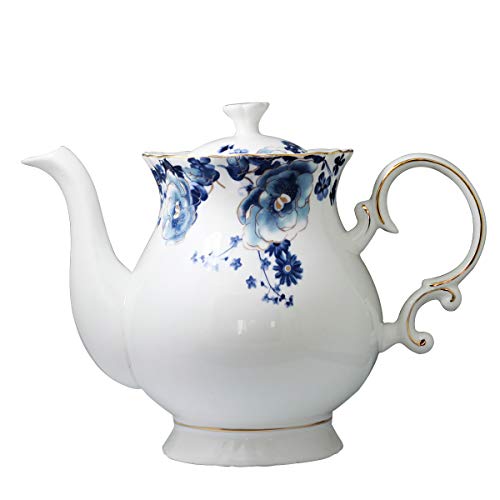
Quick Answer: Ceramic Types That Fit Real Homes
For most households, a midsize stoneware pot with a built in strainer or a removable infuser is the safest starting point. It handles daily brewing, cleans without fuss, and serves two to four people without constant refills. Smaller porcelain pots suit solo drinkers and afternoon tea for guests, while larger stoneware pots suit families who brew a full pot at breakfast.
Think of the three styles compared later as a short list by fit, not by brand. One favors everyday durability, one favors a low price, and one favors a refined table look. Your routine should decide which style wins.
Before You Buy: A Quick Checklist for Choosing a Teapot
Size: Match It to Your Space
Size shapes both storage and serving. A pot of about 16 oz suits one person or a couple sharing small cups, and it tucks into a cabinet or onto a narrow shelf. A pot of about 32 oz serves three or four standard mugs, while a pot near 40 oz works for a family breakfast. Measure your cabinet height with the lid on, and check the footprint where the pot will sit.
Which Type Fits Your Routine
Ceramic includes stoneware, porcelain, earthenware, and bone china, and each feels different in daily use. Stoneware is thick, sturdy, and forgiving for everyday brewing. Porcelain is thinner and lighter, with a cleaner pour and a more formal look. Earthenware feels rustic but can chip more easily, and bone china is the lightest and most delicate. If you love watching leaves open in the water, compare ceramic with our guide to the best glass teapot before you decide.
Features Worth It, and Ones to Skip
A removable infuser is worth paying for if you brew loose leaves often, because it lifts out in one motion and keeps leaves out of your cup. A built in strainer at the spout base is a simpler option for occasional loose leaf use. If you brew mostly with tea bags, you can skip the infuser and choose a plain pot that is easier to wash. For regular loose leaf brewing, see our guide to the best teapot for loose leaf tea. A warmer base helps during long meals, but it adds storage bulk that solo drinkers rarely need.
Lead and Cadmium Free Glazes
Glaze safety matters because the inside of the pot touches hot water for long stretches. Look for a clear statement from the maker that the glaze is lead free and cadmium free, and be cautious with brightly colored interiors that carry no safety information. Vintage pots can be lovely on a shelf, but daily drinking calls for a pot sold for food use with current safety labeling. When in doubt, choose a plain glazed interior from a maker who publishes its standards.
Dishwasher, Microwave and Oven Safety
Read the care marks for each part of the pot, not just the body. Some ceramic bodies go in the dishwasher while metal infusers and lids with metal trim should be washed by hand. Microwave safety matters if you plan to reheat tea in the pot, and any metal part must come out first. Most ceramic teapots are not made for stovetop or oven use, so heat water in a kettle and pour it in, unless the maker states otherwise.
Set Size and Open Stock Availability
Decide whether you want a pot alone or a set with matching cups before you buy. Sets look unified and can cost less than buying pieces one by one, but a broken cup can be hard to replace if the set is sold only as a bundle. Open stock lines let you add cups or a second pot later in the same pattern. Households that entertain often benefit most from open stock.
Realistic Budget Ranges
Under about $20, expect simple stoneware or earthenware pots with basic strainers and fewer finish choices. In the range of about $20 to $40, you gain better spouts, removable infusers, and glazes that resist staining more effectively. From about $40 to $80, you find finer porcelain, larger capacities, and matching sets. Spending more mainly buys refinement and longevity, not better tasting tea, since leaf quality and water temperature shape flavor far more.
Three Ceramic Styles Compared
Each style below maps to a budget range above and to a clear household fit. Match the style to your serving count, your storage space, and how careful your household is with breakable items.
Everyday Stoneware for Most Homes
Everyday stoneware is the workhorse style for family kitchens. The walls are thick, so the pot keeps tea warm through a meal and resists small bumps against mugs and counters. Most stoneware pots in the middle budget range include a removable infuser and a lid that stays in place while you pour. The trade off is weight, since a full large pot can feel heavy for smaller hands. Choose this style if you brew daily.
Simple Glazed Ceramic for Small Budgets
A simple glazed pot gives you the lowest cost entry into ceramic brewing. These pots usually hold about 16 to 24 oz, suit one or two drinkers, and wash quickly because there is no infuser basket to scrub. The glaze inside resists odor, so you can switch between black tea and herbal blends without flavor carryover. The trade off is fewer features, since you will need a separate strainer for fine leaves. Choose this style for a first apartment or an office desk.
Fine Porcelain for Long Term Use
Fine porcelain suits readers who host afternoon tea or enjoy a lighter and more elegant pour. Porcelain walls are thin yet strong when fired at high temperatures, and the smooth surface releases tea stains with a gentle soak. A well chosen porcelain pot can serve for many years if you store it with padding and avoid sudden temperature changes. The trade off is care, since porcelain chips more readily than stoneware in a hard sink. Choose this style when table presentation matters as much as brewing.
How to Evaluate a Ceramic Teapot Before You Order
Start with the maker specifications for capacity, material, and care limits, then read buyer comments for repeated points about dripping spouts, loose lids, or handles that get hot. A pattern across many comments tells you more than a single strong opinion. Check the return policy as well, because a pot that looks right online can still feel wrong in your hand.
Strengths and Limits of Ceramic Versus Other Teapots
Ceramic holds heat better than glass and feels warmer and more traditional on the table. It also hides tea stains and leaf movement, which some drinkers prefer for a calm and tidy look. Glass, by contrast, lets you watch the color deepen and the leaves expand. For a direct side by side view of heat, weight, and care, read our comparison of glass vs ceramic teapot materials before you commit.
Against cast iron, ceramic is lighter and easier to lift when full, and it costs less at similar sizes. Cast iron keeps heat longer, but its weight and enamel care needs do not suit every kitchen. Ceramic also offers far more colors and patterns, which matters when the pot lives on your counter. Its weakness is impact, since a hard drop onto tile will crack any ceramic style.
Common Buying Mistakes to Avoid
- Buying a large pot for daily solo use, which wastes leaves and leaves tea cooling before you finish it.
- Choosing by color alone and ignoring spout drip, lid fit, and handle comfort when the pot is full.
- Placing a ceramic pot directly on a burner, which can crack the base unless the maker approves stovetop use.
- Forgetting replacement costs, such as a new infuser or lid, when a low price pot has no parts available.
- Ordering a set without checking cup size, since small cups can frustrate mug drinkers at breakfast.
Cost of Ownership and Care
Ownership costs stay low with ceramic, since there are no filters to replace on a schedule and no power use at all. Your likely costs are a replacement infuser if the mesh tears, a new lid after a drop, and gentle cleaning supplies you probably own already. Wash the pot soon after use, rinse leaves out before they dry in the spout, and soak stains in warm water with a little baking soda. Our full routine for descaling and stain removal is in the guide on how to clean a teapot.
Store the pot with the lid resting loosely so air can move and odors do not build up inside. Keep it away from counter edges and from heavy pans that could strike it in a crowded cabinet. Dry the infuser fully before you put it back, because trapped moisture can leave a stale smell. With this simple care, a sound pot should serve daily for years.
Your Questions, Answered
Are ceramic teapots safe for daily drinking?
Yes, a ceramic teapot sold for food use with a lead free and cadmium free glaze is safe for daily drinking. Choose pots from makers who state their glaze standards clearly, and retire any pot with a cracked interior glaze, since cracks can hold residue and are hard to clean fully. Decorative antiques are best kept for display unless you can confirm their glaze safety.
Can you put a ceramic teapot on the stove?
Most ceramic teapots should not go on a stove burner, even on a low setting. Direct flame or a hot electric coil heats the base unevenly, and that stress can crack the pot or damage the glaze. A small number of pots are rated for stovetop use by their makers, so follow the printed rating for your pot rather than guessing. A kettle remains the safer tool for heating water.
How long does a ceramic teapot last?
A ceramic teapot lasts for many years when you avoid drops, sudden temperature swings, and burner heat. Stoneware used daily often outlasts thinner earthenware, while fine porcelain can last just as long with careful storage. The most common end for a home pot is a chipped spout or a cracked lid after a fall, not wear from brewing itself. Padding between stored pieces extends that life further.
Does a ceramic teapot change the taste of tea?
A glazed ceramic teapot does not change the taste of tea in a strong way, because the glaze seals the clay and keeps flavors from soaking in. That neutrality is an advantage when you switch between green, black, and herbal teas in the same pot. Unglazed clay pots are different, since they can absorb flavor over time and are usually dedicated to one tea type. For most homes, glazed ceramic keeps each brew tasting clean.
What size ceramic teapot suits one person?
For one person, a pot of about 12 to 20 oz brews one large mug or two small cups without waste. This size also heats evenly, pours with one hand, and fits on a small tray for a desk or a bedside table. If you often refill for a second mug, step up to about 24 oz rather than brewing two small pots. Choosing the smaller workable size keeps tea hot to the last cup.
Final Thoughts: Best Ceramic Teapot
The right pot is the one that matches your serving count, your storage space, and the way you brew on an ordinary weekday. Stoneware covers most families, simple glazed pots keep costs low, and fine porcelain rewards careful hosts. Whichever style you choose, the best ceramic teapot for your home is the one you will reach for daily without thinking twice. Compare your short list against the product table above, check the care marks once more, and order with confidence.


