
Best Chinese Tea Sets: A Tea Lover Guide for 2026
Disclosure: We may earn a commission when you buy through links on this page, at no extra cost to you. As an Amazon Associate I earn from qualifying purchases. Learn more

Compare Chinese tea sets by teapot style, cup size, clay and porcelain, and tea type so you can brew gongfu style tea with confidence at home.
Chinese tea culture offers many ways to brew, from a simple glass cup to a full gongfu set with a small teapot and tiny tasting cups. Best chinese tea sets match the tea you drink, the number of people you serve, and the patience you have for ritual, rather than chasing the most ornate set. The comparison table below gives a quick overview, while this guide explains teapot styles, materials, and practical care.
A good set makes brewing easier and more enjoyable, with a teapot that pours cleanly, cups that feel comfortable, and a size that suits short repeated infusions. A poor set drips, overbrews, or holds too much tea for the cups, which spoils delicate leaves. This guide keeps the focus on brewing well, not on collecting for display.
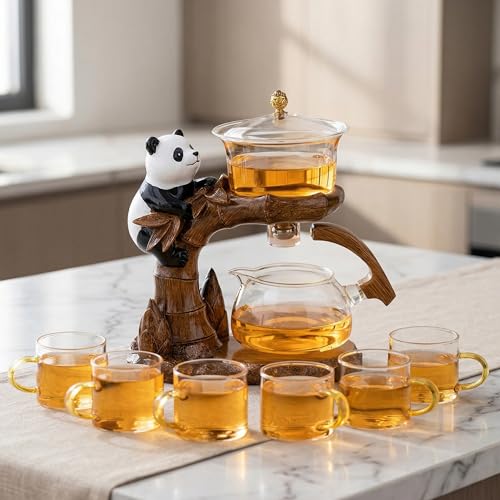

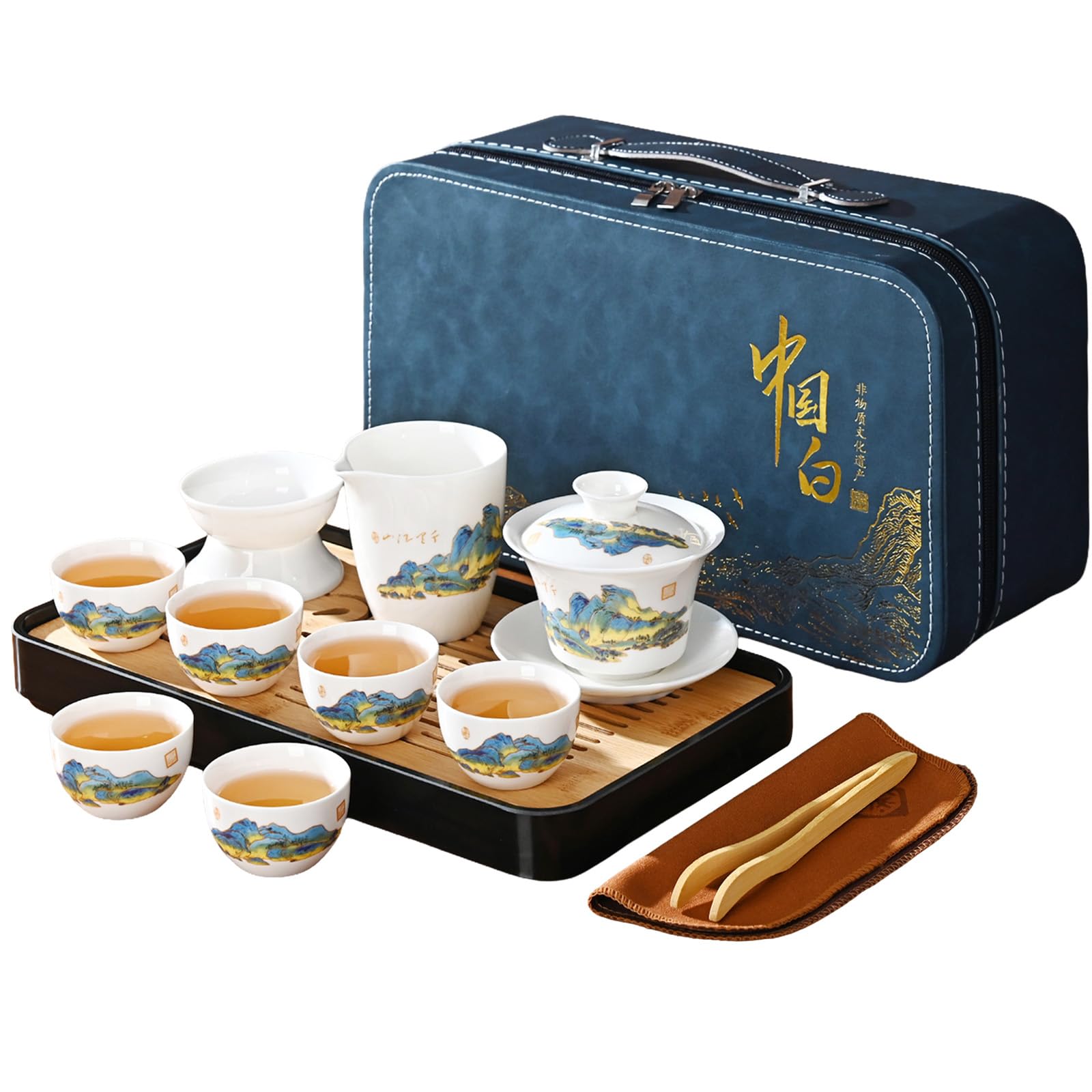
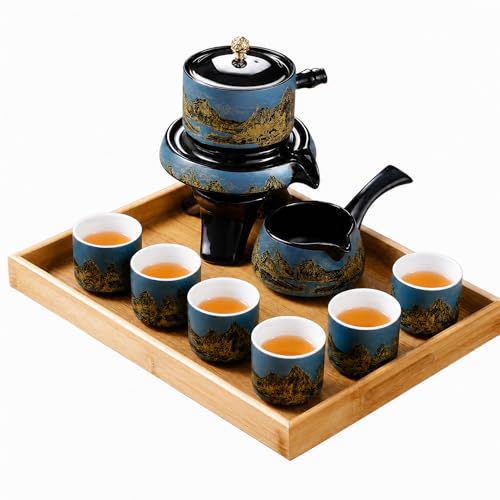
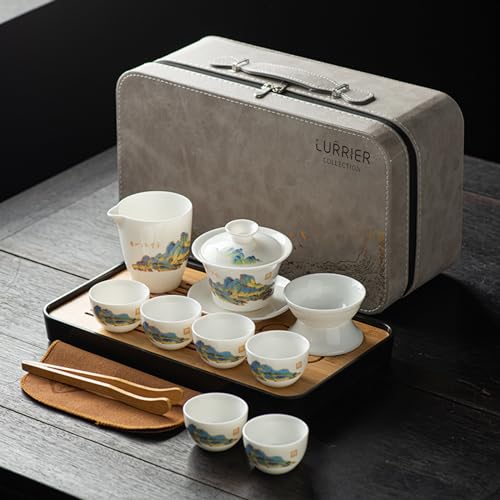


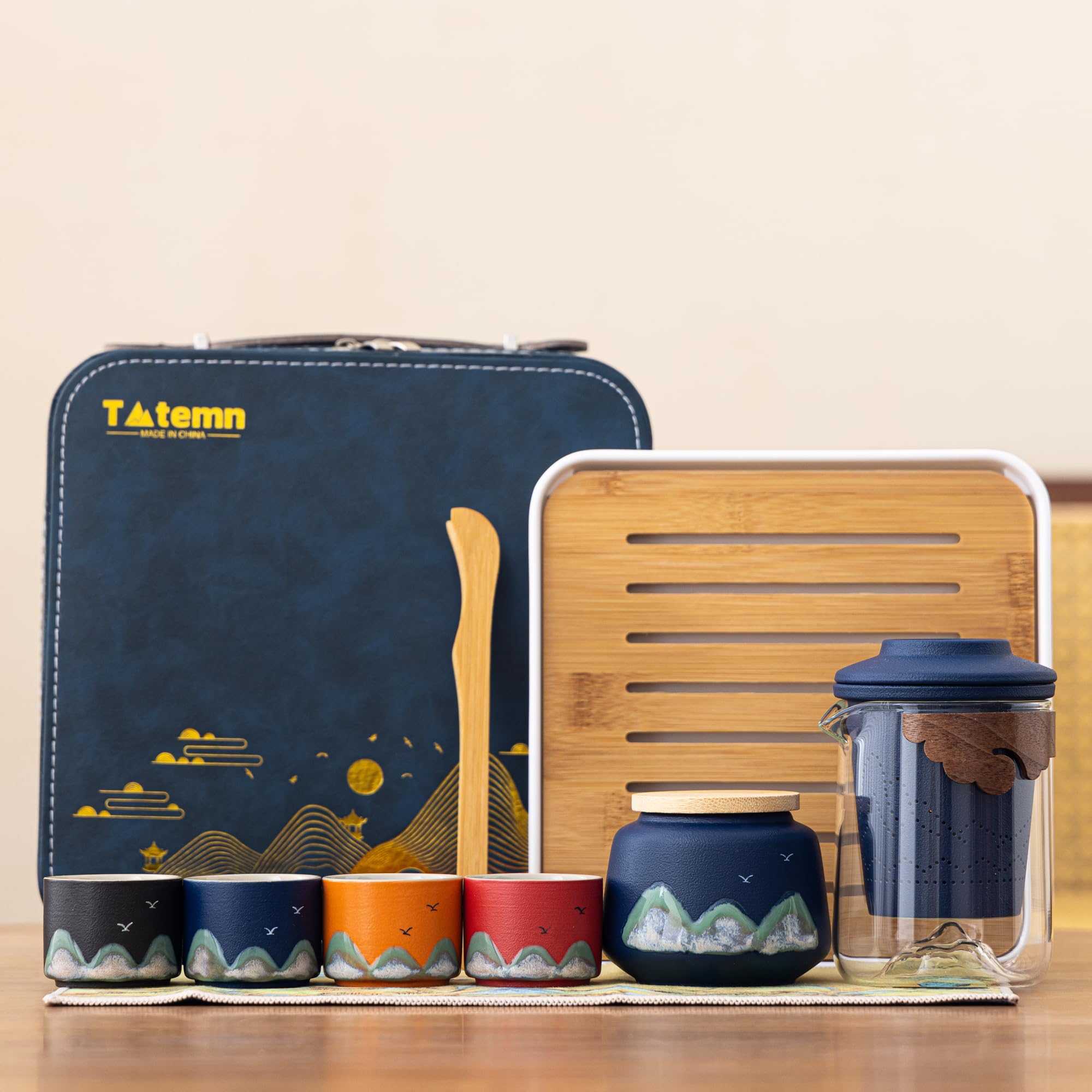
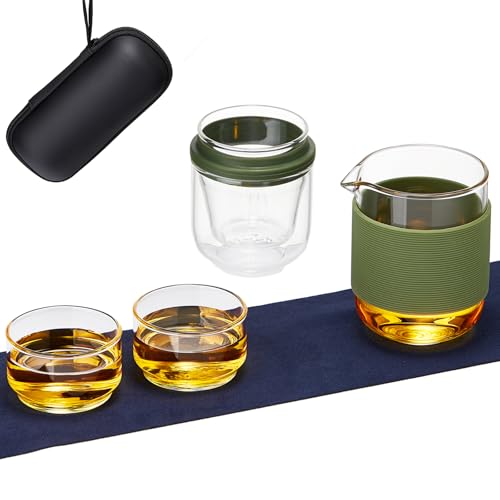

Who Should Buy Which Set
Solo drinkers suit a small gaiwan or a single person teapot with one or two cups, since small volumes keep each infusion fresh. Couples and small groups suit a four to six cup set with a fairness pitcher, which keeps each cup equal in strength. Hosts who serve many guests need a larger teapot or a second set, since tiny gongfu cups empty fast in a crowd.
Beginners should start simple. A glass or porcelain gaiwan is forgiving, easy to clean, and lets you watch leaves open, while an unglazed clay teapot suits a single tea type after seasoning. Start with one versatile set, learn your favorite teas, and add specialized pieces only when a need appears.
Key Features Worth Comparing
Teapot Style and Size
Gaiwan sets use a lidded bowl that brews quickly and suits many tea types, and they are the most versatile starting point. Yixing clay teapots suit oolong and pu erh drinkers who brew one tea type often, since the clay absorbs character over time. Glass teapots show the leaves and suit flower and green teas, while porcelain teapots stay neutral and suit every tea.
Size matters more than looks. Gongfu brewing uses small volumes and short infusions, so a teapot of about 100 to 150 milliliters suits most solo and small group sessions. A large teapot overbrews delicate leaves and wastes good tea, while a tiny teapot frustrates when serving four or more people.
Material and Heat
Porcelain and glass stay neutral, so they suit drinkers who switch between green, white, oolong, and black teas. Unglazed clay suits a dedicated tea type, since it seasons with use, but it should not be used for strongly different teas, or flavors will mix. Glazed clay offers a middle path, with clay warmth and a neutral interior.
Heat retention affects flavor. Thick clay holds heat for oolongs that like hot water, while thin porcelain cools faster and suits green teas that prefer gentler heat. Check that lids fit well and spouts pour cleanly, since a dripping spout wastes tea and stains the table.
Cups, Pitcher, and Accessories
Cups should feel comfortable and hold a sensible volume for tasting, usually small for gongfu sessions and larger for casual drinking. A fairness pitcher evens out strength across cups, which matters when a teapot holds more than one cup. A tea tray catches spills and keeps the table tidy, while tongs and a scoop add ritual without changing flavor.
Avoid sets with fragile decoration that cannot be washed safely, and check that every piece is food safe and lead free where relevant. Simple durable pieces get used daily, while ornate fragile pieces often stay in a cabinet, and daily use is the point of a tea set.
Tea Types and Set Matching Compared
Green and white teas suit glass or porcelain, which show color and keep heat gentle. Oolong teas suit gaiwan or clay, which handle repeated short infusions and develop aroma. Pu erh teas suit clay or sturdy porcelain, which cope with rinsing and strong flavors, while black teas suit larger porcelain pots for longer steeps.
Related guides include best tea sets, best matcha tea sets, and best tea gift sets. Matcha sets differ from leaf tea sets, since they center on a bowl and whisk, so check the brewing style before mixing sets.
Practical Checks Before You Buy
Before ordering, count the cups, check the teapot volume, and confirm that the set suits the tea you drink most. Wash new pieces as the maker directs, and season unglazed clay only for its dedicated tea, never with soap that would strip its character. Store the set where it can be reached easily, since a set that is hard to reach rarely gets used.
Start with one good set rather than several cheap ones, and let taste guide later additions. A set that pours cleanly, feels good in the hand, and matches your favorite tea will bring daily pleasure, which is the true measure of value.
Deepening Your Tea Practice
Tasting notes turn casual drinking into a richer habit. Note the tea name, leaf appearance, water temperature, steep time, and flavors in each infusion, since memory alone blurs after a few teas. Short notes, even a few words per infusion, reveal preferences quickly, such as a love of roasted oolongs or a dislike of smoky blacks. A small notebook by the tea tray suffices.
Water temperature shapes flavor more than most beginners expect. Green teas prefer cooler water that avoids bitterness, while oolongs and black teas prefer hotter water that opens aroma. A simple thermometer or a variable kettle removes guesswork, and cooling boiled water for a minute or two suits green teas well. Taste the same tea at two temperatures to learn the difference firsthand.
Leaf storage protects good tea. Keep leaves in airtight opaque containers away from light, heat, moisture, and strong smells, since tea absorbs odors eagerly. Buy smaller amounts more often rather than large amounts that stale, and label containers with tea name and purchase date. Fresh leaves brew brighter and more fragrant than stale ones, whatever the teapot quality.
Hosting a tea session delights guests without formality. Choose one or two teas, brew gongfu style with short infusions, and let guests taste each infusion and compare notes. Keep the pace relaxed, offer plain water between teas, and explain each step briefly rather than lecturing. A calm shared tasting often converts friends to tea more surely than any gift set.
Seasonal teas add variety through the year. Fresh green teas suit spring, fragrant oolongs suit summer evenings, roasted teas suit autumn, and warming black teas suit winter afternoons. Following the seasons keeps the practice fresh, and a small seasonal purchase becomes a pleasant ritual rather than an accumulation of forgotten leaves.
Frequently Asked Questions
What is a gaiwan and should a beginner buy one?
A gaiwan is a lidded bowl used to brew tea with short repeated infusions, and it suits beginners well because it is versatile, easy to clean, and works with many tea types. Hold the lid slightly open to pour, and practice with cooler water first to avoid hot fingers. A porcelain gaiwan is the simplest starting point for most new tea drinkers.
Should I buy a clay teapot or a porcelain one?
Buy a porcelain teapot if you drink many tea types, since porcelain stays neutral and suits every tea. Buy an unglazed clay teapot only if you brew one tea type often, such as oolong, since the clay seasons with that tea over time. Clay rewards dedication, while porcelain rewards variety, so match the material to your drinking habits.
How many cups should a tea set include?
A tea set should include enough cups for your usual group, with four to six cups suiting most couples and small gatherings. Solo drinkers need only one or two cups, while larger groups need a bigger pot or a second set. Count your regular guests rather than buying for rare occasions, since extra cups often stay unused.
How do I clean a Chinese tea set?
Clean porcelain and glass sets with warm water and a soft cloth, and dry them fully before storage to prevent water marks. Clean unglazed clay with hot water only, never with soap, since soap strips the seasoning the clay builds up. Avoid harsh scrubbing on painted or gilded pieces, and store cups where they will not chip.
Can one tea set brew every type of tea?
One porcelain or glass set can brew every type of tea reasonably well, which makes it the best choice for varied drinkers. Unglazed clay sets should stay dedicated to one tea type, since they absorb flavor over time. If you drink many teas, start with a neutral set, and add a clay pot later only for a favorite tea.
Final Thoughts
The right set matches your favorite tea, your usual group size, and the brewing style you enjoy, with a pot that pours cleanly and cups that feel good. Start with a versatile porcelain or glass set, then add specialized pieces only when taste demands them. The product table above recaps the main styles, but a calm first brew tells you the most.
Choosing best chinese tea sets well brings daily ritual and flavor into ordinary days. Brew slowly, taste carefully, and let the set earn its place one cup at a time.


