
Best Childrens Laptops 2026: Buying Guide
Disclosure: We may earn a commission when you buy through links on this page, at no extra cost to you. As an Amazon Associate I earn from qualifying purchases. Learn more

Compare children's laptops by durability, size, software and safety controls, then choose a laptop that supports learning without constant repairs.
best childrens laptops need to survive school bags, sticky fingers and daily homework, while staying simple enough for a child to use with confidence. The comparison table below shows the main laptop types side by side so you can compare durability, size and learning use.
Before you choose, think about your child's age, school requirements, screen size needs and how much supervision you can give online. A laptop that suits a teenager may overwhelm a young child, while a toy laptop will frustrate an older student.


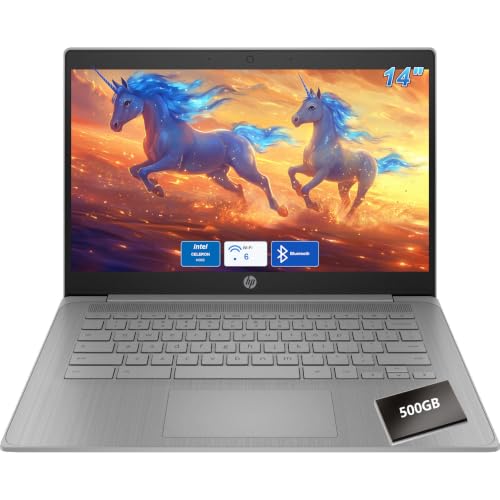


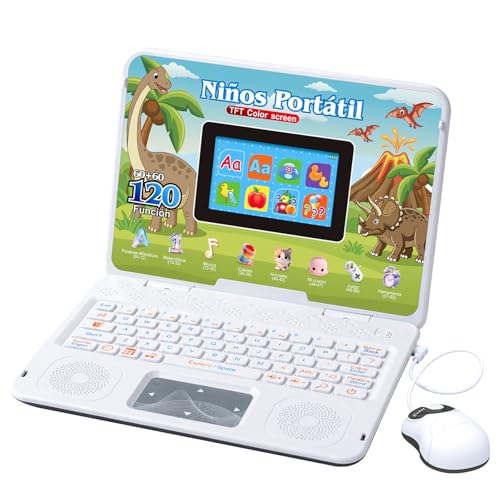
Who Should Buy This Style
Children's laptops suit school age children who need homework, research, typing practice and creative projects. They also suit families who want one shared device for learning, with parental controls and a sturdy build.
They suit less well for very young children who mainly need games and videos, or for older students who need heavy video editing or gaming power. In those cases, a tablet or a more powerful student laptop may fit better.
Key Features to Compare
Durability and Build
A sturdy hinge, a spill resistant keyboard and a tough case matter more for children than a slim premium finish. Look for drop tested claims as a guide, not a guarantee, and add a protective case for school bags. A laptop that survives daily handling saves repair costs and stress.
Size and Weight
An 11 to 13 inch laptop suits most children, because it balances screen space with bag weight. Larger screens help older students with split windows and projects, but they add weight. Check the total bag weight, because a heavy laptop tires a young child on a long walk to school.
Performance for Schoolwork
Schoolwork needs enough speed for a browser, documents, video calls and learning apps at once. Look for enough memory and storage for the school years ahead, rather than the bare minimum today. A slow laptop frustrates homework and can make a child avoid using it.
Parental Controls and Safety
Built in parental controls, a filtered browser profile and screen time limits help you guide online use. Set up a child profile, agree on rules together, and keep the laptop in a shared space for younger children. Controls help, but supervision and conversation matter more.
Types Compared
Chromebooks for School
Chromebooks are simple, affordable and easy to manage, which makes them popular in many schools. They handle browser work, documents and video calls well, and they boot quickly. They suit schoolwork best when the school uses web based tools.
Budget Windows Laptops
Budget Windows laptops run a wider range of desktop software and suit older children who need specific school programs. They cost more than basic Chromebooks and need more setup and updates. They suit families who need full Windows software for school.
Learning Laptops for Young Kids
Learning laptops are small, tough and built around lessons and games rather than the open web, which suits children who are not yet ready for a full computer. They cost far less and take no setup, but they cannot run school software.
Rugged Education Laptops
Rugged laptops add stronger hinges, spill resistance and tougher cases for younger children and rough school days. They cost more and may be heavier, but they reduce breakage risk. They suit primary school children and shared family use.
Budget and Value
Budget children's laptops usually cost about $200 to $400 and cover Chromebooks and basic Windows models well. Mid range options at about $400 to $700 offer better screens, more memory and sturdier build. Premium student laptops above that range focus on light weight, long battery and faster performance.
Pay for durability and enough memory first, because those decide whether the laptop lasts through school years. A mid range Chromebook or Windows laptop often gives better value than a very cheap model that slows down quickly. Add a case and a warranty check to the total cost.
Setup, Care and Everyday Use
Set up the laptop together, create a child profile, install school software and test video calls before the first school day. Teach charging, safe carrying and password care, and keep food and drinks away from the keyboard. Back up schoolwork to the cloud or a drive regularly.
If the screen cracks, the battery swells or the laptop gets very hot, stop using it and seek repair advice. Never open a swollen battery device yourself. For eye strain, encourage breaks, good lighting and a sensible viewing distance, and seek clinician advice for persistent headaches or vision changes.
Learning Laptops for Younger Children
Children under about eight often do better with a learning laptop than a full computer. These small devices run built in games, alphabet and number lessons, typing practice and simple creative tools, and many use a basic Android or toy operating system with no open web. They cost far less than a Chromebook, usually about $30 to $140, and a dropped one is an inexpensive lesson.
The limits are clear. A learning laptop will not run school software, join video lessons or handle real homework, so treat it as a first step that prepares a child for a Chromebook later. Check the age range, the screen size, whether the keys are easy to press, and whether sound can be turned down or switched to headphones.
Related Guides Worth Reading
For a closer look at nearby options, read our guides to best notebook laptops, best laptops for college, and best economical laptops to see how features change as a student grows.
Common Mistakes to Avoid
One common mistake is buying the cheapest laptop available, which then slows down under several browser tabs and frustrates homework. Another mistake is skipping a protective case, because school bags knock laptops against books, bottles and desks daily. Spend a little on memory and a case, and the laptop will last far longer.
Do not set up a child's laptop without a child profile and agreed rules, because unguided access can lead to distractions and unsafe content. Create the profile together, agree on time and content rules, and keep the laptop in a shared space for younger children.
Long Term Value
Long term value comes from enough memory, a sturdy build and a battery that survives school years. A mid range laptop often costs less over four years than a cheap laptop replaced twice. Check warranty and repair options before you buy, because school use is rough on hinges and keyboards.
Teach backup habits early, because lost homework hurts more than a slow laptop. Use cloud storage or a regular drive backup, and show your child how to save work in two places for important projects.
Frequently Asked Questions
What size laptop is best for a child?
An 11 to 13 inch laptop suits most children, because it fits a school bag and still shows documents clearly. Younger children may prefer 11 inches for weight, while older students may prefer 13 inches for projects. Check bag weight and screen readability before you decide.
Chromebook or Windows laptop for a child?
A Chromebook suits schools that use web tools, because it is simple, affordable and easy to manage. A Windows laptop suits children who need specific desktop software for school. Ask the school which system it supports, because that answer often decides the choice.
How much memory does a school laptop need?
For browser work, documents and video calls, a laptop with enough memory to run several tabs smoothly will feel far better than a bare minimum model. More memory helps the laptop stay useful for several school years. Choose the best memory you can afford within your budget.
Should children have their own laptop?
A personal laptop helps older children manage homework and projects, while younger children often do better with a shared family laptop in a common room. Match ownership to age, maturity and school need, and agree on rules for time, content and care before you hand it over.
How do I keep a child's laptop safe online?
Use a child profile, filtered search, screen time limits and a shared space for younger children. Talk about passwords, stranger contact and what to do if something feels wrong online. Controls and conversation together work better than controls alone, and rules should grow with your child.
How much screen time is right for schoolwork?
Schoolwork time varies by age and assignment, so agree on a routine that separates homework, breaks and leisure screen use. Encourage breaks, outdoor play and sleep, and keep leisure screens out of the bedroom at night. Talk with teachers about homework expectations, and adjust rules as your child grows.
Final Thoughts
Match the laptop to school requirements first, then to durability and size. A sturdy, simple laptop that a child enjoys using will support learning far better than a powerful laptop that breaks or confuses.
The product table above covers both school laptops and learning laptops, and the best childrens laptops for your family are the ones that survive school life and help your child learn with confidence.


