
Best Children's Baking Sets: Everything to Know Before Your First Purchase in 2026
Disclosure: We may earn a commission when you buy through links on this page, at no extra cost to you. As an Amazon Associate I earn from qualifying purchases. Learn more

Learn how to choose the best children's baking sets with this first purchase guide to safe materials, right sized tools, age fit, and simple care.
Buying a first baking set for a child sounds simple until you see how widely the sets differ in size, material, and real kitchen usefulness. Some are toys for pretend play, while others are working tools sized for small hands. This guide to the best children's baking sets starts with the basics, explains each key term in plain English, and shows you how to match a set to your child's age and your kitchen. Look at the comparison table below as you read, and by the end you will know exactly what to check before you buy.
We will cover what belongs in a starter set, which safety marks matter, how much to spend, and the mistakes first time buyers make most often. No baking experience is assumed, and every tip is written for a parent, grandparent, or gift buyer shopping for the first time.






Baking Sets 101: The Basics
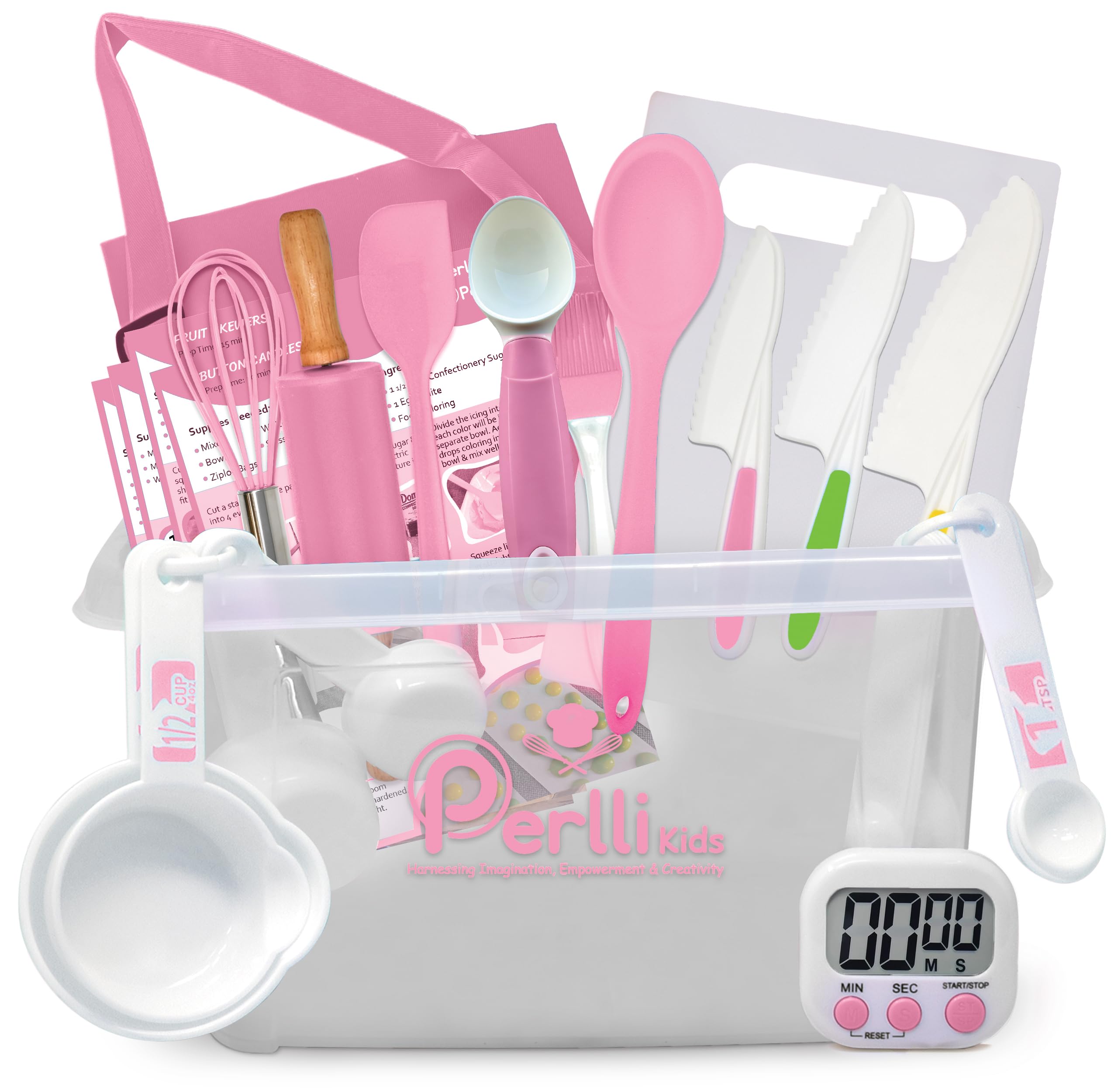
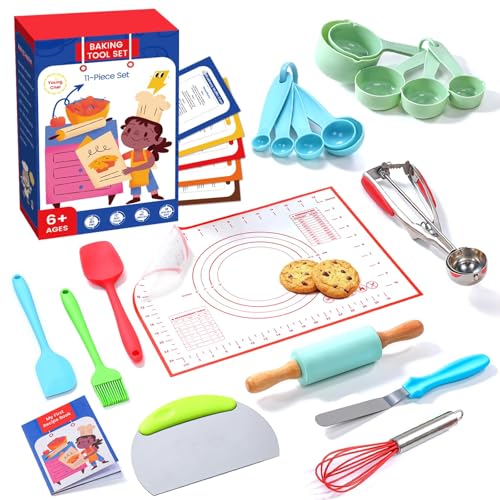
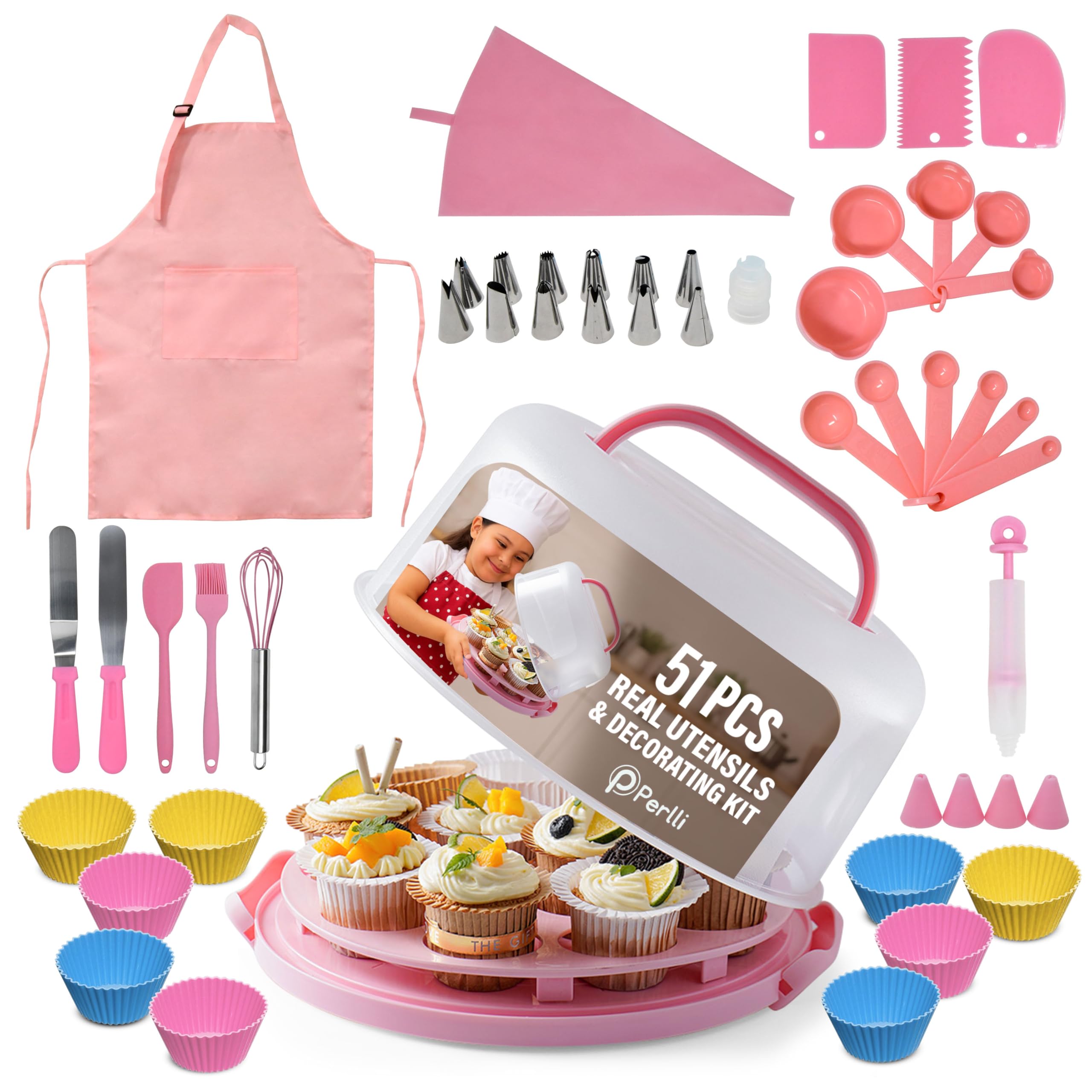
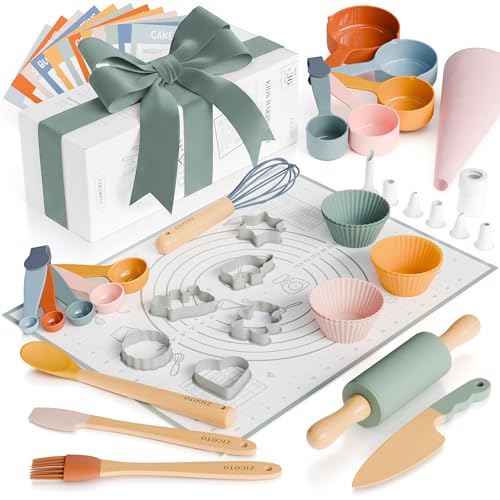
A children's baking set is a grouped collection of baking tools made smaller, lighter, and simpler than adult versions. A typical set includes measuring cups and spoons, a mixing bowl, a whisk, a spatula, a rolling pin, cookie cutters, and sometimes a small baking pan, muffin tin, or apron. The point of the set is that a child can measure, mix, roll, and decorate with tools that fit their grip and strength.
Sets fall into two broad families. Real baking sets use food safe materials and can go into a real oven, so the child bakes food the family can eat. Play sets are toys meant for pretend kitchens and should never meet heat or real batter. The listing should state plainly which family a set belongs to, including an age range and whether each piece is oven safe. If that information is missing or vague, treat the set as a toy and keep it away from the oven. Price is another clue. Working sets with metal pans and heat safe tools cost more than plastic play sets, and that difference is normal.
Key Specs Explained in Plain English
Product listings use words that can blur together. The sections below translate the main specs into everyday language and give you a sensible target for each one, so you can compare sets with confidence.
What Kids Should Look For
Children need tools they can hold, lift, and control without help at every step. Look for short handles with a rounded shape, light bowls they can steady with one hand, and measuring cups with clear numbers they can read. Bright colors help a child find the right tool and make cleanup more fun, but readability matters more than color. A set with too many tiny pieces can overwhelm a young baker, so favor fewer, sturdier tools for younger children and add pieces as skills grow. An apron with an adjustable strap is a welcome extra that also protects clothes.
Intended Use and Who It Is For
Match the set to the baking you will actually do together. Cookie focused sets lean on cutters, a rolling pin, and a flat baking sheet. Cupcake focused sets add a muffin tin, liners, and decorating tools. A general starter set covers both in a modest way and suits most families best. Age guidance on the box is a starting point, not a promise. A careful five year old with close supervision may handle more than a restless eight year old. Consider attention span, reading level for recipes, and whether an adult will join every session, which should be the plan for any real oven work.
Key Performance Specs
For a real baking set, the specs that matter are material, heat rating, and measurement accuracy. Pans and tools that enter the oven should state a clear maximum temperature, and silicone or metal pieces should feel firm rather than flimsy. Measuring tools should match standard cup and spoon sizes so recipes turn out as written. Practice tip: before the first real recipe, have your child measure water into a clear adult measuring cup to confirm the set measures accurately and to build pouring skill without wasting ingredients. Even heating matters too, and a pan with some weight usually bakes more evenly than a very thin one.
Safety and Certifications
Safety comes first with any product children use around food and heat. Choose sets described as food grade and free of BPA, lead, and phthalates, and look for a statement that the set meets United States toy and food contact safety standards. Adult supervision is required for every step that involves the oven, sharp edges, or hot pans, and a child should never carry a hot pan alone. Teach your child to treat oven mitts as required gear, not an option. Watch for warning signs such as a strong chemical smell, flaking color, or a tool that bends or cracks in normal use, and stop using that piece at once. If your child has a food allergy, talk with their clinician about personal needs and safe kitchen routines before you begin baking together.
Size, Weight, and Fit for Your Space
Tool size should match both the child and your storage. Oversized bowls are hard for small arms to stir, while tiny toy tools frustrate a child who wants to bake real food. Check pan dimensions against your oven and against standard recipe yields, since a very small muffin tin may need several batches. Storage matters too. A set that nests together or comes with a storage box will stay complete and tidy in a crowded kitchen drawer. Light weight helps a child carry tools to the counter, but pans still need enough body to sit flat and stable on a rack.
Price vs Value
Budget sets, often under $20, are usually play sets or very small real sets with thin pieces, fine for a first taste of baking. Mid range sets, around $20 to $40, tend to offer food safe materials, a useful pan or two, and tools that survive regular use. Premium sets, around $40 to $70, add better pans, more complete measuring tools, a sturdy apron, and sometimes a child friendly recipe book. Value means cost per use. A mid range set used every month for years beats a cheap set that cracks in a season. If you want a broader view of adult sized options for shared baking, see our guide to the best baking sets for the family kitchen staples a child's set should complement.
Rookie Mistakes to Avoid
First time buyers tend to repeat the same handful of errors. A quick scan of this list can save you money and frustration.
- Buying a play set for real baking. Plastic toy tools can melt or leach in heat, so confirm the set is made for a real oven before you plan recipes around it.
- Choosing by piece count alone. A forty piece set padded with stickers and tiny cutters may offer less real baking value than a focused twelve piece set with a good pan and true measures.
- Ignoring the age range. Tools sized for toddlers bore an older child, and tools sized for older children frustrate a preschooler who cannot grip or lift them safely.
- Skipping the care rules. Some pieces are hand wash only, and a dishwasher cycle can warp or fade them, so check care needs before the first use, not after damage.
- Forgetting the adult tools you still need. A child's set rarely includes oven mitts in adult size, a cooling rack, or a timer, so list what your kitchen lacks before you shop.
Getting Started: Setup and First Use
Read the manual before first use, even for a simple set, because it states heat limits, care rules, and any small parts warnings. Wash every piece in warm soapy water, dry it fully, and inspect each tool for rough edges or loose parts. Clean and inspect regularly after that, since flour and batter hide in seams and cutter edges. For the first bake, pick a forgiving recipe such as drop cookies, set out every tool in advance, and let your child do the measuring and mixing while you handle the oven. End each session with a shared cleanup routine so care becomes part of the fun. For families who also bake with standard pans, our guide to the best baking pan sets helps you pair adult pans with the child sized tools for bigger recipes.
Frequently Asked Questions
What makes baking sets for kids different?
They are smaller, lighter, and simpler than adult tools, with grips sized for small hands and instructions written for young readers. Safety standards are stricter, and pieces avoid sharp edges where possible. Many sets also add playful colors and shapes to hold a child's interest. The baking itself is real when the set is rated for oven use, so results taste the same, only the tools and portion sizes change.
What features matter most when buying baking sets?
Food safe materials, a clear heat rating, and accurate measuring tools matter most, because they decide safety and whether recipes work. After that, look at grip size, pan sturdiness, and how the set stores. A recipe booklet written for children is a genuine plus, since early wins build confidence. Extra cutters and decorations are nice, but they should never outrank the basics that every recipe needs.
How long does a baking set last?
A sturdy real baking set can last through several years of regular use, often long enough to hand down to a younger sibling. Metal pans and silicone tools age slowly, while thin plastic pieces may crack or stain within a year. Lifespan depends on care, so hand washing, full drying, and storing pieces together in one box all extend it. Replace any piece that chips, melts, or develops cracks that trap food.
How much should I spend on a baking set?
Most families do well in the mid range, around $20 to $40, where sets tend to be food safe, complete, and durable. Spend less only if you want a pretend play set for a very young child. Spend more when you expect weekly baking, want better pans, or plan to hand the set down. Money spent on accurate measures and a solid pan returns more value than money spent on novelty shapes.
How do I maintain a baking set?
Wash pieces soon after use so batter does not harden in seams, then dry them fully before storage to prevent odors and rust on metal parts. Keep cutters and small tools in the set box or a labeled bin so nothing is lost. Check silicone for cuts and metal for dents now and then. If your child also loves other creative kits, our guide to the best children's art sets shows how similar care habits keep those supplies in good shape too.
Are expensive baking sets worth it?
They can be, when the extra cost buys safer materials, pans that bake evenly, and tools that survive years of use. Premium sets also tend to include better instructions and storage, which help a first time buyer. For a child whose interest is still untested, a solid mid range set is the wiser start. You can add single quality tools later as you learn which recipes your child loves most.
The Bottom Line
For a first purchase, put safety, true oven readiness, and accurate measures ahead of piece count and novelty extras. A mid range set sized for your child's hands will teach real skills and last for years of family baking. Review the options in the product table above, confirm the heat rating and age fit one last time, and let the best children's baking sets you shortlist turn a simple afternoon into a skill your child keeps for life.


