Best Christmas Tea Towels: Every Type Explained Side by Side for 2026
Disclosure: We may earn a commission when you buy through links on this page, at no extra cost to you. As an Amazon Associate I earn from qualifying purchases. Learn more

Compare cotton, linen and eco friendly types by absorbency, size and care to find the best christmas tea towels for home use.
Christmas tea towels look simple, yet sets range from thin display pieces to sturdy cotton towels that can dry a full sink of dishes. That gap is why a pretty print alone often disappoints. The best christmas tea towels for your home depend less on the pattern and more on fabric, absorbency, and how you will use them each day of the season.
Decide first whether your towels are workers, decorations, or a mix of both. Then use the comparison table below to narrow the type, size, and set count before you look at designs. A towel that earns its drawer space should soak up water well and keep its colors bright after washing.

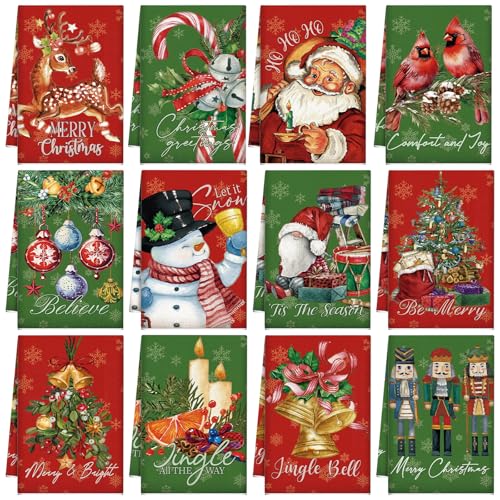
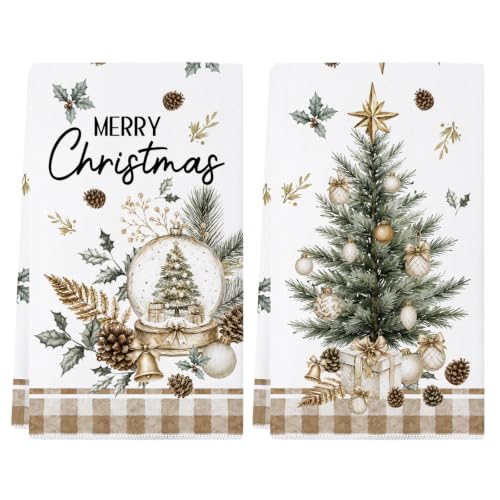
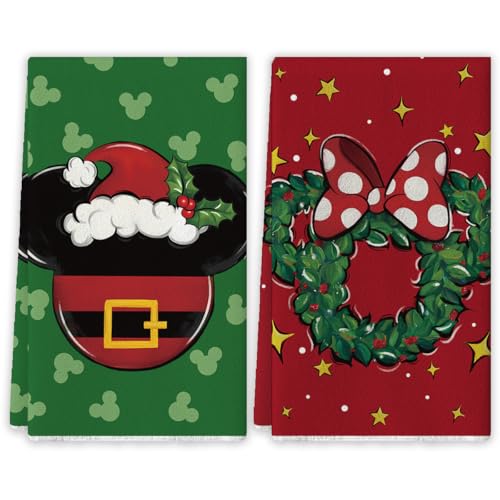
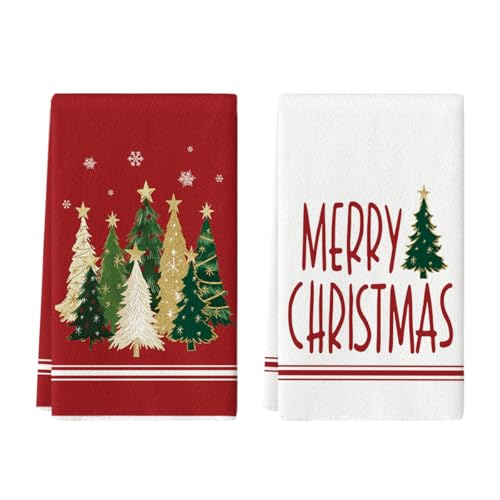
Types of Christmas Tea Towels Compared
Most seasonal towels fall into three groups, and the differences show up in weave and cloth weight. The best christmas tea towels for most homes are not the fanciest or the cheapest, but the ones whose fabric suits the jobs at your sink. Premium sets use denser cotton or linen, eco friendly sets lean on certified or recycled fibers, and value sets stay cheap with lighter cloth.
Premium and Luxury Tea Towels
Premium Christmas tea towels usually use long staple cotton, pure linen, or a cotton and linen blend woven tightly enough to feel substantial without feeling stiff. Turkish cotton appears in some luxury sets and brings a soft, dense hand feel with strong absorbency after a few washes. Prints tend to be woven in, embroidered, or printed with better color control, so trees and wreaths stay sharp through repeated laundry cycles. Expect to pay around $40 for a small pack, and choose this type for guest use, gifts, or daily service across many seasons.
Eco Friendly Tea Towels
Eco friendly Christmas tea towels focus on how the fiber and the dyes are made. Common options include organic cotton, recycled cotton blends, and linen, which is made from flax and typically needs less water to grow than conventional cotton. Look for the OEKO TEX label when you can, since it signals the finished textile was checked for substances makers must keep within set limits. A typical set costs around $30. Performance varies more in this group, so check weave and weight rather than trusting green wording alone.
Everyday Value Tea Towels
Everyday value towels are the cheerful multipacks that fill deal pages each November. They are usually lightweight cotton or a cotton and polyester blend, with a seasonal print on one side and a plain reverse. They shine as backups on baking days and as liners for bread baskets. The limits are absorbency and print life, since thin cloth saturates fast and bright surface prints can fade sooner. For guidance on how value sets compare with sturdier year round options, see our guide to the best tea towels. Choose value towels for volume and fun, not as your only drying set.
Premium and Luxury Towels Versus Eco Friendly Towels
These two groups overlap in price, so the choice comes down to what you value most in the cloth. Premium towels win on density, finishing, and print detail, with hems that lie flat and corners that stay square after washing. Eco friendly towels win on fiber sourcing and certification, and the strongest of them match premium absorbency while using organic or recycled input.
Drying speed splits them too. Linen rich eco friendly towels release moisture quickly and can be ready again by the next meal, while thick premium cotton holds more water in one pass but takes longer to air dry. Pick premium for a polished gift finish, and pick eco friendly for certified fibers and fast reuse. Check the product table above for weight and weave.
How to Choose the Right Christmas Tea Towel
A good buying pass takes about five minutes once you know which details matter. Check the fiber and weave first, then the size and weight, then how the design was applied. Finally, count the towels in the set against your laundry rhythm, because a household that washes once a week needs more towels in rotation than one that washes every other day.
Comfort and Feel
Feel tells you a lot before the first wash. A towel for drying hands and dishes should bend easily, feel smooth rather than papery, and have no scratchy print layer that catches on your palm. Flour sack cotton feels light and silky once washed, terry loops feel plush and thirsty, and a waffle style weave feels springy and textured. The weave behind that feel matters as much as the fiber, so see our guide to the best fabric for tea towels for more on weave and drying.
Material and Construction
Cotton is the most common material because it absorbs well, washes easily, and takes print clearly. Linen absorbs a little less at first but dries faster and leaves very little lint on glass. Polyester blends dry quickly, yet they soak up less water and can feel slick on wet dishes. Construction matters too: look for hems stitched on all four sides, a hanging loop sewn into a corner, and a centered print. GSM, the grams per square meter of cloth, gives a rough weight guide, and most tea towels sit in the light to middle range. For more on fiber trade offs, see our guide to the best material for tea towels.
Durability and Print Life
Seasonal towels face a short, intense season of use, then a long rest in storage, and both phases test durability. Prints made with good dye penetration keep their contrast, while prints that sit on top of the cloth can crack or fade where the towel folds. Dark designs hide kitchen marks better than white grounds, but a white ground shows at a glance whether a towel is truly clean. Edge stitching is the early warning sign on arrival: loose threads and wavy hems suggest the towel will not lie flat, and washing makes uneven stitching worse.
Performance: Absorbency and Quick Drying
Absorbency is the core job, and weave drives it more than fiber alone. Terry loops hold the most water but leave lint and dry slowly. A waffle style weave traps water in its pockets, folds small, and dries faster between uses. Flat weave flour sack towels hold less per pass but glide over glass without leaving fibers behind. Quick drying matters too, since a damp towel hung overnight can smell stale by morning. Whatever type you choose from the product table above, plan a rotation of at least four to six towels for heavy cooking days.
Picking the Right Christmas Tea Towels for Different Uses
Use case should settle the final choice. For daily drying through December, a midweight cotton set in a darker print hides wear and handles volume, and households comparing dedicated work sets can see our guide to the best tea towels for kitchen for year round benchmarks. For display by the oven, a linen or embroidered premium towel keeps its shape and looks intentional. For gifts, a folded set tied with ribbon looks generous, and a recipe motif often lands better than a generic snow scene.
Craft buyers have a different checklist, since a plain, smooth weave takes needlework far better than terry loops. If you plan to stitch names or small motifs onto towels for gifts, see our guide to the best tea towels for embroidery for blank styles that suit hand or machine work. Buy blanks a size larger than you think you need, because cotton can shrink a little in the first wash.
Budget Multipacks for Cookie Swaps and Gift Baskets
Budget multipacks sit at the low end of the market, where large packs sell for around $15 and the fun comes from variety rather than cloth quality. Within that tier, choose flat weave cotton over shiny blends, because cotton still absorbs when it is thin, while a thin blend mostly moves water around. Pick darker or busier prints too, since busy patterns hide fading and small stains. Use budget sets where mess is expected, such as cookie swaps and lining gift baskets. Keep one denser set at home for real drying.
Care and Maintenance Tips for Christmas Tea Towels
Wash every new set before its first use in warm water with a small amount of detergent, because factory finishes can block absorbency until they rinse away. Wash seasonal towels separately for the first two or three cycles, since strong red and green dyes can bleed onto pale cloth. Skip fabric softener on these towels, because softener coats the fibers and steadily lowers how much water the cloth can hold.
Dry towels fully before you fold them, and avoid leaving a damp bundle in the machine where mildew odor sets in fast. At the end of the season, launder the set one last time, dry it completely, and store it folded in a dry drawer. Storing a towel even slightly damp or stained is the surest way to find marks and odors waiting next December.
Frequently Asked Questions
Are luxury Christmas tea towels worth the higher price?
Yes, luxury Christmas tea towels are worth the price when you will use or display them for several seasons. The extra cost buys denser cloth, cleaner hems, and designs that stay legible after many washes. One point buyers miss is storage value: a well made linen towel folds flat and stores without creasing badly, so it looks fresh next year. If you only need towels for one party, a value set makes more sense.
How do I keep Christmas tea towels fresh for longer between washes?
You keep Christmas tea towels fresh for longer by drying them fully after each use on an open rail rather than a crowded hook. Airflow, not fragrance, does the real work. Rotate two towels a day during heavy baking, one for hands and one for dishes, so neither stays soaked for hours. If a towel picks up a sour note, a plain hot wash usually clears it.
What GSM is best for Christmas tea towels?
A middle GSM range is best for most Christmas tea towels, because it balances absorbency with fast drying and easy folding. Very light cloth saturates quickly, while very heavy cloth can feel clumsy for glassware and take up drawer space in a busy season. As a practical extra check, hold the towel to the light: an even glow suggests an even weave, while bright thin patches hint at spots that will wear out first with regular use.
How often should I replace Christmas tea towels?
Replace Christmas tea towels when they stop absorbing, keep an odor after a proper wash, or show thinning and holes at the fold lines. There is no fixed season count, since a display towel can serve for years while a daily dryer works hard for a few weeks each year. A simple check helps: pour a little water on a folded towel. If it beads and runs off instead of soaking in, the fibers are worn or coated and the towel is done.
How many Christmas tea towels does one household need?
Most households need six to ten Christmas tea towels to cover daily drying, hand use, display, and laundry gaps through the season. That count assumes a wash at least once a week and one or two big cooking days. Add a small buffer if you host overnight guests, because guest towels get changed more often. One coherent set usually looks tidier than mixing several small packs.
Final Thoughts
The right seasonal set comes down to three checks: a weave that matches the job, a fiber you are happy to wash and store, and a print that will still look good after a month of real kitchen work. Premium towels suit gifts and long service, eco friendly towels suit certified fibers and fast drying, and value towels suit volume and messy days. Use the product table above to confirm size, weight, and set count for the type you favor. Choose best christmas tea towels that fit your kitchen habits, and they will earn their place every December.