
Best Chicken Coop for Winter in 2026: Buying Guide
Disclosure: We may earn a commission when you buy through links on this page, at no extra cost to you. As an Amazon Associate I earn from qualifying purchases. Learn more

Best chicken coop for winter: ventilation without drafts, dry floors, roof strength, secure wire and care in cold weather.
Cold wind, frozen water, and damp bedding can turn a coop that worked all summer into a stressful home by January. Choosing the best chicken coop for winter means looking beyond floor space and asking how the building handles drafts, moisture, and snow. The comparison table below sums up the main types by size and fit, durability, and materials.
This guide walks through the choices that matter most in cold months, from ventilation above the roosts to doors you can open while wearing gloves. It also explains sizing, budgets, and care for your flock.
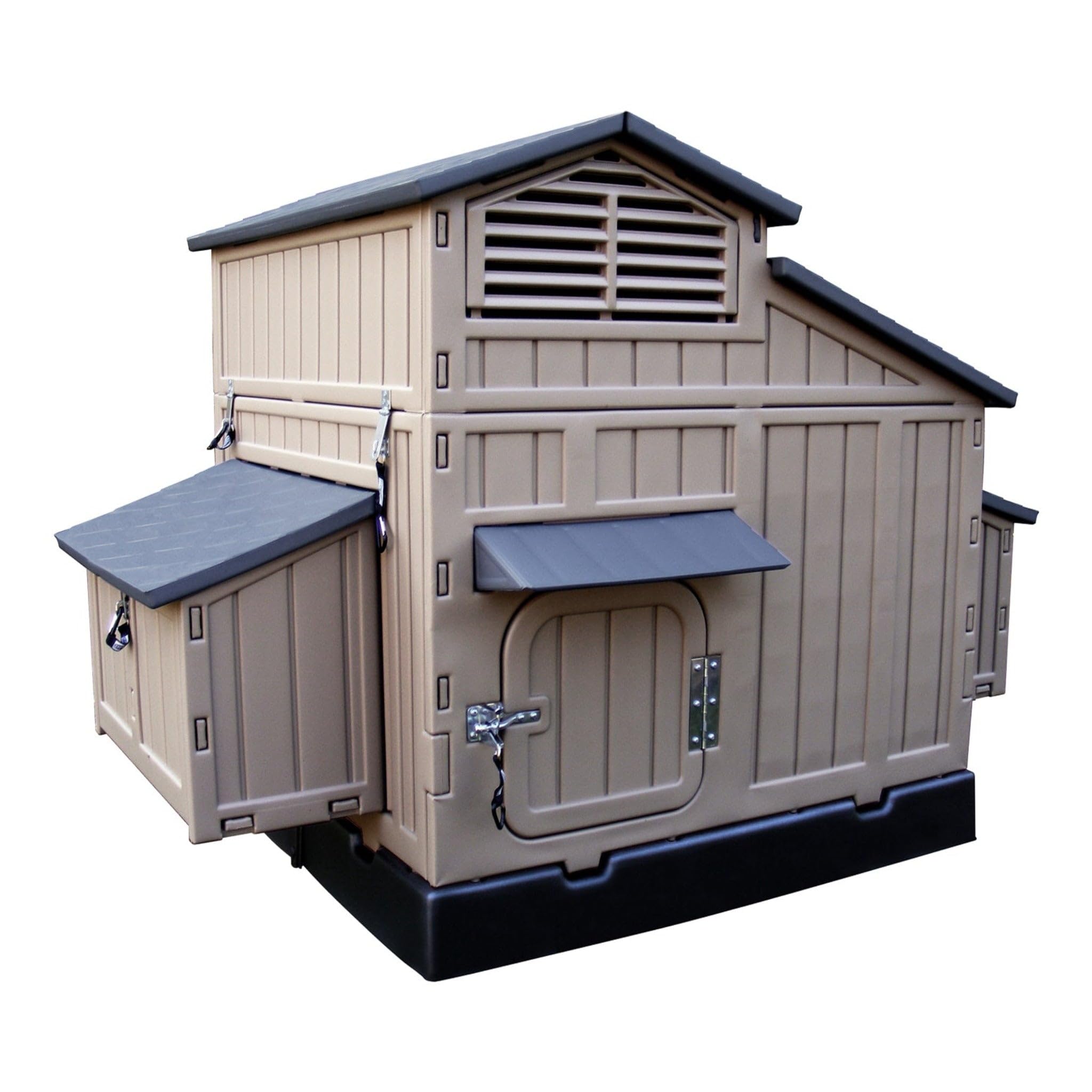


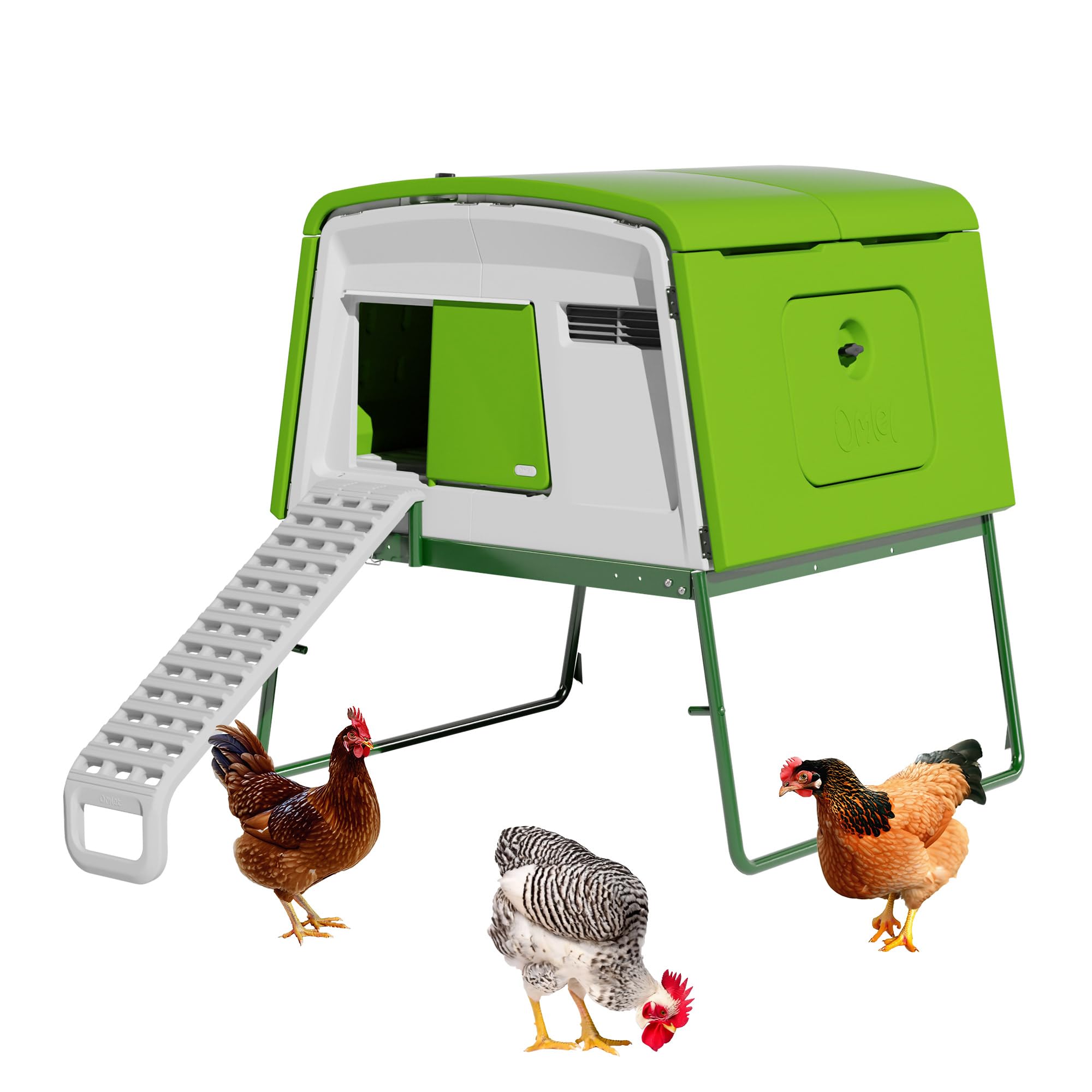
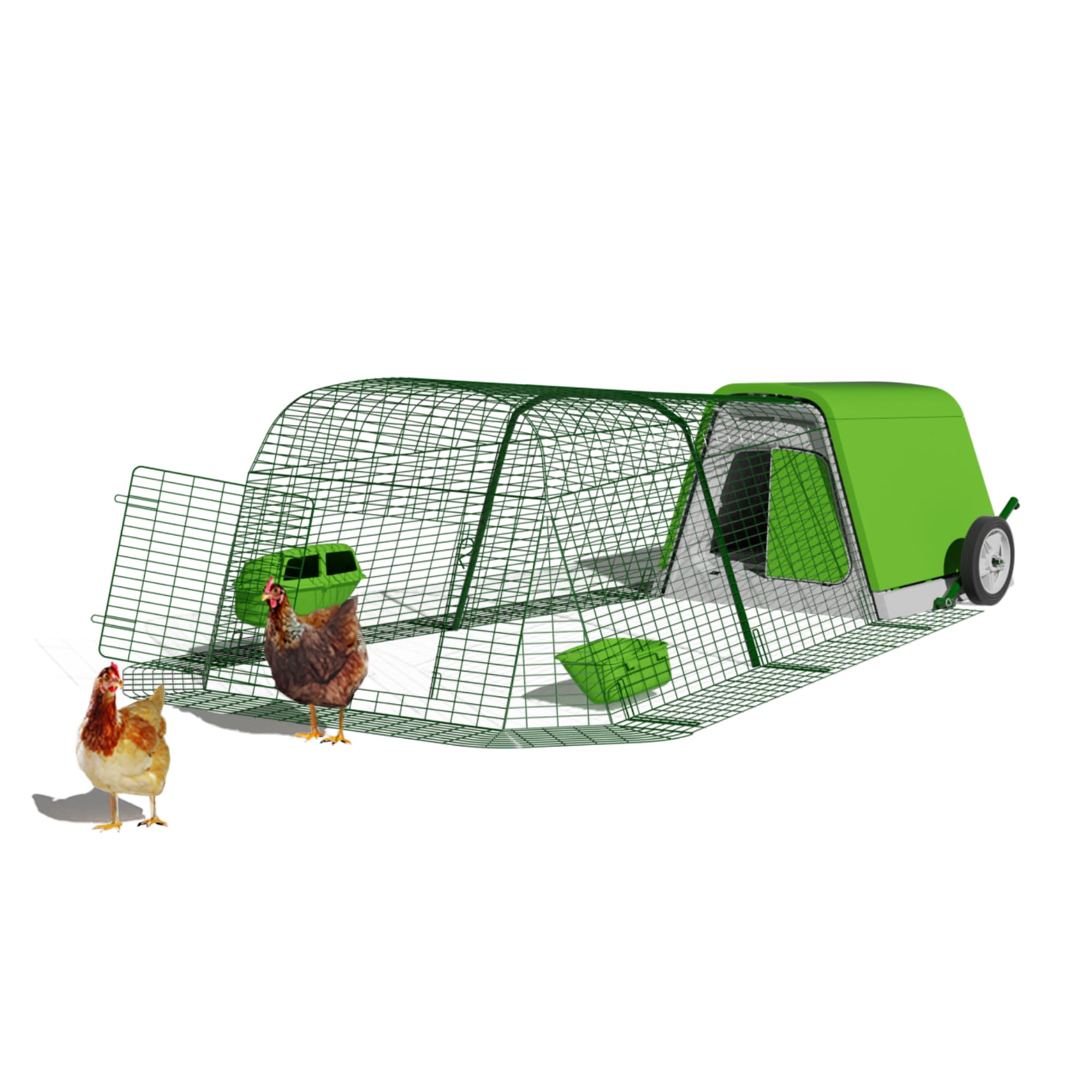
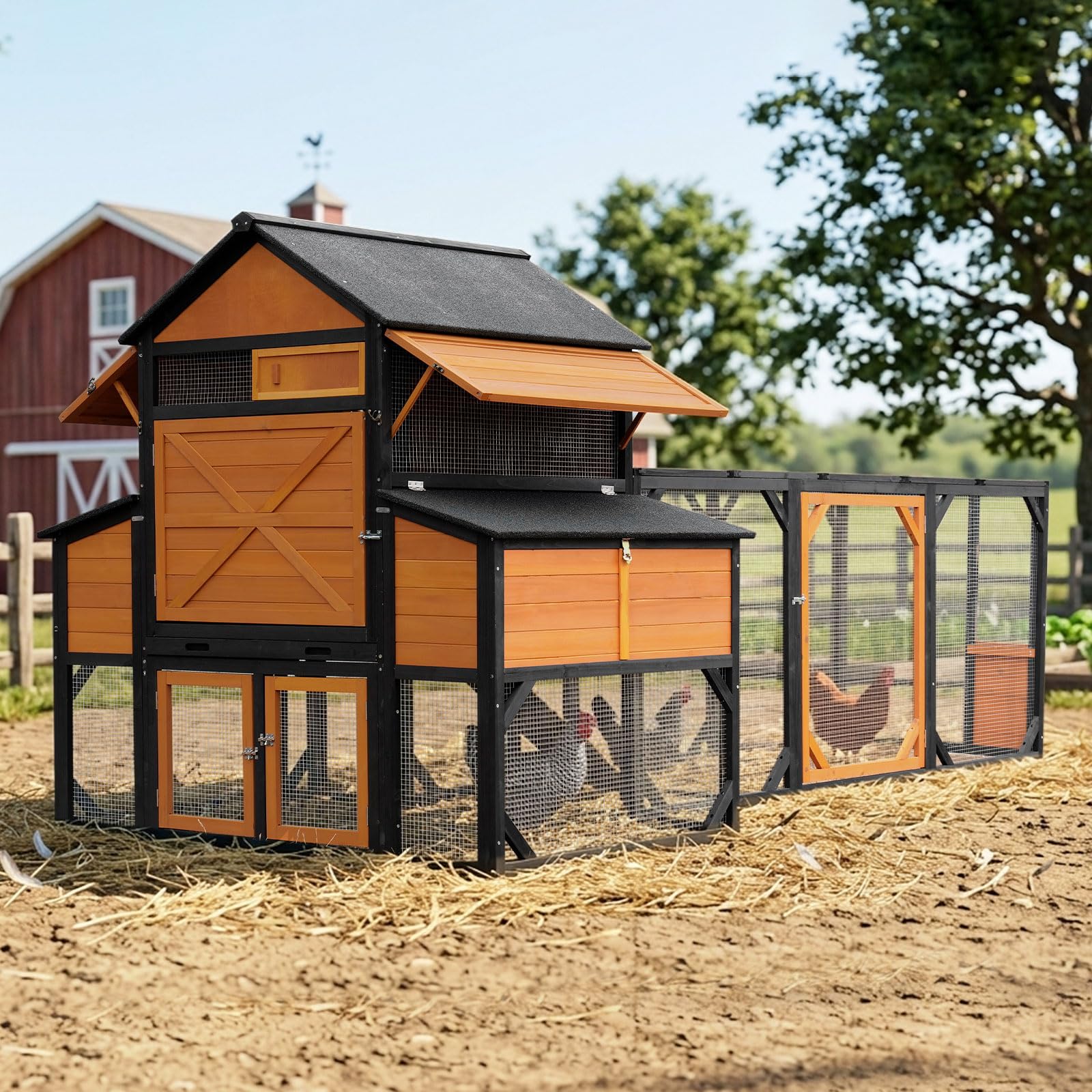


Winter Coop Types at a Glance
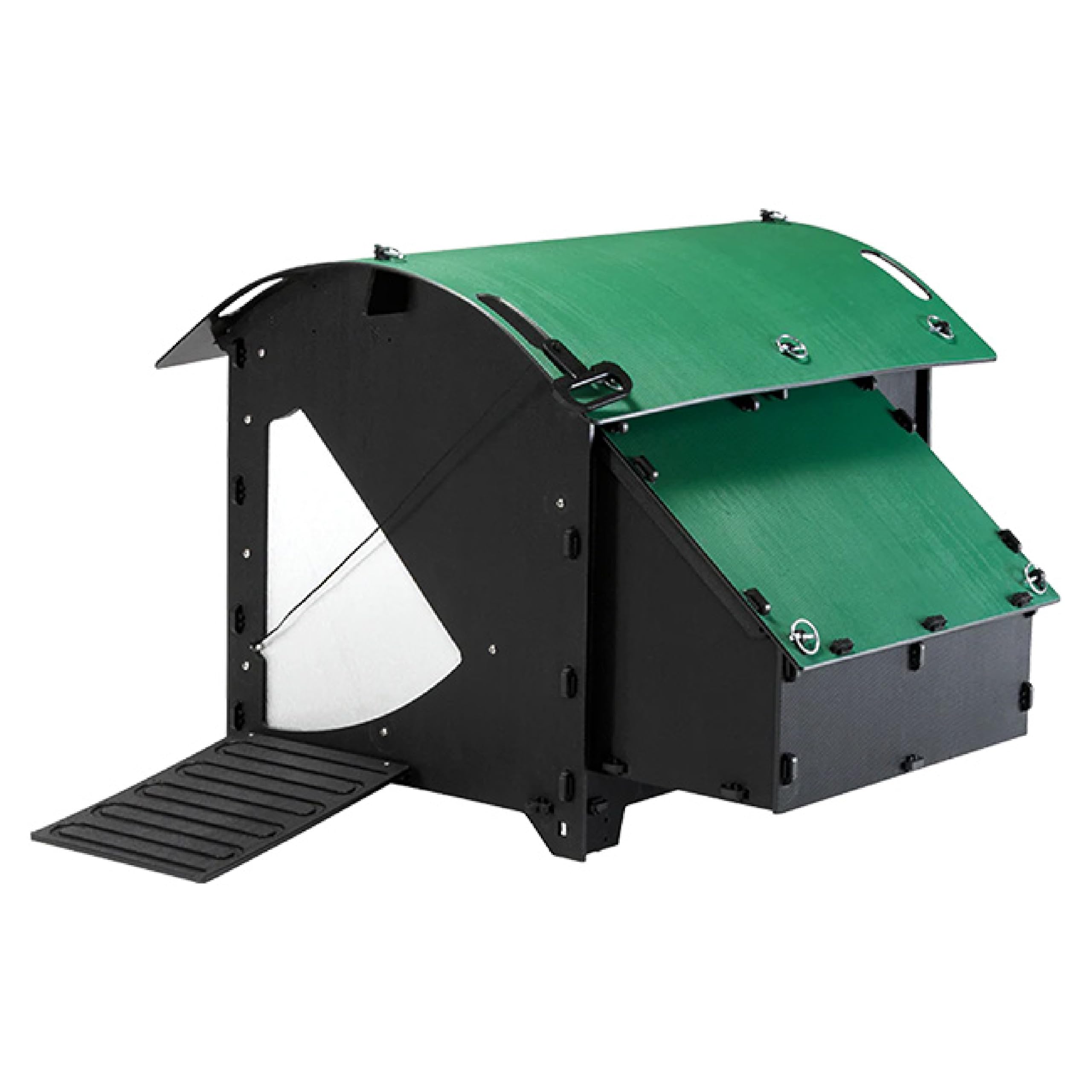
Stationary wooden coops are the most common winter choice because thick walls slow heat loss and the weight stays put in strong wind. Raised designs lift the floor off cold, wet ground, which helps bedding stay dry, while plastic designs resist rot and wash down quickly. Each type can work in winter, and build quality matters more than the label on the box.
Mobile designs suit mild winters, but they need extra anchoring and shelter once snow arrives. If that style fits your routine, see our guide to the best mobile chicken coop for layout ideas you can adapt with wind panels. For harsh climates, a fixed coop with a covered run gives hens a safer place to move and eat on storm days.
Who Should Buy a Winter Ready Coop?
Keepers in Snowy Regions With a Fixed Flock
You need a roof that sheds or supports snow, walls with no gaps at bird height, and a run cover that keeps feeding areas usable after storms. A walk in design helps because you will haul bedding and water through snow. Plan a path you can shovel, and place the coop where morning sun reaches it but wind hits a solid wall first.
Keepers With Small Backyard Flocks
A compact raised coop can suit four to six hens if the indoor space stays dry and the covered run gives them room when the yard is frozen. Snug roosting space helps small flocks share warmth, yet crowding raises moisture and pecking. Choose the larger footprint when two sizes look close.
New Keepers Facing a First Winter
Your first winter is easier with simple latches, a roof you can clear safely, and panels you can repair with basic tools. Avoid complex add ons until you learn how your hens use the space, and keep a spare waterer ready because plastic cracks more easily in freezing weather. If you are still setting up, our guide to the best chicken coop for beginners covers starter flock planning.
How to Choose the Right Chicken Coop for Winter
Start with your lowest normal temperatures, flock size, and sheltered outdoor space for storm days. Our walkthrough on how to choose a chicken coop covers general siting, while the points below filter those basics through winter needs.
Size and Form Factor
Form factor decides how winter chores feel and how hens spend storm days indoors. Walk in coops let you stand upright to change bedding, which matters when layers of clothing make bending hard. Low compact coops warm up from body heat more quickly, but they limit access and can trap moist air if vents sit too low. Attached runs with solid covers add the most usable space, because hens will use a dry run but avoid one filled with snow.
Type
Wooden coops insulate naturally and are simple to patch, seal, and fit with extra vents. Metal coops resist chewing, yet thin panels can sweat inside unless lined or well ventilated. Plastic coops will not rot and clean fast, though latches can stiffen in deep cold. Prefab kits save building time, and our guide to the best prefab chicken coop explains kit quality checks, while mobile styles trade winter shelter for fresh ground in warmer months.
Features Worth Paying For
A covered run is the winter feature most keepers value once snow covers the yard, because it protects feed and gives hens dry ground. An automatic door helps when short days clash with work hours, opening after dawn and closing after roosting without a trip outside in the dark. Removable droppings boards speed cleaning, and wide pop doors reduce jostling on cold mornings. Wheels help only in mild areas, since snow makes moving a loaded coop hard work.
Sizing for Your Flock
Plan on about 3 to 4 square feet of indoor floor space per standard hen, plus about 8 to 10 square feet per bird in the run, and add more when winters keep birds inside for days. Bantams need less floor area but still need dry run space. Roost bars should give each hen about 8 to 10 inches, and nest boxes work best at roughly one box for every three to four hens.
Materials and Resistance to Chewing and Weather
Thick solid timber holds screws well and slows temperature swings, but it needs sealed joints and a sound roof to stay dry all season. Galvanized hardware cloth with small openings stops mice and deters raccoons far better than thin chicken wire, which predators can tear. Look for metal latches and roofing that overlaps joints so melt water runs off instead of seeping in. Avoid thin panels that flex in wind, because flexing opens gaps.
Cleaning and Odor Control
Winter cleaning works best when boards lift out, floors have no deep cracks, and you can reach every corner without crawling inside. Deep dry bedding absorbs droppings and odor through cold spells, and adding fresh material on top keeps feet dry between full changes. Good airflow near the roof carries ammonia away before it irritates eyes and lungs. Our guide to how to clean a chicken coop covers tools and timing for a full clean before freezing weather sets in.
Safety
Winter pushes hungry predators to test every weak point, so fit bolts rather than simple hooks, and cover every vent and window with hardware cloth fixed from outside. Check that no gap at the eaves or floor edge lets a paw reach in, and skirt wire around the run to stop digging. Inside, keep any heat source well clear of bedding, because most coop fires start with heaters placed too close to litter or dust.
How Much Should You Spend?
Small basic coops often cost under $200, but many need extra roofing, hardware cloth, and sealing before a hard winter. Mid range kits at about $200 to $500 usually bring thicker panels, better latches, and a usable run. Larger walk in builds at about $500 to $1000 add headroom and stronger roofs, while sturdy custom style coops can run over $1000. Spend first on roof quality, secure wire, and dry floor space.
What Matters Most in a Chicken Coop for Winter
Ventilation without drafts is the balance that decides flock health. Warm air from hens and bedding holds moisture, and that moisture must leave through openings high above the roosts, or it settles on combs and can lead to frostbite on bitter nights. Openings at roost height do the opposite, chilling birds where they sleep. Aim for steady air exchange near the roof, dry bedding below, and no direct wind path across the roost bars.
Watch your birds as temperatures fall. A comb that turns pale or dark at the tips, a hen that stops eating, unusual stillness, or labored breathing all call for prompt advice from a veterinarian. Do not seal a coop shut to treat cold birds, because trapped moisture makes frostbite more likely. Talk with a local vet about breed and health needs before winter.
Common Mistakes to Avoid
- Sealing every vent to keep heat in, which traps moisture and raises frostbite risk.
- Placing vents at roost height, which lets cold wind blow over sleeping hens.
- Buying by hen count on the box alone, which leaves too little dry run space in snow.
- Leaving water inside the sleeping area, which spills into bedding and adds humidity.
- Trusting thin chicken wire on runs, which predators can pull apart when food is scarce.
- Waiting until the first storm to test doors and latches, which can freeze or jam.
How to Make Your Chicken Coop Last Longer in Winter
Before cold weather arrives, wash the interior on a dry day, let it dry fully, seal open joints, oil hinges, and tighten loose screws while you can work without gloves. Clear leaves from the roof line and check that melt water drains away from the floor. Set spare bedding and a backup waterer under cover nearby, so a storm does not leave you improvising.
Through the season, brush snow off the roof and run cover before weight builds up, and keep vents clear of ice and dust. Walk the perimeter after storms to spot lifted wire or new gaps. In spring, air the coop fully, replace worn boards, and note which corners stayed damp, because fixing those spots in summer is far easier.
FAQs
What is the best chicken coop for winter?
The best chicken coop for winter for most keepers is a dry, secure coop with vents high above the roosts, a roof that handles local snow, and a covered run. Size it for your actual flock, choose latches you can work in gloves, and favor solid materials over thin panels. A design proven in your region usually beats a larger coop built for mild weather.
What should I look for in a chicken coop for winter?
Look first for dryness, secure wire on every opening, and airflow near the roof rather than at roost level. Then check access for cleaning, a door that will not freeze shut, and run space that stays usable after snow. Many buyers miss threshold height, because a low sill lets melt water creep inside, while a raised sill helps keep bedding dry.
How long does a chicken coop last?
A solid timber or quality plastic coop often lasts about 5 to 10 years, while thin flat pack kits may need major repairs after 3 to 5 winters. Lifespan depends on drainage under the base, roof condition, and how quickly you fix leaks. Raising the coop off bare soil and keeping roofing sound will usually add years of service.
Is a chicken coop worth it?
Yes, for most backyard keepers a proper coop pays for itself in healthier birds, safer nights, and eggs through the colder months. Winter makes the value clearest, because shelter and dry bedding are hard to improvise with tarps and sheds. If you keep only a few hens in a mild area, a smaller coop can be enough, provided the run stays dry and the roosting space stays free of drafts.
How do you clean a chicken coop in winter?
Pick the mildest dry part of the day, move hens into the run, and scrape boards and floors before adding fresh bedding, because frozen droppings chip away more easily than wet litter. Wear a mask even in winter, since dry dust rises fast in still cold air. Work in short stages, and finish well before roosting so hens return to settled, dry bedding.
What is the most reliable chicken coop brand?
No single brand is most reliable for every climate, and reliability comes from build details you can check yourself. Look for thick panels, galvanized wire, sound roofing, and spare parts the maker actually stocks, such as hinges and latches. Read buyer reports from owners in cold regions, and treat long warranties with care, because many exclude weather damage and chewing.
Final Thoughts
Dry bedding, calm air at the roosts, secure wire, and a covered run will do more for your flock than any single extra. Use the product table above to compare types against your climate and flock size, then check each listing for vent placement and true floor area. When you choose the best chicken coop for winter and set it up before the first storm, winter care becomes a steady routine.


