Best Chicco Car Seat of 2026: Which Type Should You Buy?
Disclosure: We may earn a commission when you buy through links on this page, at no extra cost to you. As an Amazon Associate I earn from qualifying purchases. Learn more

Best chicco car seat types compared by stage of growth, vehicle fit, limits, cleaning and price.
Choosing within one brand can still feel confusing, because Chicco sells infant seats, convertible seats, rotating seats, and boosters that look similar at a glance. The right choice depends on your child age and size, your vehicle back seat, and how long you want one seat to last. This guide to the best chicco car seat options explains the lineup by type, safety features, and ease of use so you can narrow the field before you shop.
Start with the comparison table below, which lines up the main seat types side by side. Then use the sections that follow to match a type to your family stage, your budget, and your daily routine.


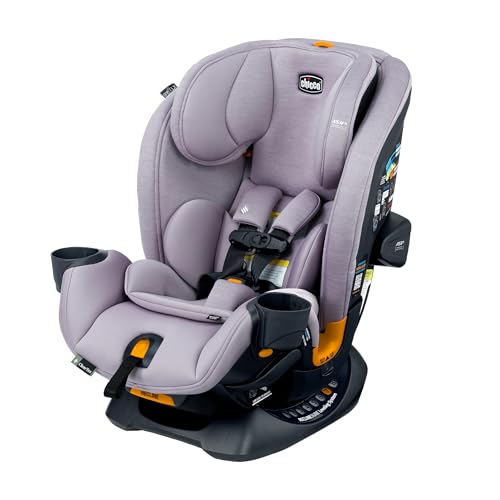


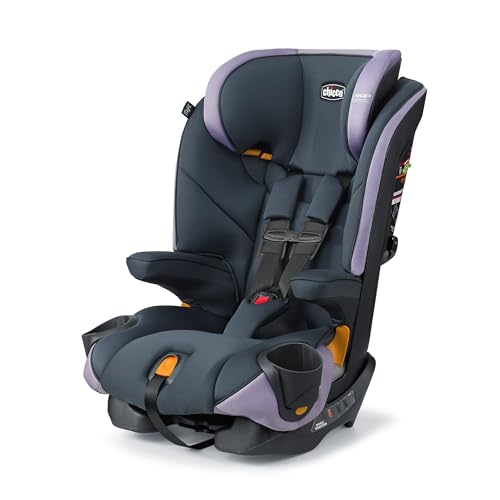

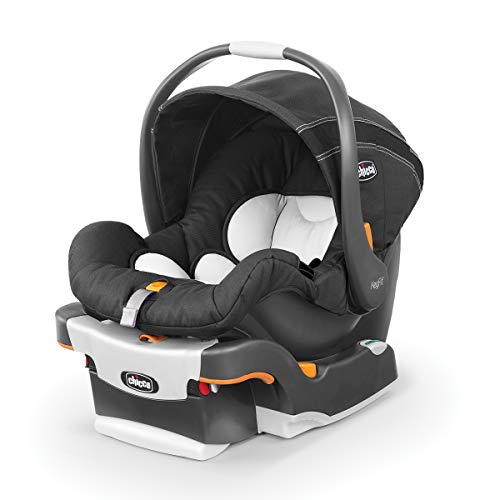
Chicco Seat Types at a Glance
Chicco organizes its lineup around stages of growth rather than around trim names. An infant seat covers the first months and clicks in and out of a base. A convertible seat stays installed in the car and works rear facing first and forward facing later. An all in one seat adds a booster stage, and a dedicated booster takes over once a child is mature enough to sit with a vehicle belt alone.
If you are comparing Chicco with the wider market, our guide to the best car seat options across brands gives useful context on price and features. Within the Chicco range, the stage you need matters more than the badge, because a seat bought for the wrong stage will be outgrown long before it wears out.
Three Chicco Seat Categories Compared
Instead of ranking models, compare the three categories most families choose between. Each solves a different problem, and the best fit changes as your child grows.
Infant Seats for the First Year
An infant seat faces the rear only, has a carry handle, and clicks into a base that stays in your vehicle. That design lets you move a sleeping baby from car to stroller without unbuckling the harness, which many parents value during the first months. Chicco infant seats are known for compact bases and clear level indicators. If a newborn is your focus, see our guide to the best car seat for newborns for what matters most in those early weeks.
Convertible Seats That Grow With Your Child
A convertible seat starts rear facing for infants and toddlers, then turns forward facing once your child meets the height and weight limits for that direction. Because it covers two stages, it often offers the strongest value over time, and you skip buying a second seat a year later. The trade off is size and weight, since these seats stay in the car and are harder to move between vehicles. Look for generous rear facing limits, since many families like to keep a child rear facing for as long as the manual allows.
Rotating and All in One Seats for Longer Use
A rotating seat turns toward the door so you can lift your child in and out with less twisting and reaching, which helps in tall vehicles and tight parking spots. Our guide to the best rotating car seat models explains how that motion works in daily use. An all in one seat goes further by adding a booster mode, so one purchase can span from infancy to the booster years, though its larger shell needs a roomy back seat to fit well.
How to Judge a Chicco Car Seat
Five factors separate a seat that suits your family from one that only looks good on a product page. Safety credentials come first, and every seat sold in the United States must meet the same federal standard, so differences show up in fit and correct use. Ease of use comes next, because a seat you buckle correctly every ride protects better than a complex seat used loosely. Size, durability, and value complete the picture.
How to Choose the Right Car Seat
Type
Match the type to the stage in front of you, not the stage years away. An infant seat suits a newborn and a family that wants a portable carrier. A convertible suits parents who prefer one installed seat from birth or from a few months on. A booster suits an older child who can sit upright for the whole ride. If you are torn between the first two, our comparison of convertible vs infant car seat layouts walks through the daily trade offs in more detail.
Features Worth Paying For
A stay in car base with clear installation aids is the feature most infant seat buyers use daily, and bubble or line indicators help you confirm the recline angle at a glance. An anti rebound bar or a load leg can add stability at the back of the seat, and both are worth considering if your vehicle allows their use. A swivel function earns its cost when back pain, a high vehicle floor, or a tight garage makes lifting awkward. Simpler extras, like extra padding, matter less than these structural features.
Safety Standards and Certifications
Every car seat sold in the United States must comply with federal motor vehicle safety rules, and groups such as JPMA and the CPSC publish guidance that helps parents judge quality and recalls. Look for the label that confirms the seat meets the federal standard, and check whether the seat is approved for aircraft use if you plan to fly with it, since FAA approval is printed on the seat label. Register your seat with the maker after purchase, because registration is how you receive recall notices quickly.
Age, Weight and Height Limits
Limits, not age alone, decide when a seat fits and when it is outgrown. A seat is outgrown rear facing when your child reaches the stated height or weight limit, or when the head comes within one inch of the top of the shell, whichever the manual lists first. Forward facing use ends when the harness straps can no longer sit at or above the shoulders within the allowed range. When that stage ends, our guide on when to switch to booster seat use explains the maturity signs to look for.
Portability and Moving Between Cars
Weight and width decide how realiztic a seat is to move. Infant carriers are light by design, while convertible and all in one seats can be heavy enough that most families buy one per vehicle instead of swapping. Width matters when you need three seats across one row or when a booster will sit beside the new seat. Some seats fold or use a slim shell for travel, but always confirm that a narrow fit still leaves room to buckle and to recline as the manual requires.
Cleaning
Crushed snacks, spills, and illness make cleaning a certainty, so check how the cover comes off before you buy. Covers that remove without taking out the harness save real time, and fabrics that can go in the wash on a gentle cycle are easier to live with than covers that need hand washing only. The harness straps themselves should never go in the wash or be soaked, because water and soap can weaken the webbing. Wipe straps with a damp cloth and let everything dry fully before you reinstall the seat.
How Much Should You Spend?
Price rises with stage coverage and convenience rather than with basic safety, since every seat must meet the same federal requirements. Simpler infant seats and boosters often fall around $100 to $250, while convertible seats commonly sit at about $200 to $400. Rotating and all in one seats with more padding, steel reinforcement, and extra recline positions can reach about $300 to $500. Spend first on correct fit for your vehicle and child, then on the one convenience feature you will use every single day.
The Chicco Car Seat Lineup Explained
Read the lineup as a timeline. The infant range covers the newborn stage and pairs with bases and strollers from the same brand. The convertible range is the core of the brand, built for families who want one seat for the toddler and preschool years in both directions. Rotating models sit at the premium end and trade a higher price for easier loading. Booster models, both high back and backless styles, close out the timeline for school age children.
Two cautions apply across the whole range. First, never use a seat after a moderate or severe crash, after its expiration date, or with a missing manual or missing parts, and ask a certified child passenger safety technician to check your installation if you feel unsure. Second, stop and seek medical advice promptly if your child shows breathing difficulty, unusual sleepiness, or color changes while riding, and talk with your pediatrician about any condition that affects how your child should be positioned in a seat.
So, which is the best chicco car seat for most families? For many, it is the convertible category, because it covers the longest span of growth in one purchase and avoids the cost of a separate infant carrier. Families who prize easy carrying in the first year will lean toward the infant category instead, and that is a sound choice when the budget allows a second seat later.
FAQs
Is Chicco a good car seat brand?
Chicco has sold car seats in the United States for many years and is widely stocked, which makes replacement covers, extra bases, and support easier to find than with smaller brands. The brand publishes clear manuals and expiration dates on its seats. As with any brand, the specific seat still needs to fit your child and your vehicle, so treat reputation as a starting point rather than the whole decision.
When should a child switch to forward facing in a Chicco car seat?
Keep your child rear facing until reaching the top height or weight limit the manual allows for that direction, which for many children is well past the second birthday. Follow the limits in the manual; bent legs against the vehicle seat are not listed as a reason to turn early. Watch the harness instead, because straps that start below the shoulders in forward facing mode signal that the fit has changed and the manual should be checked before the next ride.
How do you check that a Chicco car seat is installed tightly enough?
Follow the movement check described in your manual, which applies at the belt path rather than the top of the seat. Grip the seat where the vehicle belt or the lower anchors pass through, and try to move it side to side and front to back with the force of a firm handshake. The manual states how much movement is acceptable, commonly about an inch. Movement elsewhere on the shell is normal for many designs, so checking the wrong spot can lead you to overtighten or to add parts the manual never approved.
How long are Chicco car seats good for?
Each seat carries its own expiration date, printed on a label and stated in the manual, and many models allow about six to ten years of use depending on the type. Expiration exists because plastics age, standards evolve, and the history of a very old seat is hard to verify. Our guide explaining how long are car seats good for covers why you should never buy a used seat with an unknown past, even when it looks clean and complete.
Can a Chicco car seat be used on an airplane?
Many Chicco seats carry FAA approval for aircraft use, and the approval statement is printed on the seat label and in the manual, so check your exact model before you travel. On board, the seat installs with the aircraft lap belt, and a base used in your car usually stays behind. Booking a window seat often works best, because the car seat must not block another passenger path to the aisle, and airline staff can confirm placement rules for your flight.
Final Thoughts
The product table above is a useful shortcut, but your final check is always fit, since the right Chicco seat is the one that suits your child size today, installs securely in your vehicle, and can be buckled correctly on every ride. For most growing families, the best chicco car seat choice is a convertible model with generous rear facing limits and a cover that is simple to wash. Choose the infant route if carrying ease matters most now, choose rotating if loading strain is your main concern, and revisit the booster stage only when the limits and maturity signs say your child is ready.