
Best Car Seat for Newborns: Safe Starts for the First Ride Home (2026)
Disclosure: We may earn a commission when you buy through links on this page, at no extra cost to you. As an Amazon Associate I earn from qualifying purchases. Learn more
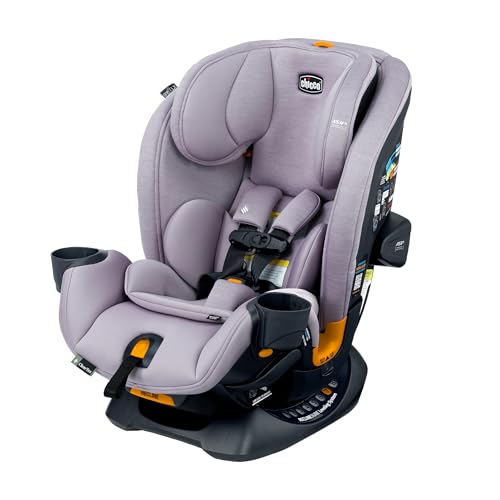
How to choose the best car seat for newborns: infant carriers versus convertibles, low harness slots, inserts, recline, carrier weight and stroller pairing.
The first ride home from the hospital is the moment you find out how much a car seat matters. A newborn is small, floppy and needs to be positioned well from day one. The best car seat for newborns fits a tiny body without gaps, sits at a comfortable recline and installs the same way every time. The product table above includes infant carriers with bases, a few lightweight carriers and rear-facing convertibles that start at birth, so you can compare both paths.
This guide is general. Follow the car seat manual for the limits and use, and ask your pediatrician about any question that concerns your baby's health.
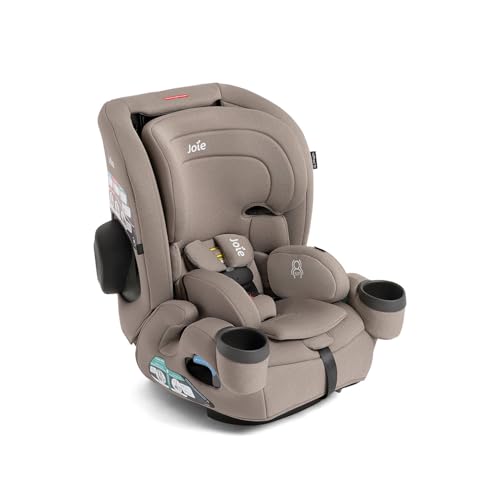

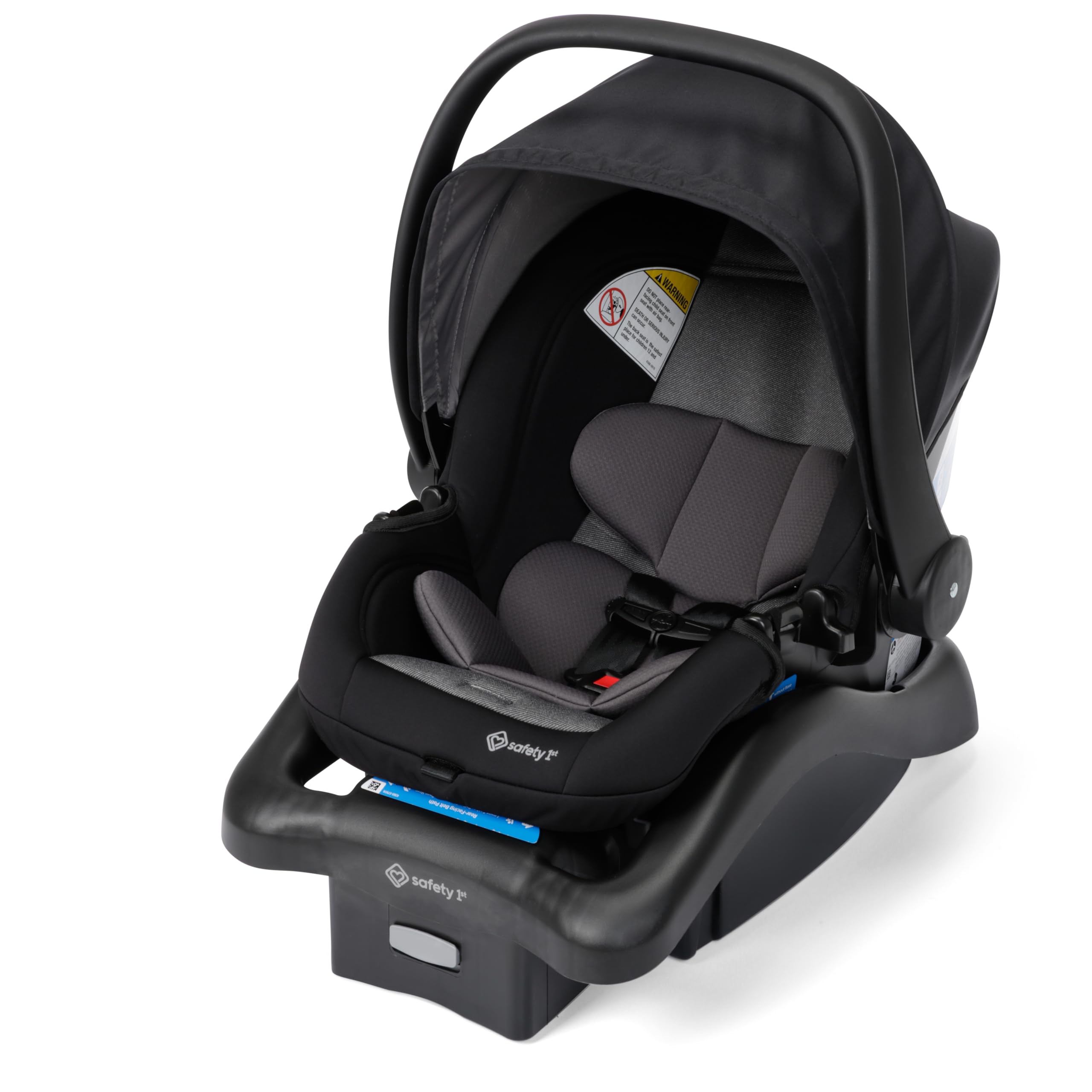
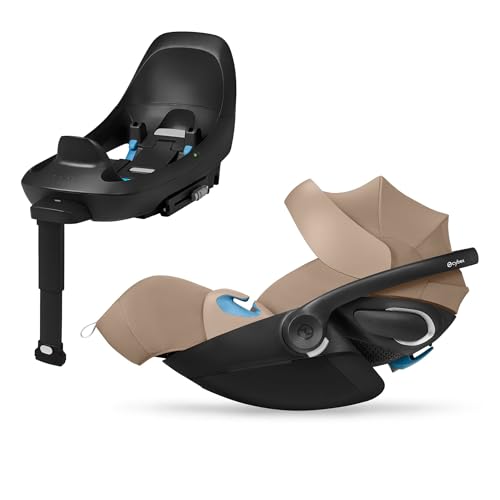


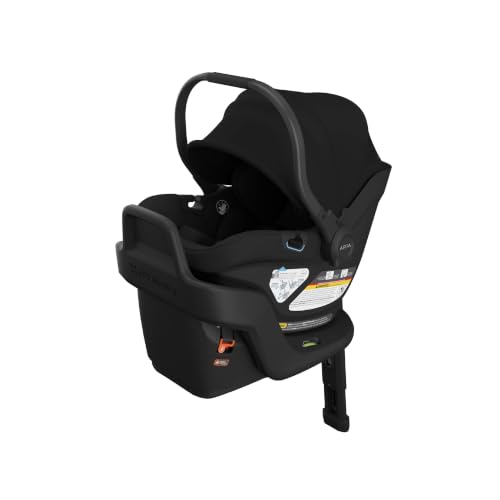
Infant Carrier or Convertible?
Infant Carriers
An infant car seat is a small, rear-facing carrier that clicks in and out of a base. It is designed for the early months and has a handle for carrying. Many snap onto strollers, which helps when a baby is asleep. The downside is that the baby outgrows it in time, so you will need a second seat later.
Rear-Facing Convertibles
A convertible seat stays in the car and changes position as the child grows. Some are made for newborns and have an infant insert and low harness slots. They cost more up front and offer longer use, but you cannot carry the baby around in them.
Many families choose both: a carrier for the first months and a convertible after that.
Fit for a Small Body
A newborn needs the harness at or below the shoulders when rear-facing, so look for low starting harness slots. The seat should come with a soft insert or support designed for small babies, and the shell should hold the head and torso without slumping. Do not add any extra padding that did not come with the seat, because it can change the fit and the way the harness works.
Check the manual for the minimum weight and the guidance for premature babies, and ask the medical team if your baby is born small.
Recline and Angle
Rear-facing newborns need to be reclined enough to keep the head supported. Most seats have a level indicator or an adjustable recline foot to get the angle right in different vehicle seats. A seat that is too upright can let the head fall forward. Use the indicator, and add a rolled towel under the base only if the manual allows it.
Weight and Handling of Carriers
A carrier is lifted often, and a heavy one soon becomes tiresome. Consider the empty weight and the handle's comfort. A lightweight carrier makes trips easier, but a sturdier one may feel more secure. Think about how many stairs there are at home and how often you will be moving the seat between car and stroller.
Base, Load Leg and Install Aids
A base that stays in the car means that you only need to click the carrier in and out. Look for bases with level indicators, strong lock-off devices and a clear connection signal. Some have a load leg that reaches the floor for extra stability, and those need a flat vehicle floor. A second base for another car is a handy extra for families who share vehicles.
Strollers and Travel Systems
Many carriers fit a matching stroller, and some fit others with adapters. If you plan to buy a stroller, check compatibility before you choose the seat. A travel system pairs a seat and a stroller, which suits first-time parents. A seat with a stroller adapter can also be a good option.
Harness, Buckles and Padding
A newborn needs a harness that is snug without squeezing. The chest clip should be level with the armpits, and the straps should lie flat. Buckles should be easy to open with a firm press, but not so easy that a child can do it. Fabrics should be soft and breathable, and covers should be removable for washing.
Time in the Seat
Car seats are for travel. Take the baby out of the seat when you arrive, and do not use it as a regular place for sleeping outside the car. Follow the maker's guidance on how long a baby may stay in the seat, and ask your pediatrician for advice about long trips. On long drives, plan breaks so you can take the baby out and feed or change them.
When Your Baby Outgrows It
Seats have limits for height and weight, and a baby has outgrown the carrier when they pass either one, or when the top of the head nears the top of the shell as set out in the manual. Keep an eye on those limits, and check them at each doctor's visit when your baby is measured.
Choosing the Best Car Seat for Newborns
Think about how you will use the seat: carrying often, or leaving it in the car. Check the weight limits, the harness slots and the stroller options. Make sure it fits your vehicle's seat, and review the manual before the birth. A certified technician can help you install it, and many hospitals can recommend one.
Preparing Before the Birth
Install the base or the seat a few weeks before the due date, so you can practice and fix mistakes without pressure. Pack the seat's manual in the hospital bag. Put the baby in the seat with only light layers, because thick bunting suits a stroller but not a harness.
Practice buckling a doll to learn the feel of the straps. Have a plan for who will drive, and set the seat in the vehicle's back seat before the day.
Dressing the Baby for the Ride
A thin layer, such as a one-piece outfit and a light hat, works under the harness. In cold weather, put a blanket over the baby after the straps are buckled, and take it off if the car warms up. Avoid hats that cause the head to tip forward. Skip products that go under or behind the baby unless they came with the seat.
Cleaning and Care
Spit-up and diaper leaks happen. Check the manual for the right method, because harsh cleaners and bleach can weaken the straps. Many covers can be machine washed on a gentle cycle, while the harness should be spot cleaned.
Let everything dry before you put the cover back. Inspect the seat for cracks or frayed straps from time to time, and register it with the maker so you receive recall notices.
Related Guides
- Best Car Seat
- Convertible Vs Infant Car Seat
- Best Rotating Car Seat
- Best Travel Car Seat
- How Long Are Car Seats Good For
Frequently Asked Questions
Do I need to buy a seat before the baby arrives?
Yes. Hospitals usually ask to see a seat installed before discharge.
Can I use a used seat?
It is better to buy new, because you cannot know a used seat's history.
Are inserts necessary?
Only if the manufacturer supplies or approves them for small babies.
Is the middle position best?
It can be if the seat installs well there. The best spot is the one where you can install the seat correctly.
The Bottom Line
The best car seat for newborns fits a tiny body, installs tightly and suits your daily routine. Choose low harness slots, a good recline guide and a carrier weight you can handle. Read the manual, get an install check and enjoy the ride home.


