
Best Children's Alarm Clocks 2026: Buying Guide
Disclosure: We may earn a commission when you buy through links on this page, at no extra cost to you. As an Amazon Associate I earn from qualifying purchases. Learn more

Best children's alarm clocks compared by display, sound, light cues and controls, for calmer mornings without a phone.
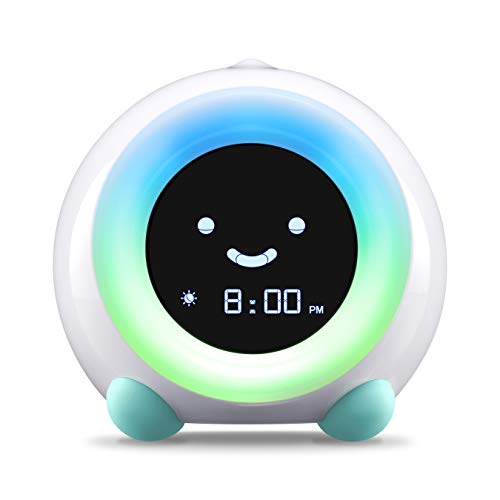
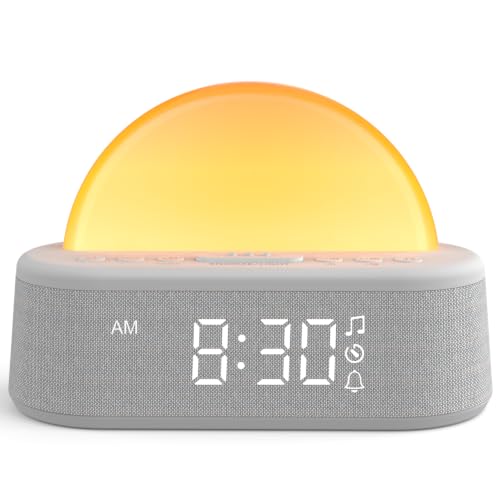
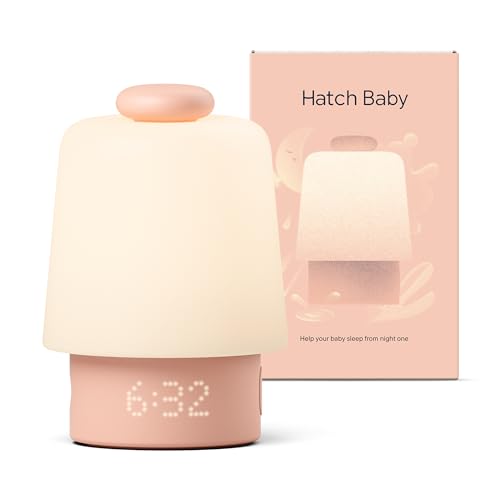
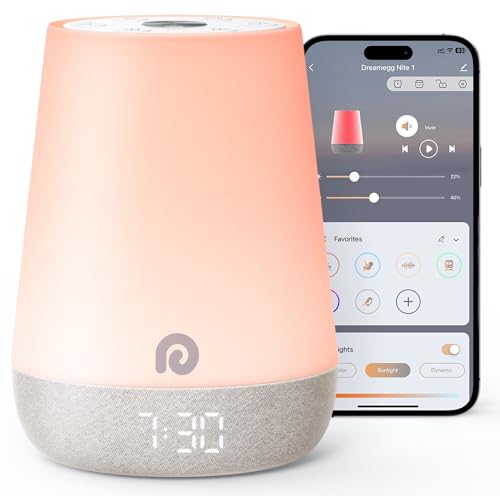
The best children's alarm clocks help children learn time, wake on their own and build a calm morning routine, without relying on a phone. The product table shows sleep trainers, sunrise clocks and sound machines with an alarm, so you can compare display, sound and extra features.
Before you choose, think about your child's age, reading level, light sensitivity and whether you want a sleep trainer, a sunrise light or a simple alarm. A clock with too many features can confuse a young child, while a simple clock may bore an older child.


Who Should Buy This Style
Children's alarm clocks suit families who want a screen free bedroom, children learning to tell time, and parents who want calmer mornings. They also suit children who wake too early, because a color cue can show when it is time to get up.
They suit less well for teenagers who already use a phone alarm reliably, or for children who share a room and need very different wake times. In those cases, a personal alarm or a gentle vibration option may work better.
Key Features to Compare
Display and Readability
A clear display matters, because a child must read the time quickly in dim light. Large digits suit younger children, while analog faces help children learning to tell time. Check brightness control, because a very bright display can disturb sleep.
Sound and Volume
Gentle tones, nature sounds or a favorite tune wake children more kindly than a harsh buzzer. Look for gradual volume that rises slowly, and a volume limit for young ears. Try the sound with your child, because a tone you like may annoy them.
Light and Sleep Cues
Sunrise lights wake children gradually, while color cues show younger children when to stay in bed and when to rise. A night light can comfort a child who fears the dark, but it should dim fully for sleep. Choose light features that match your child's sleep needs.
Controls and Durability
Simple buttons suit young children, while a clock that is easy to knock over or reset by accident will frustrate mornings. Look for sturdy build, a backup battery for power cuts, and controls that a child can use without changing the time by mistake.
Types Compared
Simple Digital Alarm Clocks
Simple digital clocks show large digits, offer a gentle alarm and cost less than feature heavy models. They suit younger children and families who want a screen free, easy routine. They lack sleep training colors and sunrise light, but they do the core job well.
Sleep Trainer Clocks
Sleep trainer clocks use color or a simple face to show when it is sleep time and when it is time to rise. They suit toddlers and young children who wake too early. They need a short teaching period, so use the color cue consistently for a week or more.
Sunrise and Light Clocks
Sunrise clocks brighten gradually before the alarm, which can ease waking on dark mornings. They suit older children and families in northern climates or winter months. They cost more and need a bedside spot where light reaches the sleeper.
Budget and Value
Budget children's clocks usually cost about $20 to $40 and cover simple digital alarms well. Mid range clocks at about $40 to $80 add sleep trainer colors, gentle sounds and better brightness control. Premium clocks above that range focus on sunrise light, app free controls and refined design.
Pay for readability and a gentle alarm first, because those decide whether mornings improve. A mid range sleep trainer often helps more than a premium sunrise clock if early waking is the main problem. Keep the clock in the bedroom and away from phones for the best routine.
Setup, Care and Everyday Use
Place the clock where your child can see it from bed, but not so close that the light disturbs sleep. Set the alarm together, agree on the wake routine, and keep bedtime consistent. Check batteries or backup power, so a power cut does not ruin a school morning.
Keep volume at a safe level and avoid very loud alarms close to a child's ears. If your child struggles to wake, sleeps very poorly or snores loudly most nights, talk with a clinician, because sleep advice here is general. A clock helps routine, but it does not treat a sleep problem.
Related Guides Worth Reading
For wider choices, see best alarm clock, best sunrise alarm clock, best simple alarm clocks, best bedside alarm clocks and best vibrating alarm clocks, which suits children who sleep through sound.
Common Mistakes to Avoid
One common mistake is setting a very loud alarm right beside a child's bed, which wakes them with a shock and starts the day badly. Another mistake is changing wake times wildly between school days and weekends, which confuses the body clock. Use a gentle rising sound, keep volume moderate, and hold wake time fairly steady.
Do not place a bright clock where its light shines directly into a sleeping child's eyes, because light can disturb deep sleep. Angle the clock away, use the dimmest readable setting, and check brightness in a dark room before the first school night.
Long Term Value
Long term value comes from a clock your child understands and uses without daily help. A simple, sturdy clock with a clear display often beats a feature heavy clock that needs adult resetting. Teach your child the controls, agree on the routine, and let them own the morning habit.
Keep the clock away from phones and tablets in the bedroom, because a screen free wake routine helps sleep and mornings. A clock that supports routine, rather than adding another screen, serves the family better over time.
Teaching a Child to Use the Clock
Sit down with your child the first evening and set the alarm together. Show them what the color, face or light means, then let them press the buttons themselves. Children who help set the clock feel ownership of the routine, and a short practice morning at the weekend avoids a stressful first school day.
Keep the language simple and positive, such as "when the light turns yellow you can get up". Praise waiting in bed and getting dressed without help, and avoid using the clock as a punishment. If a child becomes anxious about the alarm, move to a gentler sound or a light cue and talk through what worries them.
Frequently Asked Questions
What age is right for an alarm clock?
Many children benefit from an alarm clock around age four to six, when they start school routines and learn time. Younger children may use a sleep trainer color cue before they can read digits. Match the clock to reading level, not just to age, and keep controls simple.
Are sunrise clocks good for children?
Sunrise clocks can help children who struggle to wake on dark mornings, because light rises gradually before sound. They work best when the clock sits near the bed and the room can stay fairly dark. They cost more than simple clocks, so try a simple alarm first if mornings are already easy.
Should a child's clock have a night light?
A dim night light can comfort a child who fears the dark, but it should dim fully or switch off for deep sleep. Look for adjustable brightness and a warm color, because bright blue light can disturb sleep. Try the lowest setting in a dark room once the clock arrives.
Can an alarm clock help a child who wakes too early?
A sleep trainer clock can help, because a color cue teaches a child when to stay in bed and when to rise. Use the cue consistently, praise waiting, and keep the wake time steady for a week or more. If early waking persists with poor sleep, seek clinician advice.
Do children's alarm clocks need a battery backup?
A battery backup helps during power cuts, so the alarm still sounds on school mornings. Mains clocks without backup may reset after an outage. Check the backup type and replace batteries as the maker directs, so the clock stays reliable.
Should my child use a phone as an alarm?
A phone alarm can work for older teenagers, but it brings screens, messages and games into the bedroom, which can disturb sleep. A dedicated alarm clock keeps mornings screen free and simpler for younger children. Move to a phone alarm only when your child handles screen boundaries well.
Final Thoughts
Choose a clear display and a gentle alarm first, then add sleep trainer or sunrise features only if they solve a real morning problem. A simple clock used consistently beats a fancy clock that confuses your child.
The product table above summarizes the main children's clock types, and the best children's alarm clocks for your family are the ones that make mornings calmer and help your child feel proud of waking on time.


