
Best Car Seat: A Stage-by-Stage Guide to Choosing for Your Child (2026)
Disclosure: We may earn a commission when you buy through links on this page, at no extra cost to you. As an Amazon Associate I earn from qualifying purchases. Learn more

A stage-by-stage guide to choosing the best car seat: infant carriers, convertibles, all-in-ones and boosters, plus fit, installation and expiry.
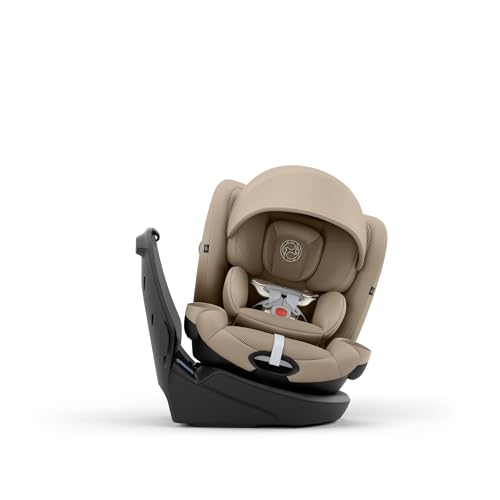
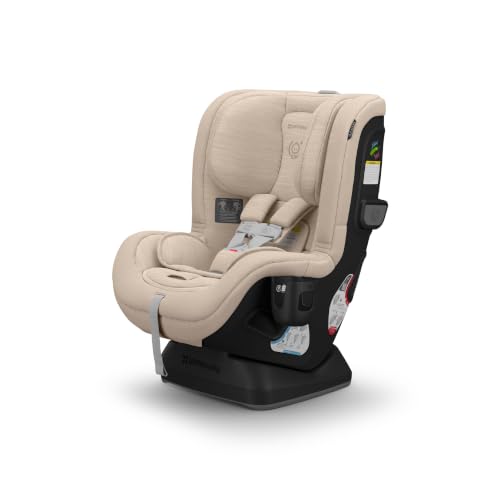
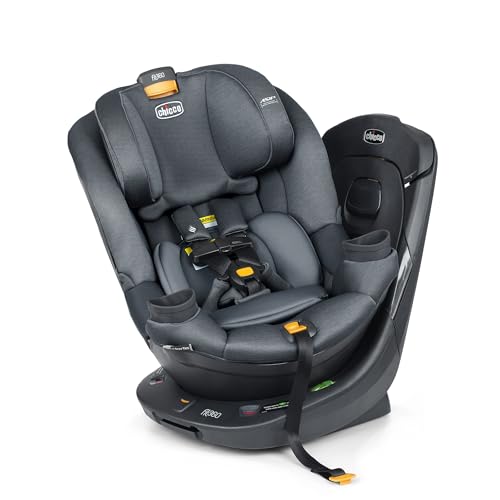
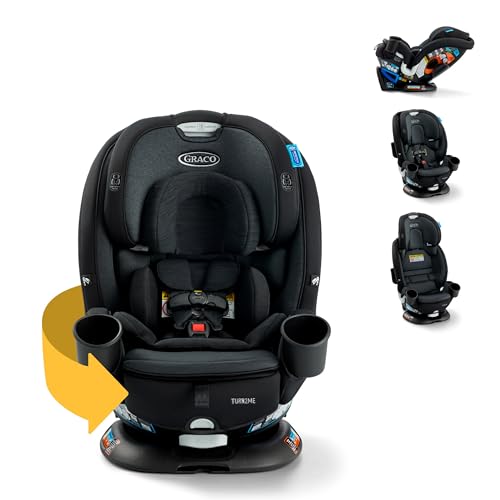
Picking a car seat is one of the most important purchases for a family, and one of the most confusing. There are different types for different ages, many brands, long lists of features and plenty of conflicting advice. The best car seat for you is the one that suits your child's size, fits your vehicle and can be installed correctly every time you drive. The product table above shows a spread of rotating, slim, all-in-one and convertible seats, each of which takes a different approach.
This guide walks through the stages and the checks that will narrow your choice.



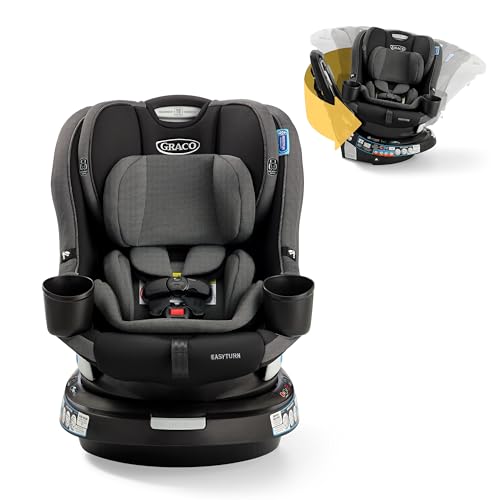
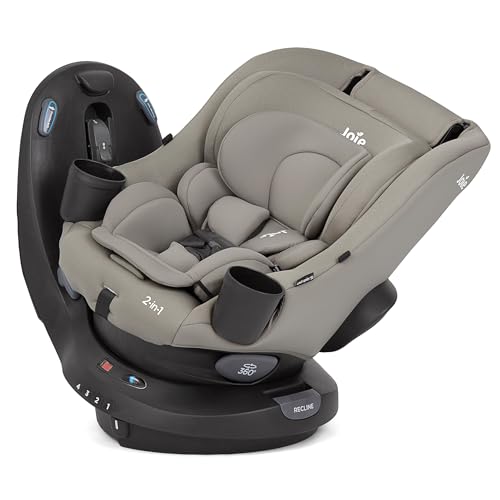
The Stages of Child Seats
Rear-Facing Infant Seats
A small carrier for the first period of life. It clicks into a base, carries the baby and often fits a stroller. It has a weight and height limit that the baby will reach in time.
Convertible Seats
A seat that begins rear-facing and later turns forward-facing with a harness. It stays in the car, supports a baby from the early weeks in many models and lasts for years.
All-in-One Seats
These go through rear-facing, forward-facing with a harness and booster modes, aiming to be the only seat you buy. They are bigger and heavier than basic seats.
Combination Seats
A forward-facing seat with a harness that later converts to a booster for older children.
Booster Seats
High-back and backless seats that raise a child so that the vehicle's belt fits across the shoulder and hips.
Match the Seat to Your Child
Use the label's limits for height and weight and the child's age and development. Do not move a child to the next stage until they have reached the limits of the current one. Keep in mind that your child will outgrow a seat in time, so think about the stages you will need and whether to buy them one at a time or choose an all-in-one.
Check the Fit in Your Vehicle
Even a great seat is only good if it fits your car. Check the vehicle manual for anchor locations and the positions where child seats are permitted. Measure the back seat and compare with the seat's footprint, and consider how many seats you need to fit across. A seat that rocks on a sloped cushion needs adjustments, and a seat that forces the front seat too far forward may need to be replaced.
Installation: Latch or Belt?
Most seats can be installed with Latch connectors or the vehicle belt. Both are acceptable when used as the manual directs, and the best one is the one that gives you a firm install. Latch has a weight limit that includes the seat and the child, so you may need to switch to the belt as the child grows.
Forward-facing seats should use the top tether. A certified technician can check your install.
Features That Matter
- Recline indicators and level guides: help you get the angle right.
- Lock-offs: hold the belt tight without hassle.
- No-rethread harness: easy height adjustment.
- Rotating base: easier loading and unloading.
- Washable covers: a sanity saver.
- Slim profile: helps in tight rows.
Prioritize those that solve problems you have.
Rotating, Slim and Travel Seats
A rotating seat swivels toward the door to ease buckling. A slim seat suits small cars and three-across layouts. A travel seat is light and portable for flights and ride-share. Each type serves a specific need, so choose by the problem you want to solve.
Cost and Value
Price tells you about features and convenience, not the basic standard that all seats must meet. Spend for easy install, long life and comfort that you will use every day. A mid-range seat often gives the best balance, but a good budget seat that you install correctly is a sound choice.
Expiry, Crashes and Used Seats
Seats have a use-by date because materials age and rules change. Replace a seat after a crash, as the maker advises, and do not use a seat with missing parts or an unknown history. Register your seat to get recall notices.
Choosing the Best Car Seat
List your child's age and size, your vehicle and your budget. Pick the type, shortlist two or three seats and check them against your car. Read the manuals online, check the return policy and install the seat before the baby arrives or as soon as it is delivered. Ask a certified technician to confirm.
A Short Shopping Checklist
Before you buy, write down the weight and height of your child, the make and model of your vehicle and the number of seats you must fit in the back. Open the vehicle manual to the page on child restraints and find the Latch anchor map. Check the seat's published limits, its dimensions and the install method.
Read the return policy, and decide who will install the seat and when. If you buy online, plan to open the box and fit the seat right away so that you can return it if it does not fit.
Everyday Habits That Matter
Most problems with car seats come from daily use rather than the seat itself. Tighten the harness so that you cannot pinch the strap at the shoulder, position the chest clip at armpit level and remove bulky coats before buckling. Check the seat's tightness every few weeks, and check the harness height when your child grows.
Keep sharp or heavy objects out of the passenger area. Replace a seat as the maker advises, and never leave a child alone in a vehicle.
Common Mistakes to Avoid
- Moving up too soon: each stage protects best while the child stays within its limits.
- A loose install: the seat should move very little at the belt path.
- Using Latch and the belt together: only if the manual allows it.
- Adding unapproved products: inserts and covers can change how the seat works.
- Ignoring the expiry date: check the label every year or so.
Related Guides
- Best Car Seat For Newborns
- Convertible Vs Infant Car Seat
- Best Rotating Car Seat
- Best Travel Car Seat
- Best Booster Car Seat
Frequently Asked Questions
Which seat is the safest?
All seats sold in the US meet the same federal standard. The safest seat is the one that fits your child and vehicle and is installed correctly.
When should I change to the next stage?
When your child reaches the limits for the current mode, as stated on the seat.
Do I need a new seat for each child?
A seat can be reused if it is within its expiry date, has not been in a crash and is complete.
Can I install the seat myself?
Yes, but a check by a certified technician is a good idea.
The Bottom Line
The best car seat matches your child's stage, fits your vehicle and installs tightly every time. Know the types, check the limits, measure your back seat and use the manual. A good seat is only as good as its use.


