
Best Childrens Bean Bag Chairs in 2026: Which Type Is Right for You?
Disclosure: We may earn a commission when you buy through links on this page, at no extra cost to you. As an Amazon Associate I earn from qualifying purchases. Learn more

Compare childrens bean bag chair types by size, fill, cover and safety, with price bands and sizing help for reading, play and shared family rooms.
Choosing among the best childrens bean bag chairs feels confusing because the shapes look alike while the fill, size and safety details differ a lot. One bag suits a toddler who climbs and sprawls, while another suits an older child who reads for an hour. This guide compares each type clearly so you can match the bag to the child, the room and the way it will actually be used.
Start with the comparison table below, then read the type sections for the trade offs behind each row. Our wider guide to best bean bag chairs covers the shared basics for every age, while this article stays focused on what changes when the seat is sized and built for a child.


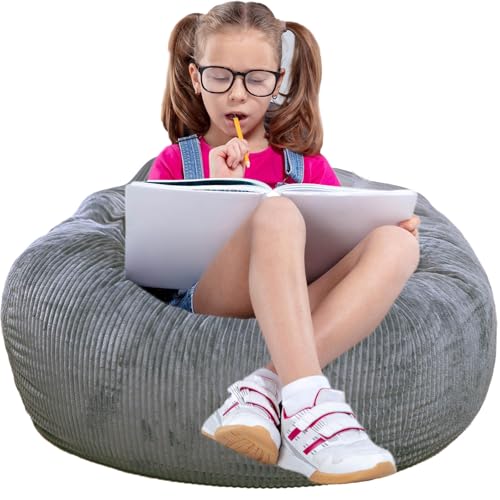

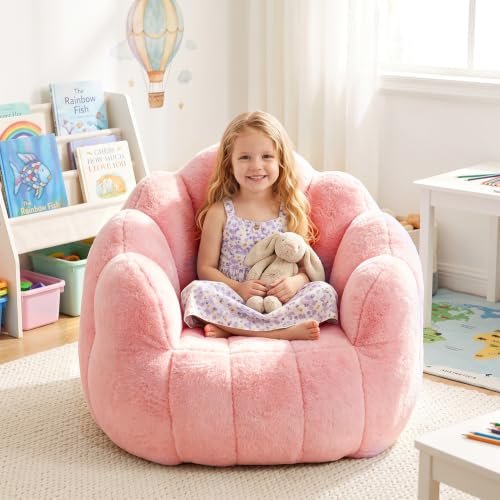


Types of Bean Bag Chairs Compared
Safety comes before style, so read this box first. Loose bead fill is a hazard for small children, plainly stated, because tiny beads can be breathed in or swallowed if a cover opens. The safety facts that matter are a locking or hidden zipper and an inner liner that keeps fill contained even when the outer cover comes off for washing.
A bean bag is also a supervised sitting and play seat, never a sleep place for a baby. Babies and very young toddlers should sit, play and read on a bag only while an awake adult is right there. For sleep, always use a firm flat sleep surface made for infants, and move a sleeping baby off the bag.
The fill is the product, in a real sense. Every bag flattens over time as beads compress or foam settles, and a refill is part of ownership rather than a sign that you chose badly. Bags that open easily for topping up, and sellers that state the fill type and amount clearly, are easier to live with for years.
| Type | Best For | Pros | Cons | Typical Price |
|---|---|---|---|---|
| Structured support models | Reading and longer sitting | Shaped back support, holds a posture friendly shape | Costs more, takes more floor space | about $70 to $140 |
| Plush lounge models | Relaxing, stories and film time | Soft deep sit, generous covers, feels inviting | Less back support, can feel too large for small rooms | about $60 to $130 |
| Simple bead models | Playrooms and tight budgets | Light to move, low price, many sizes | Flattens fastest, needs refills sooner | about $30 to $70 |
Structured Support Models
Structured models use shaped foam inserts or firmer fill zones so the bag holds a seat shape instead of spreading flat. A raised back and a defined seat pocket help a child sit upright for reading, homework or handheld games.
The trade off is bulk and price. These bags take more floor space, weigh more to move between rooms, and suit children who mostly sit in one spot. Choose one when longer sitting comfort matters more than easy carrying, and check that the back height reaches the middle of your child back rather than towering above it.
Plush Lounge Models
Plush lounge models are the soft, deep bags children sink into for stories, films and quiet downtime. They often use shredded foam fill, which feels cloud like at first and molds around the body.
Support is the weak point. A very deep sit can leave younger children slumped, and getting up takes more effort for small legs. This type suits older children and relaxed use rather than upright tasks. Look for a cover that unzips fully, because plush fabrics collect crumbs and need regular washing.
Simple Bead Models
Simple bead models are the classic light bags filled with small polystirene beads. They are cheap, easy for a child to drag to a new spot, and available in the widest range of sizes and colors.
Beads compress faster than foam, so expect the seat to lose height sooner and need a top up earlier. Seams and zipper quality matter most here, because the fill itself is the hazard if it escapes. A double stitched seam, a liner and a locking zipper turn a cheap bag into a much safer one.
Structured Support vs Plush Lounge: Which Should You Choose?
Compare these two types on support first. Structured models hold a child upright with a shaped back, while plush models let the body sink and recline.
Next compare care and space. Plush covers often need more washing and the bags spread wider on the floor, while structured bags keep a tidier footprint but are harder to store. Fill behavior differs too, since shaped foam holds form longer while soft fill needs fluffing after each use. Price overlaps, at about $60 to $140 for either type, so let use, space and care decide rather than price alone.
How to Choose the Right Bean Bag Chair
The product table above gives the type overview. The factors below decide whether a specific bag in that type will suit your child once it is home.
Comfort and Cushioning
Comfort comes from fill density and how the fill moves. Denser foam fill feels firmer and holds shape under a sitting child, while light bead fill feels softer at first but shifts away from pressure points. For longer sitting, a middle ground usually works best, soft enough to welcome a child and firm enough that hips do not sink to the floor.
Ask how the bag feels after twenty minutes, not just in the first minute. A seat that starts cloud soft can end up flat and unsupportive surprisingly fast. If a listing states a foam density or a fill weight, treat that as a useful sign the maker expects you to compare comfort seriously.
Size, Dimensions, and Weight Capacity
Measure the floor spot first, including room for the bag to spread once a child sits and the fill moves outward. Then match bag width to child size, since a bag that is too wide swallows a small child and a bag that is too narrow tips during wriggling. Many makers group sizes by child height, which is a more useful guide than age alone. Read the listed size as the filled size, measured with the fill inside and settled, because an empty cover laid flat always measures larger and tells you little.
Check the stated weight capacity with some margin for growth and for two siblings squeezing in together. A bag bought exactly at the limit today may feel strained within a year. Leave space in the budget and the room for the next size up, because children outgrow these seats faster than most furniture.
Build Quality and Cover Strength
Build quality for a bean bag means seams, zippers and fabric, not a frame. Look for double stitched seams that can take climbing, dragging and the occasional jump. The zipper should lock, hide inside a flap, or need a tool or a paperclip style pull to open, so curious fingers cannot open it during play.
Cover fabric decides how the bag ages. Tight weave fabrics resist bead leaks and wipe clean more easily, while soft plush fabrics feel nicer but show wear sooner. A removable cover over a separate liner is the strongest setup, because washing never exposes loose fill and a worn cover can be replaced without replacing the whole bag.
What Kids Should Look For
Children judge a bag by whether it feels like theirs. A seat they can move alone, climb into without help and arrange with cushions for a den or a reading corner will get used daily. Weight matters here, so a light bead bag may beat a heavier foam bag for a child who likes to rearrange the room.
Ease of getting up matters too. Very deep, very soft bags can trap smaller children in a happy but frustrating slump when they want to move on. If your child has any mobility, balance or muscle strength concern, choose a firmer and higher seat, and talk with their clinician about suitable sitting support for longer periods.
Shape Support and Adjustability
On a bean bag, adjustability means fill amount rather than levers or locks. Adding fill raises the seat and firms the back, while removing a little fill lets an older child sink deeper. A bag that opens safely for refills, with a liner that keeps fill contained during the job, gives you that control for years.
Back support depends on shape as much as firmness. A bag with a defined back section supports reading posture better than a round bag that rolls the shoulders forward. Arm support is rare on these seats, so for longer reading sessions place the bag near a wall or sofa side that gives elbows somewhere to rest.
Picking the Right Bean Bag Chairs for Different Uses
Reading corners reward structure and a higher back, playrooms reward light weight and washable covers, and shared family rooms reward a size that does not dominate the floor. Our guides to best bean bag chairs for teens and best bean bag chairs for adults show how sizing and support change for older users. Buying for the next two years of growth, rather than for today alone, usually gives the best value.
Best Animal Childrens Bean Bag Chairs
Animal shaped bags add ears, faces or a full creature shape that turns a seat into a play companion. Judge them by the same safety and fill rules as any other bag, because the cute shape does not change what is inside. Check that added parts such as tails, ears and horns are stitched firmly, with no small detachable pieces for younger children.
Shape can steal sitting space. A large animal head or tail may look generous while leaving a smaller usable seat than a plain bag of the same width. Compare the actual seat area, confirm the zipper still locks under the shaped cover, and favor designs where the animal cover removes for washing like a standard cover.
Care and Maintenance Tips
Fluff the bag after use so fill spreads evenly and the seat keeps its height. Shake foam filled bags outdoors or over a sheet, since loose crumbs of foam and dust collect inside covers over time.
Wash removable covers as the label directs and let them dry fully before refitting, so trapped moisture cannot make the fill smell. When the seat height drops and fluffing no longer restores it, plan a refill rather than replacing the whole chair.
Refill choice changes feel, so read our guides to the best filling for bean bag chairs and the best stuffing for bean bag chairs before ordering more fill. Add fill in small amounts inside a bath or a large bag to contain stray beads, reseal the liner fully, and store leftover fill locked away from young children.
FAQs: Questions Answered
What makes bean bag chairs for kids different from adult sizes?
Child sizes differ mainly in seat height, width and safety detailing rather than in basic construction. A lower seat lets short legs reach the floor, which helps balance when climbing in and out. Makers also tend to hide zippers more carefully on child models, and the covers use brighter fabrics that forgive marks. One point parents miss is that a child bag placed in a corner against a wall gains free back support, whatever its shape.
What features matter most for long reading sessions?
A defined back section and a seat that stays firm after twenty minutes matter most for long reading sessions. Light weight fill that keeps shifting will slowly tip a book reader sideways. Add a small cushion behind the lower back if the bag is round, and place a low stool nearby for feet. A clip on reading light with a covered battery pack is a safer add on than a hot lamp balanced on the bag.
How long should a good bean bag chair for a child last?
A good child bean bag should last about three to five years of regular use before the cover or seams wear out. The fill will need topping up well before that, often within the first year for bead models. Foam models hold height longer but can develop a permanent dip where a child always sits. Rotating the bag so different sides take the sitting load spreads that wear and can add a full season of use.
How do I choose the right bean bag size for my child?
Choose the size by child height and by whether feet can rest flat while seated. Sit your child against a wall, measure the floor space their crossed legs and leaning back actually use, and compare that with the bag width once sat on, not its shelf width. Bags spread wider in use than listings suggest. If your child is between sizes and growing fast, the larger size with a little fill removed usually serves longer.
Is an expensive bean bag chair for kids worth paying for?
Paying more is worth it mainly when the extra money buys a liner, a locking zipper and a replaceable cover. Those three details decide safety and lifespan far more than decorative stitching or a licensed character print. Expensive bags with sealed covers you cannot open are harder to refill and can be worse value. If budget is tight, a simple bead bag with a strong liner beats a plush sealed bag at twice the price.
Wrapping Up
Type, safety detailing and size decide most of your satisfaction. Choose structure for longer sitting, plush softness for relaxing, and a light bead bag for play, then confirm the locking zipper, the liner and a seat size with room to grow. The product table above pulls those trade offs together in one place.
For most families, the best childrens bean bag chairs are simply the ones whose fill stays contained, whose seat still feels supportive after a refill, and whose cover survives regular washing. Match the type to the longest daily use, keep sleep on a proper sleep surface, and the bag should earn its corner of the room for years.


