
Best Arm Workout with Kettlebells in 2026 at Every Price: What Your Money Really Gets You
Disclosure: We may earn a commission when you buy through links on this page, at no extra cost to you. As an Amazon Associate I earn from qualifying purchases. Learn more

Compare the best arm workout with kettlebells at every price point. Learn what you get at budget, midrange, and premium levels and where spending more pays off.
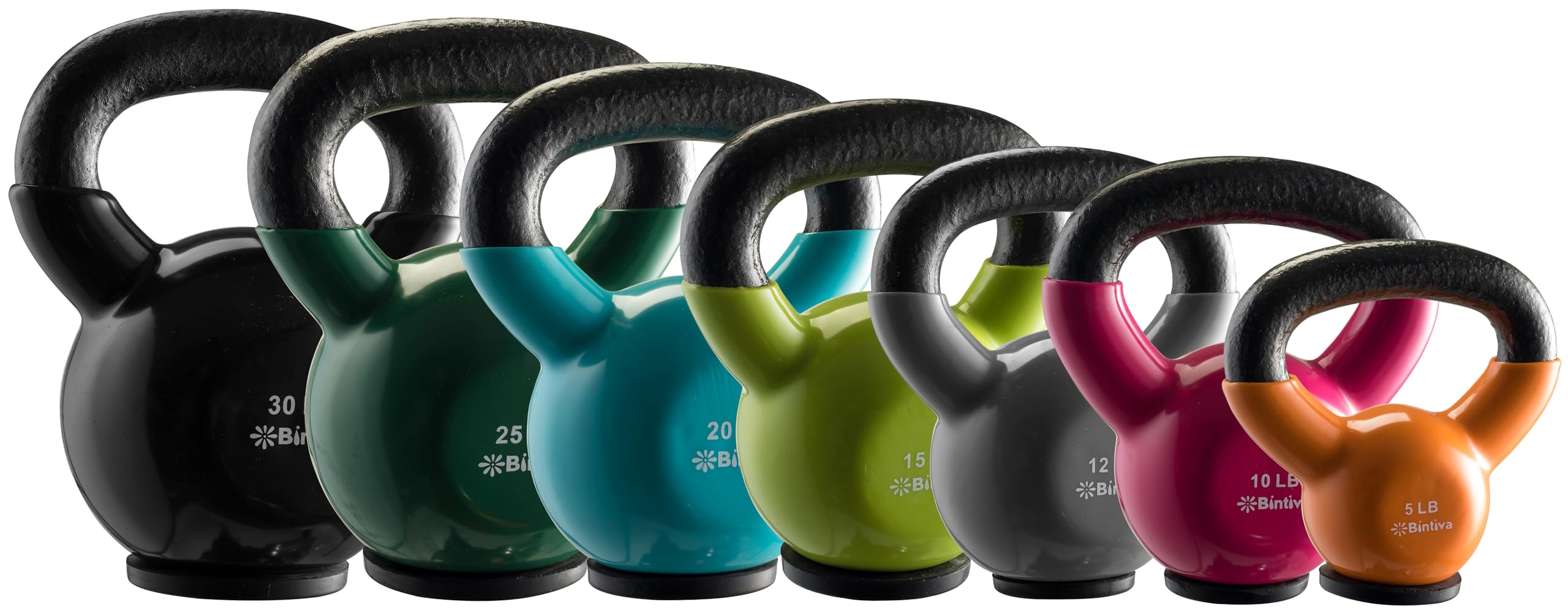
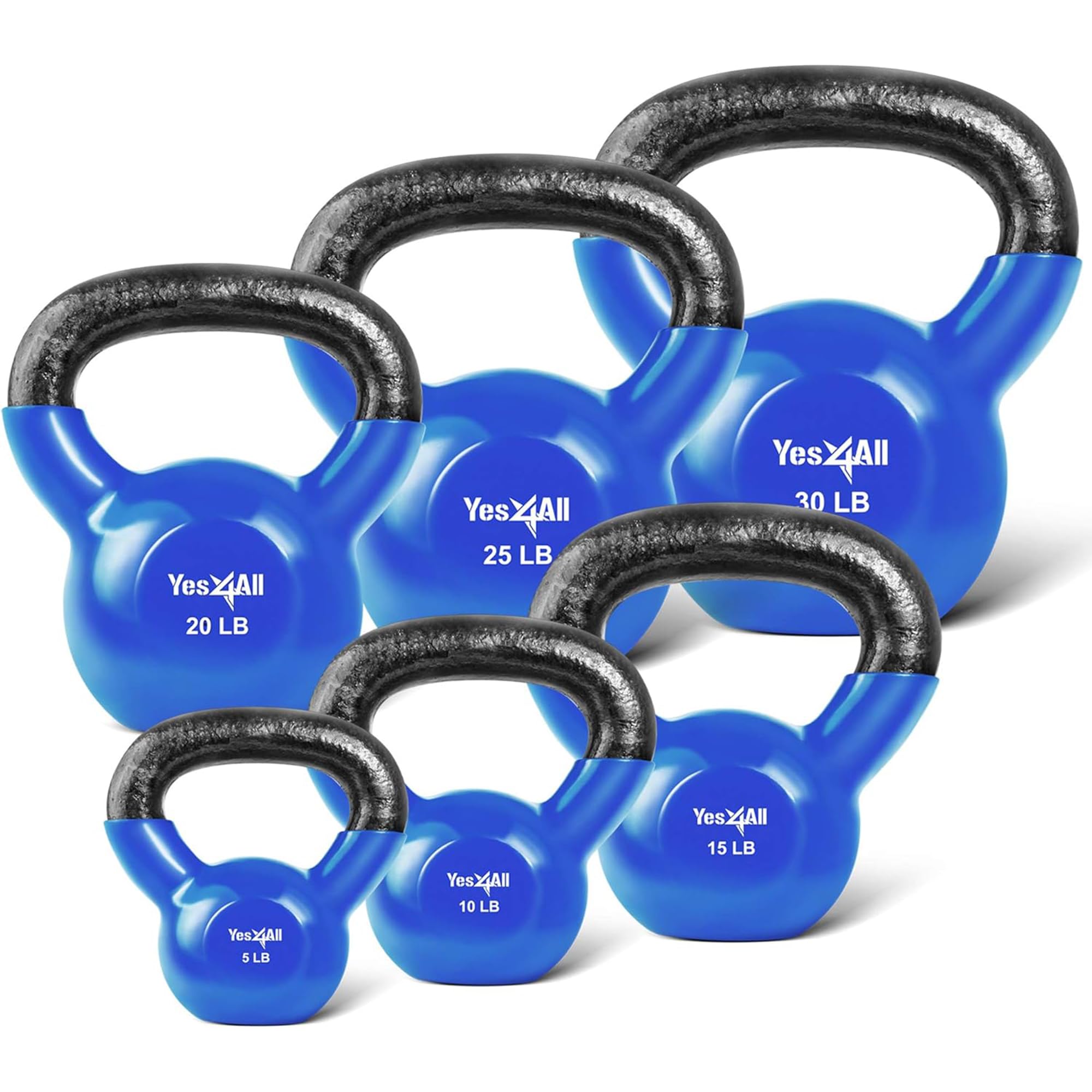
Kettlebells can cost about $25 for a small basic bell or well over $200 for a competition or adjustable model. The best arm workout with kettlebells starts with the right load and a handle your hand can hold with control, not with the most expensive bell. Use the comparison table below to match weight, build and price to the moves you plan to do.
This guide uses price tiers to show what extra money buys, then covers starting weight, grip, bell shape and form. You will also get a session plan for biceps, triceps and forearms, plus the mistakes that slow progress.




Who Should Train Arms with Kettlebells?
New Lifters Learning the Basic Positions
Your arms tire before your technique feels stable. Start with one light bell you can press and curl with strict form, and spend on nothing else at first. Learn the rack position and the halo first, and see our guide to the best kettlebells workout for the wider set of foundation moves.
Experienced Lifters Who Want More Grip Work
You already train and you want load that challenges your grip as much as your biceps. A heavier bell for carries and presses, plus a moderate bell for curls, beats one middle weight for everything. You will notice handle finish more, since a slipping grip can end a set before your arms tire.
Home Lifters with Room for One or Two Bells
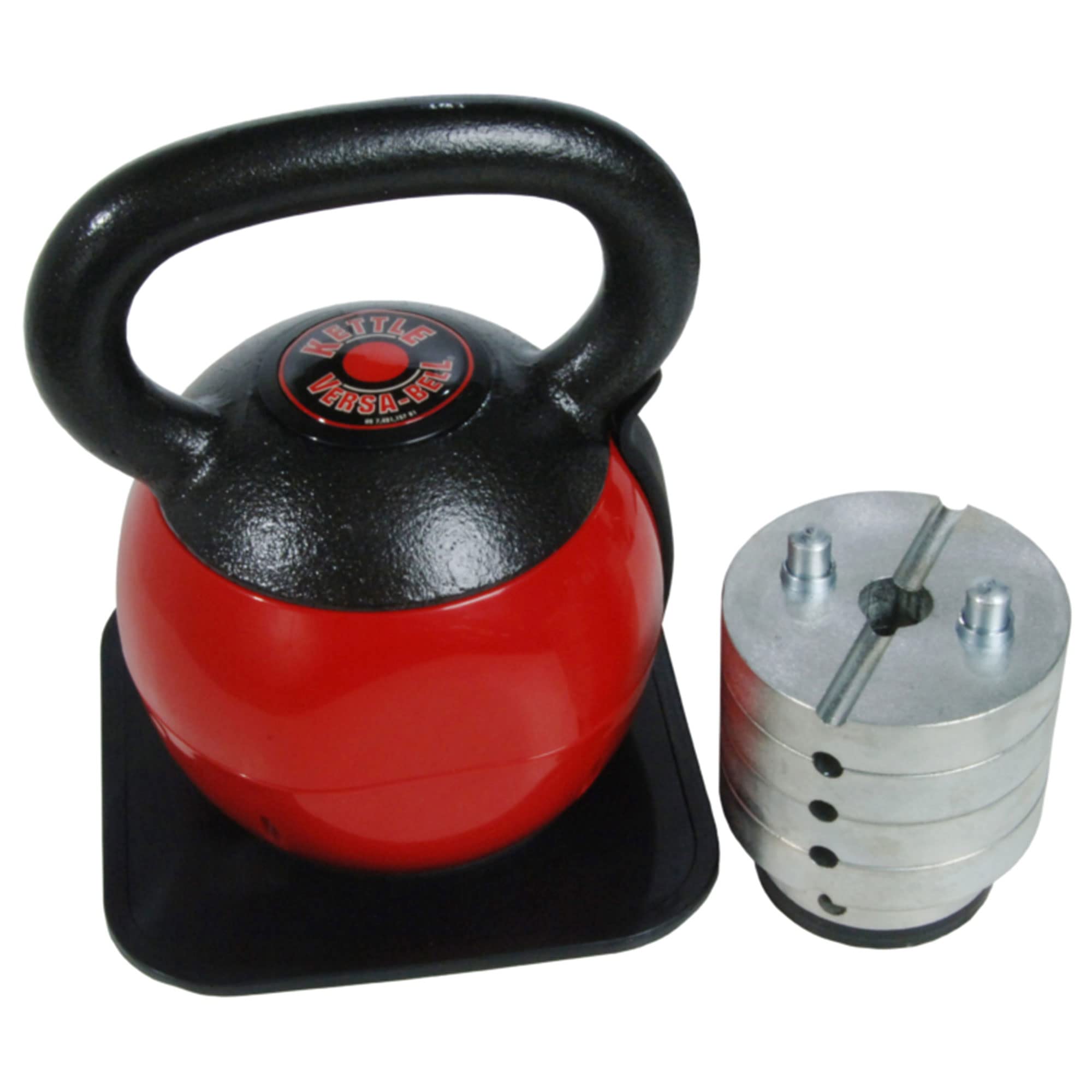
You have room for a mat and little else, so a rack of fixed bells is not realistic. One adjustable bell or two fixed bells can cover curls, presses, extensions and carries. Check the total cost against fixed bells, because adjustable value depends on how many jumps you truly use.
Kettlebell Price Tiers for Home Arm Training
Prices below use a bell of about 16 kg as the example, since heavier bells cost more at every tier.
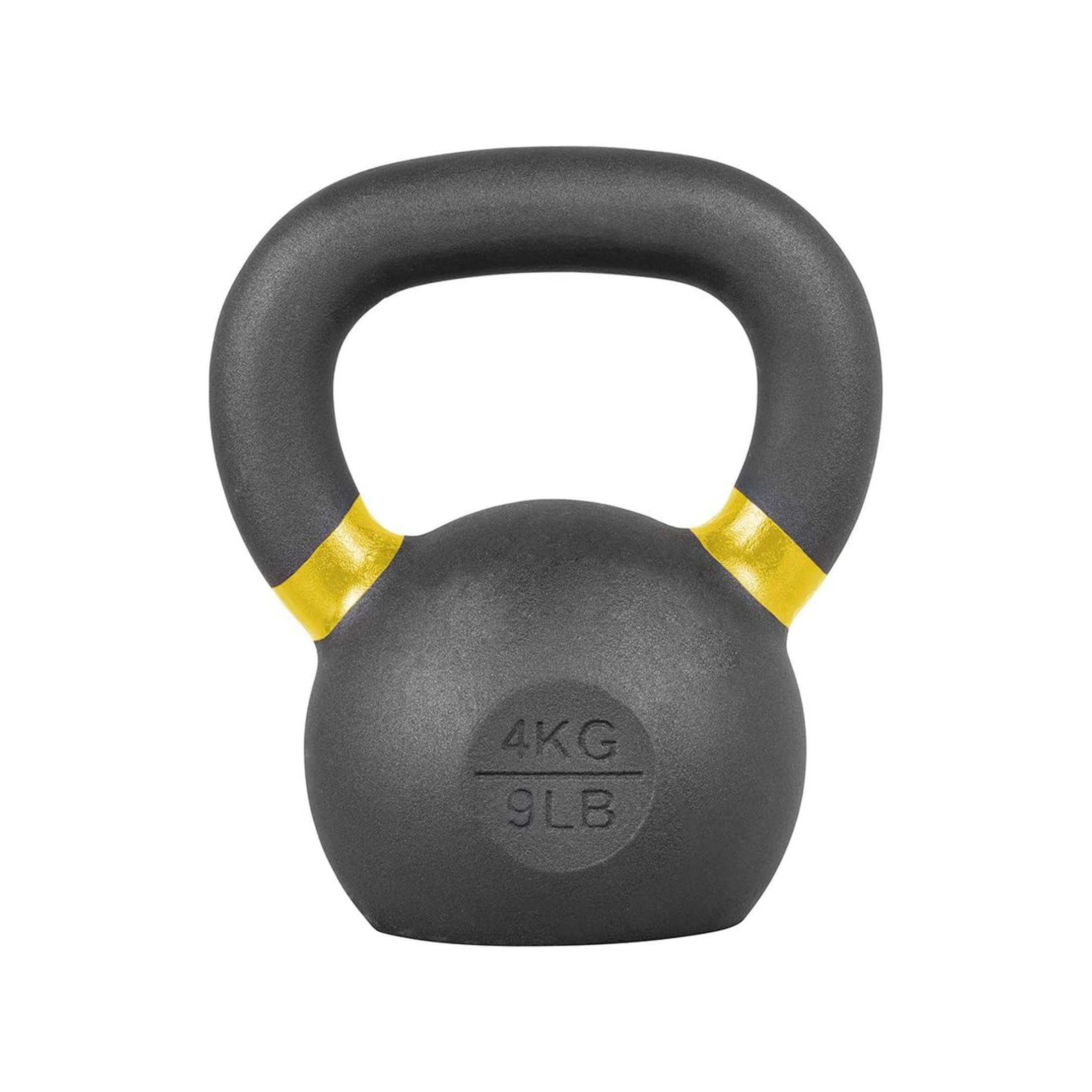
Budget Bells: Plain Cast Iron for the Basics
Around $35 to $60 often buys a single cast iron bell with a basic black finish and wide weight jumps between sizes. That is enough for curls, floor presses and carries while you learn. The tradeoffs are a rougher handle, less even coating and fewer small sizes, so your next jump in load may feel large.
Midrange Bells: Smoother Grip and Closer Steps
About $65 to $110 often buys a powder coat finish that holds chalk well and more sizes in small steps. This is where most home lifters get strong value, because grip and load choice affect every set. You are paying for control and easier progression.
Premium Bells: One Shape at Every Weight
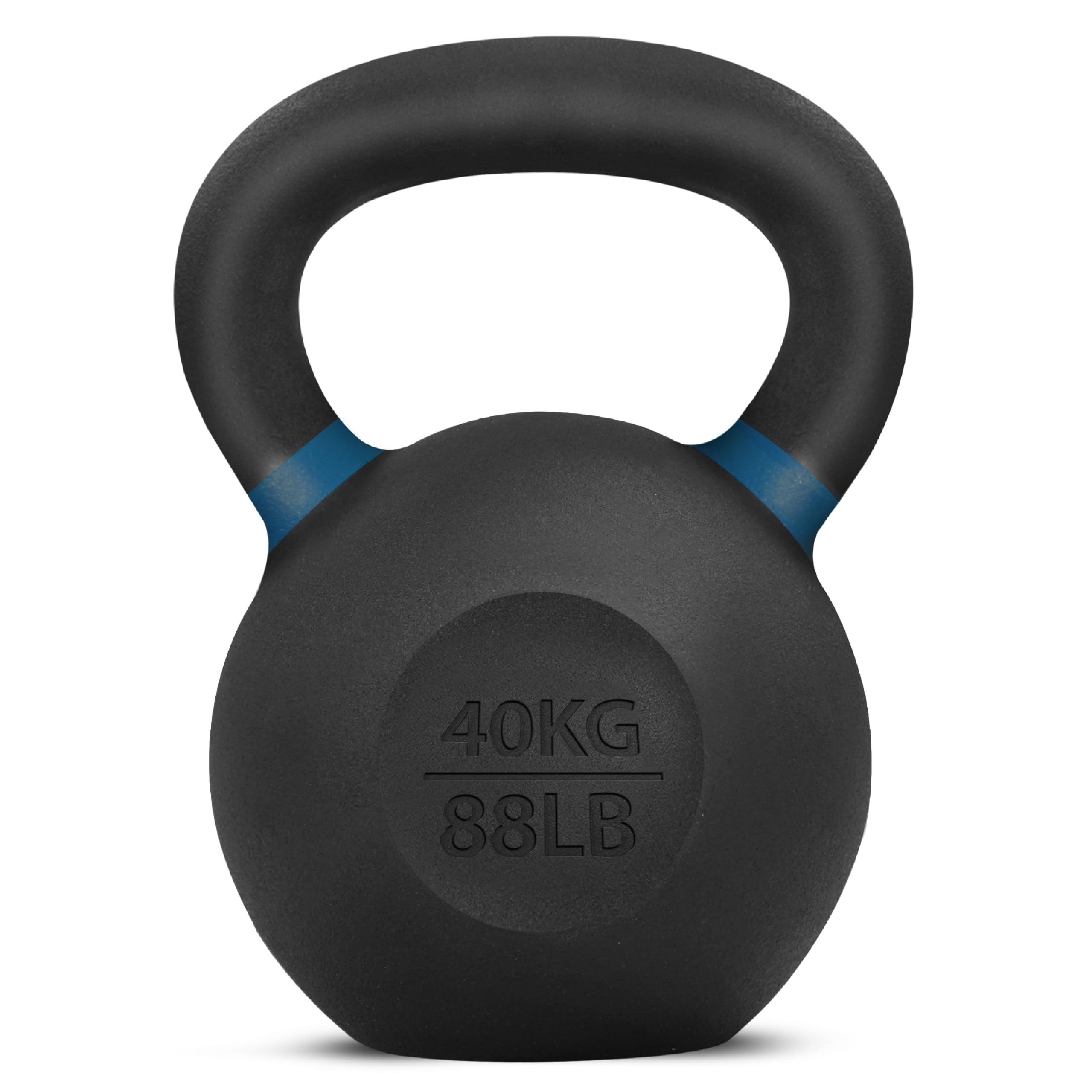
About $110 to $180 often buys a competition style bell with the same shell size and handle at every weight, which keeps your rack position identical as you get stronger. Adjustable models at about $180 to $300 replace several fixed bells. Premium money pays off only if you train often enough to feel those refinements each week.
Key Features to Compare
Starting Weight and How Weight Jumps Work
Choose a bell you can curl with strict form for about 6 to 10 reps and press for about 5 to 8 reps, because one bell must serve both jobs at first. Many new lifters start around 8 to 12 kg, while stronger lifters may start around 14 to 20 kg. Weight jumps of about 2 to 4 kg keep progress steady and protect your form.
Handle Diameter, Window Size and Grip Finish
The handle matters more than paint or logos, because you touch it on every rep. Handles around 33 to 35 mm suit most adult hands, while much thicker handles tire the grip early. The window is the open space inside the handle, and it should clear your fingers in the rack position. A matte powder coat finish holds chalk and resists rust, while a very smooth finish can turn slick with sweat.
Bell Shape, Material and Coating
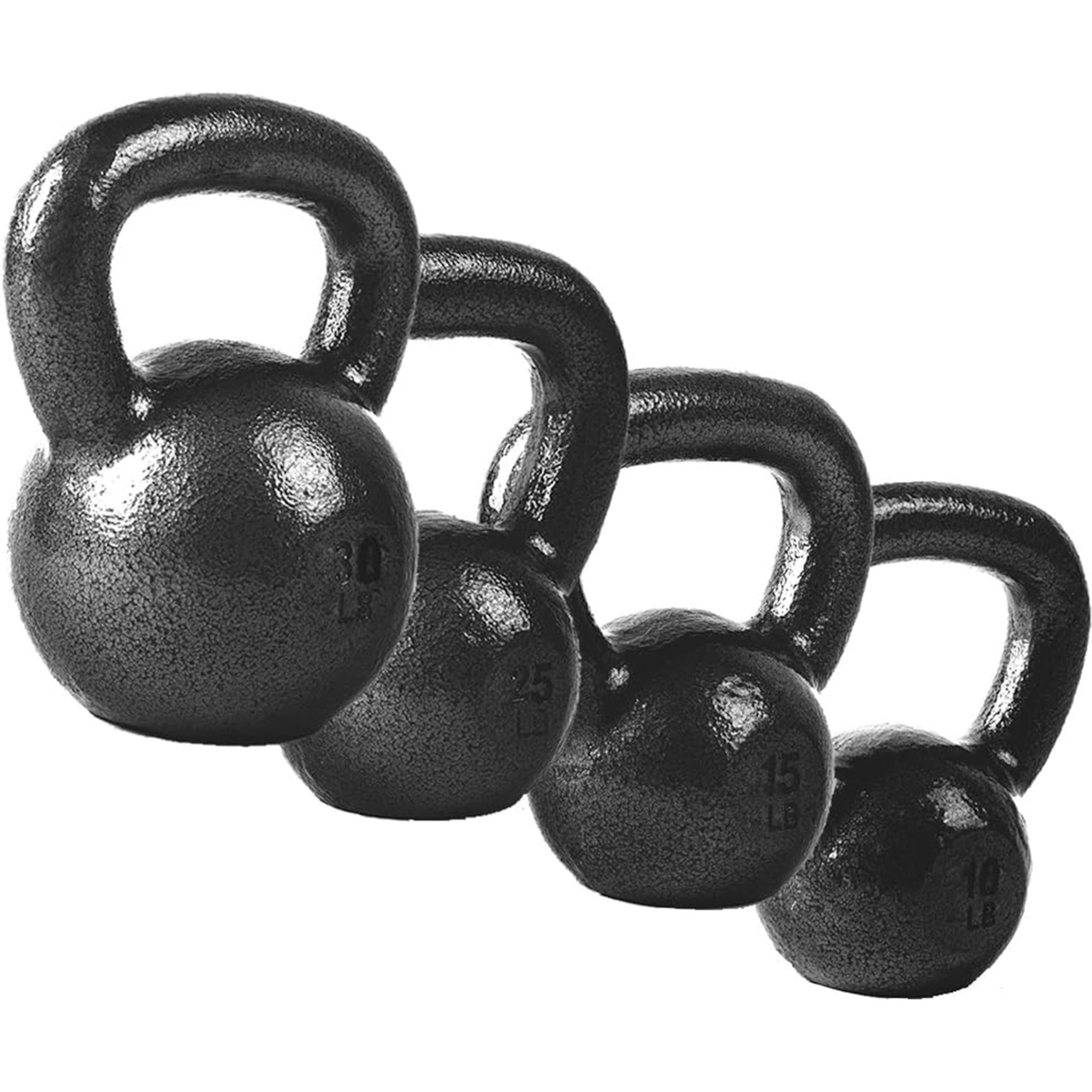
Cast iron bells grow larger as weight rises, so a heavy bell sits differently on your forearm than a light one. Competition bells keep one shell size at all weights and use a steel shell, which helps when you own several weights. For arm work, choose the shape that lets the bell rest calmly on your forearm without pressing a sharp edge into the skin.
Wrist Position, Rack Position and Elbow Path
Keep your wrist straight and your knuckles facing the ceiling in the rack position, with the bell resting across the back of your forearm. Let the handle roll around your hand as you press, instead of flipping over the top, and keep elbows close to your ribs during curls. Stop training and seek medical care if you feel sharp joint pain, numbness, sudden swelling or a sudden loss of strength, and talk with your clinician about personal needs if you have a wrist, elbow or shoulder condition.
Putting the Moves Together in One Session
A Sample Arm Session with Kettlebells
Start with the floor press for the triceps, then move to strict curls for the biceps. Follow with an overhead extension, which loads the triceps with your arms raised, and a slow halo, which trains the shoulders, grip and forearms as the bell circles your head. Finish with a farmer carry, holding a heavy bell at your side while you walk tall.
Use about 3 to 4 sets of 6 to 12 reps for most moves, resting about 60 to 90 seconds between sets, and stop each set when form slips. Our guide to the best arm workout sets and reps explains how to adjust those ranges for strength or for higher reps. If you want a second pressing day each week, our guide to the best chest workout with kettlebells pairs well with this session.
A Simple Session Plan You Can Repeat
Write your weights and reps down after each session, because progression needs a record. That record is what makes the best arm workout with kettlebells progressive instead of random. Repeat the plan once or twice each week.
- Floor press: 4 sets of 6 to 10 reps.
- Strict curl: 3 sets of 8 to 12 reps.
- Overhead extension: 3 sets of 8 to 12 reps.
- Halo: 2 sets of 5 slow circles in each direction.
- Farmer carry: 3 walks of about 30 to 45 seconds per side.
On a rest day between arm sessions, light core work keeps the week balanced without taxing your grip, and our guide to the best ab workout with kettlebells gives you a short option. Increase only one thing at a time, either reps, sets or weight.
Common Mistakes to Avoid
Most setbacks come from load choice and patience, not from the bell itself.
- Swinging the bell up during curls shifts work from your biceps to your hips and strains your lower back.
- Starting with a bell that is too heavy bends your wrist back and turns controlled arm work into joint stress.
- Training only curls leaves your triceps undertrained and limits both arm size and pressing strength.
- Training arms hard every day gives your grip and elbows no recovery time, so progress stalls and aches build.
- Letting the bell flop onto your forearm during a press bruises the arm and makes the next set harder to control.
Care and Maintenance for Your Kettlebells
Wipe sweat from the handle and shell after each session, and brush loose chalk out of the grip. Store bells dry and indoors, off bare concrete if you can, since damp floors invite rust on any chipped spot.
Check the handle now and then for sharp burrs or deep chips, and stop using a bell that has a crack. Touch up a small bare spot with paint meant for metal if rust starts, and let it dry fully before training.
Frequently Asked Questions
How heavy should a kettlebell be for curls and presses?
A kettlebell for curls and presses should let you finish strict reps with your weaker side, not only your stronger one. Try both arms and buy for the side that struggles first, because most people have a clear strength gap. You can close that gap by starting each set with the weaker arm.
How often should you train arms with kettlebells each week?
Most lifters should train arms with kettlebells twice each week, with at least one full day between sessions. Use daily tasks as a gauge, since grip that still feels weak when you carry groceries or open jars means you need more rest. A third light session can work later, once soreness fades within a day.
Can kettlebells build biceps and triceps without dumbbells?
Yes, kettlebells can build biceps and triceps without dumbbells, because the offset handle shifts the load and makes your forearms work to control each rep. The bell hangs below your hand during curls, so tension stays on the arm through more of the lift. Lower each rep slowly for about three seconds to add work without more weight.
Should you train with one kettlebell or a pair for arm sessions?
One kettlebell is enough for most arm sessions, and it costs far less than a matched pair. A single bell also reveals strength differences between sides, since each arm must work alone. A pair earns its cost only when you plan double presses or double carries often.
Why does a kettlebell bang the forearm during a press?
A kettlebell bangs the forearm during a press when the bell flips over the top of your hand instead of rolling around your wrist. Practice with a light bell near a wall, which forces a straighter path and gives instant feedback. A soft wrist band can cushion contact while you learn, but treat it as a short term aid rather than a fix.
Our Verdict
Spend first on the right starting weight and a handle finish you can hold, then on closer weight jumps as you progress. One good bell and a written plan beat a large set you rarely touch. Check weights, handle size and price in the product table above before you order.
When the load, grip and session plan fit your level, the best arm workout with kettlebells becomes a small home routine you can repeat and progress for months.


