Best Chemical Resistant Boots: A Buyer Checklist for 2026
Disclosure: We may earn a commission when you buy through links on this page, at no extra cost to you. As an Amazon Associate I earn from qualifying purchases. Learn more

Compare the best chemical resistant boots by material, boot height, sole grip, and fit, with a simple checklist for safer work around chemicals.
Work around acids, solvents, fuels, fertilizers, and strong cleaning agents leaves no room for guesswork in footwear. The best chemical resistant boots for you depend on which chemicals you handle, how long each shift keeps you in them, and whether you face splashes, puddles, or full washdown work. A boot that shrugs off one substance can soften or crack when exposed to another, so the label alone never tells the whole story.
This guide walks through a simple buyer checklist covering materials, fit, sole grip, and care, so you can match a boot to your actual exposure before you order. Use it alongside the comparison table below, and always check the safety data sheet for each chemical you use, because that sheet and your employer safety rules set the real standard for protective footwear on your site.
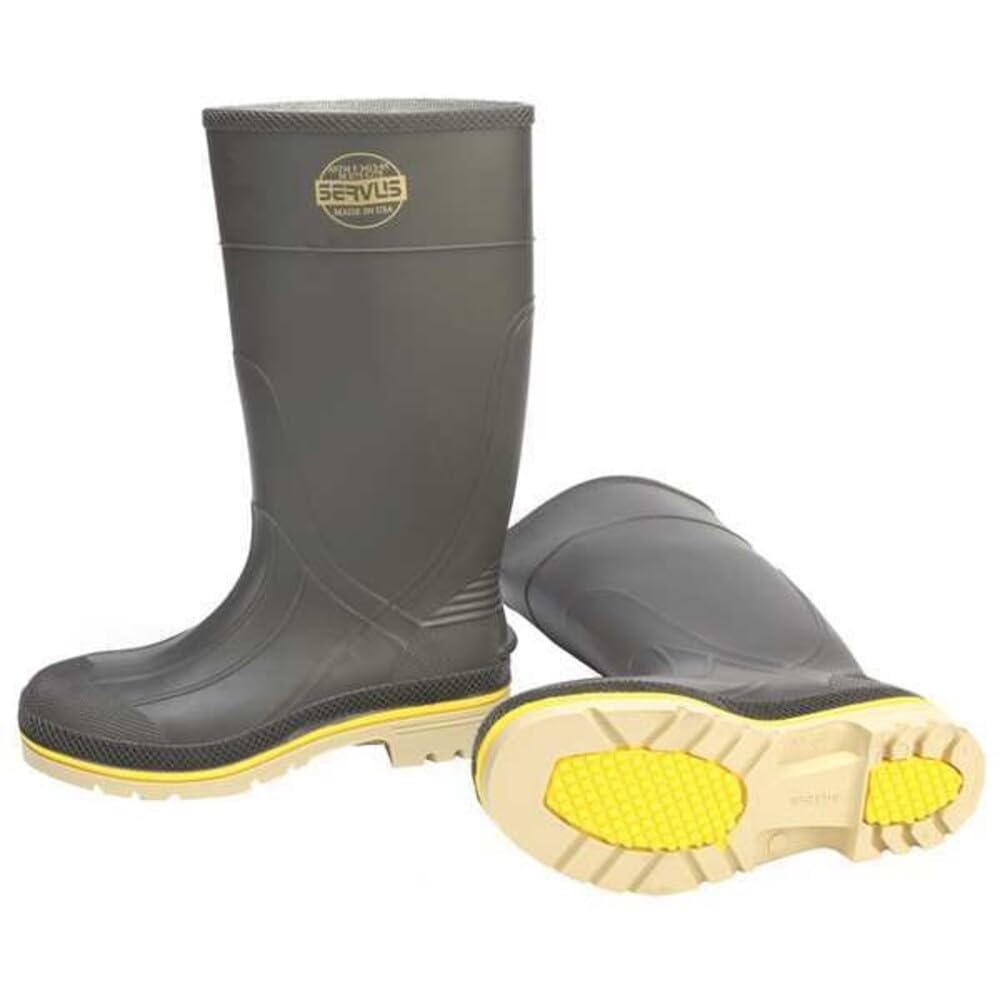


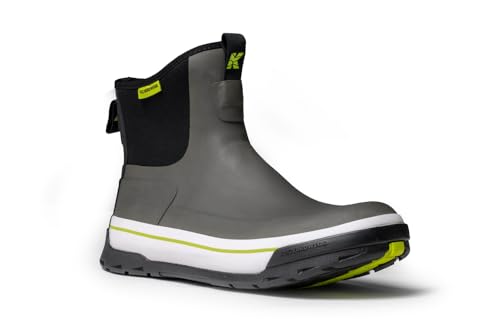

The Buyer Checklist: What to Compare First
Start by listing the chemicals you handle most often, then judge every boot against that list rather than against a general promise of resistance. A strong choice pairs an upper material proven against your substances with a sole that grips your floors, a fit you can wear for a full shift, and construction with no weak seams. If your job falls under formal workplace protective equipment rules, see our guide to the best chemical resistant work boots for the work focused version of this checklist.
Fit, Sizing, and Toe Box
Measure your feet late in the day, when they are at their largest, and try boots on with the thick socks you actually wear at work. Your toes should move freely inside the toe box without pressing the front, and your heel should stay seated when you walk and climb. If you wear a safety toe version, confirm the cap leaves room above your toes rather than resting on them. Shoppers between sizes usually do better sizing up and adding an insole, because swollen feet in a tight chemical boot quickly turn into blisters and numb toes.
Upper Materials and Chemical Resistance
Solid rubber, PVC, and neoprene uppers form the real barrier in most chemical boots, and each compound resists a different family of substances. Rubber handles many acids and cleaning solutions well, PVC stands up to a wide range of industrial chemicals and animal fats, and neoprene copes well with oils and many solvents. Leather, mesh, and knit uppers absorb liquid and belong only in light splash settings at most. A waterproof breathable lining such as Gore Tex can add comfort, but it never proves the outer material resists your chemicals, so judge the shell itself first.
Arch Support and Foot Type
Long shifts on concrete punish weak arch support, so look inside the boot before you judge the outside. Flat feet usually need a firmer arch and a stable heel seat to limit inward rolling, while high arches do better with more padding under the arch and forefoot. Many chemical boots ship with thin basic insoles, so a removable insole you can swap for a supportive aftermarket pair is a real advantage. If foot pain builds through the week or you have a diagnosed foot condition, talk with your clinician about the support level that suits your feet.
Cushioning and Support
Cushioning matters most where you stand still for long stretches, such as mixing stations, packing lines, and laboratory benches. A thicker midsole softens each step and reduces pressure under the heel and ball of the foot, while a modest heel to toe drop keeps your stance natural on flat floors. Pure softness is not the goal, because a boot that feels wobbly on wet grating or ladder rungs trades comfort for stability. Aim for a balance: enough padding to finish a shift without sore joints, on a platform that still feels planted when you turn or carry a load.
Weight and Flexibility
Tall rubber and PVC boots weigh more than ordinary work footwear, and that extra weight shows up as tired legs by mid afternoon. Shorter shaft heights and lighter compounds suit splash work where deep coverage is unnecessary, while tall boots earn their weight in washdown and immersion jobs. Flexibility at the forefoot matters too, because a sole that bends where your foot bends makes kneeling, climbing, and driving far less awkward. When two boots offer similar resistance ratings, the lighter and more flexible pair is usually the one you will still be wearing properly at the end of the week.
Outsole Traction and Terrain
The outsole has to grip floors that are wet, oily, or coated with residue, and it has to keep gripping after repeated chemical contact. Look for wide lug patterns that shed liquid and mud instead of packing flat, and check that the sole compound is rated for oils if your floors carry grease. A sole that swells or hardens after exposure loses traction fast, which is why sole resistance deserves the same attention as the upper. For a deeper look at grip patterns and compounds, see our guide to the best slip resistant boots and compare its advice with your floor type.
Matching the Boot to Your Exposure
Resistance ratings vary by chemical, so matching a boot to your exposure matters more than chasing a generic top rating. Work through the three exposure patterns below and note which one sounds like your week. The right height, material, and sole follow naturally from that answer, and the product table above can then confirm the details for any boot you are considering. This approach narrows a long list of the best chemical resistant boots down to the few pairs that genuinely fit your site.
Splash Work and Light Spraying
If your contact comes from mixing, pouring, and spraying, a mid height boot with sealed seams and a solid rubber or PVC upper usually gives enough coverage. The main risks are drips running down into the shaft and residue sitting on the surface between tasks, so a smooth upper you can rinse clean matters more than extreme height. Gardeners, pest control staff, and janitorial crews often land in this group. If spraying is your main task, see our guide to the best chemical sprayers for the equipment side of the job.
Immersion and Washdown Work
Standing in liquid or hosing down floors, tanks, and pens calls for a tall boot, often knee high, with no lace holes or stitched seams below the top line. Every opening is a path for liquid to reach your socks and skin, so pull on styles with a snug top band are the safer pattern here. Food processing, dairy work, and chemical plant washdown crews typically need this level of coverage. Check that the shaft height clears the deepest liquid you stand in, with room to spare when you bend or step up.
Sharp Debris and Sole Hazards
Some sites combine chemicals with sharp hazards underfoot, such as scrap metal, broken glass, nails, and coarse grating. In that setting the sole needs puncture protection built in, often a steel or composite plate, and the upper needs enough thickness to shrug off cuts that would open a path for liquid. A safety toe may also be required where heavy items can drop. If puncture risk is a daily concern on your site, see our guide to the best puncture resistant boots for the sole construction details that matter most.
Quick Buyer Checklist
Run through these questions before you order, and treat any no answer as a reason to keep looking.
- Does the maker list resistance against the exact chemicals named on your safety data sheets?
- Is the upper a solid barrier material such as rubber, PVC, or neoprene rather than leather or fabric?
- Does the shaft height clear the deepest splash or liquid you expect, with room to spare?
- Are the seams sealed or molded, with no lace holes or stitching below the top of the boot?
- Does the sole compound resist the oils and chemicals on your floors and still grip when wet?
- Can you remove the insole and replace it with one that matches your arch support needs?
- Does the fit leave toe room with your work socks while keeping your heel seated?
- Does the seller state a clear return option if the size or shaft height feels wrong?
Red Flags to Watch For
Weak chemical boots often reveal themselves in the listing long before they fail on your feet. Watch for these warning signs while you compare options in the product table above.
- The listing claims resistance to all chemicals without naming any, which means no specific evidence backs the claim.
- No standard, test method, or resistance chart is mentioned, so you cannot match the boot to your safety data sheets.
- The upper is described as coated fabric or treated leather for heavy chemical work, and coatings wear through quickly.
- The price sits far below comparable boots with no explanation, which often signals thin material and weak seams.
- Reviews mention swelling, cracking, or sticky surfaces after light use, all early signs of chemical attack on the compound.
Care and Maintenance for Chemical Boots
Rinse your boots with clean water after every shift that involves chemical contact, because residue left sitting on rubber or PVC keeps attacking the surface long after you clock out. Wash with mild soap when grime builds up, then let the boots air dry at room temperature away from direct heat, since heaters and strong sun can harden and crack the compound. Store them upright in a cool, shaded place so the shafts keep their shape and the material stays flexible.
Inspect the uppers and soles weekly for swelling, soft spots, cracks, cuts, and areas that feel sticky or look discolored, because each of those changes means the barrier is breaking down. Stop wearing a boot with any of those signs in chemical areas, since a failed barrier can hold contaminated liquid against your skin. If you notice burning, itching, or a rash on your feet or lower legs after a shift, remove the boots, wash your skin with clean water, and seek medical care promptly, and report the exposure to your workplace safety lead.
FAQ
How should chemical resistant boots fit?
Chemical resistant boots should fit snugly at the heel and instep with clear space in front of your toes. A useful extra check is to stand on one foot and shift your weight, because your foot should not slide forward inside the boot. If you plan to add thicker orthotic insoles, bring them to the fitting, since they raise your foot and can make a safety toe cap feel lower than it did with the stock insole.
How long is the break in period for chemical resistant boots?
The break in period for chemical resistant boots is usually short, often just a few shifts of regular wear. Rubber and PVC shafts soften slightly with body heat and movement, but they never stretch the way leather does, so a boot that pinches on day one will likely keep pinching. Wear a new pair around the site on light duties first, and check your heels and the tops of your feet for hot spots before committing to a full heavy shift.
Do chemical resistant boots need to be waterproof?
Yes, chemical resistant boots need to be fully waterproof, because any path that lets water in will also let diluted chemicals reach your skin. The difference lies in the barrier material and seam construction rather than in a waterproof label alone. If your work involves only rain and wet ground without chemicals, see our guide to the best water resistant boots for lighter options built for weather rather than chemical exposure.
How often should I replace chemical resistant boots?
You should replace chemical resistant boots as soon as inspection shows swelling, cracks, soft spots, or worn smooth soles, regardless of age. One habit that helps is keeping a simple log of the hours each pair spends in heavy exposure work, because a boot used daily in strong chemicals can reach the end of its safe life in months while a lightly used pair lasts far longer. When tread depth fades enough that floors feel slick, replacement is due even if the upper still looks sound.
Can I wear chemical resistant boots all day?
Yes, you can wear chemical resistant boots all day if the fit, cushioning, and weight suit your feet and the work allows it. Moisture inside the boot is the usual comfort limit, so moisture wicking socks and a short airing break at lunch make a real difference. Rotating between two pairs on consecutive days lets each pair dry fully inside, which also slows odor and lining wear. If your feet ache badly despite good socks and insoles, a shorter shaft or lighter compound may suit your shifts better.
Final Thoughts
The shortlist process comes down to three checks: a barrier material proven against your exact chemicals, a shaft height and seam design matched to your exposure, and a fit with enough cushioning and arch support for full shifts. Start with those, use the red flags to weed out vague claims, and confirm the details in the product table above before you order. Chosen that way, the best chemical resistant boots become the pair you trust on the wettest, messiest day of your week, and if your needs or chemicals change, talk with your workplace safety lead about whether your current pair still meets the requirement.