Best Chemical Pumps: The Buyer Checklist We Use for 2026
Disclosure: We may earn a commission when you buy through links on this page, at no extra cost to you. As an Amazon Associate I earn from qualifying purchases. Learn more

Run through this checklist for the best chemical pumps covering materials, safety, flow, pressure, and long term costs before you choose a pump.
A chemical pump that looks strong on a listing can fail in weeks if its seals dislike your fluid or its flow rating was measured with plain water. That is why a short, strict checklist beats a long feature list. Sorting the best chemical pumps starts with compatibility, safety, and honest performance numbers.
This guide gives you that checklist in order, plus tier guidance and warning signs. Keep your chemical name, concentration, and target flow beside you as you read, and use the comparison table below to check each candidate.

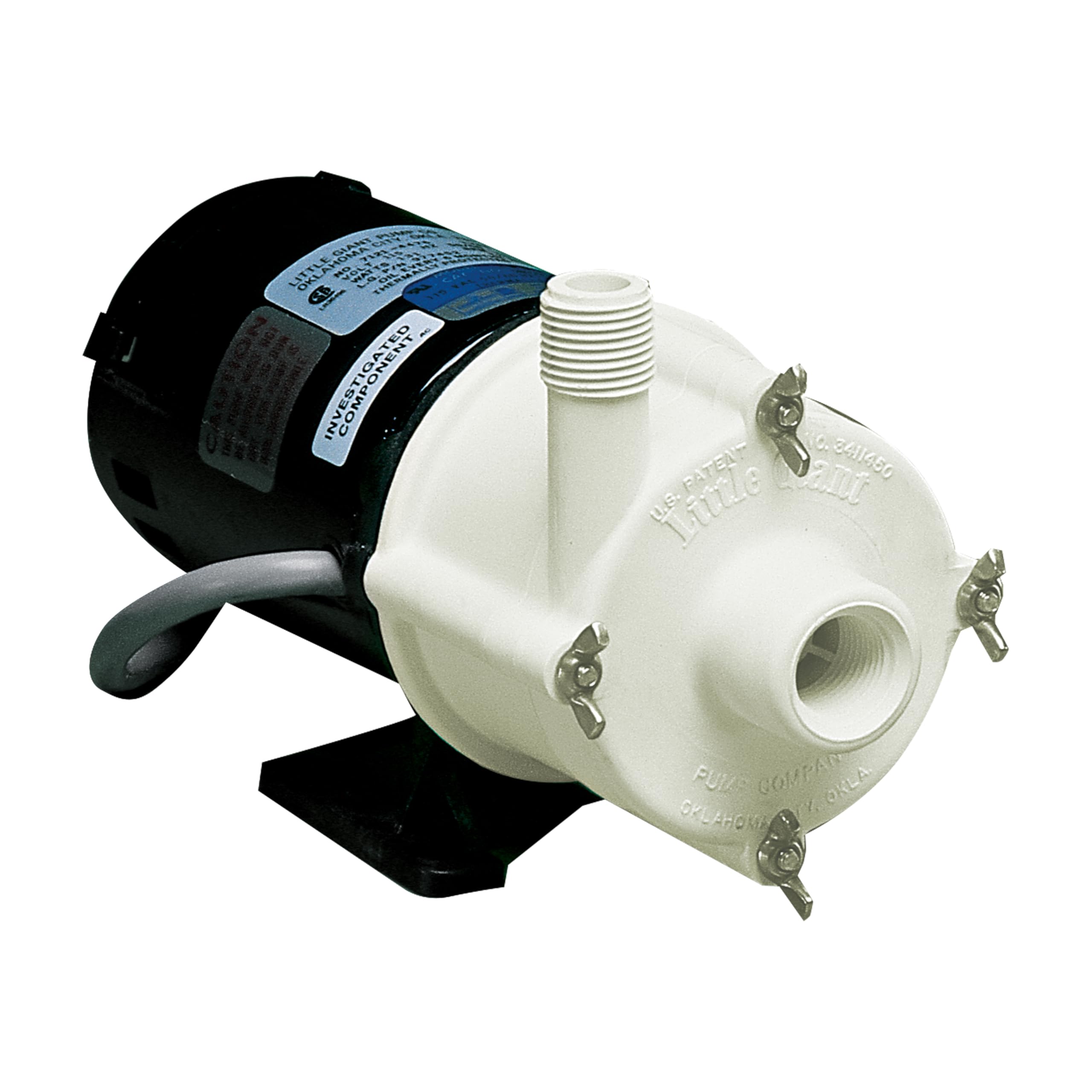
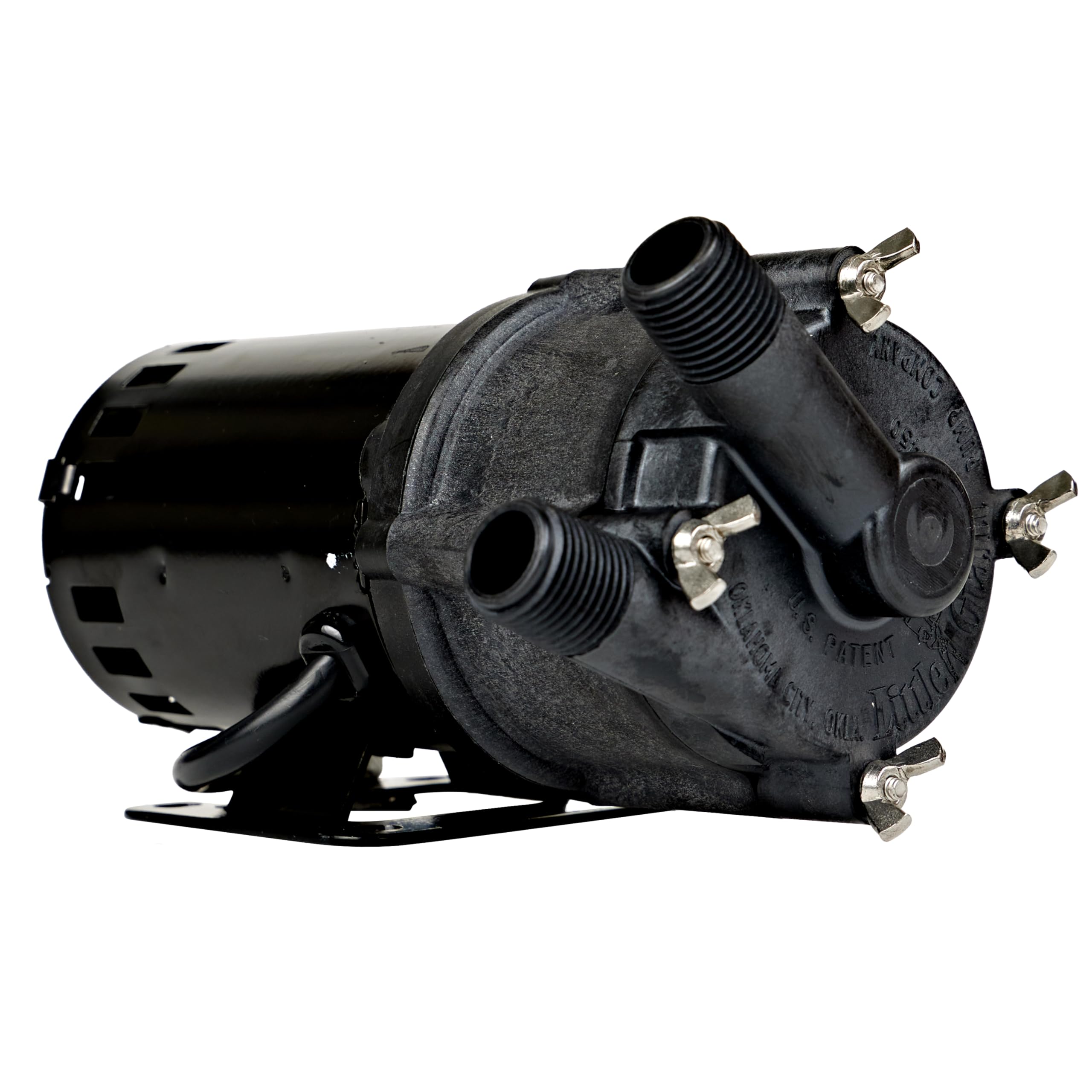

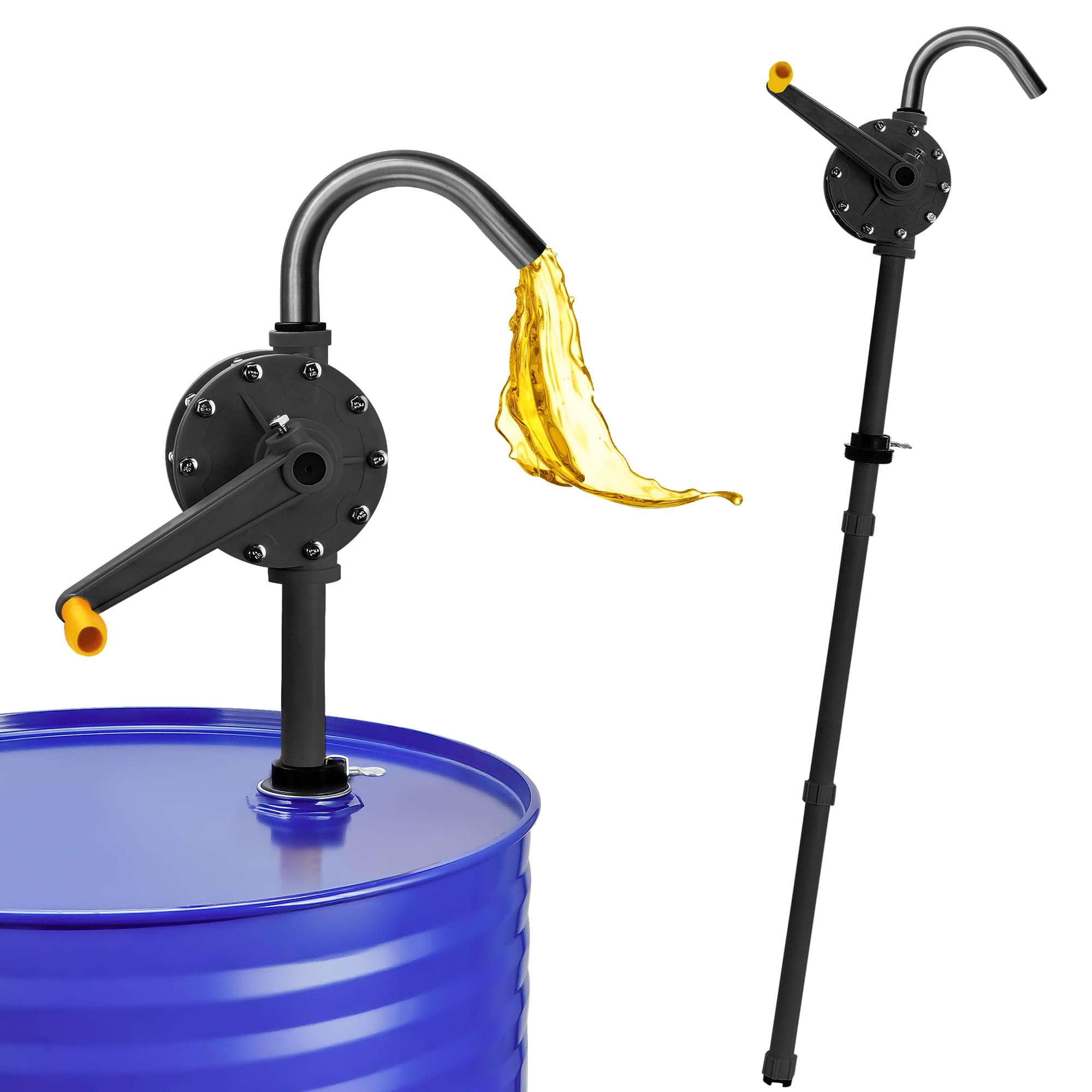



How to Evaluate Chemical Pumps
Score each pump against the six criteria below. A pump must pass the first three to stay on your list at all. The remaining criteria decide which passing pump offers the best value over its working life.
Intended Use and Who It's For
Define the job in one sentence before you shop, such as transferring acid from a drum, circulating a treatment bath, or unloading a tote. Transfer, circulation, and metering jobs favor different pump styles, from air driven diaphragm pumps to centrifugal and drum pumps. Note who will run the pump, because a trained plant operator and an occasional user need different controls and guards. A clear use statement also helps a supplier confirm compatibility, which protects both safety and warranty cover.
Safety and Certifications
Check that the pump carries electrical or air safety marks that suit your site, and ground and bond metal pumps when moving flammable liquids to control static. Seals and hoses must be rated for your chemical, and the setup should include a relief or bypass path where the design requires one. Wear gloves, eye protection, and other gear listed on the chemical safety sheet. Never run a pump dry unless the maker allows it, and keep a spill kit within reach of the transfer point.
Build Quality and Materials
Match every wetted part to your fluid. Polypropylene and PVDF handle many acids and alkalis, stainless steel suits many solvents and food related fluids, and cast iron fits oils but not corrosive chemicals. Elastomers decide real world success. EPDM, fluoroelastomer, and PTFE each have clear strengths and limits, so confirm yours by name. Look for solid housings, protected shafts, and fasteners that will not corrode in fumes. A pump built from the wrong plastic may look identical to the right one, so verify codes, not colors.
Ease of Use and Setup
A good setup includes clear inlet and outlet markings, priming that works without heroics, and hoses that connect without strain. Drum pumps should include a tube length that matches your container, while larger pumps need lifting points and a stable base. Controls should be reachable with gloves on. Run the full path on water first when the maker allows it, so leaks and reversed connections show up safely. Label the pump with its approved chemical, because the next user may not know its history.
Maintenance and Long Term Costs
Ask what wears out, how often, and what it costs before you buy. Diaphragms, seals, impellers, and hoses are normal service items, and a pump with a cheap seal kit and clear service video costs less to own than a sealed unit you replace whole. Factor in downtime as well. Sites that cannot pause a process should stock a spare seal kit or even a spare pump. Keep a service log with dates, fluids pumped, and parts changed, so patterns show up early.
Key Performance Specs
Read flow and head together, never flow alone. A centrifugal pump rating shows maximum flow at low resistance, and output falls as lift and hose length grow, so check the curve at your duty point. For positive displacement pumps, check flow against pressure and confirm the motor or air supply can sustain it. Note viscosity limits, solids tolerance, suction lift, and temperature range. If your fluid is thicker than water or carries particles, say so early, because both facts change the right pump style.
Price Tier Guidance for Chemical Pumps
Tiers describe what safe, honest equipment costs, not which badge to buy. Use the product table above to place candidates in a tier, then apply the checklist without mercy.
Everyday Tier for Most Transfer Jobs
Most general transfer work fits the range of about $200 to $600. Expect proven plastic or stainless construction, named seal materials, a clear performance curve, and seal kits sold separately. Motors in this tier handle daily duty, and makers publish chemical charts you can check. This is the right tier for farms, small plants, workshops, and water treatment users who move chemicals weekly and need predictable service life. It balances safety, parts support, and price better than any other tier for routine work.
Value Tier for Light and Occasional Use
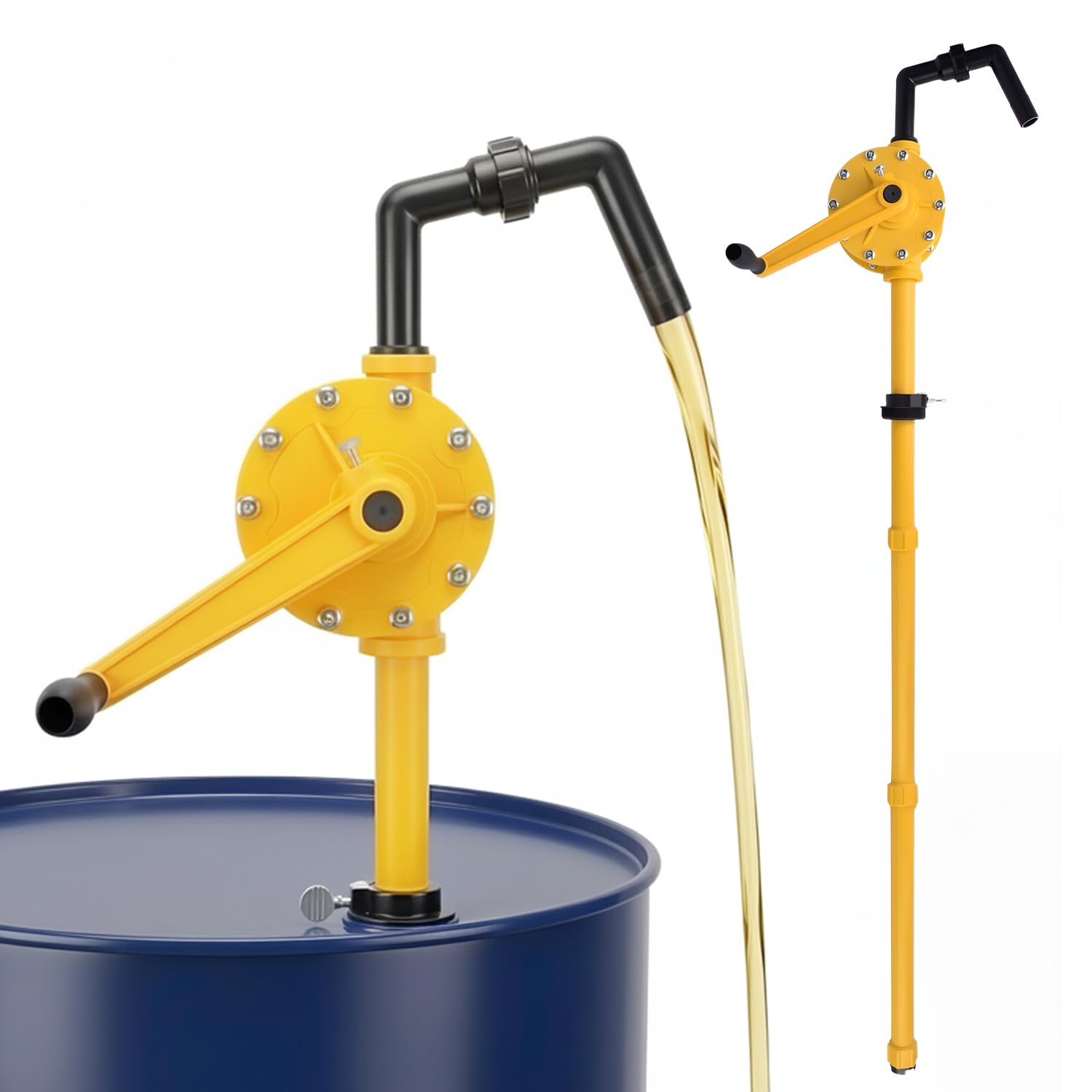
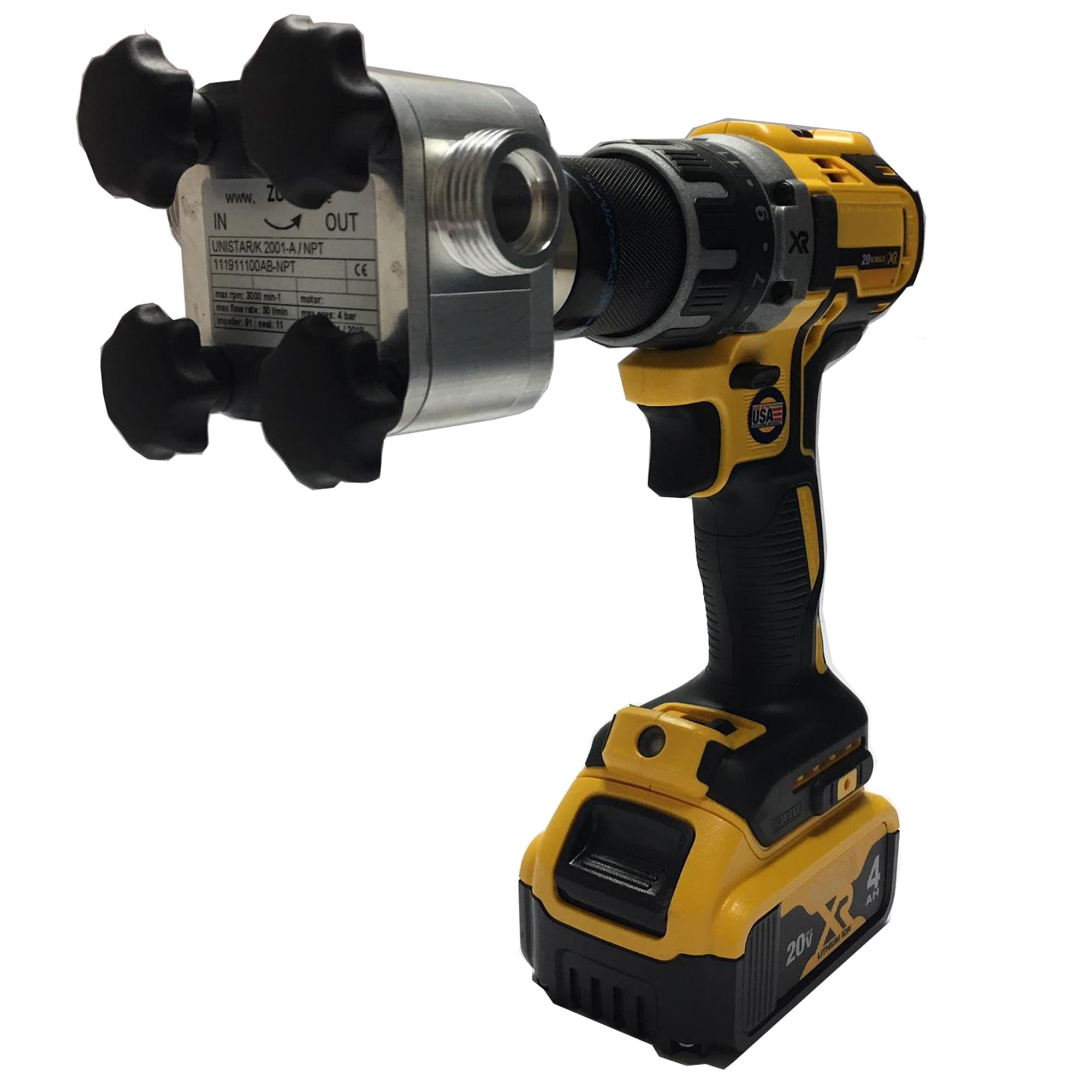
Light duty pumps under about $200 suit occasional transfers of mild chemicals with short hoses and low lift. Hand and drill driven drum pumps live here, along with small electric transfer pumps. You give up flow, duty cycle, and material range, so confirm your chemical is mild and your volume is small. This tier fails when users push it into daily plant service. Be honest about frequency. A pump used twice a month and a pump used twice a shift are different purchases, even for the same fluid.
Heavy Use Tier for Demanding Sites
Budgets above about $600 buy air driven diaphragm pumps and engineered centrifugal models with stronger housings, PTFE options, leak detection, and long parts support. These pumps handle viscous fluids, longer runs, and harsh chemicals with less downtime. Heavy use buyers should also budget for proper hoses, fittings, and grounding gear, because the pump is only one part of a safe system. If a failure would halt production or create a cleanup bill, this tier is usually the cheaper choice over a full year.
Quick Buyer Checklist
- Have you confirmed head, seal, and hose materials against your exact chemical and concentration?
- Does the flow rating still meet your target at your real lift and hose length?
- Is the pump style right for your job, transfer, circulation, or metering?
- Can you buy seal kits and wear parts quickly from a named supplier?
- Do you have the gloves, eye protection, ventilation, and spill kit the chemical requires?
- Is there a safe relief, drainage, and flushing plan for the end of each job?
- Does the warranty cover chemical service, or does it exclude your fluid?
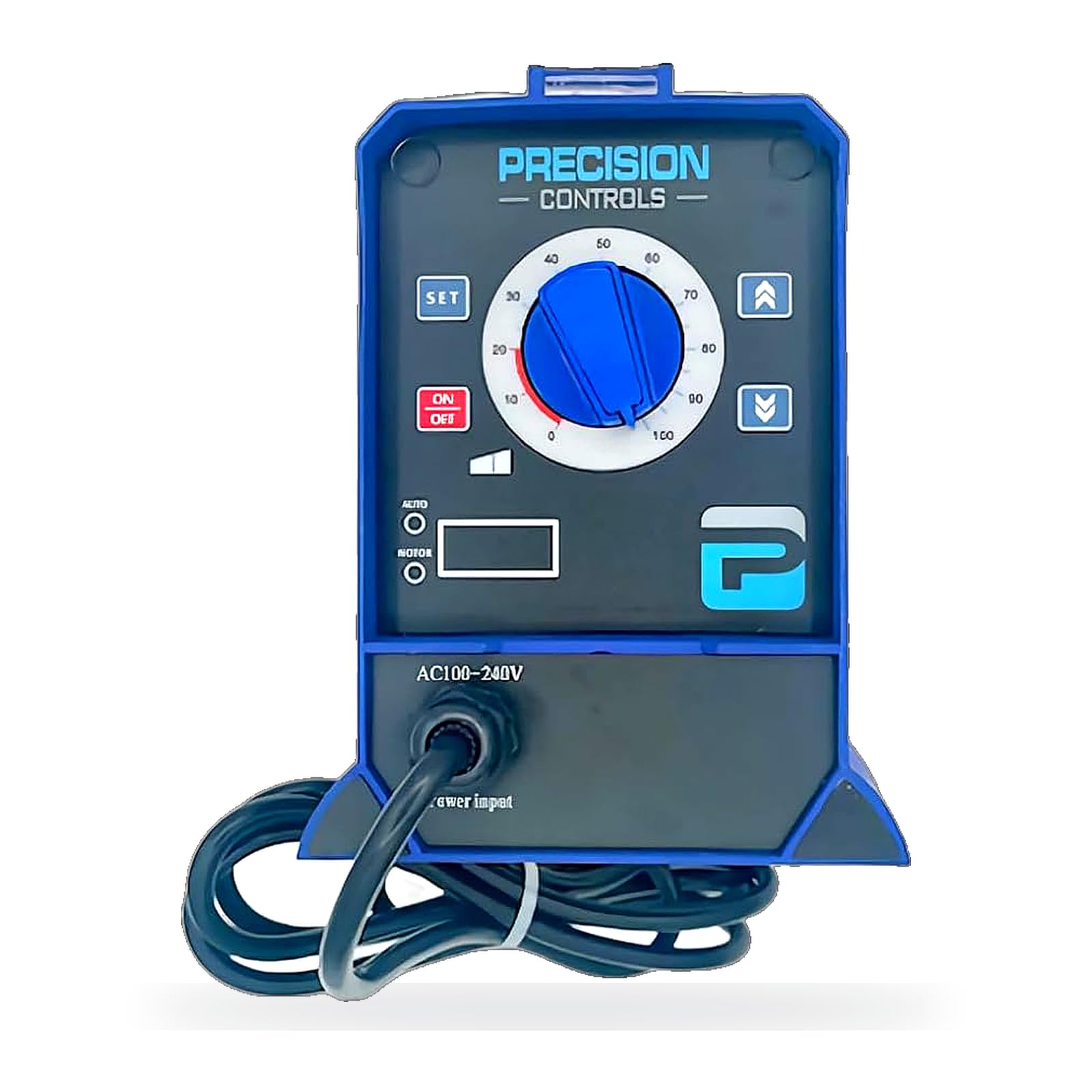
For precise low volume feeding rather than bulk transfer, see our guide to the best chemical dosing pumps, which covers metering accuracy in detail.
Red Flags to Watch For
Beware of listings that say chemical resistant with no material names, no compatibility chart, and no seal type stated. Missing performance curves, flow quoted with no head figure, and temperature limits left blank are similar warnings. Very short warranties for plant duty pumps suggest the maker expects light use only. Also avoid sellers who cannot tell you whether spare diaphragms or seals exist. A pump without parts support is a disposable tool at an industrial price, and chemical service will expose that quickly.
Choosing Chemical Pumps for Your Situation
Best Industrial Chemical Pumps: What to Check
When you research best industrial chemical pumps, add three checks to the standard list. First, duty cycle and mean time between service matter more than peak flow, because plant pumps run for long stretches. Second, standard pipe connections, motor frames, and seal sizes cut downtime when staff can source parts locally. Third, documentation counts. Plants need manuals, material certificates, and safety data on file for audits. Industrial buyers should also plan flushing and lockout steps, so service work stays safe and repeatable across shifts.
Setup and Care Tips
Read the manual before first use, mount or secure the pump so hoses do not pull on its ports, and flush the system as the chemical supplier directs after each job. Clean and inspect regularly, checking hoses for soft spots, seals for weeping, and fasteners for corrosion. Store the pump in a dry place, drained and capped, with its approved chemical label attached. Never store a pump still full of chemical unless the maker designs it for that duty.
Chemical Pumps: Your Questions Answered
How much should I spend on a chemical pump?
Occasional light transfers can fit under about $200, while most daily transfer jobs belong in the range of about $200 to $600. Demanding industrial service often runs above about $600 once proper hoses and safety gear are included. Spend first on correct materials and seals, then on flow. A correctly specified mid priced pump outlasts a cheap pump with wrong seals every time, and it avoids the cleanup and downtime costs that dwarf the price gap.
How do I maintain a chemical pump?
Flush the pump after use as directed for your chemical, inspect seals and hoses before each job, and replace wear parts on schedule rather than after a leak. Keep inlets screened where solids are possible, log hours and fluids, and store the pump drained and dry. Shut down, depressurize, and wear protective gear before any service work. If output falls or noise changes, stop and inspect early, because small seal damage grows fast in chemical service.
How long does a chemical pump last?
A correctly matched pump often serves five to ten years, with seals, diaphragms, and hoses replaced along the way. Harsh chemicals, dry running, high temperatures, and pumping abrasive solids shorten life sharply. Material match is the biggest factor you control. A pump whose wetted parts truly suit the fluid, and which is flushed and stored well, will outlast a stronger pump built from the wrong materials by a wide margin.
Are expensive chemical pumps worth it?
They are worth it when downtime, safety risk, or fluid cost is high. Premium pumps bring better materials, documented performance, leak resistant designs, and parts support that keeps a plant running. For rare, mild, supervised transfers, that premium buys little you will use. Judge by consequence. If a failure means a spill, a halted line, or an injured worker, pay for engineering and support. If it means a short delay on a mild job, a simpler pump can be sensible.
What features matter most when buying chemical pumps?
Material compatibility matters most, followed by flow at your real duty point and seal quality. After those, look at parts availability, safe setup, and warranty terms that allow chemical service. Extra features help only after the basics pass. A pump with modest flow but correct PVDF and PTFE parts will serve a corrosive job well, while a powerful pump with wrong seals will fail. Use that order every time and you will avoid most buying regrets.
Wrapping Up
Confirm materials first, check flow at your real duty point second, and plan service parts third. Those three steps filter out nearly every bad purchase. When you judge best chemical pumps by that order, the comparison table above points to a short list you can trust. Finish by writing your chemical, flow, and lift on paper and matching them one final time before you order. Readers comparing build standards across pump types may also find our guide to the best quality pumps useful.