
Best Chemical Sprayers 2026: Complete Buying Guide
Disclosure: We may earn a commission when you buy through links on this page, at no extra cost to you. As an Amazon Associate I earn from qualifying purchases. Learn more

Choose a chemical sprayer with confidence, covering tank materials, seals, pressure control, nozzle types, safety gear, and cleaning after use.
Buying best chemical sprayers is really about matching the sprayer to the chemical and the job. A light garden sprayer that handles weed control on a small lawn is not the same tool as a heavy duty sprayer built for fence stain or orchard work. Tank material, seals, pressure control, and nozzle choice all decide whether the sprayer lasts and whether the job goes smoothly.
This guide explains sprayer types, chemical compatibility, safety habits, and cleaning in practical terms. The comparison table below gives a quick overview, and the sections that follow help you avoid leaks, clogs, and wasted product.

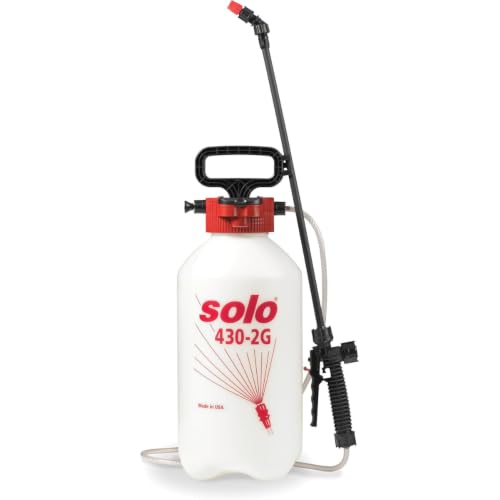

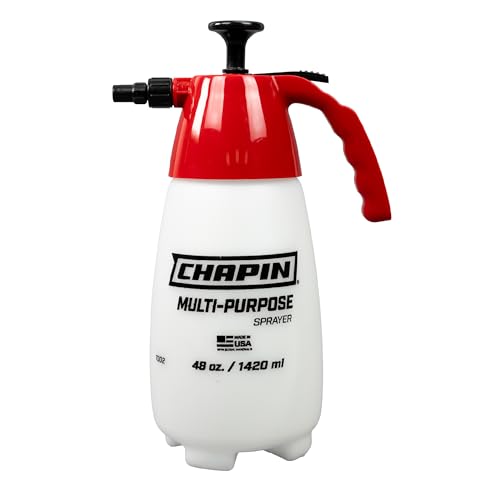


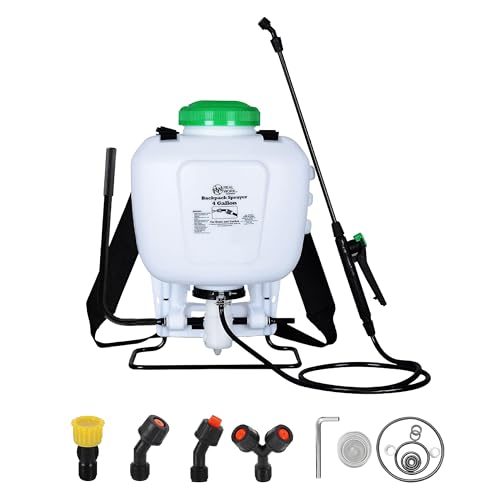
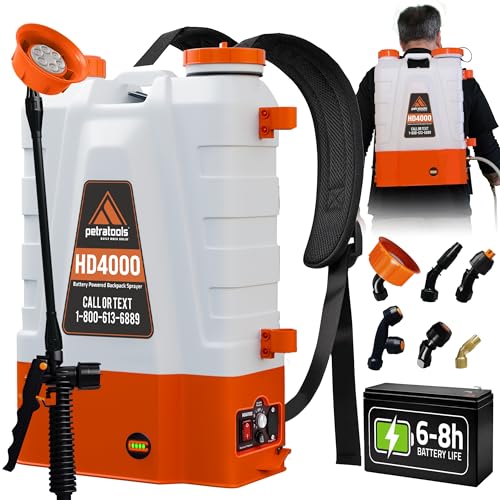
Who Should Buy a Chemical Sprayer
A chemical sprayer suits gardeners, smallholders, painters, and property owners who need even coverage over plants, fences, or large surfaces. Handheld models suit spot work and small gardens, backpack models suit larger plots, and wheeled or powered models suit long fences and orchards. The right size saves time and reduces strain.
It is not the best choice for tiny jobs that a trigger bottle can handle, or for chemicals that the maker does not approve for sprayer use. Always check the chemical label first, since some products need a specific sprayer type or must never be mixed in a shared tank.
Tank Materials, Seals, and Compatibility
Polyethylene tanks suit most garden chemicals and resist dents, while stainless steel tanks suit harsher mixes and heavy use but cost more and weigh more. Seals and hoses matter just as much: viton style seals generally resist solvents better than basic rubber, and chemical resistant hoses last longer with strong mixes. If a sprayer lists approved chemical types, take that list seriously.
Never assume a sprayer that handled weed killer will also handle paint or disinfectant safely. Residue can contaminate the next job and damage seals. Many owners keep separate sprayers for garden chemicals and for other products, and label each tank clearly to avoid mix ups.
Tank size should match the job, not just the largest option available. A tank that is too large becomes heavy and awkward, while a tank that is too small forces constant refills. For most home gardens, a mid size tank balances coverage and comfort.
Pressure, Nozzles, and Coverage
Pressure control decides droplet size and drift. Low pressure gives larger droplets that stay on target, which suits weed control near wanted plants. Higher pressure gives finer mist and wider coverage, which suits large surfaces but drifts more in wind. An adjustable pressure control and a pressure gauge help you stay in the right range.
Nozzle choice shapes the spray pattern. Flat fan nozzles suit even coverage on rows and fences, cone nozzles suit spot treatment, and adjustable nozzles let you switch between a stream and a fan. Keep spare nozzles and filters, since a clogged nozzle is the most common cause of uneven spraying.
Try it with clean water first on a calm day. Walk at a steady pace, keep the nozzle at a consistent height, and overlap passes slightly for even coverage. This short trial reveals leaks and pattern problems before any chemical is involved.
Safety Gear and Responsible Use
Always read the chemical label and wear the protective gear it recommends, which often includes gloves, eye protection, long sleeves, and sometimes a respirator. Work on calm days, keep children and pets away until sprays have dried, and never spray toward water sources, ponds, or neighboring gardens. Store chemicals and the sprayer locked away from children.
If you feel unwell, stop at once, move to fresh air, and follow the first aid guidance on the chemical label. Keep the label with you during use, and never pour leftover mix down drains or into waterways. Local waste guidance usually explains safe disposal for leftover product.
Cleaning and Storage
Clean the sprayer after every use, even if you plan to use the same chemical again soon. Rinse the tank, flush the hose and nozzle with clean water, and run the pump briefly to clear residue. For strong chemicals, follow the label guidance on rinsing agents and repeat rinses until the water runs clear.
Store the sprayer empty, with the cap loose enough to avoid pressure build up, in a cool place out of sunlight. Check seals and hoses before the next season, and replace worn parts promptly. A clean, dry sprayer starts reliably and lasts far longer than one left with residue inside.
Related Guides to Compare
Paint sprayers are built for coatings rather than garden chemicals, so compare them separately if painting is your main job. best sprayers for paint.
Airless sprayers suit large painting and coating jobs where high pressure and wide coverage matter more than fine garden control. best airless sprayers.
Weed sprayers focus on targeted garden application, drift control, and tank sizes suited to lawns and beds. best weed sprayers.
Hose end sprayers attach to a garden hose and suit quick, large area jobs where precise mixing is less critical. best hose sprayers.
Stain sprayers handle fence and deck coatings, with seals and nozzles chosen for thicker liquids than garden mixes. best stain sprayers.
Living With Your Choice
Seasonal jobs shape sprayer use through the year. Spring suits weed control and early feeding, summer suits pest management and fence care, and autumn suits clearing and winter preparation. Planning jobs by season helps you buy the right chemical at the right time and avoid spraying in unsuitable weather.
Record keeping improves results and safety. Note the chemical, dilution, date, weather, and area treated in a simple notebook or phone note. Records help you avoid double treating an area, track what worked, and answer questions if plants react unexpectedly. Keep records away from children and store them with product labels.
Spare parts deserve a small kit of their own. Keep spare nozzles, filters, seals, and a cleaning brush together so a clogged nozzle does not end a job halfway. Check spare compatibility with your model before buying, since nozzle threads and seal sizes vary between makers and even between models from one maker.
Neighbor relations matter when spraying near boundaries. Warn neighbors before spraying on a calm day, avoid drift toward their gardens, washing lines, and ponds, and respect any requests about timing. Good communication prevents disputes and protects plants, pets, and water features on both sides of a fence.
End of season care decides whether a sprayer starts reliably next spring. Clean thoroughly, dry fully, check seals, and store in a frost free place if possible. A sprayer left with residue or frozen water inside can crack, clog, or fail just when spring jobs begin.
Final Thoughts
Match tank material and seals to your chemicals, choose pressure and nozzles for the coverage you need, and never skip safety gear or cleaning. Those habits protect you, your plants, and the sprayer itself. Review the product table above and choose the best chemical sprayers option that fits your jobs, your strength, and your storage space.
Frequently Asked Questions
Can one sprayer handle all chemicals?
No, seals, hoses, and tanks suit different chemical types, and residue can contaminate the next job. Many owners keep separate sprayers for garden chemicals and for other products. Always check the chemical label and the sprayer guidance before mixing a new product.
What size tank should I choose?
Choose a tank that covers a typical job with one or two fills without becoming too heavy to carry. Small gardens suit handheld or small backpack tanks, while larger plots suit bigger backpack or wheeled models. A tank that is too large can strain your back and make control harder.
How do I reduce spray drift?
Spray on calm days, use lower pressure for larger droplets, and keep the nozzle at a steady height close to the target. Avoid spraying in wind or toward wanted plants, water, or neighbors. A flat fan nozzle and a steady walking pace also help keep coverage even.
How should I clean a chemical sprayer?
Rinse the tank, flush the hose and nozzle with clean water, and run the pump briefly after every use. Follow label guidance for stronger chemicals, and repeat rinses until water runs clear. Store the sprayer empty and dry, and check seals before the next use.
What safety gear do I need?
Follow the chemical label, which often calls for gloves, eye protection, long sleeves, and sometimes a respirator. Keep children and pets away until sprays dry, and store chemicals locked away. If you feel unwell, stop, move to fresh air, and follow label first aid guidance.


