Best Chemical Resistant Work Boots for 2026: The Buyer Checklist
Disclosure: We may earn a commission when you buy through links on this page, at no extra cost to you. As an Amazon Associate I earn from qualifying purchases. Learn more

Run a buyer checklist for the best chemical resistant work boots: materials, safety toes, sole ratings, fit, budgets, and care for chemical workplaces.
A splash of solvent or caustic cleaner soaks straight into ordinary leather, and that difference is the whole point of this category. The best chemical resistant work boots pair materials that shrug off your specific chemicals with safety toes, sealed seams, and soles built for wet industrial floors.
This article uses a checklist format, so you can score any pair against the same criteria your safety manager would use. Work through the material, fit, and sole checks below, compare your shortlist with the comparison table below, and you will know exactly what a higher price does and does not buy.


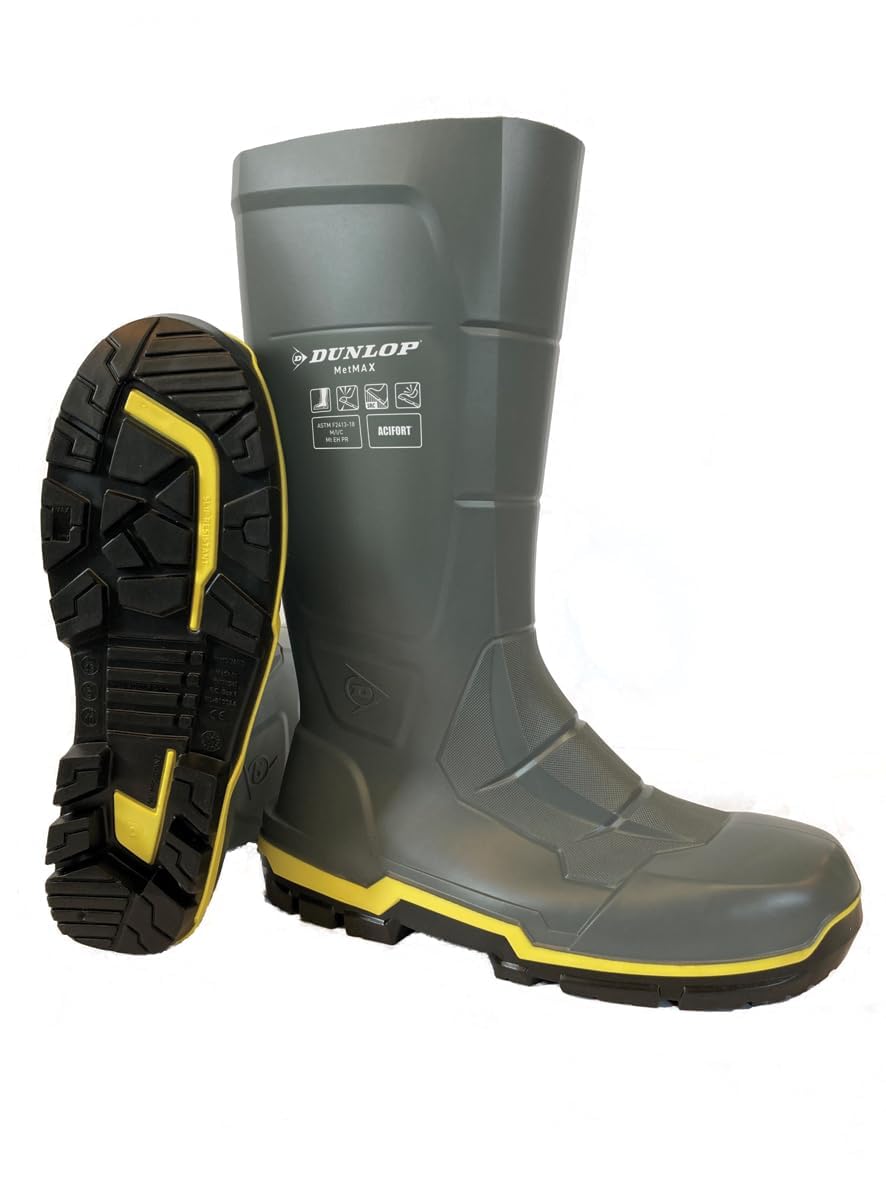


The Checklist: What to Check Before You Buy
No single boot resists every chemical, so the checklist starts with matching material to exposure and ends with comfort you can judge in the store.
Match the Material to Your Chemicals
Start with the safety data sheets for the chemicals you actually handle, then check the maker's compatibility chart for the boot's material. PVC boots resist many acids, alkalis, and animal fats at a low price, while nitrile rubber handles oils and many solvents better, and neoprene covers a broad middle ground. Our guide to the best work boots for chemicals walks through common workplace chemicals one by one.
No material resists everything, and no boot guarantees protection, so confirm the pairing with your employer's safety rules before you buy. If a splash ever leaves burning, itching, or a rash on your skin, wash the area at once and seek medical advice.
Fit, Sizing, and Toe Box
Measure your feet late in the day and try boots on with your work socks, since chemical boots often use their own lasts and run larger than street shoes. You need room to wiggle your toes inside a safety toe cap, because a cap that presses the toes will ache within an hour. A secure heel matters just as much, since a loose heel blisters on long walks across a plant floor.
Safety Toes and Puncture Resistant Midsoles
Choose a steel toe for maximum impact protection in a slim profile, or a composite toe where electrical hazards or metal detectors make steel a poor fit. A puncture resistant midsole guards the sole of your foot against nails, glass, and metal shards, a real risk in waste and recycling work. Our guide to the best puncture resistant work boots explains midsole materials in more detail. Check that the toe rating matches what your employer requires.
Slip Resistant Outsoles and Tread Pattern
Chemical work usually means wet, oily, or greasy floors, so tread design matters as much as the boot material. Wide channels push liquid out from under the sole, while small tread blocks keep more rubber in contact with slick concrete. Our guide to the best slip resistant work boots compares tread patterns by floor type. Replace the boots when the tread wears smooth, because a worn sole loses grip long before the upper fails.
Cushioning and Support for Long Shifts
Chemical resistant boots are often tall rubber or PVC designs with thin factory insoles, so plan on adding a quality aftermarket insole if you stand on concrete all day. Arch support should match your foot type, and a firm heel counter keeps the foot from rolling inside a roomy shaft. Comfort is a fit question, not a treatment, and foot pain that persists deserves a conversation with a doctor.
Waterproofing and Sealed Seams
Most chemical boots are waterproof by construction, but the quality of the seams decides how long that lasts. Molded pairs have no stitched seams to leak, while cemented designs rely on sealant at the sole line. Our guide to the best water resistant work boots covers the difference between treated uppers and fully sealed builds. Flex the boot and look for gaps or lifting where the upper meets the sole before you commit.
Weight and Flexibility
A tall PVC boot can weigh noticeably more than a leather work boot, and that weight adds up over a ten hour shift. Shorter shafts and lighter synthetic uppers cut weight but may narrow the chemical range the boot tolerates. Bend the boot at the toe in the store: a sole that flexes at the ball of the foot will tire your calves less than a board stiff one.
What Your Budget Buys
Price in this category buys chemical range, comfort, and service life more than style. The tiers below show the usual trade offs at each step.
Entry Level Boots: about $70 to $120
Most pairs here are PVC knee boots with a steel toe and basic tread. They suit washdown areas, food processing, and farm chemical handling where exposure is mostly water based. Insole comfort is minimal, so budget for an insert, and expect the material to stiffen in cold rooms.
Mid Range Boots: about $120 to $200
Nitrile and neoprene blends widen the chemical range, and most pairs add puncture resistant midsoles and better tread. This is the tier most full time workers should start with. Our guide to the best chemical resistant boots focuses on this band and explains where the extra money goes.
Premium Boots: about $200 to $300
Premium pairs add lighter molded construction, composite toes, and insoles you may not need to replace. Makers publish fuller compatibility data at this level, which helps safety managers approve a purchase. Choose this tier when you wear the boots daily and your chemical list is long.
Quick Buyer Checklist
- Have you matched the boot material against the safety data sheets for your chemicals?
- Does the safety toe type and rating match your employer's written rules?
- Is the shaft tall enough for the deepest splash or puddle you expect?
- Does the tread pattern suit your floor: wet, oily, greasy, or dry?
- Can you add or replace the insole without changing the fit?
- Are the seams molded or sealed, with no stitching below the ankle?
- Does the maker publish a compatibility chart you can hand to your safety manager?
Red Flags to Watch For
- A listing that claims resistance to all chemicals, since no single material can do that.
- No published compatibility chart or safety rating, only marketing words like heavy duty.
- Stitched seams below the ankle on a boot sold for liquid chemical work.
- A price far below similar rated boots, which often means thinner material and shorter service life.
- A seller who cannot state the toe standard the boot meets.
Care and Maintenance Tips
- Rinse boots with clean water after every shift in chemical areas, following the maker's guidance for your chemicals.
- Wash the inside of the shaft weekly and let boots dry upright at room temperature, away from direct heat and sunlight.
- Inspect the upper weekly for cracks, swelling, soft spots, or a sticky surface, since each one signals chemical attack on the material.
- Store boots away from solvents and motors, which age rubber even while the boots sit on a shelf.
- Retire a pair as soon as the tread is smooth or the material shows damage, not when the calendar says so.
Chemical Resistant Work Boots: Your Questions Answered
Do chemical resistant work boots need to be waterproof?
In practice, yes, because liquid resistance is what keeps chemicals off your skin in the first place. A boot can shed water yet still soften in solvents, so waterproof alone is not proof of chemical resistance. Check both points: the build should be fully sealed, and the material should appear on the compatibility chart for your chemicals.
Can chemical resistant work boots be worn all day?
Yes, most workers wear them for full shifts once the fit and insole are sorted. The main all day issues are heat and moisture inside a sealed shaft, so moisture wicking socks and a midday sock change help more than any single feature. Rotating two pairs across the week also lets each pair dry fully between shifts.
How should chemical resistant work boots fit?
They should fit snugly at the heel and instep, with clear space in front of the toes inside the safety cap. Because many models come in whole sizes only, a thicker work sock or an added insole can fine tune the volume. Try them at the end of a shift, when your feet are slightly swollen, for the most honest fit.
How often should chemical resistant work boots be replaced?
Replace them when inspection finds damage, not on a fixed schedule. Strong chemicals can shorten service life to months, while mild washdown duty may allow a year or more. Keep a simple log of exposure incidents, since a boot that survived a major splash deserves retirement even if it still looks sound.
Are expensive chemical resistant work boots worth it?
They are worth it when you wear them daily or face a long chemical list, because the premium buys published compatibility data, lighter materials, and better insoles. For occasional water based exposure, a mid range pair usually covers the risk. Spend first on correct material matching, since comfort upgrades only matter once the chemistry is right.
Final Thoughts
Material matching comes first, employer rules second, and comfort third. The best chemical resistant work boots for your job are the ones whose compatibility chart covers your chemicals and whose fit you can stand in all shift. Compare your finalists in the product table above, confirm the toe rating with your safety manager, and inspect the pair weekly once it is in service.