
Best Choice Backflow Blankets 2026: Sizing and Winter Protection Guide
Disclosure: We may earn a commission when you buy through links on this page, at no extra cost to you. As an Amazon Associate I earn from qualifying purchases. Learn more
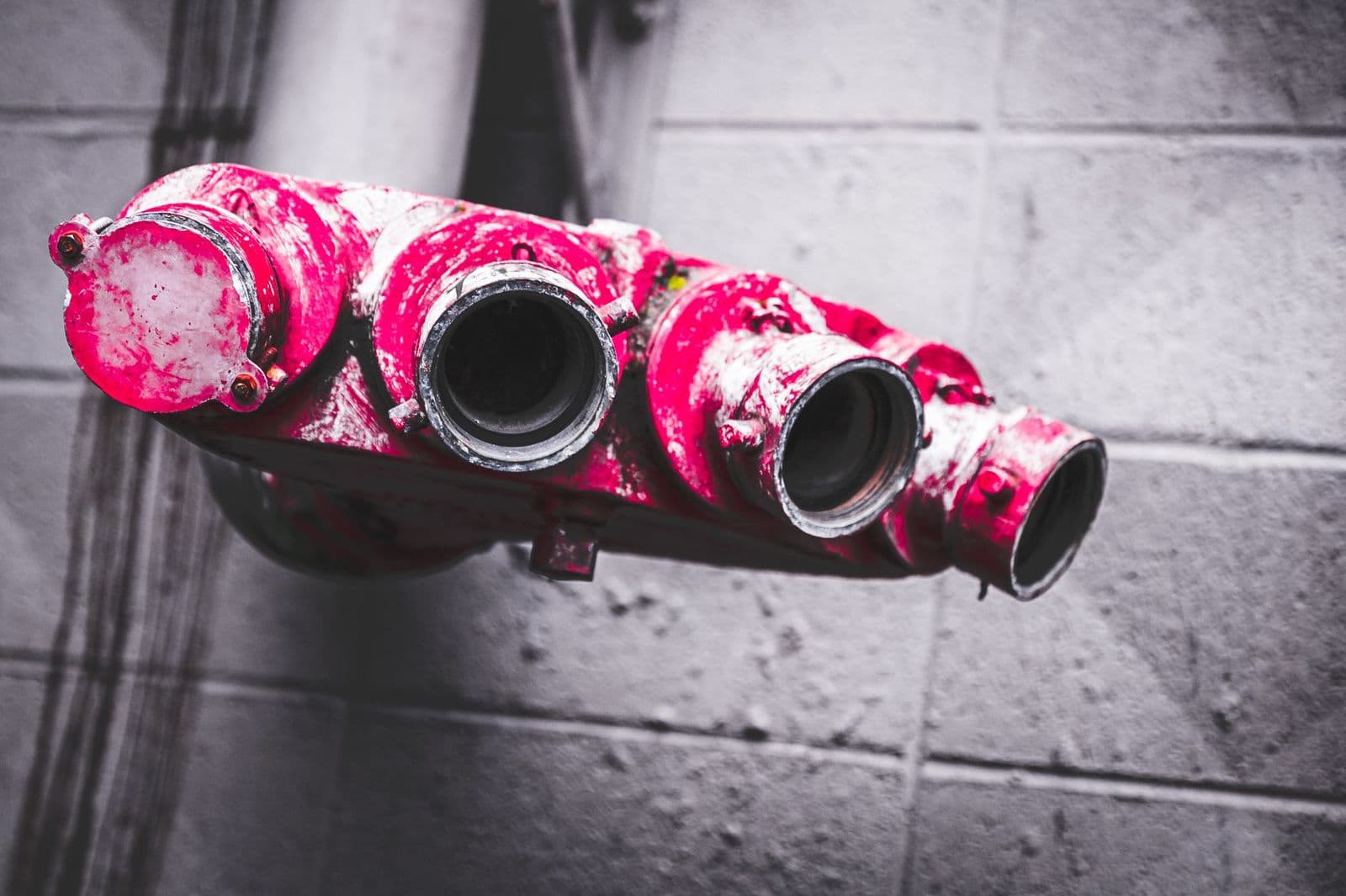
How to choose the best choice backflow blankets: size your assembly, compare insulation, and cover it before winter.
A backflow preventer is the brass valve assembly that sits above ground on many irrigation and building water lines, and it is one of the first parts to freeze when winter arrives. A backflow blanket, usually an insulated cover or pouch, wraps that assembly to keep it from cracking. Choosing the best choice backflow blankets means matching the cover to the size of your assembly, your winter climate, and how much wind and moisture it will face. This guide explains how to size, compare, and install one.
Freeze damage can crack a valve body, and a repair or replacement costs far more than a cover. Local codes also sometimes require protection or a licensed tester, so check your local rules and ask a plumber or irrigation professional if you are unsure.
What a Backflow Blanket Does
These covers slow heat loss from the valve and pipes. They do not generate heat, so in a hard freeze they buy time rather than provide a guarantee. An insulated pouch that stays dry and closes snugly around the pipe works far better than a loose bag or a plain tarp, which can trap moisture and make freezing worse.
In regions with mild frosts, a good cover may be all you need. In regions with long deep freezes, many owners also drain the line and shut off the supply for the winter, following the guidance from their installer.
Measure Before You Buy
Backflow assemblies vary widely, from small three quarter inch units on a house spigot line to large two inch assemblies on commercial irrigation. Measure the full height, width, and depth of the assembly including test cocks, handles, and the pipe it sits on. Add a couple of inches of clearance so the cover is not stretched tight, and check the opening around the pipe where it enters the ground.
Covers are commonly sold by dimensions in inches, so compare your measurements to the listing rather than relying on the name of the size. A cover that is too short leaves the pipe base exposed, which is often where freezing begins.
Materials and Construction
- Insulation: thick closed cell foam or multi layer insulation holds heat better than thin padding.
- Outer shell: a water resistant, UV stable fabric resists rain, snow, and sun damage over a season.
- Closure: drawstrings, hook and loop straps, or zippers should seal firmly around the pipe.
- Ground stakes or ties: help keep the cover from blowing away in wind.
- Vent or breathable design: some covers manage moisture so condensation does not collect inside.
Installation Tips
Install the cover before the first hard freeze, on a dry day. Make sure the assembly is drained as your installer advises and the valves are positioned for winter. Slide the cover over the unit, close the opening snugly around the pipe, and anchor it so wind cannot lift it. Do not seal the cover so tightly that you trap standing water inside.
Check the cover during winter after heavy snow or high wind, and replace it if the shell cracks or the insulation gets soaked, since wet insulation loses most of its value.
Alternatives and Add Ons
Some owners build or buy a rigid insulated enclosure for large assemblies, which holds up better under heavy snow than a soft cover. Heat tape and thermostat controlled heaters exist for severe climates, but they involve electricity near water, so they should be installed by a qualified professional. For hose spigots and small faucets, insulated faucet covers are a simple alternative, though they are not designed for a full backflow assembly.
Cost and Value
Small covers for household assemblies are usually inexpensive, while large insulated enclosures for commercial units cost more. Compare thickness, material quality, and whether the cover fits your exact dimensions rather than just price. A snug, well insulated cover that lasts several winters is better value than a cheap bag that tears after one season.
Common Mistakes to Avoid
- Choosing the wrong size, leaving the base of the pipe exposed.
- Covering the assembly with plastic sheeting that traps moisture.
- Installing the cover after the first hard freeze has already hit.
- Forgetting to drain the line when the installer recommends it.
- Ignoring local rules about testing, inspection, or approved coverings.
Winter Care and Spring Checks
During winter, look at the cover after storms. Brush off heavy snow, make sure the closure is still tight, and check for tears. If a cover is crushed or soaked, replace it right away, since wet insulation conducts cold rather than blocking it. In spring, remove the cover, check the valve for cracks or leaks, and follow your installer's guidance on re opening the line. Store the cover clean and dry for next season.
Local Rules and Professional Help
Backflow assemblies protect drinking water, so many areas require periodic testing by a certified tester and sometimes limit what you can attach to or around the device. Check your local water utility rules before you modify an installation. A licensed plumber or irrigation contractor can also advise on heated enclosures, relocating a vulnerable assembly, or switching to a freeze resistant model.
Frequently Asked Questions
Do I really need a backflow blanket?
If your assembly sits above ground in a climate that freezes, a cover is inexpensive protection against a costly crack. In very cold regions, owners often combine a cover with draining the line.
How do I choose the right size?
Measure the height, width, and depth of the assembly and add a couple of inches of room. Compare the numbers to the listing dimensions.
Can I use a blanket or tarp from the house?
A regular blanket gets wet and freezes, and a tarp can trap moisture. A purpose made insulated cover with a water resistant shell is a better choice.
Does a cover replace draining the system?
Not in a hard freeze. A cover slows heat loss, but many installers still recommend draining and shutting off the supply for winter.
When should I install it?
Before the first hard freeze, on a dry day. Check it after storms and replace it if the shell or insulation is damaged.
Final Thoughts
Measure carefully, pick a thick, water resistant cover with a snug closure, and install it before winter. Pair it with draining if your region sees long deep freezes.
The best choice backflow blankets protect an expensive valve for a small cost, which is why a few minutes of measuring now is worth it.


