Best Chemical Dosing Pumps: Matching the Right Model to Your Routine for 2026
Disclosure: We may earn a commission when you buy through links on this page, at no extra cost to you. As an Amazon Associate I earn from qualifying purchases. Learn more

Compare the best chemical dosing pumps by use case, flow accuracy, chemical compatibility, and total cost so you choose the right pump the first time.
There is no single dosing pump that suits every job. A pump that doses chlorine into a pool line faces different pressure, chemicals, and daily volume than one feeding detergent in a laundry or acid in a small treatment system. Choosing best chemical dosing pumps means matching the pump to your routine first.
This guide sorts buyers by use case, then explains the specs that actually change results. Use the comparison table below to narrow your options once you know which group sounds like you.


Who Should Buy Which Chemical Dosing Pumps?
Start with your daily pattern, not a spec sheet. How many hours the pump runs, how precise the dose must be, and who will maintain it decide which design makes sense. The groups below cover the most common buyers and the features each group should put first.
For First Time Buyers
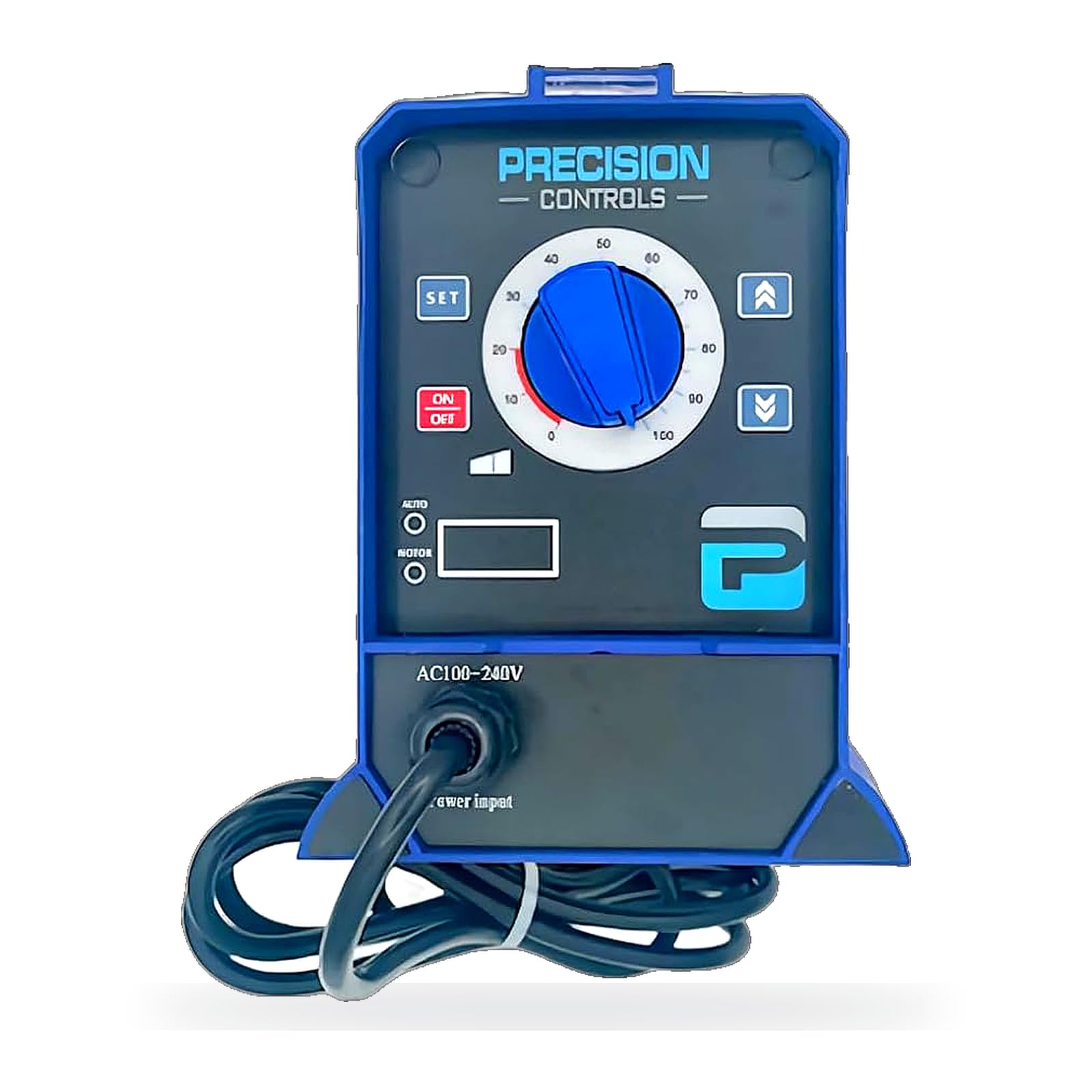
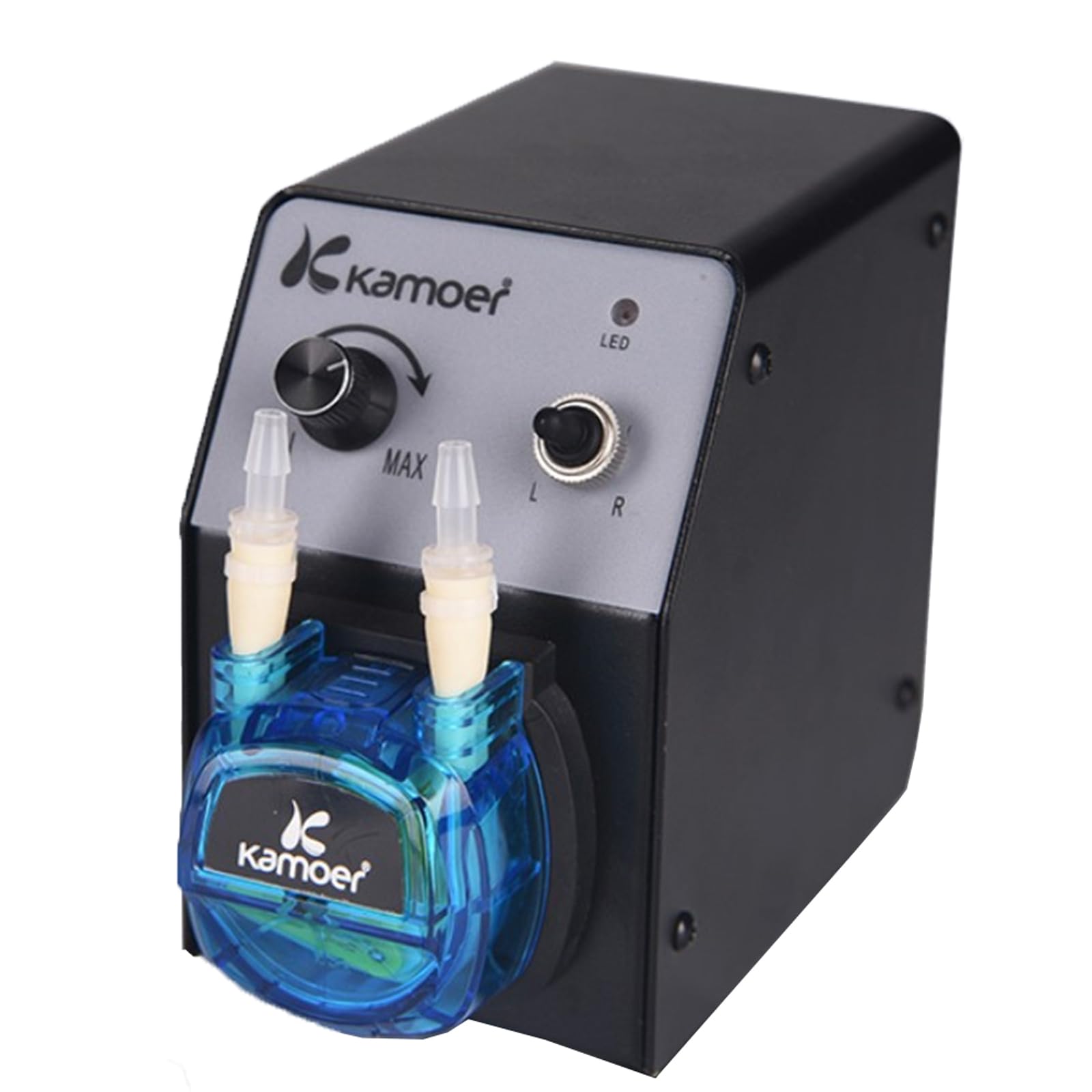
First time buyers should favor simple controls, clear priming, and forgiving setup over advanced programming. A peristaltic or basic diaphragm pump with a manual stroke or speed dial is easy to learn and easy to verify with a measuring cylinder. Look for clear tubing connections, a supplied foot valve and injection valve, and instructions that show a calibration step. Simple designs also keep spare parts cheap. If your dose is small and steady, a modest pump you understand beats a complex pump you guess at.
For People Who Want the Best Performance
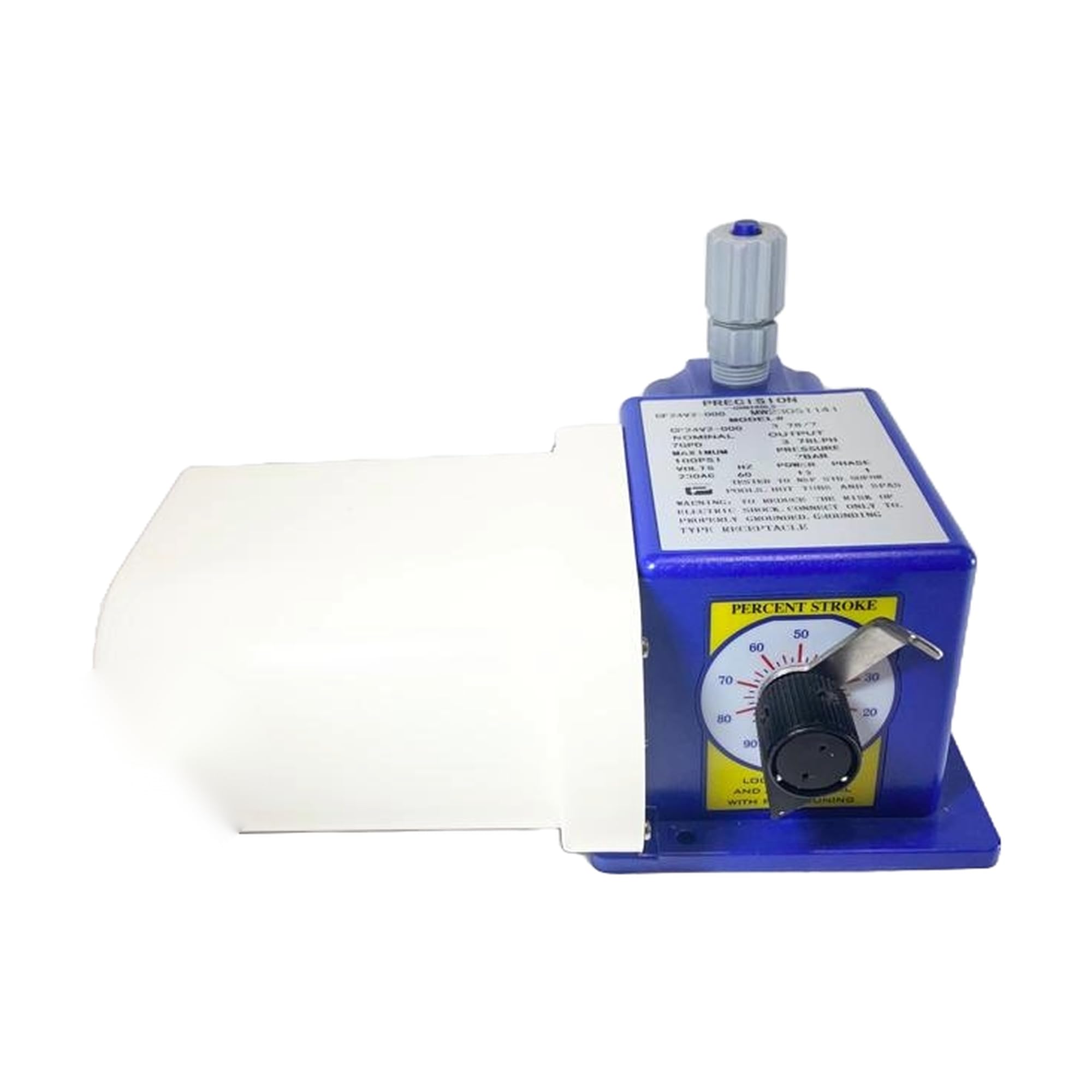
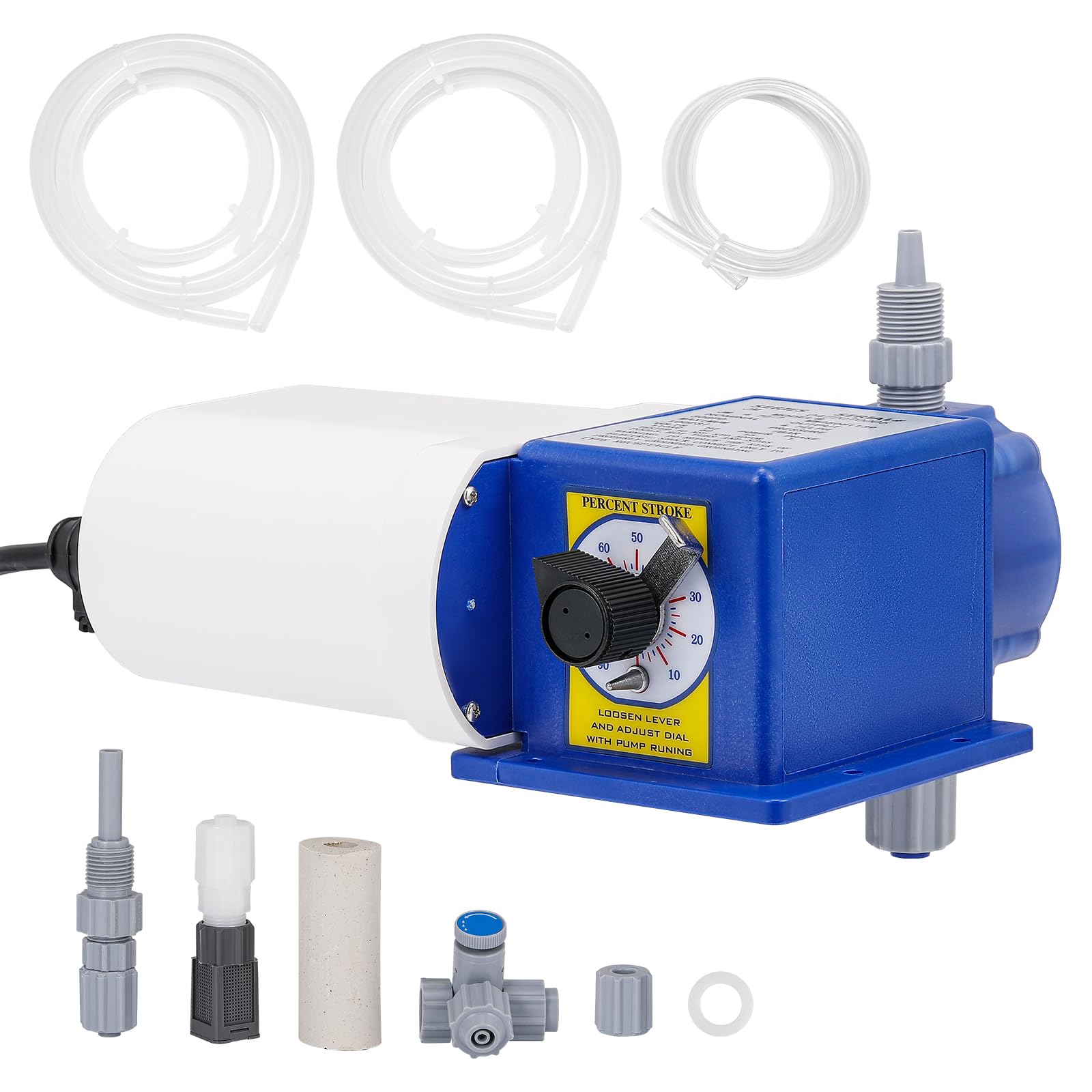
Performance buyers need repeatable accuracy under changing pressure, plus controls that log or adjust the dose automatically. Stepper motor and solenoid designs with digital displays, flow pacing from a meter signal, and alarm outputs earn their higher price here. Check the turndown ratio, because a wide ratio lets one pump handle low night doses and peak daytime doses. Chemical compatibility must be exact, with head and seal materials rated for your full chemical strength, not a diluted version.
For Value Seekers
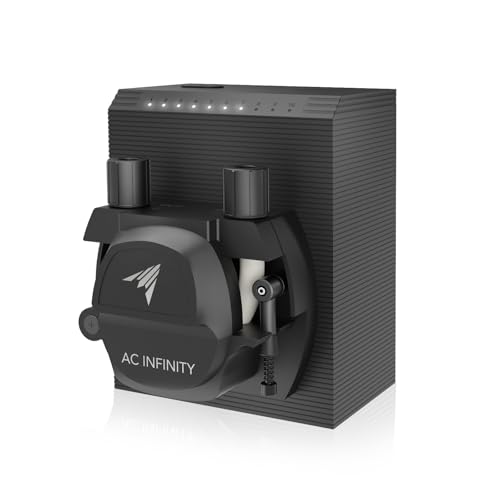
Value seekers should balance purchase price against tube, diaphragm, and seal replacement costs over three to five years. A mid priced pump with common spare parts and a two year warranty often costs less overall than a bargain pump that needs a new head each year. Favor standard fittings so hoses and valves are easy to source locally. Avoid paying for connectivity or displays you will never use. Money saved there is better spent on a spare tube set and a calibration cylinder.
Key Features to Compare
Once your group is clear, compare features in this order. Compatibility and flow range come first, because a pump that fails either one cannot do the job at all. Controls, build, and support refine the choice after those basics pass.
Build Quality and Materials
The wetted materials decide whether the pump survives your chemical. PVDF heads resist a wide range of acids and chlorine products, while polypropylene suits milder chemicals at lower cost. Seals matter just as much. EPDM handles many water treatment chemicals but swells in oils, while fluoroelastomer seals handle more aggressive products. Tubing on peristaltic models is a wear part, so check its rating and replacement interval. A sturdy housing with sealed electronics also matters in damp plant rooms and pool sheds.
Warranty and Customer Support
Look for at least a one year warranty, with two years a better sign of confidence for daily duty pumps. More important is whether diaphragms, tubes, valves, and check balls are sold separately and shipped quickly, because dosing jobs rarely wait a week for parts. Good support includes a sizing helpline, chemical compatibility charts, and manuals that list torque and priming steps. If a seller cannot confirm compatibility for your exact chemical and concentration, treat that as a stop sign, not a small detail.
Key Performance Specs
Match three numbers to your job. First, maximum flow must cover your highest dose with room to spare, ideally with your normal dose in the middle of the range. Second, maximum pressure must exceed your injection point pressure, or the pump will underdose or stall. Third, accuracy and repeatability tell you how stable the dose stays, which matters for disinfection and pH control. Also check suction lift if the tank sits below the pump, and confirm the pump can prime reliably after the tank runs low.
Price vs Value
Budget pumps under about $150 suit light, supervised dosing with mild chemicals and low pressure. Mid range pumps around $150 to $500 add better materials, steadier output, and usable controls for daily commercial or pool work. Premium pumps above about $500 bring precise motors, signal inputs, alarms, and longer service life for regulated or unattended systems. Judge value by cost per year of reliable dosing, including wear parts and downtime, not by the box price alone. Our overview of the best dosing pumps explains how these tiers differ across pump styles.
Intended Use and Who It's For
Write down your chemical, concentration, dose per hour, system pressure, and hours per day before you compare models. Pool dosing, water treatment, agriculture, laundry, and car wash systems each stress a pump differently. A pump sold for one duty may use seals that fail in another. If your use involves a related transfer job as well, our guide to the best chemical pumps covers the broader pump types that move larger volumes. Keep dosing and transfer roles separate in your plan, because accuracy and volume are different jobs.
Common Mistakes to Avoid When Buying Chemical Dosing Pumps
- Choosing by price alone and ignoring seal and head compatibility with your exact chemical.
- Oversizing the pump so your normal dose sits at the very bottom of its range, where control is poor.
- Ignoring injection pressure, then wondering why the delivered dose falls short.
- Skipping a calibration cylinder, so you have no simple way to verify the real dose.
- Forgetting wear parts and buying a model with no local supply of tubes or diaphragms.
Each mistake is cheap to prevent on paper and expensive to fix after installation. A ten minute sizing check saves hours of troubleshooting later.
Tips to Get the Most From Your Chemical Dosing Pump
Read the manual before first use, especially the priming and calibration steps, and keep a simple log of dose settings and part changes. Clean and inspect regularly. Check tubing for clouding or cracks, rinse the injection point before scale blocks it, and confirm the foot valve stays submerged and clean. Store spare tubes and seals in a dry place away from sunlight. Always wear gloves and eye protection when handling chemicals, ventilate the area, and never mix chemicals. Follow the chemical supplier safety sheet for storage and spill steps.
FAQs
How do I maintain a chemical dosing pump?
Maintain the pump by inspecting tubing, valves, and seals on a set schedule and replacing wear parts before they fail. Rinse lines with clean water when you change chemicals, unless the supplier advises a different flush. Check the injection valve for scale or debris, verify output with a calibration cylinder monthly, and keep a log. Shut off power and depressurize the line before opening any fitting, and wear gloves and eye protection throughout.
What features matter most when buying chemical dosing pumps?
Chemical compatibility, flow range, and pressure rating matter most. If the head and seals cannot handle your chemical at full strength, nothing else counts. Your normal dose should sit comfortably inside the flow range, and the pressure rating must beat your injection pressure. After that, compare controls, alarms, and parts availability. A pump with clear calibration and locally available wear parts will serve you better than a feature rich pump you cannot service.
How much should I spend on a chemical dosing pump?
Spend under about $150 only for light, supervised work with mild chemicals. Most daily pool, laundry, and small treatment jobs fit the range of about $150 to $500, where materials and control improve sharply. Regulated, unattended, or high accuracy systems justify above about $500. Include wear parts, a calibration cylinder, and proper fittings in your budget from the start, because those extras are part of a working installation, not optional add ons.
Are expensive chemical dosing pumps worth it?
Expensive models are worth it when dosing errors carry real cost, such as failed disinfection, damaged equipment, or wasted chemical. Better motors hold accuracy across pressure changes, and alarms warn you before a tank empties or a line blocks. For a simple, watched task with a mild chemical, the premium buys little. Match the spend to the risk. The more unattended the system and the stronger the chemical, the more the upgrade earns its price.
How long does a chemical dosing pump last?
The pump body and motor often last five to ten years, while wear parts last far less. Peristaltic tubes may need changing every six to twelve months in daily use, and diaphragms and seals commonly last one to three years depending on the chemical. Heat, strong chemicals, and running dry shorten every interval. A pump that is sized correctly, kept primed, and serviced on schedule reaches the long end of these ranges far more often.
Final Thoughts
Compatibility, correct sizing, and serviceable parts decide success with dosing equipment. Pick your buyer group, confirm flow and pressure with margin, and plan for wear parts before you order. When you compare best chemical dosing pumps that way, the product table above becomes a short, confident choice. Recheck your chemical name and concentration one last time against the maker chart, then order the pump that fits your routine. Specialty uses such as aquariums follow the same rules, as shown in our guide to the best dosing pumps for reef tanks.