
Best Chef Towels: The Buyer Checklist We Use for 2026
Disclosure: We may earn a commission when you buy through links on this page, at no extra cost to you. As an Amazon Associate I earn from qualifying purchases. Learn more
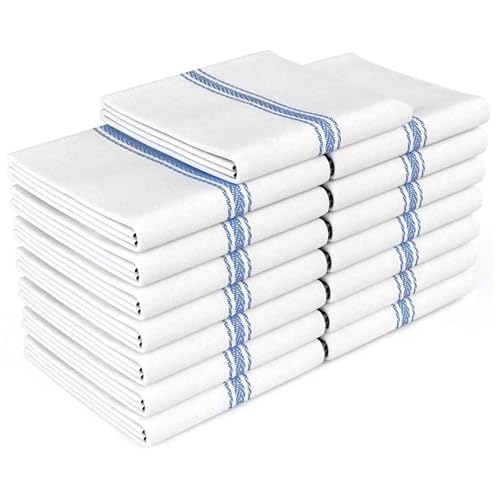
Use this buyer checklist for the best chef towels to compare absorbency, fabric, size and durability, and choose towels that fit your kitchen.
In a working kitchen, a towel is in your hand all day. You dry your hands on it, wipe plate rims with it, clear crumbs from a board and mop up small spills before they spread. That constant use is why the best chef towels earn their place through fabric, weave and size, not through color or branding. A towel that stays soggy, sheds lint or thins out after a month quickly becomes a daily frustration.
This guide turns that daily experience into a simple checklist you can use before you buy. You will learn how weave changes absorbency, how size and weight affect handling, and how laundering tolerance decides whether a pack still performs after months of hot washes. Start with the comparison table below, then work through each criterion in order.
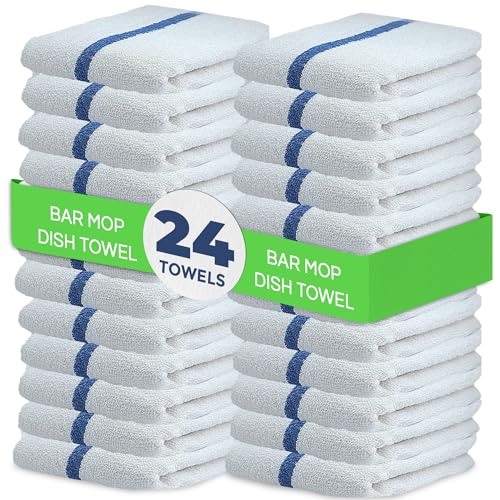
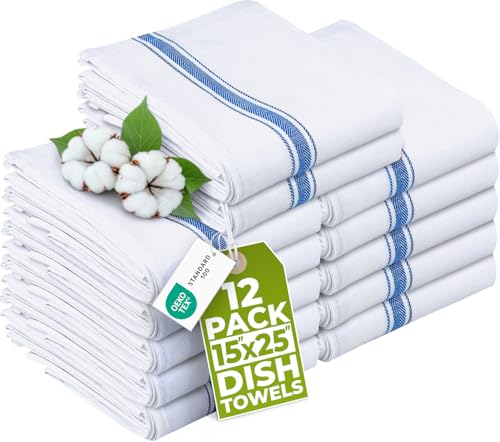

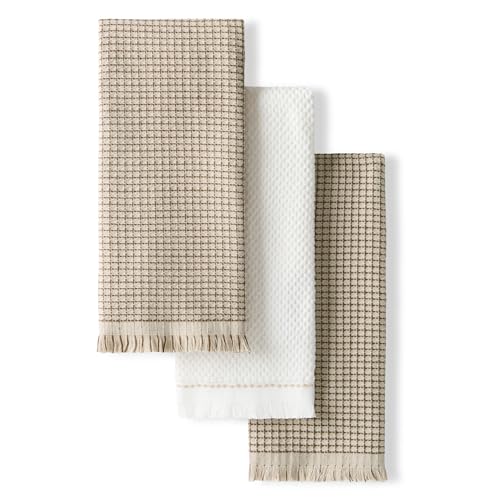
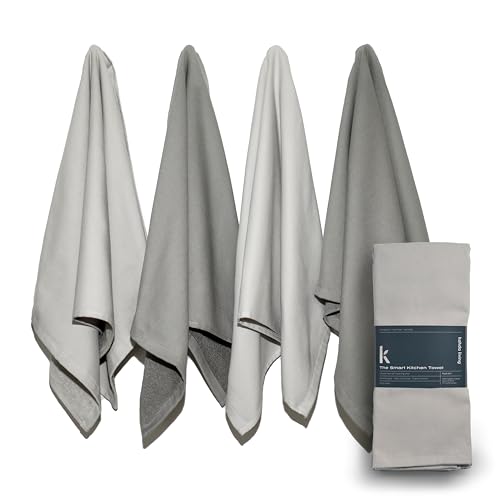
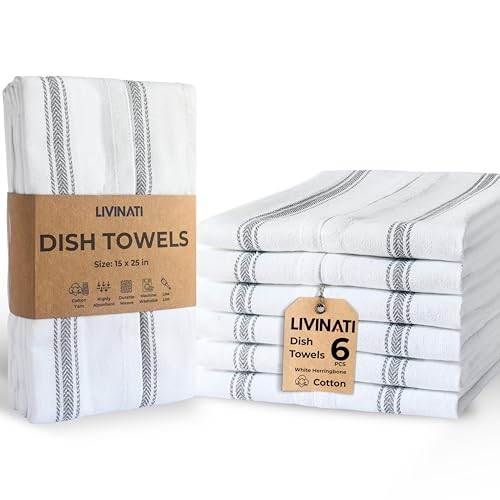
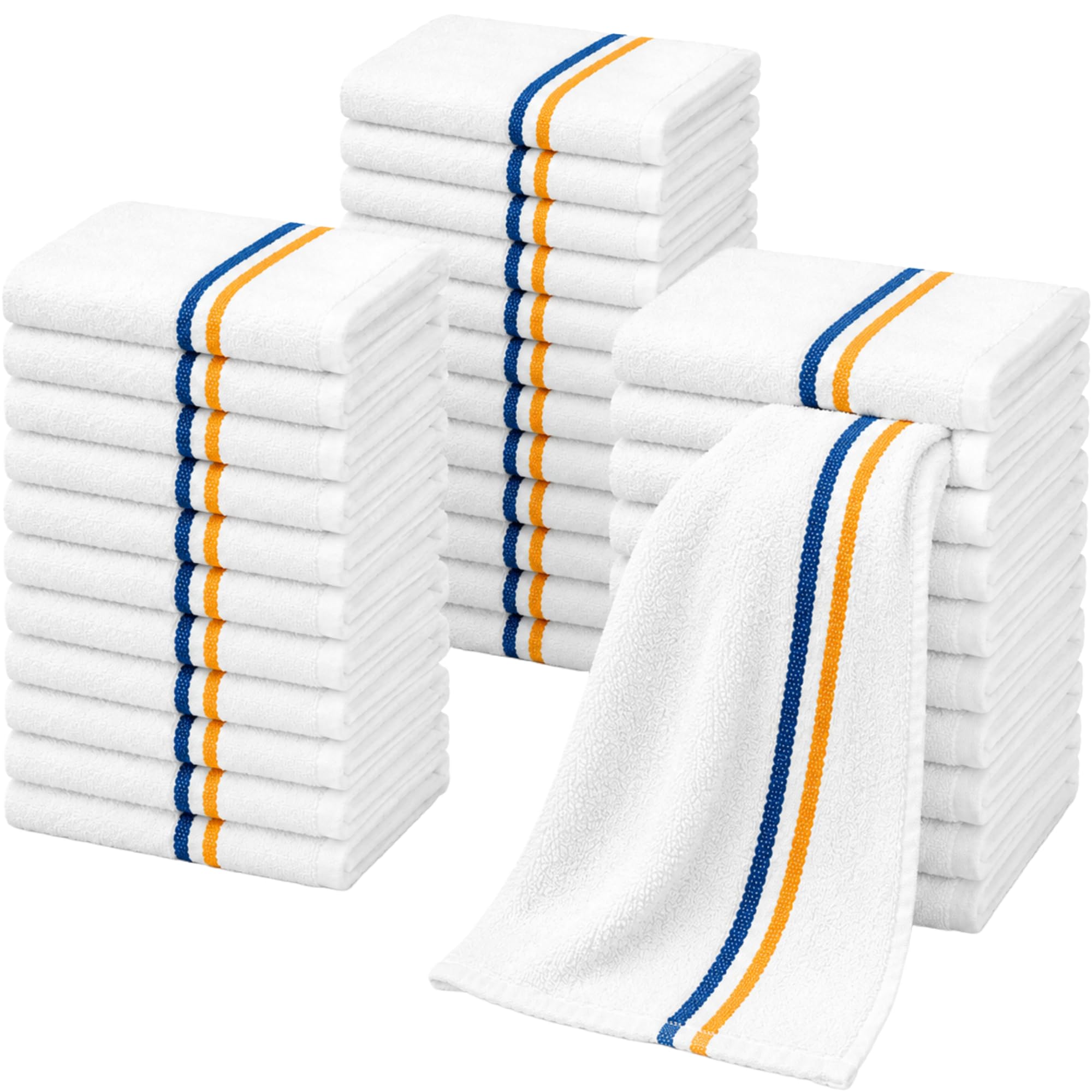
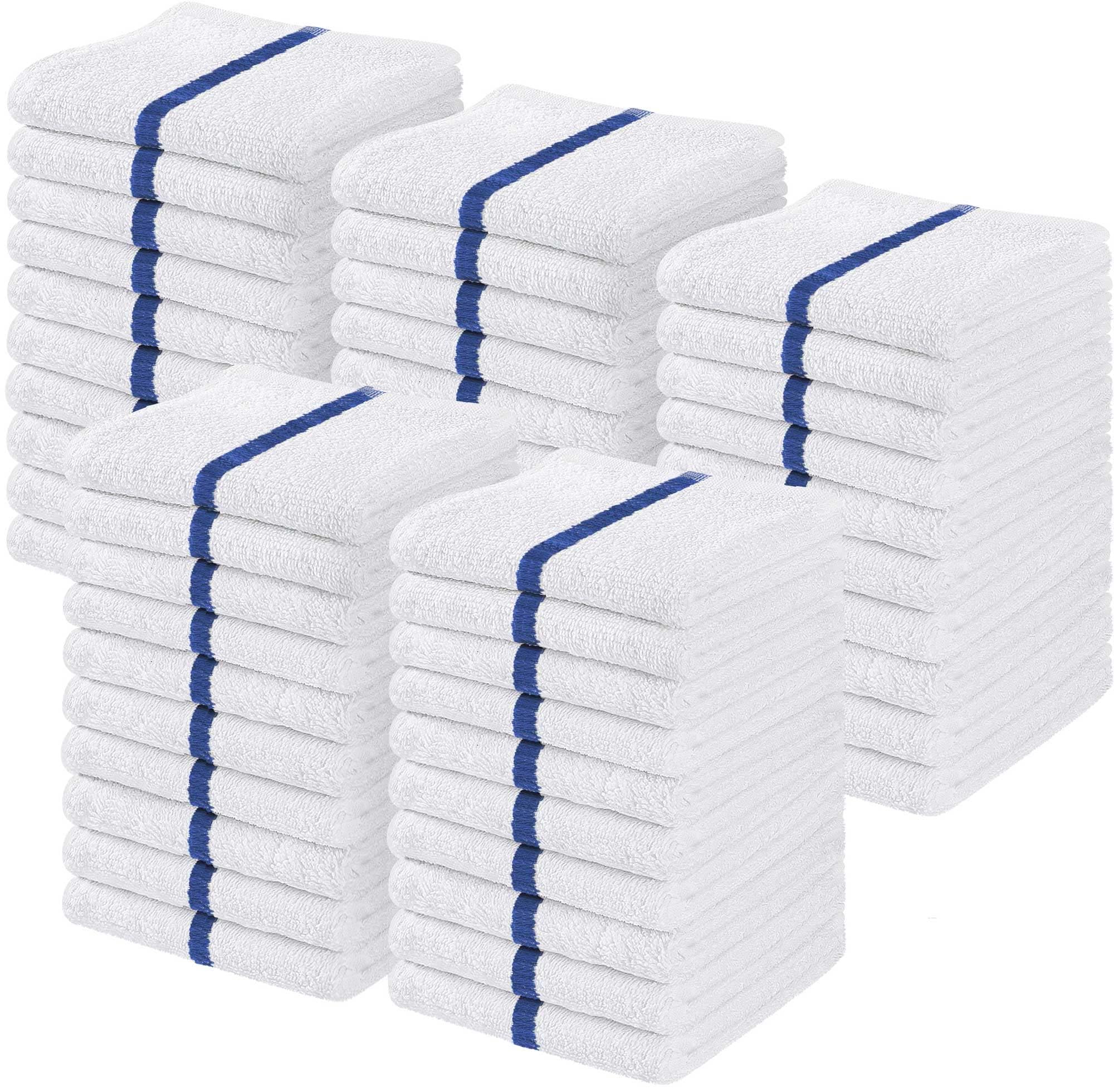
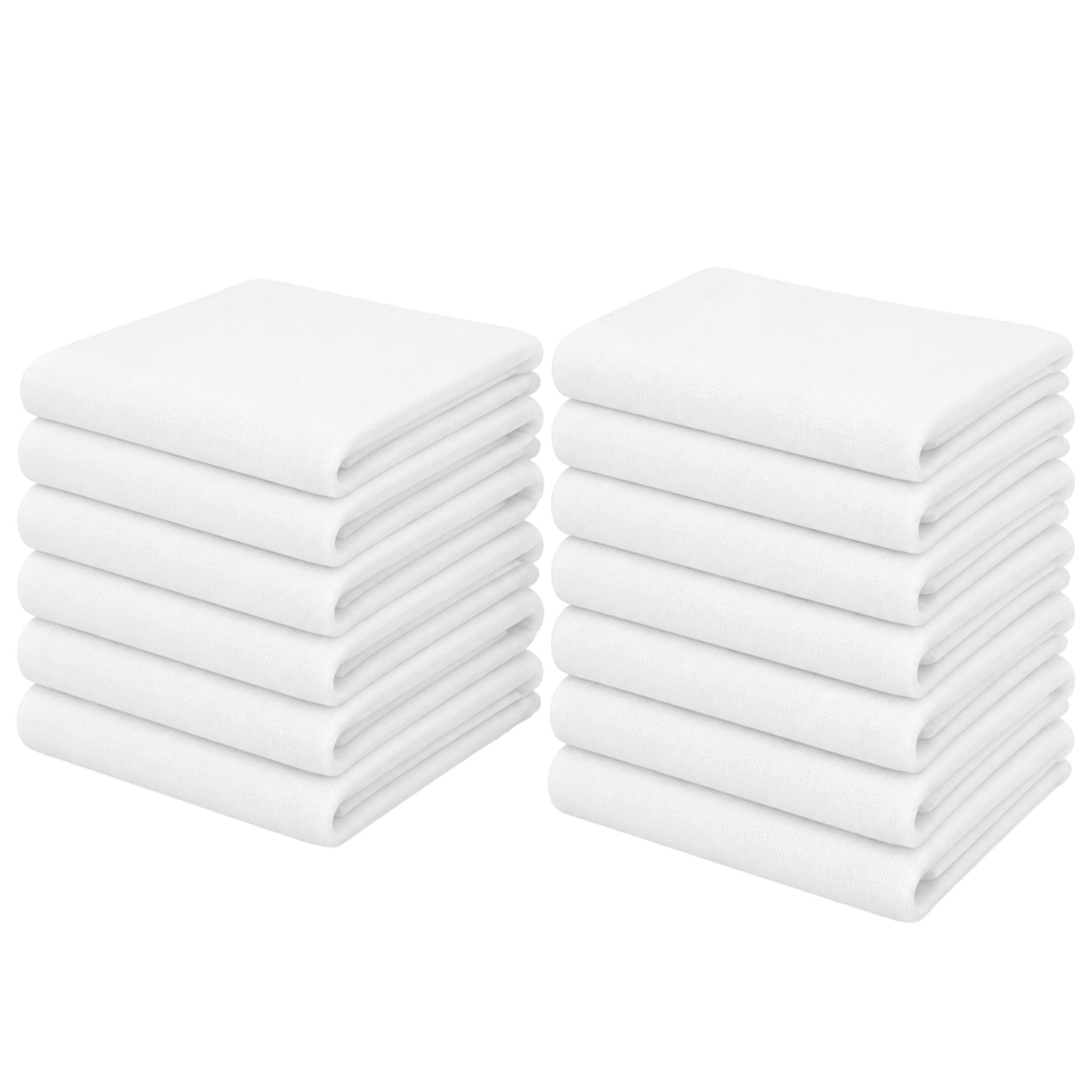
How to Evaluate Chef Towels Before You Buy
Scores and star ratings tell you very little about how a towel behaves at a busy station. The six checks below are more useful, because each one maps to a job the towel must do every day. If you want a wider starting point before you narrow the field, see our guide to the best kitchen towels for chefs and then return to these checks with a short list in mind.
Material and Construction
Most chef towels use plain woven cotton rather than plush Turkish cotton, and the weave decides how the towel performs during service. A flat flour sack weave feels thin, dries fast and wipes glassware and plate rims clean, while a herringbone weave adds body for boards and produce. Terry loops soak up large spills yet hold moisture longer and can drop lint, so many cooks keep terry for the dish area only. Check that hems are stitched on all four sides, and if fabric quality matters most to you, see our guide to the best quality towels for more detail on cotton grades.
Absorbency and Quick Dry Performance
Absorbency is the towel capacity to pull water off hands, tools and surfaces and hold it until you wring the towel out. Dense, thirsty fibers take up spills in one pass, while loose or coated fibers push water around and force a second wipe. Drying speed matters just as much, because a towel that stays damp for hours grows sour odors and needs changing far more often. Thin flat weaves release water quickly when hung up, so a quick dry style suits busy stations where towels rotate all day.
Durability and Laundering Tolerance
Kitchen towels face hotter water, stronger detergent and far more wash cycles than most household linens, so construction must survive that routine. Tightly woven fabric keeps its shape after repeated washing, while loose weaves shrink unevenly, stretch and twist after washing. Colorfast dyes matter on striped and colored towels, because fading after a few washes makes a full set look worn and mismatched. White cotton towels tolerate the most aggressive washing, which is why busy kitchens still rely on them daily.
Size, Weight and GSM
Size decides where a towel can work, with small towels around 12 by 12 inches suiting glass polishing and large ones around 16 by 28 inches covering spill duty. GSM, or grams per square meter, describes fabric weight, and lower GSM towels feel thin and nimble while higher GSM towels feel thick and thirsty. Many cooks carry a midweight towel over the shoulder or at the waist, so drape and bulk matter as much as the stated dimensions. For a closer look at the narrower shoulder style, see our guide to the best chef side towels before you settle on one size for every job.
Safety and Certifications
An OEKO TEX label means the fabric was screened for harmful substances, which matters for a towel that touches hands, produce and plate rims all day. Treat every towel as a dry tool only near heat, because a wet or damp towel conducts heat fast and can cause a painful burn. Keep towels away from open flames, and wash grease soaked towels promptly, since oily fabric stored in a warm pile is a fire risk. Separate colors or stripes for raw prep and ready to serve foods, because a simple color system helps the whole team avoid cross contamination.
Style, Color and Practical Value
The classic white towel with a single stripe is popular for a practical reason, since the stripe marks it as a kitchen towel at a glance. Colored towels hide stains better and can match a home kitchen, though dark dyes make it harder to see whether a towel is truly clean. Chef towels feel lean and utilitarian by design, and if you are also stocking a bathroom, see our guide to the best bathroom towels to feel the contrast with plush bath styles. On value, compare cost per towel, since a pack at around $30 that survives a year of washing beats a cheaper pack replaced each season.
Buying Guidance: Match the Towel to Your Work
There is no single right towel for every kitchen, only the right match for your volume, your stations and your laundry routine. Use the three profiles below to decide which traits deserve your budget.
Busy Professional Kitchens and Catering Teams
High volume kitchens burn through towels, so buy large packs and plan a rotation that keeps a clean stack at every station. White or striped towels simplify sorting and tolerate the hottest washing, which keeps the whole set at one standard. Keep separate stacks for raw prep, cooking and plating, and replace any towel that touches the floor straight away. If you are building out your station kit, see our guide to the best chef knife sets as a companion read.
Home Cooks Who Cook Every Day
Daily home cooking calls for fewer towels but more variety, since one towel dries hands while another gives a dry grip on a sheet pan or pot lid. A mixed set works well here, with flat weave towels for glassware and a few thicker towels for spills and dish duty. Colors that hide light staining keep the set looking presentable when towels hang in view between meals. Choose a pack count that covers your wash rhythm, so a clean towel is ready even on laundry day.
Small Kitchens and Occasional Cooks
Limited drawer space rewards thinner towels, because flat weaves fold small and stack neatly where thick terry would overflow the drawer. If you cook a few times a week, a modest pack in one versatile size covers most jobs without excess laundry. Hang the towel in use on a hook or bar after each task, since airflow in a small kitchen may be limited. Pick one color family so any towel can serve any station, which keeps a small routine simple.
Quick Buyer Checklist
Run through these questions before you order, and let a no answer send you back to the details. The best chef towels for your kitchen should earn a yes on nearly every line, not just a low price.
- Is the weave named clearly, such as flour sack, herringbone or waffle, rather than left vague?
- Does the stated size fit your main jobs, from hand drying to spill cleanup?
- Will the fabric weight dry fully between uses in your kitchen?
- Can the towels handle hot water washing without shrinking out of shape?
- Does the pack count cover a full wash cycle at your pace of cooking?
- Have you planned separate colors or stripes for raw prep and finished plates?
- Does the listing mention a fabric certification if that matters to you?
- Do the care steps fit the routine you will actually follow each week?
If most answers are yes, compare your finalists in the product table above and order with confidence.
Red Flags to Watch For
Weak listings share a pattern of missing detail, and each gap predicts a problem in the first month of use. Treat two or more of these signs together as a reason to walk away.
- Fabric listed only as a cotton blend with no percentages, which often means a thin fabric that loses absorbency quickly.
- No dimensions anywhere in the listing, which leaves you guessing whether the towel can cover a board or a spill.
- Stock photos with no close view of the weave or hems, which hides the construction details that decide durability.
- A very large pack at a very low price, which usually signals fabric so thin it tears or thins within weeks.
- Reviews that repeat the same praise in similar words, which makes the rating hard to trust for everyday performance.
None of these signs proves a towel is poor on its own, but together they show a seller hiding the facts you need. Trust listings that state fabric, size, weight and care plainly.
Tips to Get the Most From Your Chef Towels
Wash new towels before the first use, because a factory finish can block absorbency and loose lint needs a wash to clear. Skip fabric softener on these towels, since softener coats the fibers and leaves them pushing water around instead of soaking it up. Wash greasy towels with enough detergent and hot water when the fabric allows, and avoid packing the drum so full that soil stays trapped in the folds.
Dry towels fully before you fold and store them, because fabric stored damp develops a sour smell that washing struggles to remove. Rotate two or three sets through the week so no single towel takes every wash, and hang the towel you are using where air can reach it between tasks. Store folded towels in a dry drawer near your main prep area, so a fresh one is always within reach during service.
Frequently Asked Questions
What GSM is best for chef towels?
For most kitchens, a midrange weight around 250 to 400 GSM gives the best balance for chef towels. Match the weight to the station instead of chasing one number for the whole kitchen. Lighter towels near prep dry fast between hand washes, while heavier towels at the dish area absorb standing water in fewer passes. If you only buy one weight, choose the middle, since extremes feel either flimsy or slow to dry.
How do you keep chef towels fresh longer?
Freshness starts with washing chef towels soon after heavy use, before food soil and grease can set into the fibers. Shake out crumbs and give greasy spots a prompt rinse, then wash on a full cycle and dry the load completely before storing it. An occasional rinse with plain white vinegar can help strip detergent buildup that traps odors. Store the clean stack in a dry, open area rather than a closed damp cabinet.
How often should you replace chef towels?
Replace chef towels when they stop absorbing well, feel thin in the center, or keep a sour smell after a full wash and dry. Heavy daily use can wear a towel out within several months, while lighter home use may stretch the same towel past a year. Frayed hems, holes and rough patches that could scratch delicate glassware are also clear signals. Replacing on condition rather than on a calendar keeps performance steady.
Are premium chef towels worth the extra cost?
Premium chef towels can be worth the cost when the higher price buys denser fabric and stronger stitching that survive far more washes. Think in cost per year rather than cost per pack, because a towel that lasts three seasons costs less over time than a thin towel replaced each season. Occasional cooks may never wash a set often enough to see that payoff, so everyday value options suit them better.
Final Thoughts
The right choice comes down to three checks: a weave that suits your tasks, a size and weight you can handle all day, and fabric that survives your wash routine. Compare your finalists once more in the product table above, and choose the set that fits the way you actually cook. The best chef towels are the ones you stop noticing, because they dry, wipe and launder without fuss week after week. Prices and availability can change, so check the product page before ordering.


