
Best Cheese Grater for Hard Cheese: How to Choose for 2026
Disclosure: We may earn a commission when you buy through links on this page, at no extra cost to you. As an Amazon Associate I earn from qualifying purchases. Learn more

Choose the best cheese grater for hard cheese by comparing box, rotary and rasp styles on blade sharpness, stability, cleaning and storage.
A wedge of aged Parmesan can defeat a dull grater in seconds. It crumbles into chunks, skids across the board, and leaves you pressing harder while the shreds stay uneven. Choosing the best cheese grater for hard cheese means choosing a blade that bites into dense cheese with steady pressure, plus a body that stays put while you work. The comparison table below sums up the main types side by side.
This guide is written for real homes rather than large kitchens. It weighs cabinet space, the number of people you cook for, how often you grate, and what you can spend and maintain over time. By the end, you will know which type suits a quick pasta topping, a weekly batch for sauces, or a firm aged block you grate almost daily.
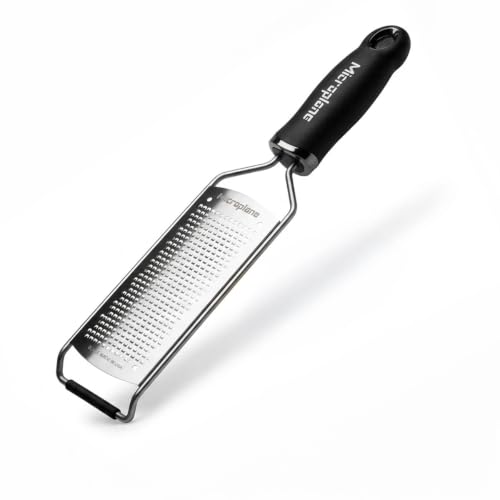


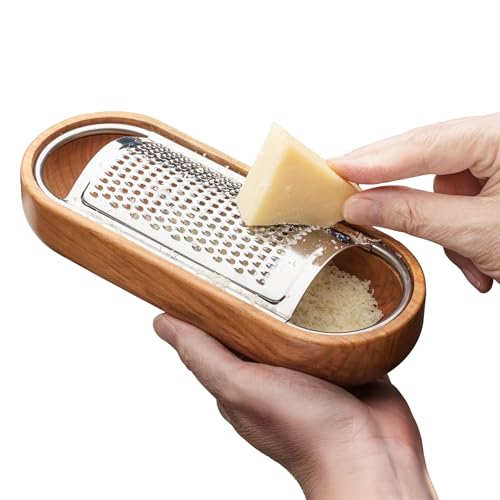


Quick Answer: Which Type Fits Your Home
For most homes, start with the type, not the brand. A box grater covers the widest range of hard cheeses and textures. A rotary grater trades some texture control for easier turning and safer hands. A flat rasp makes fine, fluffy piles from very hard cheese but only in small amounts.
- Box grater: best when you grate varied amounts and want coarse and fine results from one tool.
- Rotary grater: best when wrist strength is limited or children help at the counter under supervision.
- Flat rasp: best when storage space is tight and you mostly finish dishes with a small shower of cheese.
Who Should Buy Which Grater for Hard Cheese
Your household size and grating habits matter more than any single feature, so match the groups below to your routine.
Small Households That Grate a Little at a Time
If you cook for one or two people, you likely grate a spoonful or two over soup, eggs, or pasta. A flat rasp or a compact box grater earns its drawer space without crowding it. Look for a protective cover for storage, since an exposed blade can nick hands reaching into a narrow drawer.
Families That Grate in Bigger Batches
Households cooking for four or more often grate a full cup or more for casseroles, sauces, and baked pasta. A sturdy box grater with a catch container saves transfers and keeps shreds off the counter. A rotary model also suits batch work when several dishes in a row call for cheese.
Cooks Who Buy Very Hard Aged Cheese Often
If Parmesan, Pecorino Romano, or aged Gouda is a weekly staple, sharpness matters more than extra blade sides. Dense, dry blocks punish weak tools and reward a blade that shaves cleanly instead of tearing off crumbs. Choose the strongest handle and base you can afford, since you will apply firm pressure every time.
Key Features to Compare Before You Buy
The five points below decide how a grater handles hard cheese in daily use. They matter more than color, extra attachments, or a long list of blade sides.
Which Type Fits Your Routine
Box graters stand on the counter and give you several hole sizes, while flat and rasp styles rest over a bowl or board and store in a drawer. If turning a handle sounds easier than pushing a block down a blade, see our guide to the best rotary cheese grater designs for how the drum and clamp work. If you grate large amounts every week and want powered help, compare the options in our guide to the best electric cheese grater range before paying more.
Blade Sharpness and Hole Size
Hard cheese needs teeth that cut on contact, because pressing harder to force a dull blade invites slips and crumbled chunks. Etched blades are cut into the steel and usually feel sharper and stay keen longer than stamped holes that are punched and bent outward. Coarse holes give thick shreds for melting, while fine holes and rasp teeth give powdery piles for finishing. For dense blocks, prioritize one truly sharp coarse side and one fine side over four mediocre sides.
Stability, Handle, and Catch Container
A grater that rocks on the board forces you to steady it with one hand while the other pushes the cheese, and that split focus leads to uneven shreds. Look for wide rubber feet or a base ring that grips the counter, plus a handle you can hold with a full fist. A container that fits under the box catches shreds and shows how much you have grated, which helps when a recipe calls for a measured cup.
Materials and Food Safety
Most graters for hard cheese use stainless steel, which resists rust and does not react with salty, aged cheese during normal contact. Thicker steel matters at the frame and handle joints, where repeated pressure can flex thin metal and loosen rivets over time. Plastic parts should feel dense rather than brittle, and any container or cover should close without gaps where old cheese can hide. If a listing gives no steel or plastic details at all, treat that silence as a reason to keep looking.
Dishwasher Safe or Hand Wash
Many steel graters can go in the dishwasher, but water jets rarely clear cheese packed into fine teeth, and residue left behind hardens as it dries. Hand washing in warm soapy water soon after use is faster and gentler on sharp edges, and a stiff brush clears the holes from the back side. Whichever method you choose, dry the grater fully before storage, since moisture trapped under a cover or in a drawer can dull edges and invite rust spots on lesser steel.
Realistic Budget Ranges
Simple flat graters and basic box models often cost about $10 to $25, and that range is enough for sharp steel and a sound handle. Mid priced box and rotary models at about $25 to $50 usually add a container, stronger frames, and covers for storage. Spending over $50 makes sense mainly for powered models or unusually sturdy builds you will use for years. Extra blade attachments you will never use add cost and drawer clutter without improving hard cheese results.
Our Selection Process for This Guide
We compare models on ease of use with dense cheese, durability of the frame and blades, cleaning effort, storage design, and value for the price. Our points come from maker specifications and patterns in verified buyer feedback, such as handles loosening or teeth clogging. We leave live prices to the product pages linked in the product table above.
Living With It: What Really Matters in Daily Use
Technique changes results as much as the tool does. Cold cheese straight from the fridge grates cleaner than a warm block, which smears and packs the teeth. Use long, steady strokes and let the blade do the cutting instead of forcing the block down. If you are new to a style, the basics in how to use a cheese grater will help you set your grip and angle from the first use.
Hard cheese also rewards planning by dish. Fine piles melt into sauces and cling to pasta, while thicker shreds hold their shape on gratins and salads. Parmesan behaves a little differently from other aged blocks because it is drier and more crumbly, so see our guide to the best cheese grater for parmesan if that is the cheese you grate most.
Common Buying Mistakes to Avoid
- Buying the smallest grater to save space, then struggling through weekly batch cooking with a tool that fills and clogs in minutes.
- Choosing extra blade sides over sharpness, so the one side you use daily still tears dense cheese into crumbs.
- Ignoring handle shape, then gripping a thin loop with wet hands while pressing a firm block downward.
- Storing a grater uncovered in a crowded drawer, where the teeth dull against other tools and can cut a reaching hand.
- Paying for powered features for a spoonful of cheese twice a week, then leaving the unit on the counter unused.
Cost of Ownership and Care
A manual grater has almost no running cost, since it needs no power, filters, or replacement parts during normal use. Your main cost over time is a full replacement once the teeth grow dull, because home sharpening rarely restores fine grating teeth well. Electric models add cord and motor care, plus parts that may be harder to replace, so weigh that against how much you truly grate.
Store the grater dry with its cover on, or hang it where the blades cannot rub against other metal. A dull or damaged blade deserves prompt replacement, since forcing it raises the effort behind every stroke. For the full routine step by step, read how to clean a cheese grater before the residue from a hard cheese session sets in the teeth.
Your Questions, Answered
What is the best cheese grater for hard cheese?
The best choice is the type that matches the cheese you buy most and the amount you grate at once. A sharp box grater suits varied home cooking, a rotary suits gentler handling, and a rasp suits small amounts of very dry cheese. If you only try one, pick for your weekly routine rather than a rare holiday dish, since daily fit decides whether the tool gets used.
Is a cheese grater worth it if you already buy grated hard cheese?
Yes, for most home cooks who use hard cheese weekly. Blocks keep their flavor well in the fridge, and cheese you grate yourself melts smoothly because it carries none of the coatings added to packaged shreds to stop clumping. If you use only a spoonful each month, though, the tool may sit idle, and buying small amounts already grated can be the simpler choice.
How long does a cheese grater last with regular home use?
A manual stainless steel grater can serve for many years of weekly use, though very hard cheese and daily grating wear the teeth faster. You can spread that wear by using more than one side when the texture allows, instead of always reaching for the same holes. Replace the grater when shreds turn ragged and you notice yourself pressing much harder than when it was new.
Can you grate hard cheese ahead of time and store it?
Yes, and batch grating is one of the easiest ways to speed up weeknight cooking. Store the shreds in an airtight container in the fridge and use them within a few days for the best texture and flavor. For longer storage, freeze the container and shake it as the shreds chill, which helps keep them loose enough to scoop out by the handful later.
How do you grate the last small piece of hard cheese safely?
Stop grating while the piece is still large enough to hold with your fingertips clear of the teeth. Press the flat of your palm over the top of the piece for the next few strokes, keeping your fingers curled up and away. When only a nub remains, set the grater aside and finely chop the nub with a knife for sauces or soups rather than chasing the final shreds.
Final Thoughts
Hard cheese rewards a sharp blade, a steady base, and a size that fits your storage and your household. Look back at the product table above, match one type to the way you cook most weeks, and you will have found the best cheese grater for hard cheese for your home. For a wider look at styles beyond hard cheese, see our guide to the best cheese grater options for everyday use.


