Best Cheer Shoes for Tumbling: How to Choose for 2026
Disclosure: We may earn a commission when you buy through links on this page, at no extra cost to you. As an Amazon Associate I earn from qualifying purchases. Learn more

Choose the best cheer shoes for tumbling by comparing grip, forefoot flex, landing cushioning and heel hold for beginners through advanced tumblers.
Tumbling is hard on shoes. Feet strike the floor at speed, push off through a roundoff and rebound, then land again, over and over in a single practice. The best cheer shoes for tumbling grip on takeoff, bend where the foot bends and cushion landings without feeling heavy. This guide explains how those three jobs work together so you can choose a pair that suits your skills.
The comparison table below shows the main options, and the sections that follow help you match sole, support and fit to the passes you actually throw.


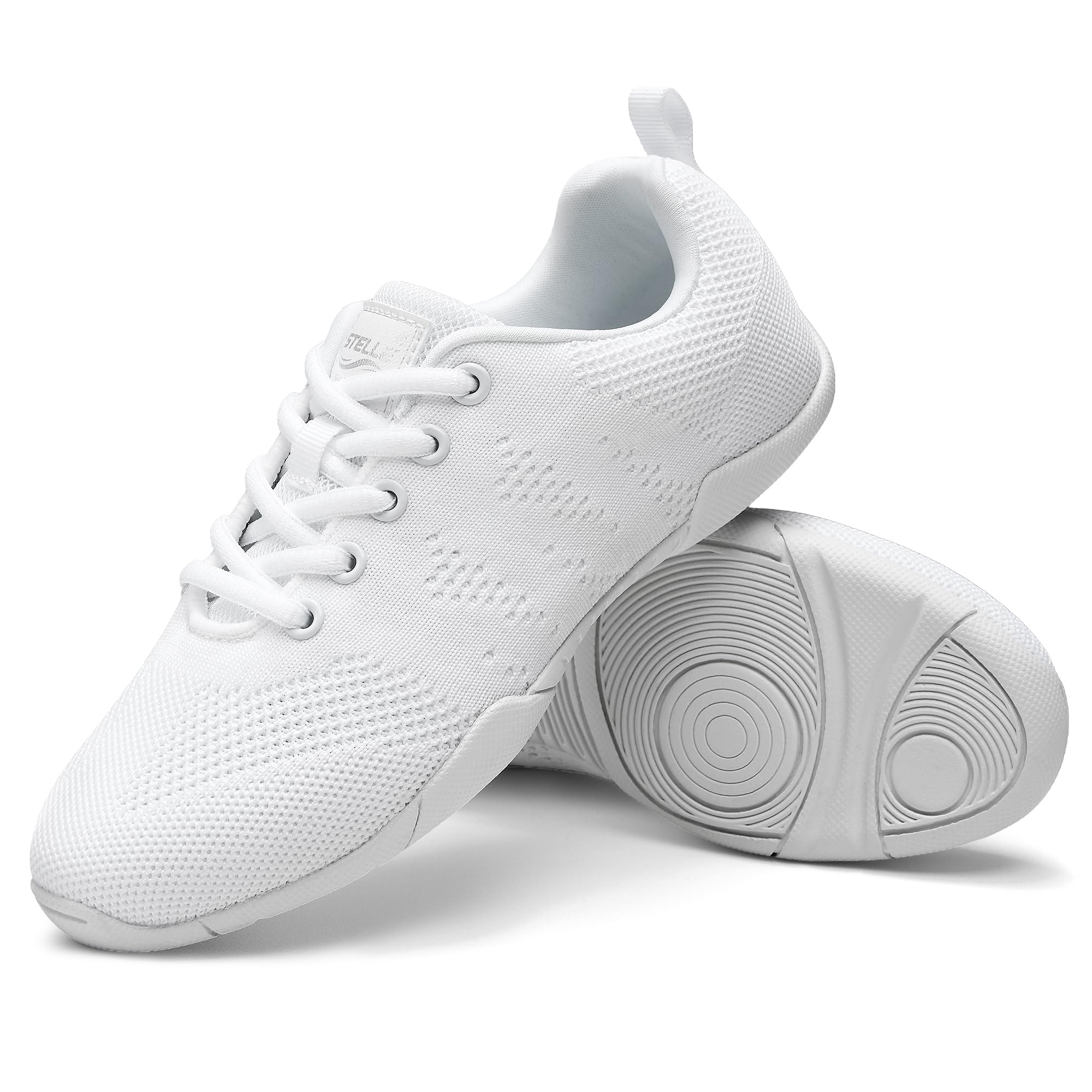


What Tumbling Does to a Shoe
A roundoff back handspring series loads the shoe in three stages. The foot plants and grips, the forefoot flexes as the body drives forward and up, and the heel and forefoot absorb the landing. A shoe that slips on takeoff costs power, one that resists bending slows the pass, and one with flat foam leaves the joints to absorb the impact.
Spring floors, tumbling tracks and mats all feel different underfoot. A sole that grips a spring floor well may stick on a mat, so test shoes on the surface you use most. Because tumbling is repeated impact, pain that lasts more than a day, swelling or a feeling of instability deserves a rest and advice from a coach or clinician.
Choosing the Best Cheer Shoes for Tumbling by Skill Level
New Tumblers
Beginners benefit from a little more structure around the heel and arch while they learn landings. A shoe with a firm heel cup and a moderate flex point supports the foot without hiding the feel of the floor. Avoid choosing the lightest pair first, since thin cushioning gives little forgiveness on early landings.
Intermediate Tumblers
As skills grow, athletes usually want more forefoot flexibility and a closer feel of the floor. A lighter shoe with balanced cushioning helps rebound while still softening landings in a long practice. This is also when a second pair makes sense, one for training and one kept fresh for competition.
Advanced Tumblers
Advanced tumblers throw more passes and bigger skills, so they want maximum flex, grip and low weight, plus cushioning that survives hard landings. Wear shows quickly at this level, so check the sole bond, toe area and heel counter often.
Key Features to Compare
Fit and Heel Hold
The shoe should hug the midfoot and heel without pinching toes. Measure both feet in the afternoon, leave about a thumb width at the front and jump a few times to check for heel slip. Do not buy a size up for growth, since a loose heel lifts during tumbling.
Sole Grip and Flexibility
The outsole should grip a mat or floor without sticking and bend at the ball of the foot. A sole that is too stiff slows a pass, while one that is too slick makes landings feel unsafe.
Cushioning for Landings
Cushioning should absorb impact at the heel and forefoot while keeping the foot close to the floor. Too much soft foam feels wobbly, so look for balanced cushioning that protects joints without dulling floor feel.
Weight and Breathability
A light shoe reduces fatigue, and breathable fabric helps feet stay dry. Judge the shoe after a full session, not only in the shop, because a shoe that feels light at first can still tire the legs.
Types of Tumbling Shoes
- Lightweight tumbling shoes with thin soles and flexible uppers, for speed and floor feel.
- Supportive training shoes with structure around the arch and ankle, for long sessions and heavier landings.
- Court style cheer shoes with a flat, grippy sole, for athletes who tumble, stunt and cheer in the same practice.
Tumblers who also stunt may want to read our guide to the best cheer shoes for flyers or the best cheer shoes for bases, and the best cheer shoes overview compares every role. For a first time buyer's view, our guide to the best cheer shoes for tumblers explains the terms.
Break In and First Use
Most pairs need two to four practices to soften. Wear new shoes for drills and conditioning first, then add full passes once the fit feels natural. Check heel slip, toe room and grip on a turn before the return window closes. Blisters on the heel often mean the shoe is too large, and numb toes mean it is too narrow.
Common Mistakes to Avoid
- Buying a size up for growth, which leaves the heel loose.
- Choosing a running shoe, which is built for straight line motion and can feel unstable on lateral landings.
- Skipping a jump test, so a grip problem only appears in a full routine.
- Wearing worn soles, which can slip even when the upper still looks new.
Care and Replacement
Air shoes after practice and keep them away from direct heat, which can warp soles and stiffen fabric. Brush the outsole to keep grip consistent. Replace the pair when cushioning feels flat or the sole edge starts to peel, since a worn shoe raises the chance of a slip.
Frequently Asked Questions
Do tumbling shoes differ from sideline shoes?
Yes. Tumbling shoes focus on light weight, forefoot flex and landing cushioning, while sideline shoes focus on all day comfort and durability.
How tight should a tumbling shoe feel?
Snug around the midfoot and heel, with enough toe room to wiggle the toes. If the heel lifts during a jump, it is too loose, and numb toes mean it is too tight.
Can I use running shoes for tumbling?
They are made for straight line motion, so they can feel unstable on lateral landings. A cheer shoe with a flatter sole is the safer match.
How often should tumbling shoes be replaced?
When grip fades, cushioning feels flat or the upper loses its hold. Heavy daily training wears shoes faster, so check the sole and heel monthly.
What should I check on the first wear?
Heel slip, toe room, grip on a turn and comfort after a short jump sequence. Act early on any pinching or sliding.
Final Thoughts
Match the shoe to your skill level and your floor, check heel hold and flex with real jumps, and compare options in the product table above. With those steps, the best cheer shoes for tumbling will grip on takeoff, move with your foot and take landings in stride.