Best Cheer Shoes for Tumblers: Everything to Know Before Your First Purchase for 2026
Disclosure: We may earn a commission when you buy through links on this page, at no extra cost to you. As an Amazon Associate I earn from qualifying purchases. Learn more

Learn what the best cheer shoes for tumblers need: grip, forefoot flex and landing cushioning, plus fit tips and mistakes first time buyers make.
Buying your first pair of cheer shoes feels confusing because tumbling asks more of a shoe than almost any other gym activity. The shoe has to grip the mat, flex with your foot during a back handspring, cushion landings, and stay light enough that your legs never notice it. This guide walks you from the basic terms to a confident choice of the best cheer shoes for tumblers, even if you have never bought a pair before.
We will explain the specs in plain English, flag the mistakes first time buyers make most, and show you how to judge fit at home. The comparison table below gives you a quick view of the main options while you read.


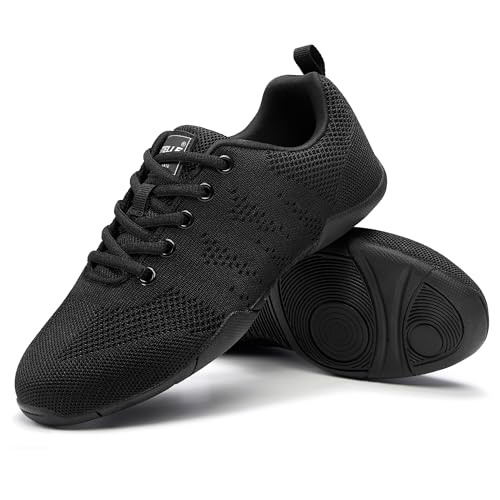

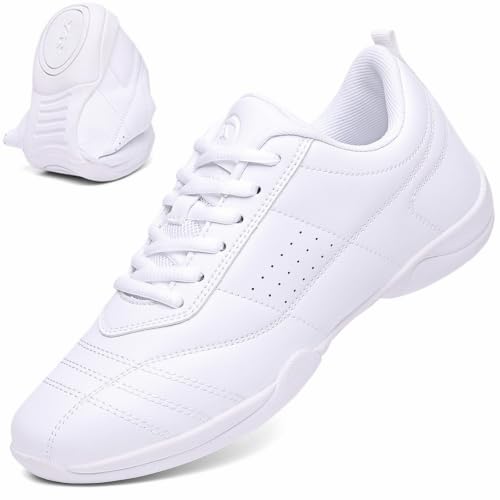


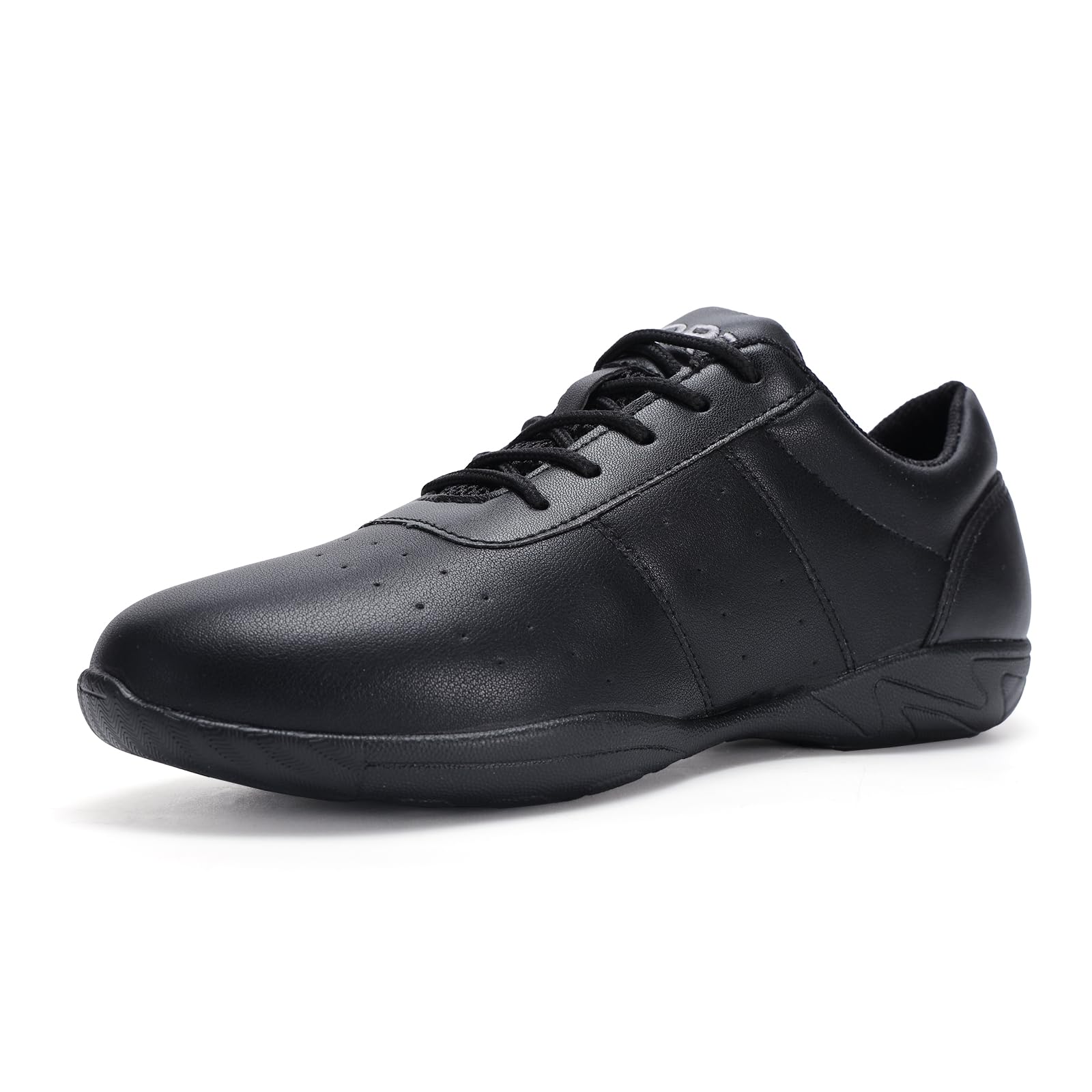


Cheer Shoes 101: The Basics
A cheer shoe is a lightweight athletic shoe built for mats and spring floors rather than pavement. The upper is usually a mix of mesh and synthetic overlays that hold the foot snug without adding weight. The outsole is smoother and flatter than a running shoe outsole, with flex grooves placed so the foot can point, roll, and push off during tumbling passes. Most cheer shoes have a low heel to toe drop, meaning the heel sits close to the height of the forefoot, which keeps your balance point natural during skills.
A few terms will follow you through this guide. The toe box is the front area where your toes sit. The midsole is the cushioning layer under your foot. Arch support describes how the shoe helps the middle of your foot carry load. Breathable uppers let heat and moisture escape during long practices. If you want the wider view beyond tumbling, our general guide to the best cheer shoes covers shoes for bases, flyers, and all around team use.
Key Specs Explained in Plain English
Features That Matter for Tumblers
Tumblers load their shoes in ways other cheer athletes do not. During a roundoff and handspring series, your feet strike, rebound, and land at speed, so the shoe needs reliable grip on takeoff and honest cushioning on landing. Look for a flexible forefoot that bends where your foot bends, a secure heel cup that stops sideways slip, and an outsole with enough texture to hold a mat without squeaking to a stop mid skill. Stability features matter most for athletes who land slightly off line, because a supportive midsole helps the foot track straight instead of rolling.
Fit, Sizing, and Toe Box
Measure your feet in the late afternoon, when they are at their largest, and measure both feet since one is often slightly bigger. Cheer shoes should feel snug through the heel and midfoot with a small thumb width of space ahead of your longest toe. The toe box needs room for toes to spread on landings; a cramped toe box leads to bruised toenails during high rep practices. Sizing varies between brands more than in street shoes, so use each brand size chart with your measured length rather than assuming your usual size transfers.
Break In Period and Comfort Out of the Box
Most cheer shoes need a short break in period of two to four practices before the upper softens and the midsole settles to your foot. A good pair feels firm but not painful on day one; sharp pressure points rarely fix themselves. Wear new shoes for drills and conditioning first, then add full tumbling once the fit feels natural. Blisters on the heel usually mean the shoe is a half size too large, while numb toes point to a toe box that is too narrow. Comfort out of the box matters because competition season rarely leaves spare weeks for slow break ins.
Arch Support and Foot Type
Your foot type shapes how much support you need. Flat feet tend to roll inward, called overpronation, and do better with a firmer midsole and a structured heel counter. High arches absorb less shock on their own, so those athletes benefit from softer cushioning under the heel and forefoot. Neutral feet sit between the two and suit most standard cheer shoes. A quick home check is the wet footprint test: a full wide print suggests flat feet, a narrow print with a thin middle band suggests high arches. Persistent foot or ankle pain is a reason to see a doctor or sports clinician rather than hoping a shoe will solve it.
Weight and Flexibility
Tumbling shoes should disappear on your feet. Most pairs weigh only a few ounces each, and that lightness protects your timing during fast passes. The trade off is protection: the lightest shoes carry thinner cushioning, so athletes who train many hours a week may prefer a slightly sturdier pair for practice and save the lightest pair for competition. Flexibility should match your skill level. Beginners need a bit more structure while they learn landings, while advanced tumblers usually want maximum flex for pointing and rebound.
Rookie Mistakes to Avoid
Most problems with the best cheer shoes for tumblers come from sizing and surface, not from the brand.
- Buying your street shoe size without measuring. Cheer sizing runs differently, and a wrong size shows up as blisters or sliding landings.
- Choosing running shoes instead. Thick curved soles change your balance point and can catch on the mat during skills.
- Prioritizing looks over grip. Fashion colors mean nothing if the outsole slips on a spring floor.
- Ignoring the return window. Buy from a seller that lets you test fit indoors and exchange sizes easily.
- Sharing shoes between athletes. A shoe molds to one foot; sharing speeds wear and spreads fit problems.
Getting Started: Setup and First Use
When your shoes arrive, lace them snugly from the bottom up and test them on carpet or a mat, never on concrete, so the return option stays open. Walk, jog in place, and do a few jumps to check heel hold and toe room before any tumbling. Add skills gradually across the first week, and stop and reassess if you feel sharp pain rather than normal new shoe stiffness. After practices, loosen the laces, pull the insoles out if they remove easily, and air dry the shoes away from direct heat, which warps foam and glue. Unlike running shoes, cheer shoes are retired based on feel rather than miles: when landings start to feel flat and harsh, or the outsole smooths out and grip fades, it is time for a new pair. Athletes in other roles can compare notes with our guide to the best cheer shoes for flyers, since flyers weight flexibility and a smooth profile differently.
Cheer Shoes: Your Questions Answered
What features matter most in cheer shoes for tumblers?
Grip, forefoot flexibility, and landing cushioning matter most. The outsole must hold a mat at takeoff speed, the forefoot must bend with your natural foot motion, and the midsole must absorb repeated landings without going flat within a season. Heel hold comes next, because a heel that lifts during a handspring changes your timing. Weight matters least once the other four are right.
Do I need waterproof shoes?
No, waterproof cheer shoes are rarely useful. Tumbling happens indoors on mats, and waterproof membranes trap heat and sweat during long practices. Breathable mesh uppers are the better choice for comfort. If you walk to the gym in wet weather, carry your cheer shoes in your bag and change on arrival, which also keeps mat surfaces clean and grippy for everyone.
How should cheer shoes fit?
Cheer shoes should fit snugly through the heel and midfoot with about a thumb width of space in front of your longest toe. Your toes should spread naturally when you land a jump in them. Try shoes on late in the day with the socks you practice in, and test a few jumps indoors. Any pinching at the widest part of the foot means you need a wider fit or the next size up.
Can I wear them all day?
You can walk in them, but all day wear shortens their life and dulls what makes them good at tumbling. Outdoor pavement wears the smooth outsole quickly and embeds grit that scratches gym floors. Keep cheer shoes for practice and competition, and wear street shoes the rest of the day. Your feet also benefit from the variety, since one shoe shape all day can leave arches tired.
How often should I replace my cheer shoes?
Most tumblers replace shoes every season or sooner if they train daily. Watch the warning signs rather than the calendar: landings that feel harsh, an outsole that has gone smooth, or an upper that has stretched so the foot slides. Heavy practice schedules can wear a pair out in a few months. If pain in your shins or heels creeps in as shoes age, replace them and mention the pain to your coach.
Are expensive cheer shoes worth it?
Higher prices usually buy lighter materials, better cushioning foam, and a more precise fit, which matters for athletes training many hours a week. For a first season or a younger tumbler still growing, a midrange pair around $50 to $90 is the smarter buy. Spend more only when practice volume is high or a cheaper pair has already shown a clear weakness. For a side by side look at tumbling specific models, see our guide to the best cheer shoes for tumbling.
Our Verdict
Start with fit, then judge grip and flexibility, then let weight and price break the tie. Measure your feet, respect the break in period, and keep the shoes indoors so the outsole stays grippy. Check your finalists against the comparison table above, and you will find the best cheer shoes for tumblers for your feet and your skill level without the usual first pair regrets.