Best Cheer Shoes: Buying Guide by Role for 2026
Disclosure: We may earn a commission when you buy through links on this page, at no extra cost to you. As an Amazon Associate I earn from qualifying purchases. Learn more

Pick the best cheer shoes for your role with advice on grip, flexibility, weight and fit for flyers, bases, tumblers and sideline cheerleaders.
Cheer shoes work harder than most athletic shoes. They have to grip a gym floor, bend freely for jumps, stay light enough for stunts and survive daily practice. The best cheer shoes match the role you perform most, whether that is flying, basing, tumbling or cheering from the sideline, and they fit so snugly that your foot never slides inside them.
The comparison table below gives a quick overview of the main options. This guide then explains what to look for by role, how the key features differ, and how to avoid the usual buying mistakes.

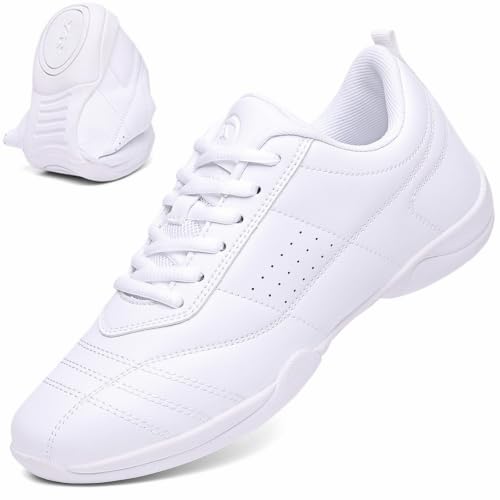


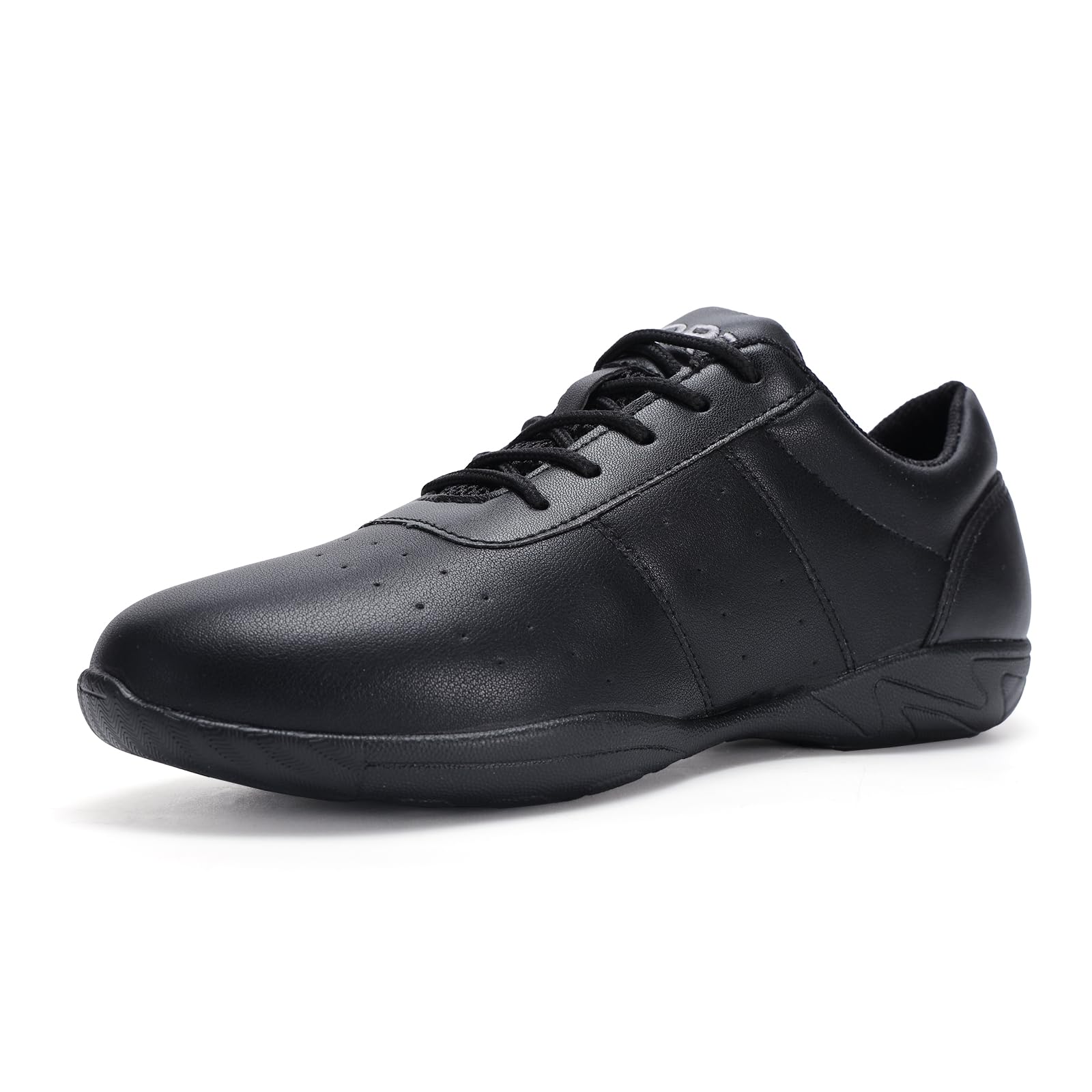


How Cheer Shoes Differ From Other Athletic Shoes
A cheer shoe has a flat, flexible outsole, a low profile and a light upper. Running shoes have thick curved heels built for forward motion, and court shoes are stiff and heavy for side to side play. Both can feel unstable when a flyer stands on a base's hands or a tumbler lands a handspring. A cheer shoe keeps the foot close to the floor, so you can feel the surface and balance quickly.
The sole is usually smooth enough to pivot on a gym floor or mat but textured enough not to slip. The upper is mesh or soft synthetic that supports the foot without adding weight. Some pairs add a thin cushion in the heel for landings, and many are white to match uniforms, with black and colored options for teams that allow them.
Cheer Shoe Types by Role
Flyers
Flyers value low weight and a flexible forefoot so the toe can point cleanly. A smooth, clean outsole helps the base's hands hold and release the foot without catching. Our guide to the best cheer shoes for flyers goes deeper on these needs.
Bases and Back Spots
Bases need a stable platform and good grip under load. A snug heel and a wider outsole help keep their footing when weight shifts, which our guide to the best cheer shoes for bases covers in more detail.
Tumblers
Tumblers need forefoot flex, grip on takeoff and cushioning on landing. See the best cheer shoes for tumbling and the best cheer shoes for tumblers guides for skill specific advice.
Sideline and Game Day
Sideline cheerleaders stand and move for hours, so comfort and durability matter more than minimum weight. A slightly thicker midsole helps on hard gym floors, and our guide to the best sideline cheer shoes compares options for long events.
Features to Check Before You Buy
- Grip. A rubber outsole should hold a polished floor on quick side steps without sticking hard on mats.
- Flexibility. The shoe should bend at the ball of the foot where your foot bends.
- Weight. A few ounces matter across hundreds of jumps in a long practice.
- Heel hold and lacing. A snug heel cup and secure laces stop the foot sliding forward on landings.
- Cushioning. Enough to soften landings, not so much that the shoe feels tall or wobbly.
- Durability. Reinforced toes and strong stitching help a pair last through a season.
Sizing and Fit
Measure your feet late in the day, when they are largest, and use each brand's size chart, since sizing differs between brands. The shoe should feel snug at the heel and midfoot with about a thumb width of room at the front. Try it on with practice socks, jump and land a few times, and check that the heel does not lift. A loose shoe lets the foot slide and can cause blisters, while a tight one numbs toes.
Budget and Value
Most solid cheer shoes cost about $30 to $80, with simple pairs below that and premium brand models above it. A higher price can buy lighter materials, better cushioning and a more precise fit, which matters for athletes training many hours each week. For a first season or a growing athlete, a midrange pair is usually the smarter buy, and a second pair is worth the money only when practice volume is high or the first pair has shown a clear weakness. Compare grip, flexibility and fit within your price range rather than choosing on price alone.
Common Mistakes to Avoid
- Buying for color or style instead of grip and fit.
- Choosing a size too large to allow for growth, which lets the foot slide.
- Wearing cheer shoes outdoors or all day, which wears the sole smooth.
- Using running shoes for stunting or tumbling.
- Keeping a worn pair after grip and cushioning have faded.
Care and When to Replace
Air shoes out after practice and keep them away from radiators and direct sun, which can warp soles. Wipe dust from the outsole so grip stays consistent, and rotate two pairs if you can. Replace a pair when the tread is smooth, landings feel flat or the upper no longer holds your foot. If you feel lasting pain in your feet, ankles or shins, rest and talk with a coach or a clinician.
Frequently Asked Questions
What makes a cheer shoe different from a running shoe?
Cheer shoes have flatter, more flexible soles for stunting and tumbling, while running shoes are built for forward motion and heel cushioning. A running shoe can feel unstable in a stunt and may grip poorly on a gym floor.
How tight should cheer shoes feel?
Snug around the heel and midfoot, with a little room at the toes. The foot should not slide forward on a landing or lift out of the heel on a jump.
Do flyers and bases need different shoes?
Often yes. Flyers benefit from a very light, flexible shoe, and bases from a stable sole and a secure fit. Ask your coach if your squad has preferences.
How often should cheer shoes be replaced?
When the tread is smooth, cushioning feels flat or the upper stretches. Heavy practice schedules wear shoes faster than occasional use.
Can cheer shoes be worn outdoors?
For short periods, but concrete wears the sole and dulls grip. Keep a separate pair for outdoors when possible.
Final Thoughts
Choose by role first, then by floor surface and fit. Test heel hold and grip with real jumps, check the tread often and compare options in the product table above. With those checks, the best cheer shoes for you will stay secure through practices, competitions and game days.