
Best Cheap Meat Thermometer: What Fits Real Homes in 2026
Disclosure: We may earn a commission when you buy through links on this page, at no extra cost to you. As an Amazon Associate I earn from qualifying purchases. Learn more

Choose the best cheap meat thermometer by comparing instant read, leave in probe and wireless types, plus features worth paying for and ones to skip.
A house of four is waiting on dinner, the chicken looks done on the outside, and nobody wants to cut it open and lose the juices just to check the middle. A best cheap meat thermometer solves that moment for very little money, and it suits small apartments and busy family kitchens alike. This guide helps you choose by your space, the number of people you cook for, and your budget, so use the comparison table below to see how the main types differ before you read on.
If you want the wider picture first, our guide to the best meat thermometer covers every price level. Here we stay focused on low cost models that earn a drawer spot in a real home.


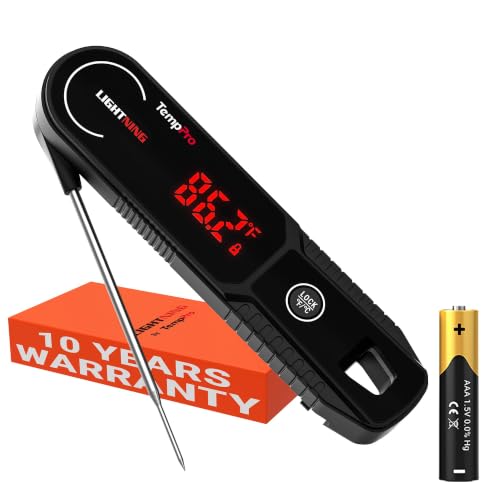


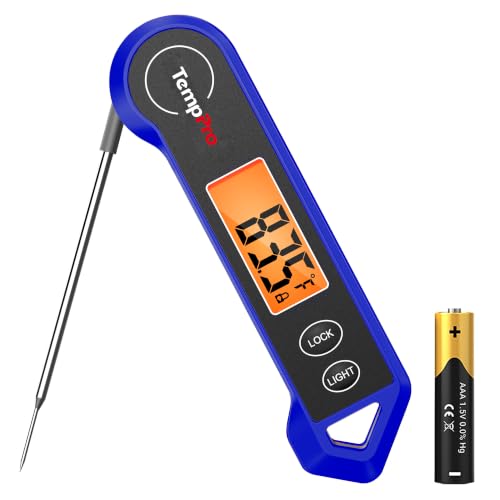

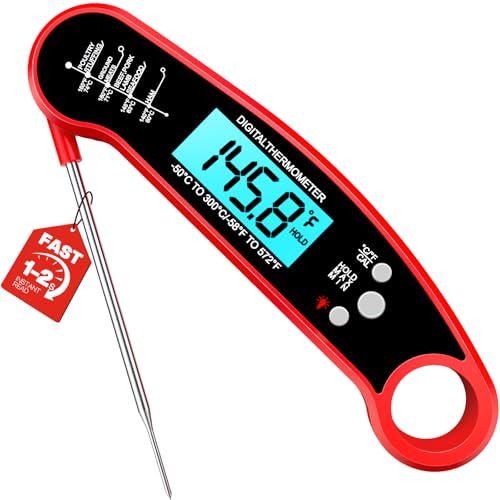
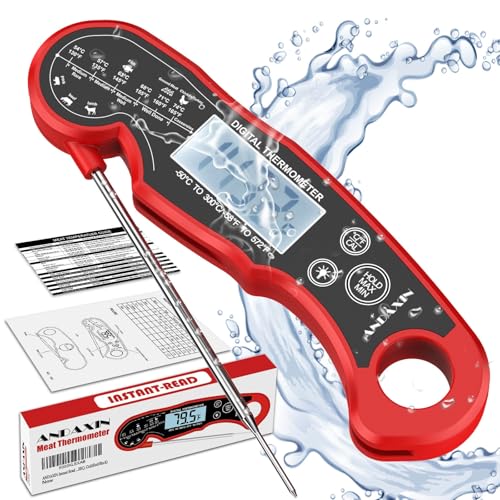
Quick Answer: Which Cheap Type Fits Your Home
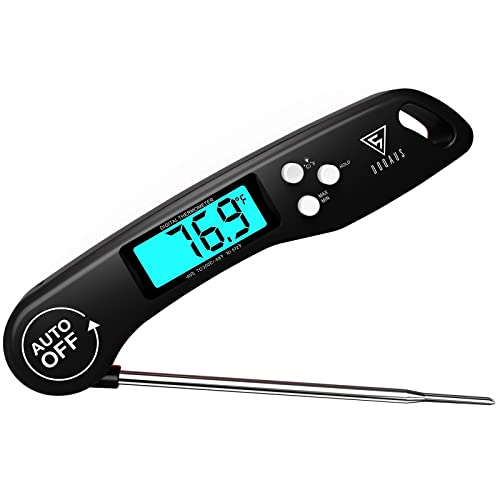
For most homes, a simple folding instant read model is the right starting point. It checks chicken, burgers, and roasts in a few seconds, folds flat for a crowded drawer, and costs the least to replace if it is lost or dropped. Choose a leave in probe model if you cook large roasts and dislike opening the oven door. Choose a wireless model only if you smoke meat for hours and want to stay inside while it cooks. Every other feature is optional, and skipping extras is how you keep the price low without giving up safe, accurate readings.
Before You Buy: A Quick Checklist for Choosing a Meat Thermometer
Which Type Fits Your Routine
Instant read models give a reading in about two to five seconds and suit weeknight cooking, grilling, and checking several pieces of meat in a row. Leave in probe models stay in the food while it cooks and suit roasts, whole birds, and smokers. Wireless and app based models send readings to your phone, which helps during long cooks but adds cost and setup. Infrared models read surface heat only, so they cannot tell you the internal temperature of a steak. For a cheap first purchase, instant read or a basic wired probe covers nearly every home routine.
Features Worth Paying For, and Ones to Skip
A clear backlight is worth having because grill light is often poor in the evening and oven light is dim. A loud alarm helps on probe models, since it frees you from watching a display. A folding probe or a magnetic back adds daily convenience for almost no money. You can safely skip color screens, recipe libraries in an app, and extra probes you will rarely use. Each skipped extra lowers the price and leaves fewer parts to clean, charge, or lose in a busy kitchen.
Materials and Food Safety
Look for a probe made of stainless steel, since it resists rust, wipes clean fast, and does not hold odors from strong foods. The body should feel solid at the probe joint, because that joint takes the most stress in daily use. A probe tip that is thin reaches the center of thin cuts without tearing them. Keep food safety simple in use as well. Wash the probe with hot soapy water after it touches raw meat, and never return a used probe to cooked food without washing it first.
Hand Wash or Dishwasher Safe
Most cheap models ask you to wash the probe by hand and wipe the body with a damp cloth, because the display and battery seal are not built for dishwasher heat. A few bodies carry a water resistance rating that allows a quick rinse under the tap, which is handy after sticky glazes. Check the rating before you rinse any model. Drying the probe fully before storage matters more than the wash method, since trapped moisture in a folding joint can dull the finish and shorten the life of the hinge.
Realistic Budget Ranges
At about $10 to $20, expect a basic instant read model with a folding probe, a single battery, and no alarm. At about $20 to $50, you gain faster readings, a backlight, better water resistance, and often a leave in probe with a timer. Spending about $50 to $100 usually buys wireless range or a second probe, which suits larger households that cook two meats at once. Above that level you are paying for range and polish rather than safer food, so most homes can stop at the middle range and still cook with confidence.
Types Compared: Three Routes to a Low Cost Reading
Instant Read Models for Most Kitchens
An instant read model is the easiest type to live with. You unfold the probe, insert it into the thickest part of the food, and read the number before the heat bothers your hand. It needs no setup, no app, and no charging cable in the drawer. If speed is your main concern, compare this route with our guide to the best instant read meat thermometer options. For small kitchens, the folded size is the quiet advantage, because it fits beside spatulas without snagging on other tools.
Leave In Probe Models for Roasts and Smokers
A leave in model uses a probe on a heat safe cable, with the display sitting outside the oven or grill. You set a target temperature and the alarm calls you back, which suits Sunday roasts and holiday turkeys when you have side dishes to manage. The cable is the weak point, so route it away from direct flame and avoid pinching it in a heavy oven door. Households that cook for a crowd gain the most here, because one alarm replaces repeated trips to check a large joint by hand.
Wireless Models for Long, Slow Cooks
Wireless models remove the cable and send readings to a phone or a small receiver. They suit smokers and long grill sessions where opening the lid costs heat and time. The trade off is charging, pairing, and a higher price, so they make sense only when you cook low and slow on a regular basis. Our guide to the best wireless meat thermometer explains range limits in more depth. In a small apartment with a balcony grill, a basic wired probe often gives the same result for far less money.
What to Weigh in a Cheap Model
Judge cheap models on ease of use, durability, cleaning, design, and value for a home kitchen. Compare maker specifications such as reading speed, temperature range, and water resistance, and weigh patterns in buyer reviews, such as reports of fogged displays or weak hinges. No single impressive claim should decide it. A model has to suit daily family cooking, store easily, and stay simple enough that a new cook can use it correctly on the first try.
What We Like and What We Do Not About Cheap Models
Cheap models do the core job well. A reading that lands within a degree or two of the true temperature is enough to keep chicken safe and steak pink, and low cost models reach that level easily. They are light, simple, and cheap to replace, which suits homes where tools get shared, borrowed, or dropped.
The limits show up in speed and build. Budget models can take a few seconds longer to settle on a number, and thin plastic bodies feel less solid than premium ones. Battery doors can be loose, and folding hinges may loosen after heavy use. Wireless range at this price is modest, so walls and distance can break the signal. None of these limits stops safe cooking. They only ask a little more patience, and for most homes that is a fair trade for the money saved.
If you prefer a screen you can read from across the room, our guide to the best digital meat thermometer covers larger displays. For placement and depth basics before your first cook, read how to use a meat thermometer and keep the probe tip in the thickest part of the meat, away from bone.
Common Buying Mistakes to Avoid
- Buying an infrared model for internal temperatures, when it can only read the surface of the food.
- Paying for four probes when your household cooks one meat at a time, which adds cost and washing for no benefit.
- Ignoring probe length, so the tip cannot reach the center of a thick roast or a whole turkey.
- Choosing by price alone and skipping water resistance, then losing the display after one rinse under the tap.
- Forgetting replacement batteries, because a dead battery on a holiday morning leaves you guessing at doneness.
Cost of Ownership and Care
Ownership costs stay low with this product. The main expense is a coin cell or AAA battery about once a year, which costs very little. There are no filters, pads, or refills to buy. Store the thermometer in a drawer away from the oven heat, and keep the probe cover on so the tip stays sharp and clean. Wipe the body after greasy cooks, and never soak a model that is not rated for it. Our notes on how to clean a meat thermometer cover safe washing in detail. Handled this way, a cheap model can serve a family for years.
Your Questions, Answered
Are cheap meat thermometers accurate enough for home cooking?
Yes, for home cooking they are. Most low cost models read within about two degrees of the true temperature, which is close enough to judge safe doneness for poultry and roasts and to keep steak at your preferred level. You can check yours in ice water, which should read at or near the freezing point. If the reading is off by several degrees in that simple test, return or replace the unit rather than adjusting every recipe around it.
How long does a cheap meat thermometer last?
A cheap model often lasts about two to five years in a home kitchen, depending on heat exposure and storage. The probe and cable usually fail before the display does, and dropping the unit on tile is a common cause of early failure. Keeping it in a drawer instead of a crowded utensil crock reduces knocks. If readings jump around or the screen fades even with a fresh battery, the sensor has likely worn out and replacement is the sensible step.
Can a cheap meat thermometer stay in the oven during cooking?
Only leave in probe models are built for that job. Their probe and cable are rated for oven heat while the display stays outside. A folding instant read model should never stay inside a closed oven or grill, because its plastic body and battery can melt or fail. Check the product listing for an oven safe rating on the probe and cable before you try it, and route the cable through the door seal rather than over a burner or flame.
Is a meat thermometer worth buying for a small household?
Yes, even if you cook for one or two people. Small portions overcook fast, and a thin chicken breast can move from juicy to dry in a couple of minutes. A thermometer removes that guesswork without adding cleanup, since only the probe needs washing. It also helps with reheating leftovers to a safe temperature, a job many small households do several times a week. The low purchase price means it can pay for itself by saving a single ruined dinner.
What is the best cheap meat thermometer for a new cook?
The simplest answer is a folding instant read model with a backlight and a clear display. It asks for no setup, works on almost any food, and stores in any drawer. A new cook should learn one habit first, which is probing the thickest part of the food and waiting for the number to settle. Once that habit is set, extra features add little. Start simple, cook with it for a few months, and upgrade only if long roasts or smoking become part of your routine.
Final Thoughts
For most homes, the best cheap meat thermometer is a simple folding instant read model that reads fast, cleans fast, and stores in a small drawer. Pick a leave in probe if roasts fill your weekends, and consider wireless only if long smokes are a regular habit. Look again at the product table above, match the type to your household size and routine, and you will cook meat with far less guessing for very little money.


