Best Charging Station for Android Phones: A Practical Buying Guide for 2026
Disclosure: We may earn a commission when you buy through links on this page, at no extra cost to you. As an Amazon Associate I earn from qualifying purchases. Learn more
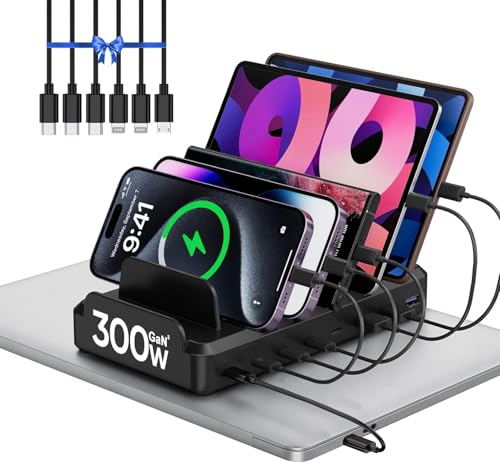
Choose the best charging station for android phones by comparing shared wattage, USB C ports, wireless pads, safety protections and cable fit for your space.
A single wall charger rarely keeps up when you have a phone, earbuds, a tablet, and a family member asking for a cable. Choosing the best charging station for android phones means matching total wattage, port types, and footprint to the devices you charge every night. This guide explains those choices in plain terms so you can avoid slow ports and tangled cords.
Use the comparison table below to scan port counts, wattage, and form factors side by side. Then read the sections that follow for guidance on fast charging standards, wireless options, safety protections, and placement, so the station you pick fits your phones and your space from the first night.


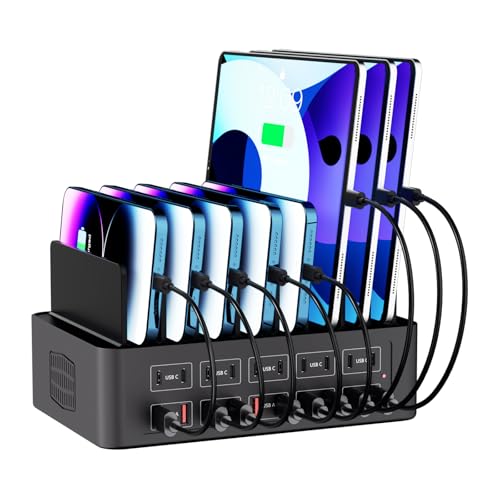
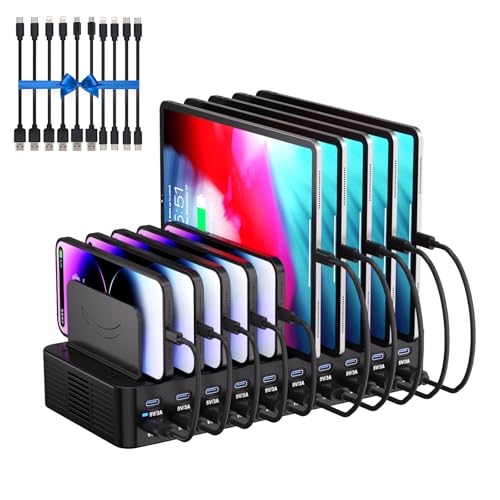


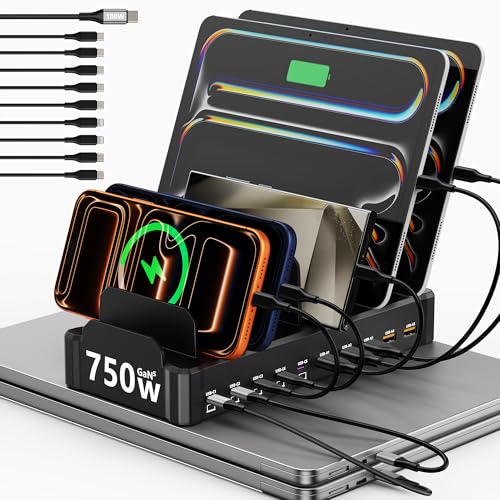

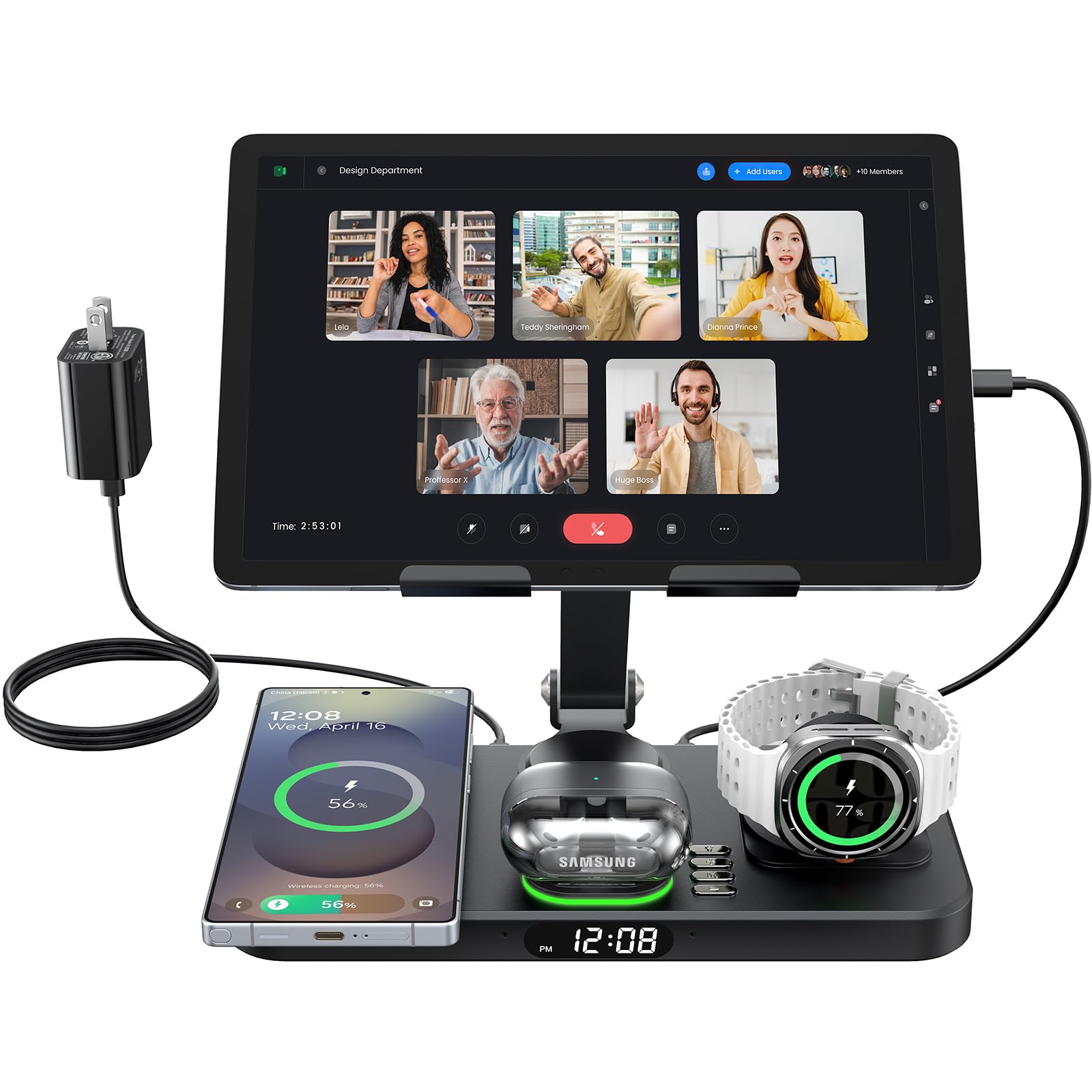
Who Should Buy a Charging Station for Android Phones?
Most buyers already own the phones. What they lack is one tidy place where every device charges at a useful speed without borrowing cables from other rooms.
Households Sharing One Charging Spot
You need enough ports for two or three phones at once, plus clear spacing so larger phones in cases do not crowd each other. Look for a station with at least three USB C ports and a total output that stays strong when all ports are busy.
Desk Workers With Several Daily Devices
Your phone may sit beside earbuds, a tablet, and a smartwatch through the workday. A stand style station keeps the phone upright for video calls and notifications while the other devices charge behind or beside it. Prioritize one high wattage USB C port for the phone, quiet operation with no fan noise near your microphone, and a compact footprint that leaves room for a keyboard and notebook.
Travelers Who Charge Away From Home
You need a small station that packs flat, works with a single wall outlet in a hotel room, and still fast charges your phone overnight. Folding prongs, a detachable power cord, and a weight you barely notice in a carry bag matter more than extra ports. Choose universal voltage input if you travel abroad.
Key Features to Compare
When you compare options for the best charging station for android phones, the product table above lists headline wattage, but the details below decide your real charging speed.
Total Wattage and How Power Is Shared
Total wattage is the pool of power the station can deliver across all ports at once. A 65 watt station might give one phone a full 45 watts alone, yet drop to about 20 watts per phone when three devices share it. Check the maker chart that shows output per port in each combination, not just the big number on the box. Match that shared output to your busiest night, not your lightest one.
Port Mix and USB C Power Delivery
Most current Android phones charge fastest over USB C with Power Delivery, so USB C ports should outnumber older USB A ports in any station you buy. USB A still helps for earbuds, older cables, and a watch charger puck. Count the ports against your real devices, including one spare for a guest or a future phone.
Fast Charging Standards Your Phone Actually Uses
Android brands do not all fast charge the same way. Many Samsung phones use a standard called PPS within Power Delivery to reach their top speeds, while Pixel phones rely on standard Power Delivery at moderate wattage. Some brands use their own proprietary systems that only reach full speed with their own charger. Read your phone maker support page for its required standard, then confirm the station lists that exact standard for the port you plan to use.
Wireless Charging Pads and Alignment
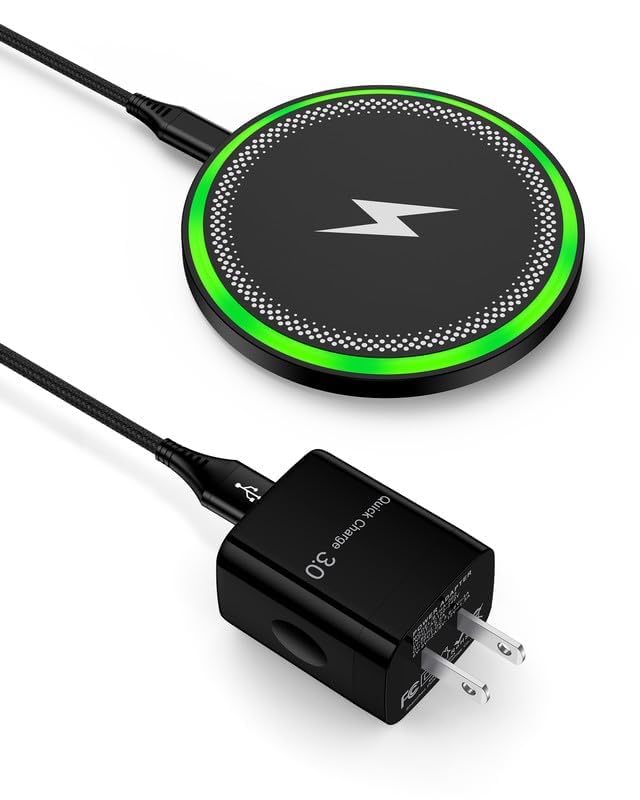
Wireless pads trade speed for convenience, and they suit a nightstand where you drop the phone and sleep. Most Android phones accept up to about 15 watts from a Qi pad, and magnetic alignment on newer Qi2 models helps the coils line up for steadier charging. If wireless appeals to you, see our guide to the best charging pad for android phones for pad specific fit notes.
Cables, Length, and Connector Fit
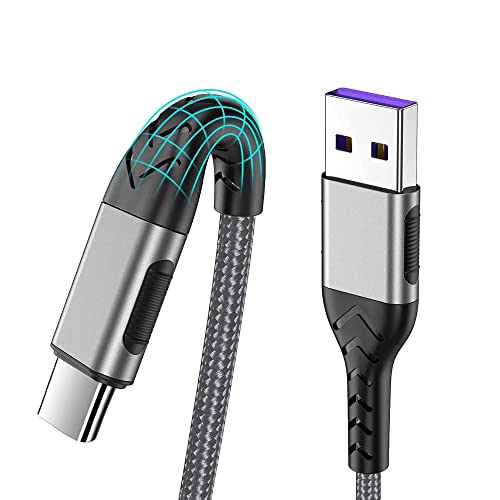
A station is only as good as the cables between its ports and your phones. Short included cables keep a nightstand tidy, while longer cables suit a couch or a shared counter. For help choosing lengths and ratings, see our guide to the best charging cables for android phones. Confirm each cable is rated for the wattage you expect, because a thin or damaged cable can quietly limit speed even when the port itself is powerful.
Safety Protections and Heat Control
Look for protection against excess current, excess voltage, short circuits, and overheating, listed plainly by the maker. Gallium nitride designs, often shortened to GaN, run cooler and smaller than older silicon designs at the same wattage. The station should feel warm at most during heavy use, never too hot to touch comfortably.
Types of Charging Stations
Form factor decides where the station lives and how you interact with your phone while it charges. The main styles suit different rooms and habits.
Desktop Docks and Upright Stands
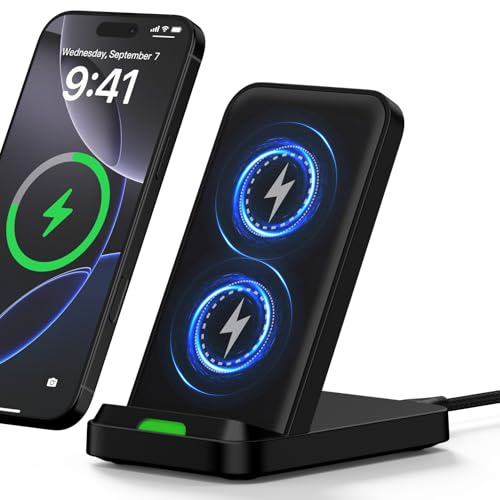
Docks hold the phone at a viewing angle, which suits desks, kitchen counters, and video calls. Some docks plug the phone in directly, while others use a short cable or a wireless pad in the stand. If this style fits your routine, see our guide to the best docking station for android phones for dock specific sizing advice.
Flat Mats for Several Devices
Flat mats lay phones and earbuds side by side on one surface, usually with wireless coils under marked spots. They look clean and work well on a dresser or entry table. Their weakness is alignment, since a phone shifted a little off the coil may charge slowly or stop.
Tower and Vertical Stations
Tower designs stack ports and slots upward, giving many devices a home in a small square of counter space. They suit families who charge four or more items in one place. Dividers should be tall enough to keep phones from leaning against each other, and removable dividers help fit a small tablet.
General Stations Beyond Android Only Use
Some homes mix Android phones with other brands, work laptops, and handheld games, so a phone only layout may feel limiting. Broader stations add higher wattage laptop ports and more varied spacing. For that wider view, see our guide to the best charging stations and compare how general models handle mixed devices.
How to Set Up Your Station Safely
Good setup takes about ten minutes and prevents most slow charging complaints. Follow these steps in order when your station arrives.
- Place the station on a hard, flat, dry surface with a few inches of open air on all sides.
- Plug the station power cord directly into a wall outlet, not into a worn power strip shared with heaters or hair dryers.
- Connect your fastest phone cable to the highest rated USB C port and label that port if others will share the station.
- Add the remaining devices one at a time and confirm each screen shows charging before you walk away.
- Route cables so nothing pulls sideways on a connector, and leave slack for picking up the phone.
If your household is still deciding which phones support wireless power, see our guide to the best wireless charging android phones before you pay extra for pads your current phones cannot use. That one check prevents buying wireless features that sit idle while everyone still plugs in cables each night.
Common Mistakes to Avoid
- Buying by total wattage alone, so the per port speed collapses when family phones charge together and everyone wakes to a half charged phone.
- Ignoring the PPS requirement for your phone, so you pay for fast charging the station cannot deliver to that model.
- Using a weak or damaged cable on a strong port, so charging stays slow and the connector heats up at the plug.
- Crowding the station into a closed cabinet, so trapped heat slows charging and shortens the life of both station and batteries.
- Counting ports you cannot use at once, such as wireless spots blocked when a large phone sits in a stand.
- Placing the station beside a sink or tub, so splashes reach live ports and create a safety risk.
How to Make Your Charging Station Last Longer
Care for a charging station is simple and takes only a minute now and then. Unplug it before cleaning, then wipe the housing with a dry or slightly damp cloth and never spray liquid into the ports. Use a soft dry brush or a puff of air to clear dust from port openings, since lint buildup can stop a connector from seating fully and can mimic a faulty port.
Inspect cables monthly for fraying near the ends, bent connectors, or a loose fit, and replace any cable that feels hot or charges only at one angle. Avoid wrapping cables tightly around the station, which strains the wires inside. If a port stops working, test it with a known good cable and a different device before assuming the station itself has failed.
Frequently Asked Questions
How many watts does a charging station for Android phones need for fast charging?
A charging station for Android phones needs at least 25 watts available to a single phone for clearly faster charging, and about 45 watts suits phones that support higher PPS speeds. The key word is available, since shared use lowers what each port gives. A useful extra check is the maker wattage chart for two devices at once, which shows the speed a couple charging together will actually see on a busy night.
Can a charging station for Android phones charge earbuds and a tablet at the same time?
Yes, a charging station for Android phones can charge earbuds and a tablet at the same time if it has enough ports and total wattage. Give the tablet its own USB C port, since tablets draw far more power than earbuds. One point many buyers miss is the watch puck, which often needs a USB A port or its own adapter, so count that small device in your port plan too.
Do Android phones with thick cases charge well on wireless charging stations?
Android phones with thick cases charge well on wireless stations only when the case stays within the maker stated thickness, often around 5 mm, and contains no metal plates or card holders over the coil area. Magnetic ring accessories can help or hurt alignment depending on their placement. If charging pauses overnight, test once without the case to learn whether the case or the pad position is causing the problem.
Can Android phones stay on a charging station overnight without harm?
Android phones can stay on a charging station overnight, because phones and stations stop or slow charging as the battery fills. Many phones add an adaptive or battery protection setting that holds the charge near 80 percent until before your alarm, which reduces time spent full. Turn that setting on if your phone offers it, and keep the phone off pillows and blankets so heat escapes while it sits for hours.
What should you do when a charging station for Android phones feels very hot?
You should unplug a charging station for Android phones right away if it feels very hot, smells unusual, or shows scorch marks, and you should stop using it until the maker advises you. Mild warmth during fast charging is expected, but strong heat is not. Move the station to open air, remove one device, and retry later only if it stays cool. If heat returns with a single phone, replace the unit rather than trying it again.
Final Thoughts
Start with your busiest charging moment, count the devices in it, and choose wattage, ports, and a form factor that handle that moment without strain. Confirm the fast charging standard your phone uses, keep safety protections and cable quality high on your list, and use the product table above to compare finalists with those points in mind. The best charging station for android phones for your home fades into daily life, giving you full batteries, clear counters, and no nightly hunt for a free cable.