Best Charging Pad for Android Phones: Matching the Right Model to Your Routine for 2026
Disclosure: We may earn a commission when you buy through links on this page, at no extra cost to you. As an Amazon Associate I earn from qualifying purchases. Learn more
Learn how to choose the best charging pad for android phones by wattage, coil layout, case fit, and routine, with a simple checklist for home, office, and travel.
There is no single pad that suits every Android owner, because your routine decides what matters most. A pad that lives on a nightstand has an easy job, while one in a busy kitchen or a shared office gets bumped, splashed, and used with three different phones in a day. This guide helps you find the best charging pad for android phones for the way you actually live, not the way a spec sheet imagines you do.
Start with the comparison table below, which gathers the key specs in one place. Then use the sections that follow to match wattage, coil layout, and surface design to your phone, your case, and the rooms where you charge most often.
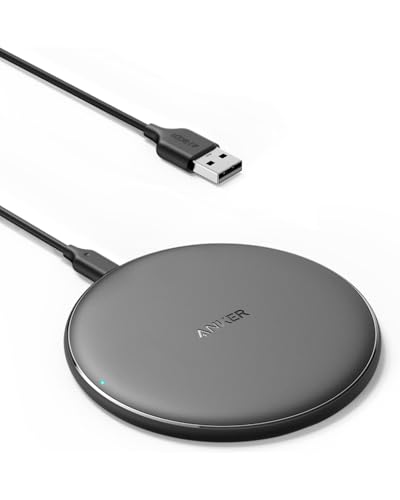
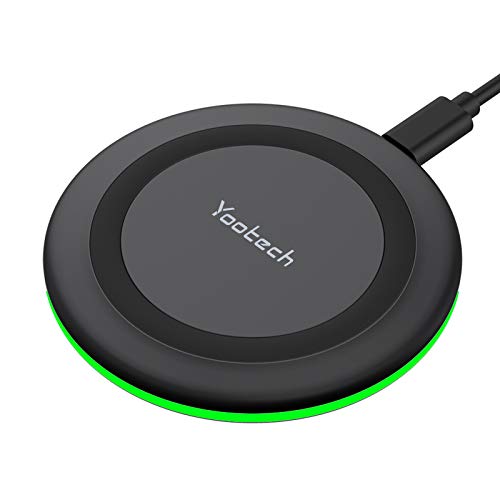


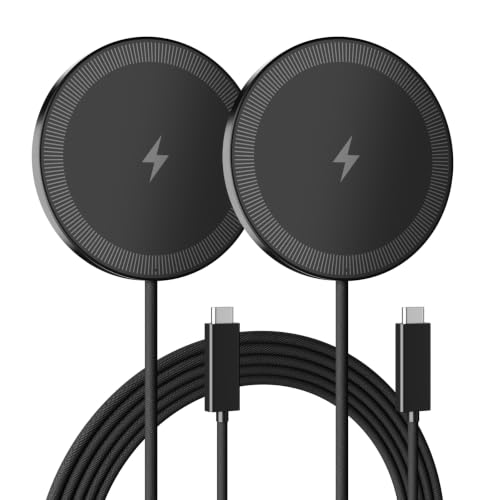
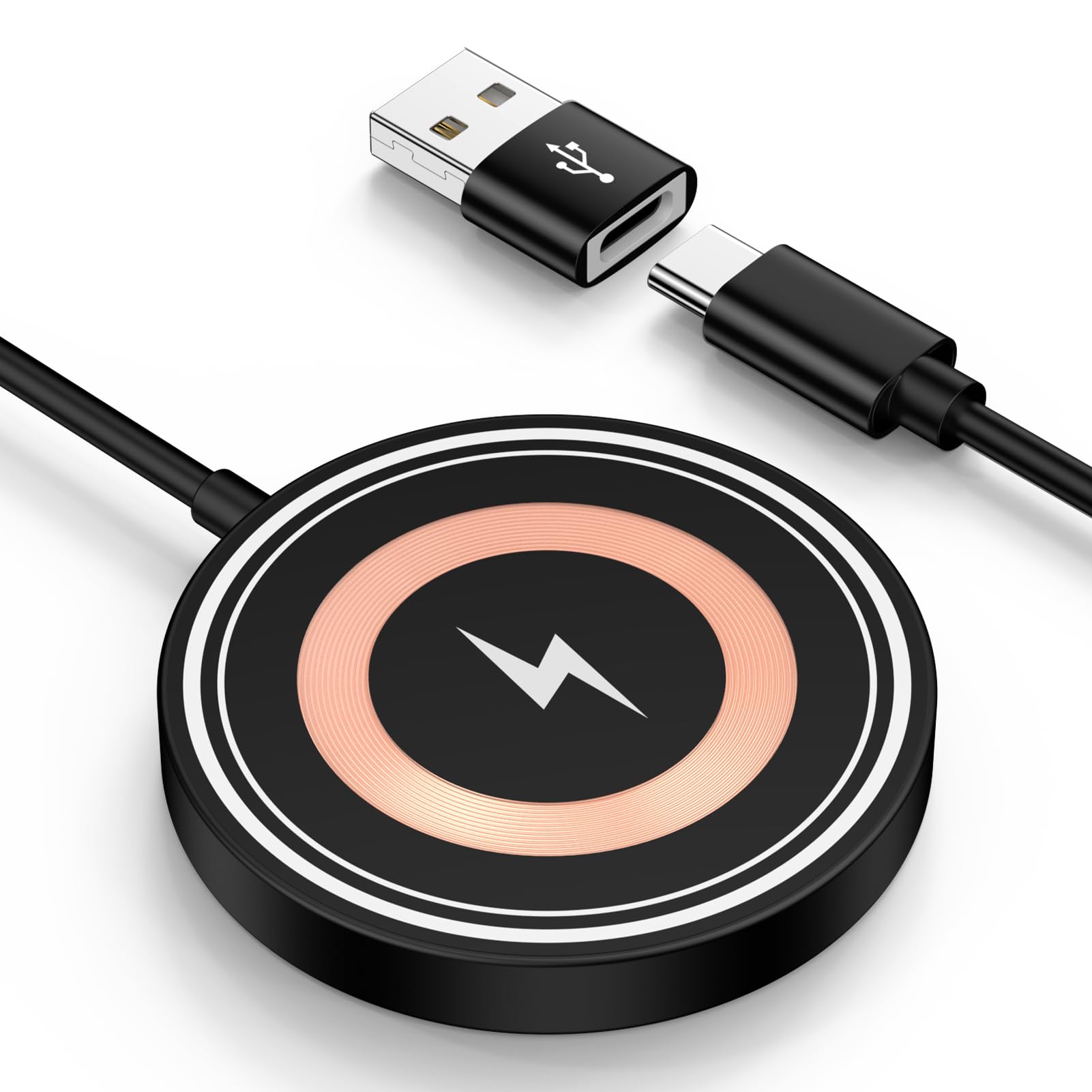

Who Should Buy Which Charging Pads?
Most shoppers fall into one of three groups. Find your group first, and the feature list further down becomes much shorter and easier to judge.
For Value Seekers
You want a pad that charges reliably for years without paying for extras you will never notice. Prioritize a stable 10 to 15 watt output, a grippy top surface, and a USB C input so the pad can share cables with your phone. Skip pads whose only selling point is a very low price with no stated wattage, because slow and inconsistent charging costs you time every single day. A plain, sturdy pad from the middle of the price range, around $15 to $30, usually balances cost and durability best.
For First Time Buyers
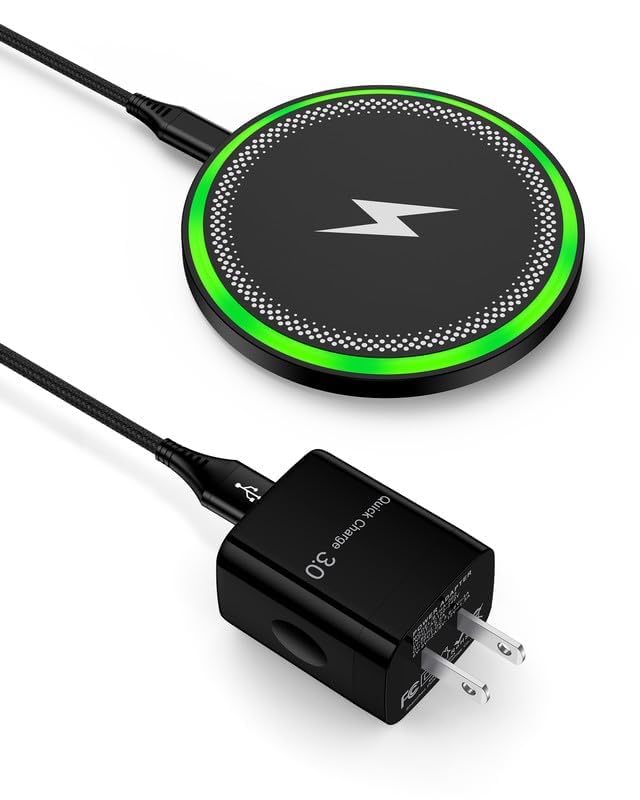
If this is your first wireless charger, simple and forgiving beats fast and fussy. Look for a wide charging area or clear alignment marks so you do not have to hunt for the sweet spot in the dark. A soft status light that does not glow brightly all night matters more than you expect on a nightstand. Choose a pad that includes its own power adapter in the box, since many pads assume you already own a suitable one and then charge slowly when paired with a weak adapter.
For Gift Shoppers
A charging pad makes an easy gift because almost every recent Android phone supports the Qi standard. Pick a neutral color, a slim profile, and packaging that explains setup in one glance. Confirm the recipient phone model supports wireless charging before you buy, since some budget models still skip it. A pad with a clear warranty and easy returns protects you if the phone turns out to be incompatible. Avoid novelty shapes that limit where a large phone can rest.
Picking the Right Charging Pads for Different Uses
Where the pad will live shapes the right choice as much as the specs do. A nightstand pad can be flat and quiet. A desk pad should hold the phone at a glance friendly angle or at least keep it flat and reachable. A travel pad should fold or stay slim enough to slip into a carry bag pocket. Think through your top two locations before you compare prices.
Best Dual Wireless Charging Pad for Android Phones: What to Prioritize
If you charge a phone and earbuds, or two phones, side by side, the best dual wireless charging pad for android phones layout is worth considering. Prioritize separate coils with enough spacing that a large phone does not block the second spot. Check the total wattage and how it splits, because some dual pads drop to slow speeds when both spots are busy. A dual pad also needs a higher output adapter, so confirm one is included or budget for it.
Key Features to Compare
Battery Life and Charging Speed
Charging speed is the spec that shapes your daily experience most. Most Android phones accept 10 to 15 watts from a standard Qi pad, and some models accept more from pads built to their own fast charging standard. Your phone battery size, measured in mAh, decides how much a given wattage matters: a large battery needs higher wattage to fill in a reasonable time. Remember that the pad, the adapter, and the cable all limit speed together, so a fast pad fed by a weak adapter still charges slowly. If you mostly charge overnight, even 10 watts is plenty.
Qi Support and Phone Compatibility
Wireless charging depends on your phone hardware and the Qi standard. Nearly all midrange and flagship Android phones include a Qi coil, along with many budget models, but a few still skip it, so confirm your exact model in the spec sheet under charging features. If you are still choosing a phone, our guide to the best wireless charging android phones explains which models include the feature. Once the phone supports Qi, any certified pad will work with it, so the best charging pad for android phones comes down to wattage, size and build.
Phone Size and Placement
Larger phones are heavier and balance differently on small pads. If you own a big phone, choose a pad with a wide flat surface and a grippy ring or texture so the phone stays centered on the coil while it vibrates with notifications. Coil position also differs between Android models, so a pad with a generous charging area forgives a phone that sits a little off center. Phone size matters for dual pads too, where two large devices can crowd each other.
Build, Durability, and Water Resistance
A pad sits out in the open and gets knocked, so build quality matters. Look for a firm shell that does not flex, rubber feet that keep it planted, and a surface texture that resists scratches from phone camera bumps. Few pads carry an IP68 style rating, and most are not meant for wet counters, so keep yours away from sink splash zones. Heat is the quiet enemy of both pads and phone batteries, so a pad with vents or a metal body that sheds warmth will age better than a sealed plastic puck in a hot room.
Features That Matter for Android Phones
Android phones vary more than other phones in coil position and fast charging standards, so a few details matter. Case compatibility is the big one: most pads charge through cases up to about 5 mm thick, but metal plates and thick wallet folds block charging. If you prefer a cable at times, keeping a few of the best charging cables for android phones nearby gives you a fast option for a quick top up before you head out. Also check whether the pad handles the phone brand specific fast mode or only standard Qi speeds, and match that to your phone manual.
Common Mistakes to Avoid When Buying Charging Pads
- Only looking at price. The cheapest pads often skip stable wattage and overheat, which slows charging and stresses your battery.
- Ignoring the adapter. Many pads ship without one, and an old low output adapter can cut charging speed in half.
- Forgetting your case. Thick cases, metal rings, and card holders can block wireless charging entirely.
- Buying the wrong size. A tiny pad frustrates owners of large phones, while a huge dual pad wastes desk space for a single phone.
- Skipping the warranty. Pads are simple, but a dead coil after two months is only painless if returns are easy.
Care and Maintenance Tips
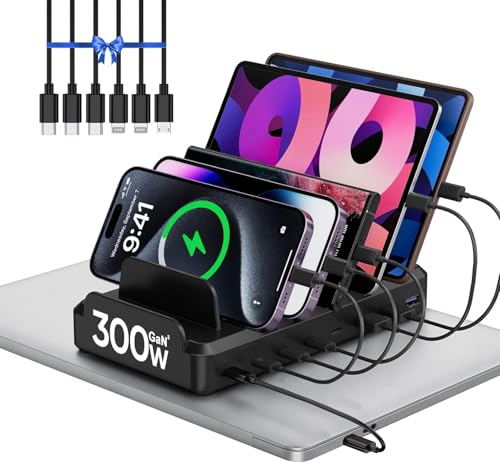
A charging pad needs almost no upkeep, but a few habits extend its life. Wipe the surface with a dry cloth now and then, because dust and grit between the phone and the pad can scratch both. Keep the pad out of direct sun and away from radiators, since charging in extreme heat slows the process and ages your phone battery faster. Coil whine or a pad that grows unusually hot is a sign to unplug it and check the adapter pairing. If you charge several devices in one spot, a larger unit covered in our guide to the best charging station for android phones may suit your household better than several loose pads.
Frequently Asked Questions
What features matter most in charging pads for android phones?
Stable wattage, coil placement, and case compatibility matter most. A pad that delivers a steady 10 to 15 watts and aligns easily will feel faster in daily use than a higher rated pad with a tiny sweet spot. Surface grip and a dim status light round out the short list for nightstand use.
Will a charging pad work through my phone case?
Usually yes, as long as the case is slim. Most pads charge through cases up to about 5 mm thick, while metal plates, magnetic rings and card holders over the coil can block charging. If charging keeps stopping, remove the case once to learn whether the case or the placement is the problem.
Is wireless charging slower than a cable?
Generally yes. Most Android phones accept 10 to 15 watts from a standard Qi pad, while a good cable and adapter can deliver more. The pad wins on convenience for overnight and desk top ups, and the cable wins when you need a quick charge before leaving.
Do I need a power adapter for a charging pad?
Most pads need one, and many do not include it. Pair the pad with an adapter that matches its stated input, because an old low output adapter can cut charging speed sharply. Check the box contents before you order.
Is it safe to leave my phone on a pad overnight?
Phones and certified pads slow or stop charging as the battery fills, so overnight use is normal. Keep the pad on a hard surface with some airflow, away from blankets, and follow the instructions from your phone maker. Many phones also offer a battery protection setting that limits the charge level.
Final Thoughts
Match the pad to your routine first: wattage for speed, coil layout for easy alignment, and case compatibility for the phone you actually carry. Dual pads earn their space when two devices charge nightly, and simple single pads win everywhere else. Compare your shortlist with the product table above, and you will land on the best charging pad for android phones for your home without overthinking a small purchase.