
Best Android Phones Out: A Practical Buying Guide for 2026
Disclosure: We may earn a commission when you buy through links on this page, at no extra cost to you. As an Amazon Associate I earn from qualifying purchases. Learn more

A practical guide to the best android phones out now, covering price tiers, cameras, battery, storage, and how long software updates last.
Shoppers searching for the best android phones out usually want to know what is actually on sale right now, not what a rumor site promises for next season. That is a fair question, because new models launch all year and older ones stay on shelves at lower prices. This guide shows how to read the current lineup, which price tiers make sense, and which specs deserve your money.
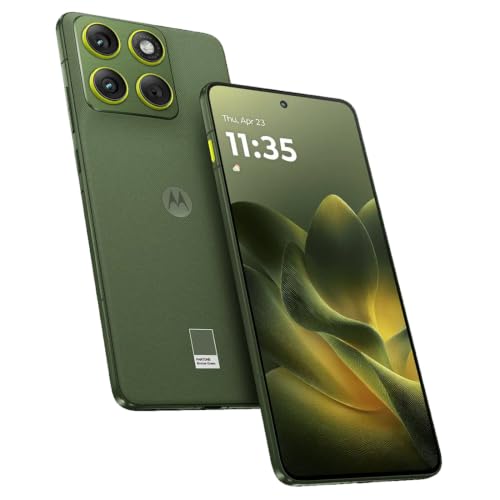
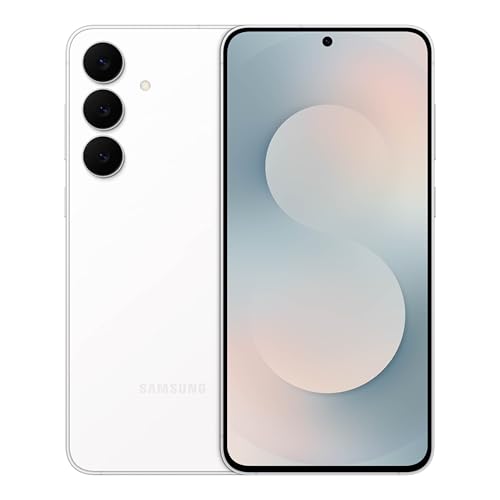
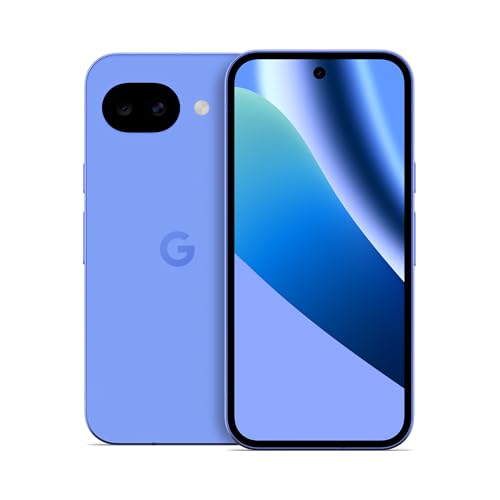
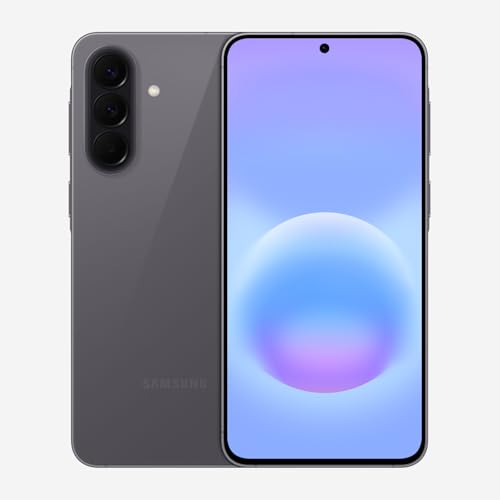
The product table lists current phones from several brands and price levels. Use it to shortlist, then use the checks below to decide which one fits your hands, your carrier, and your budget.





What "Out" Means When You Shop
A phone is "out" when you can buy it new, in stock, with a full warranty. That includes this season's launches and models released a year or two ago that are still sold new. Both can be good buys, so the launch date matters less than what remains of the update window.
Software support is counted from the day a model first launched, not the day you order. A phone released two years ago with a five year promise has three years left, while a fresh launch with the same promise has five. When two phones cost about the same, the later launch usually gives you more safe years.
The Best Android Phones Out by Price Tier
Budget Phones, Under About $300
Budget phones now cover calls, messaging, maps, streaming, and daylight photos without trouble. Expect a large LCD or basic OLED screen, a battery near 5,000 mAh, and storage of 128 GB. The trade offs are slower charging, softer night photos, and a shorter update promise.
Midrange Phones, About $300 to $600
This is where most buyers should look first. You get a bright OLED screen with a 90 or 120 Hz refresh rate, a stabilized main camera, faster charging, and a chip that stays smooth for years. Water resistance and longer update promises also become common.
Premium Phones, About $600 and Above
Premium phones add telephoto cameras, the brightest screens, premium glass and metal builds, and the longest update promises. They suit heavy photographers, gamers, and anyone who keeps a phone for five years or more. For casual use, the gain over a strong midrange phone is real but narrow.
Features to Check Before You Order
Display Size and Quality
An OLED panel gives deeper blacks and better outdoor contrast than a basic LCD. Screens of 6.1 to 6.4 inches suit one hand use, while 6.7 inches and above favor video and reading. Peak brightness matters more than resolution if you often use maps outside.
Camera System
The main camera takes most of your photos, so judge it first. Optical stabilization and a solid night mode matter more than the megapixel number printed on the box. An ultrawide lens is useful for groups and interiors, while a telephoto lens earns its cost only if you shoot distant subjects.
Battery and Charging
Most current phones carry between 4,500 and 5,500 mAh, enough for a full day of mixed use. Charging speed decides how fast a short plug in helps, so check the wattage and whether a charger is in the box. Wireless charging is a bonus, not a necessity.
Chip, Memory, and Storage
A modern midrange chip with 6 to 8 GB of memory handles daily apps and casual games comfortably. Choose 128 GB of storage as a floor, and 256 GB if you record video or keep large games. Most phones no longer accept a memory card, so the size you buy is the size you keep.
Software Updates
Look for a written promise of major Android upgrades and security patches, and favor four years or more. A phone with long support stays safe for banking and mail apps, and it keeps more resale value. If a listing says nothing about updates, treat that silence as a warning.
Carrier Bands and 5G
An unlocked phone gives you freedom to change carriers, but only if it supports your carrier's bands. Compare the 5G and LTE band list with your network, and prefer the US version of a model over an import. A missing band can mean weak indoor signal even on a flagship.
New Release or Last Season's Model?
A last season model sold new is often the smartest buy. It usually shares the same camera and chip as its successor, while the price drops once a replacement arrives. The only costs are fewer remaining update years and, sometimes, a slightly older design.
A fresh launch makes sense when you keep phones for four or five years and want the longest possible support. It also suits you if a new feature, such as better night video or faster charging, solves a problem you have today. Compare both options in the product table before deciding.
Common Mistakes to Avoid
- Buying on megapixel count alone, which ignores sensor size and image processing.
- Ignoring the update end date and ending up with a phone that loses security patches early.
- Choosing 64 GB of storage to save a little, then deleting photos every month.
- Skipping the band check on an unlocked phone and finding weak signal at home.
- Paying flagship prices for features you will rarely use.
Setup and Care Tips
Use a case and screen protector from the first day, because most cracked screens happen early. Keep software updated, avoid charging in a hot car, and back up photos to cloud storage or a computer. Review your return window and confirm calls, mobile data, and the camera work well in your own home before it closes.
For a wider view of the market, you can also read our guides to the best android phones out there and the best performing android phones.
Frequently Asked Questions
Should I buy the newest Android phone?
Buy the newest model only if its update promise, camera, or battery solves a real need. A recent model often delivers nearly the same daily experience for less money. Check the support end date before you pay, since it matters more than the launch month.
How long will a current Android phone last?
Most current phones last several years with updates and sensible battery care. Support length, battery wear, and app demands set the real limit. A phone with a long update promise and an affordable battery replacement lasts longest in practice.
Is a flagship camera worth the extra cost?
It is worth it if you shoot often in low light, print photos, or record a lot of video. For social photos in good light, midrange cameras do very well. Compare sample photos in the conditions you actually shoot in.
How much storage should I choose?
Choose 128 GB if you stream most media and back up photos online. Step up to 256 GB if you record video, download shows for travel, or install large games. Because most phones skip a card slot, buying a little extra is cheap insurance.
Do I need 5G?
Yes, for most buyers, because carriers keep moving capacity to 5G and a phone is a multi year purchase. Speed gains vary by city and plan, and strong LTE still works well in many areas. Check the coverage map for your home and work addresses before paying extra for it.
Final Thoughts
The best android phones out are the ones that match your budget tier, carry a written update promise, and fit your hand and network. Start with your priorities, shortlist from the product table above, and confirm the details in this guide. A calm, informed choice now gives you a phone you will still enjoy for years.


