
Best Chargers For Android Phones 2026: How to Choose the Right One
Disclosure: We may earn a commission when you buy through links on this page, at no extra cost to you. As an Amazon Associate I earn from qualifying purchases. Learn more

Learn how to choose chargers for Android phones by charging speed, cable type, safety, and portability for home, car, and travel use for smart buying.
Phone charging looks simple until a slow charger, a wrong cable, or a dead battery on a trip gets in the way. When you compare best chargers for android phones, speed, cable type, and safety matter more than headline watt numbers alone. This guide explains how those pieces fit together, so you can charge quickly without harming battery health.
The comparison table below gives a quick overview of the main choices. The sections that follow explain who each type suits, the types available, and the features that matter most, so you can narrow the choice to what fits your room, routine, and budget.
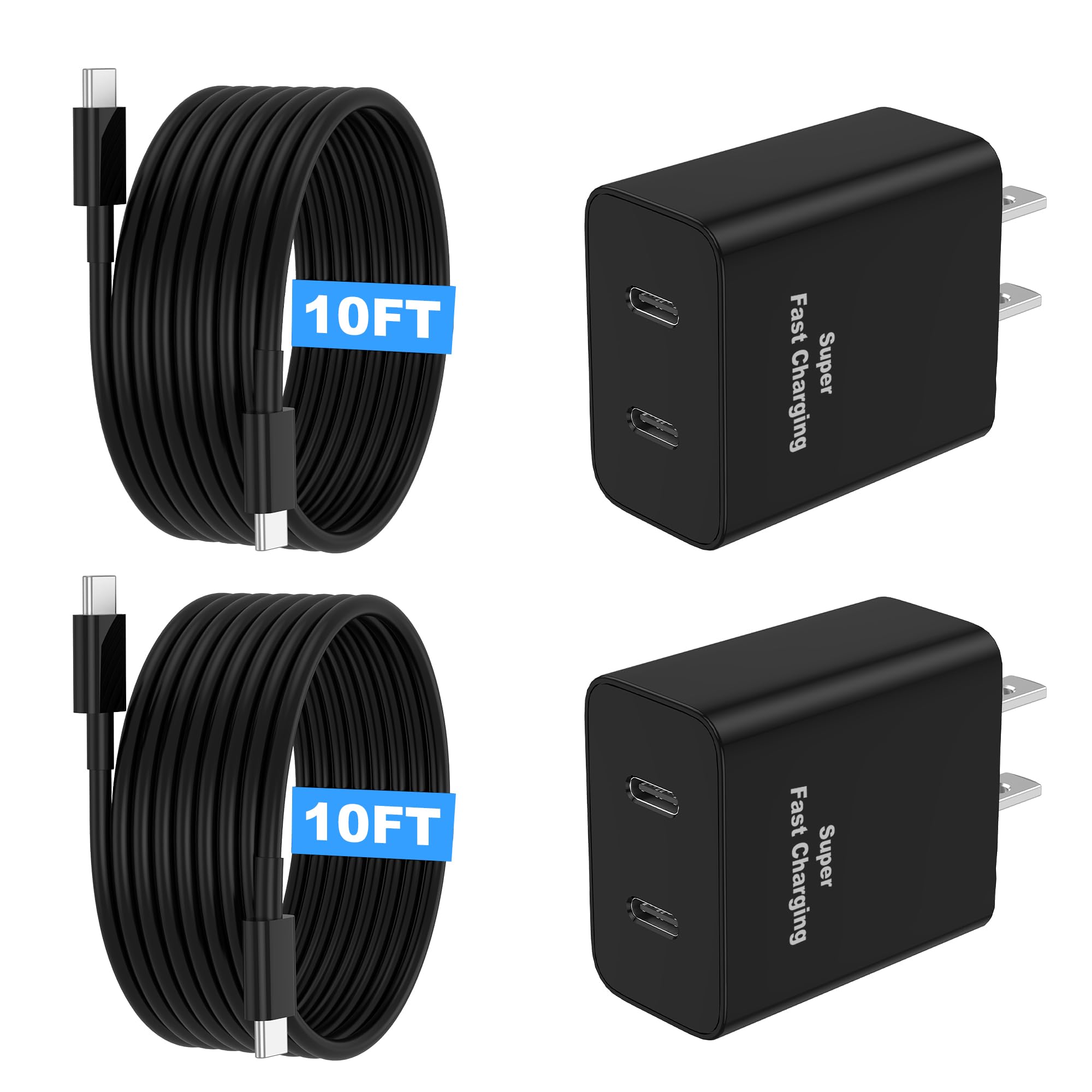


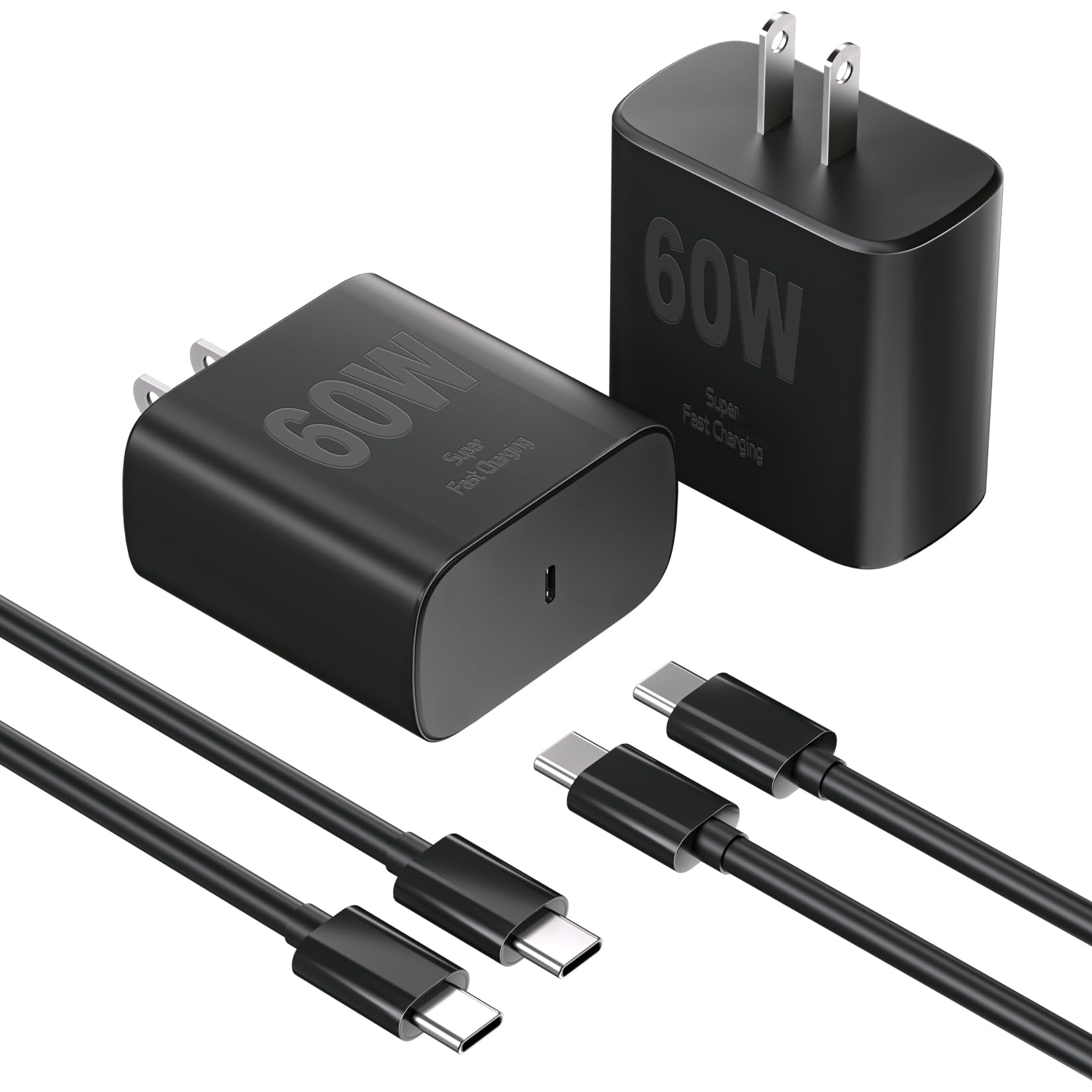
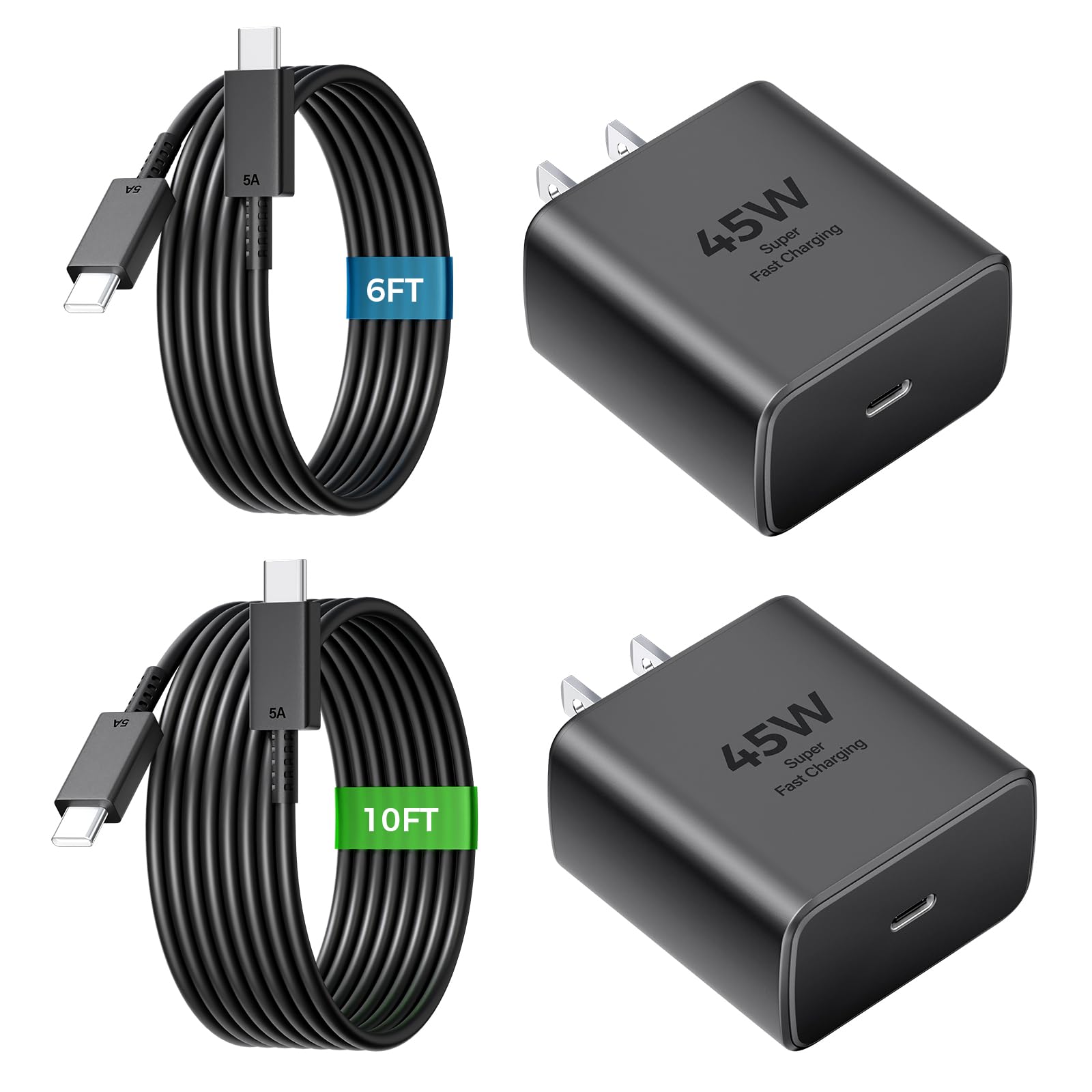

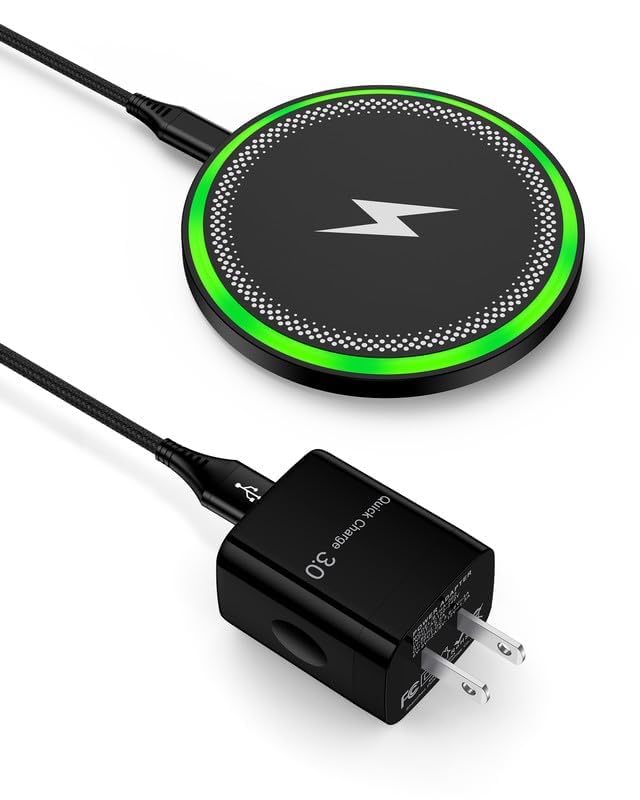
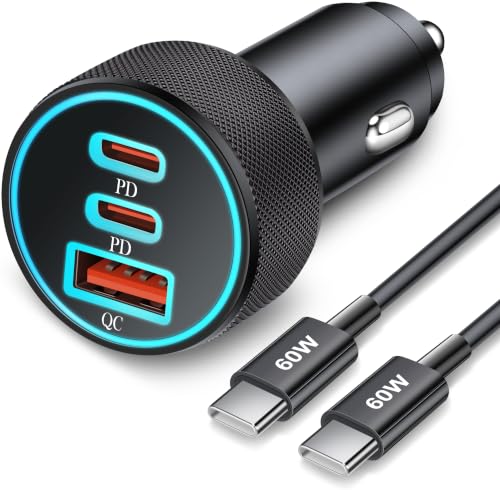

Who Should Buy Which Type
Different buyers need different strengths from chargers for Android phones. The groups below cover the most common situations, and each one notes what to prioritise first.
For Home Users
Home users benefit from a reliable wall charger with enough ports for the household. A charger that supports the phone fast charging standard will save time every day, while extra ports reduce clutter. Place one charger where the phone usually rests overnight, and keep a spare for the living room.
For Travellers
Travellers need a compact charger that works with different outlets and a power bank for days away from a socket. A multi port travel charger covers a phone, earbuds, and a watch in one plug. Check cable length too, since hotel sockets are rarely where you want them.
For Car Users
Car users should look for a car charger that stays firmly in the socket and charges fast enough for navigation use. Navigation and streaming drain a battery quickly, so a weak car charger may only slow the drain. Choose a model with the right cable and a secure fit for your car socket.
Types Compared
The main types differ in size, performance, and upkeep. Comparing them side by side makes it easier to see which trade off you are happy to accept.
Wall Chargers
Wall chargers are the everyday choice for home and office. Single port models suit one phone, while multi port models charge several devices at once. Check total output, since a multi port charger may split power between ports.
Wireless Chargers
Wireless chargers charge by placing the phone on a pad or stand, which is convenient at a desk or bedside. They usually charge slower than a wired fast charger and can generate warmth. Remove thick cases if charging seems slow, and use a stand model if you want to see notifications.
Portable and Car Chargers
Portable chargers, or power banks, give power away from a socket, while car chargers use the vehicle socket. Capacity matters for power banks, and output matters for car chargers. Match the type to where you most often run low.
Related guides that may help: For power on the move, see our guide to best portable charger for android phones. For pad and stand charging, read about best wireless charger for android phones. For the fastest wired charging, check best fast charger for android phones. And for in car charging, explore best car charger for android phones.
Key Features to Compare
Use the features below as a checklist when you compare options in the product table above. A model that scores well on the points that matter to you will usually serve you better than one with a long list of extras you never use.
Charging Standard
Android phones use different fast charging standards, and a charger must support your phone standard to reach full speed. A high watt number alone does not guarantee fast charging if the standard differs. Check your phone maker guidance and match the charger standard to it.
Cable Type and Quality
Most modern Android phones use USB C, but cable quality affects speed and safety. A poor cable can limit charging or overheat, so use a cable rated for the charger output. Replace frayed cables at once, since damage near the plug is a common fault.
Safety Protections
Good chargers include protection against overcurrent, overheating, and short circuits. Certified chargers from known makers are safer than unbranded bargains, especially for overnight charging. Look for recognised safety certification and avoid chargers that run very hot.
Port Count and Output
More ports help households, but total output is shared in many multi port chargers. A charger rated at 65 watts total may give far less per port when all ports are in use. Check per port output for the device that matters most to you.
Travel Compatibility
Travel compatibility matters if you charge abroad, since plug shapes and voltages differ. A charger with wide voltage support and a compact folding plug travels best. Pack a suitable adapter and a spare cable, since hotel shops rarely stock the right cable at a fair price.
Common Mistakes to Avoid
A common mistake is buying the highest watt charger available without checking whether the phone supports that standard, which wastes money. Another is using a cheap, damaged cable that limits speed and creates heat. Match charger, cable, and phone standard together, and replace worn cables promptly.
Getting the Most From Your Choice
Keep chargers dry, ventilated, and away from bedding that traps heat during overnight charging. Unplug a charger that smells hot or looks damaged, and do not use it again. Wipe ports gently to remove dust, and store travel chargers in a case so cables do not kink.
Planning Your Purchase
List every device you charge regularly, and note which fast charging standard each one uses. That list decides whether a single port charger suffices or a multi port model makes sense, and it prevents buying a charger that only serves one device well.
Think about where charging happens most: bedside, desk, car, or travel bag. A charger that lives in one place can be larger and more powerful, while a travel charger must be compact. Many people benefit from two chargers rather than one compromise.
Before ordering, check cable ratings and certification, since a good charger with a poor cable still charges slowly. Buy cables rated for your charger output, and replace any cable with frayed ends or loose plugs at once.
Questions to Ask Before You Order
- Which fast charging standard does my phone support?
- Do I need USB C, and is my cable rated for fast charging?
- How many devices will charge at once?
- Where will I charge most: home, car, or travel?
- Is the charger certified for safety, and what warranty applies?
Write down your answers before you order. They make it much easier to compare the options in the product table above without getting distracted by features you do not need.
Frequently Asked Questions
Why does my phone charge slowly?
Slow charging often comes from a mismatched charger standard, a low quality cable, or a charger that shares power across ports. Check that the charger supports your phone standard and that the cable is rated for fast charging. Background apps and heat can also slow charging, especially in warm rooms.
Is fast charging bad for battery health?
Fast charging creates more heat than slow charging, and heat affects battery life over time. Occasional fast charging is fine for most users, while routine overnight slow charging is gentler. Avoid charging in very hot places, and do not leave a phone in a hot car while charging.
Can I use any USB C charger with an Android phone?
Most USB C chargers will charge an Android phone at a basic speed, but fast charging needs a matching standard. A charger that does not support your phone standard will simply charge more slowly. For safety, prefer certified chargers from known makers over unbranded ones.
Are wireless chargers slower than wired chargers?
Wireless chargers are usually slower than wired fast chargers, and they can generate more warmth. They suit bedside and desk use where speed matters less. If you need a quick top up before leaving, a wired fast charger is usually the better choice.
How do I choose a power bank?
Choose capacity based on how many full charges you need, and output based on your phone charging standard. A 10,000 mAh bank suits a day trip, while larger banks suit longer travel but weigh more. Check that the bank itself recharges at a reasonable speed too.
Can I charge my phone overnight safely?
Overnight charging is generally safe with a certified charger in good condition, since modern phones manage charging automatically. Keep the charger ventilated and away from bedding, and replace damaged cables promptly. Avoid very cheap unbranded chargers for overnight use.
Final Thoughts
The right pick among best chargers for android phones matches your phone charging standard, uses a good cable, and suits where you charge most. Compare the product table above with your phone model and daily routine in mind, and favour certified safety over headline watts.
Check the product table above once more against your shortlist, then choose the option that fits your space, routine, and budget best.


