Best Chinese Cameras for 2026: The Buyer Checklist We Use
Disclosure: We may earn a commission when you buy through links on this page, at no extra cost to you. As an Amazon Associate I earn from qualifying purchases. Learn more

Compare the best chinese cameras by sensor, lens mount, autofocus, video and US support, with a buyer checklist, red flags and care tips included.
Chinese brands now sell everything from pocket compacts to full frame mirrorless bodies. The hard part is knowing which specs are real, which lens systems you can build on in the US, and what support looks like after the sale. This guide uses one checklist to judge the best chinese cameras on sensor, lenses, autofocus, video, and ownership costs.
Start with how you shoot, then match the format to that habit before you compare prices. The comparison table below lines up the current options by type and price band. If brand origin matters less than format, see our guide to the best digital cameras for the wider field.


Who Should Buy a Chinese Camera?
Travel and Everyday Shooters Who Want Value
You want better photos than your phone gives you. A compact or small mirrorless body gives you a larger sensor, a real zoom lens, and physical controls for about $300 to $600. Check the weight with the lens fitted, because weight matters on long days.
New Mirrorless Buyers Building a First Lens Kit
You plan to grow beyond one lens, so the mount matters more than the body deal. Some Chinese brands license mounts with broad lens support, while newer mounts offer only a few native lenses. Price the lenses you would buy next from US retailers. A cheap body stops being cheap if the portrait lens you want is import only.
Video Creators Who Shoot for Social Platforms
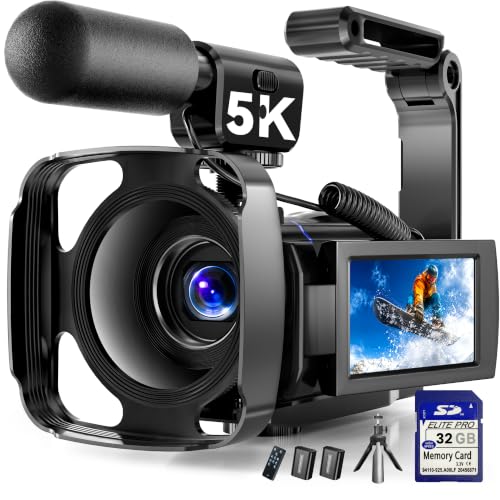
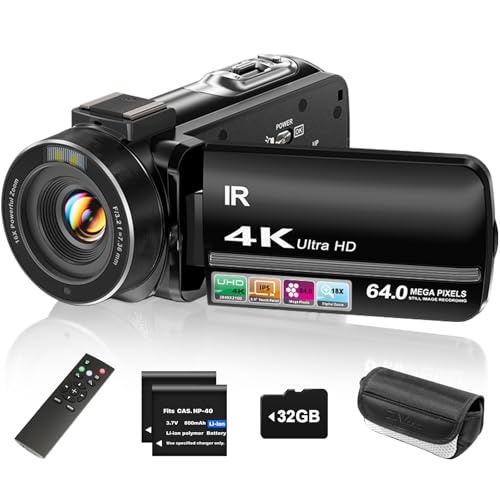
You need clean 4K footage, a screen you can see while filming yourself, and a microphone input for clear speech. Many Chinese models offer strong video specs for the price, but recording limits, heat shutdowns, and app quality vary a lot. Check the longest continuous recording time at your chosen setting.
Key Features to Compare
How Sensor Size Shapes Photos From Chinese Brands
Sensor size shapes image quality more than any other spec. A 1 inch sensor suits point and shoot compacts and already beats a phone in dim light. APS C sensors gather more light and blur backgrounds easily. Full frame sensors give the cleanest files at high ISO settings. A 24 megapixel sensor behind good lenses usually beats a 48 megapixel sensor behind a weak lens.
Autofocus Speed and Stabilization in Chinese Bodies
Autofocus decides how many shots land in focus, especially with moving subjects. Look for eye detection for people, subject tracking that holds on through a short burst, and focus that stays reliable in dim rooms. In body stabilization moves the sensor and helps with any lens, while lens based stabilization works only on lenses that have it. For handheld video, in body stabilization is the more flexible choice.
Lens Mount and Objective Lens Choice
The objective lens in front of the sensor sets your sharpness ceiling, your widest aperture. Fixed lens compacts stay simple and pocketable, but you live with the one focal range fitted. Interchangeable lens bodies let you add a bright prime for portraits or a telephoto zoom for school sports. Check whether lens adapters keep autofocus or drop you to manual focus only.
Video Capabilities
Judge video by the settings you will actually use. 4K at 30 frames per second suits most family and travel filming, while 4K at 60 frames per second gives smoother motion. A flip screen helps solo framing, and a microphone input lifts audio far beyond the built in microphone. Log profiles help editors, but skip log if you post clips straight from the camera.
Battery Endurance and USB C Charging on Chinese Models
Battery ratings use a standard shot count, and real use with screens, WiFi, and video drains cells faster. Plan on a spare battery for any full day of shooting. USB C charging is worth having because you can top up from a power bank instead of carrying a separate charger. Check whether the camera charges while it records.
Low Light Shooting With Chinese Camera Systems
Low light results come from sensor size, maximum lens aperture, and how cleanly the camera handles high ISO settings. A larger sensor with an f1.8 or f2.8 lens holds detail in a candlelit room where a small sensor compact turns faces waxy. In body stabilization also helps by allowing slower shutter speeds for still subjects. See our guide to the best cameras for photography.
Support, Firmware, and US Warranty
Ownership support is where Chinese brands differ most. Check who honors the warranty in the US, how long it runs, and where repairs are handled. Read the firmware update history, because regular updates signal a brand that stands behind its cameras. Confirm the menus, the app, and the manual are all in clear English. See our guide to the best quality cameras.
Chinese Camera Types Compared: Which Format Fits You
Shortlist the best chinese cameras by format first, because format decides size, lens cost, and daily handling.
Compact and Point and Shoot Cameras
Compacts pair a fixed zoom lens with a 1 inch or smaller sensor in a body that fits a jacket pocket. You give up lens changes and the cleanest low light files, and you gain a camera you will actually carry. Choose this type for travel and family days. Favor a clear optical zoom range over a large digital zoom number.
Interchangeable Lens Mirrorless Options From Chinese Makers
Mirrorless bodies range from small APS C models at about $500 to $900 with a kit lens to full frame bodies well above $1,500. Buy this type if photography may become a lasting hobby, because lenses carry forward to your next body. Start with the kit zoom, learn which focal lengths you use most, then add one bright prime.
Action and Vlogging Cameras
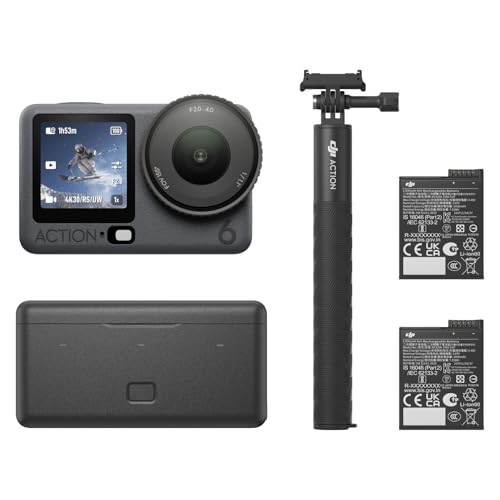
Action and vlogging models trade sensor size for toughness, strong stabilization, and simple controls. Weatherproof sealing lets them ride on a bike or a beach bag without a case, and built in stabilization smooths walking footage well. Pick this type when movement is the subject, not for still portraits or dim indoor scenes.
Quick Buyer Checklist for Chinese Cameras
Run through these questions before you order. A no on any of the first four is a good reason to pause.
- Is the sensor size stated clearly in the listing?
- Can you buy at least two more lenses for this mount from US retailers today?
- Does the listing name a US warranty and a service contact?
- Are the menus, manual, and companion app fully in English?
- Does the camera charge over USB C and take an affordable spare battery?
- Is the optical zoom range, not the digital zoom number, enough for your subjects?
- Can you return it after testing autofocus and video at home?
Common Mistakes to Avoid
- Buying on megapixel count alone, so you end up with big files that still look soft.
- Trusting a huge digital zoom claim, so distant subjects turn into smeared blocks with no real detail.
- Choosing a mount with almost no lenses sold in the US, so your kit stops growing.
- Skipping the warranty check on an import listing, so a repair means shipping the camera overseas at your cost.
- Ignoring recording limits and heat warnings, so long school events or ceremonies cut off mid way.
Care and Maintenance for Chinese Cameras
Clean the front lens element with a microfiber lens cloth, never with your shirt, because shirt fabric can hold grit that scratches coatings. Blow loose dust off first with a small hand blower. Carry a spare charged battery and rotate your batteries in regular use. Store the camera in a dry, padded bag, and add a silica gel pack if your home is humid, since moisture invites fungus in lenses.
Keep firmware current by checking the brand support page a few times a year, and install updates with a full battery. Clean the sensor only with swabs made for your sensor size, or have a camera shop do it. Wipe the body after beach or rain use, and let everything dry fully before you seal the bag.
FAQ
What specs matter most for beginners buying a Chinese camera?
Sensor size, autofocus reliability, and lens choice matter most for beginners. Start with at least a 1 inch sensor in a compact or an APS C sensor in a mirrorless body, plus eye detection autofocus for people. One point new buyers miss: check that the brand posts beginner friendly video guides in English, because tutorials shorten the learning curve.
Is a smartphone enough instead of a Chinese camera?
A smartphone is enough for quick shares in good light, but a dedicated camera pulls ahead in zoom reach, dim rooms, and fast moving subjects. Optical zoom keeps distant detail that phone digital zoom smears, and physical dials make exposure changes faster. If you mostly shoot daylight travel scenes for social posts, keep the phone and buy a small tripod instead.
Which sensor size is better for low light photos with a Chinese camera?
A larger sensor is better for low light photos because it gathers more light and holds detail at high ISO settings. Full frame leads, and APS C is the value choice. Pair the sensor with the brightest lens you can afford, since an f1.8 lens on APS C can match an f2.8 lens on full frame.
How much should I spend on a first Chinese camera?
Most first time buyers do well at about $300 to $600 for a good compact or about $500 to $900 for a mirrorless body with a kit lens. Set aside roughly ten percent of the budget for a spare battery, a memory card, and a padded bag. Spending more mainly buys a larger sensor and a deeper lens system.
How do I check US warranty and firmware support for a Chinese camera?
Read the warranty terms on the brand US site, not only the marketplace listing, and note the service address and claim steps. Then open the support page for your exact model and review the firmware list. Several dated updates in the past year show active support, while a model with no updates since launch is a risk. Register the camera right after purchase.
Final Thoughts
Judge these cameras simply: sensor first, lens system second, support always. A fair price only stays fair when the mount has lenses you can buy, the firmware keeps improving, and a US warranty stands behind the body. Match the format to your habits, and the best chinese cameras for your needs will stand out clearly in the product table above.