
Best Car Charger for Android Phones at Every Price: What Your Money Really Gets You for 2026
Disclosure: We may earn a commission when you buy through links on this page, at no extra cost to you. As an Amazon Associate I earn from qualifying purchases. Learn more
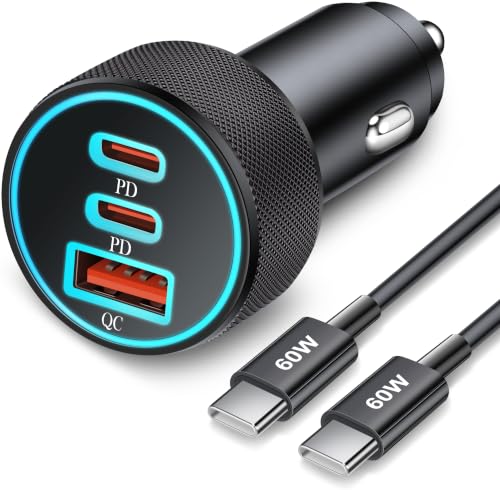
Compare the best car charger for android phones by price tier, wattage, port count, and safety features so you pay only for charging speed you will use.
Car chargers range from a few dollars to the price of a nice dinner, and the boxes all promise fast charging. Some of that money buys real speed and safety, and some buys lights and styling you will never notice. Finding the best car charger for android phones means matching wattage, ports, and build quality to your phone and your drives.
This guide breaks down what each price tier actually delivers, which features deserve your money, and which ones you can skip. Use the comparison table below to check wattage and port counts as you read each tier.


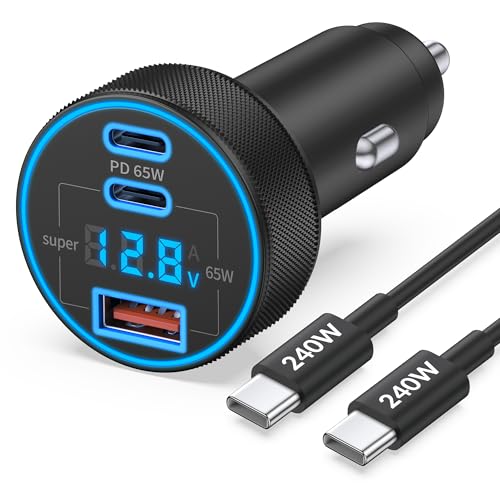
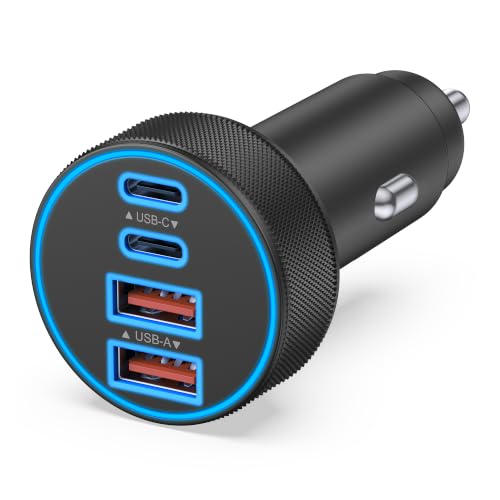
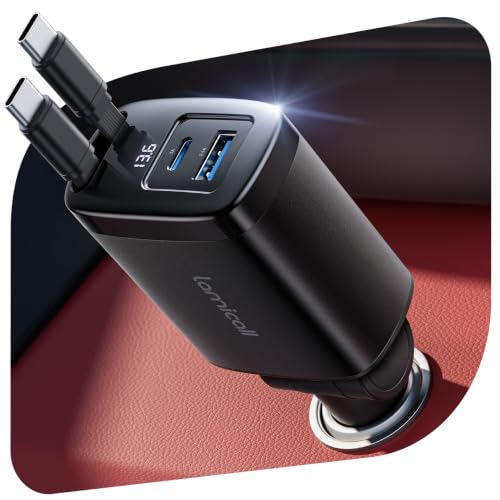
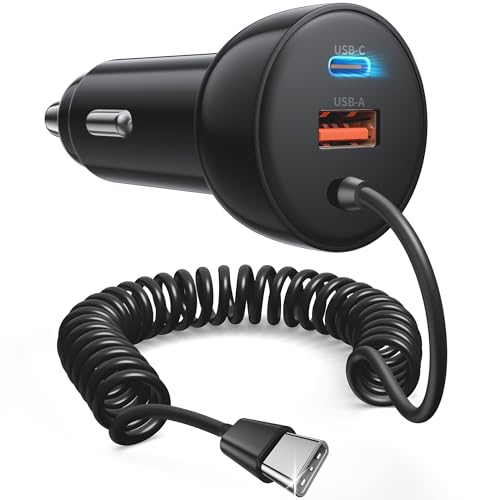
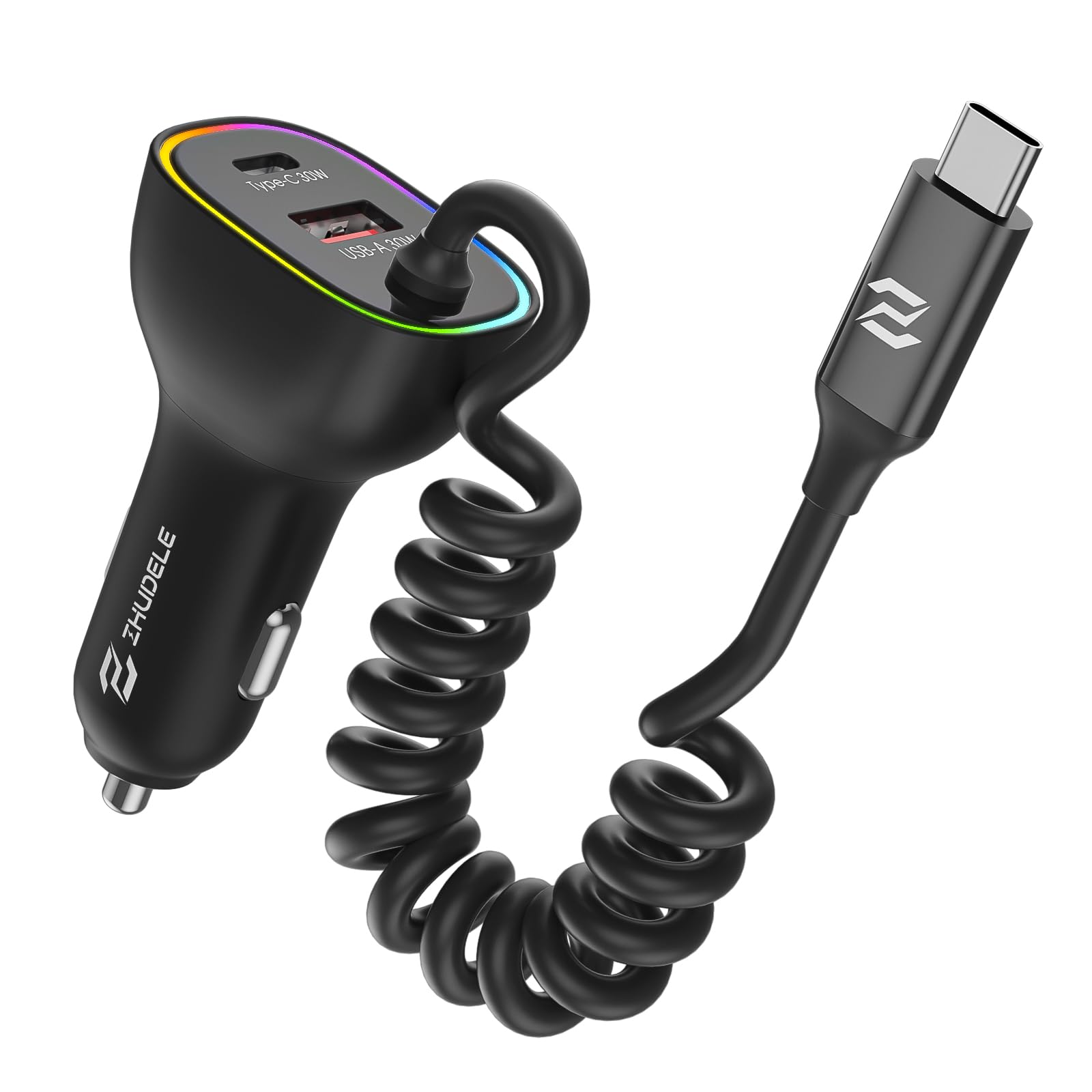
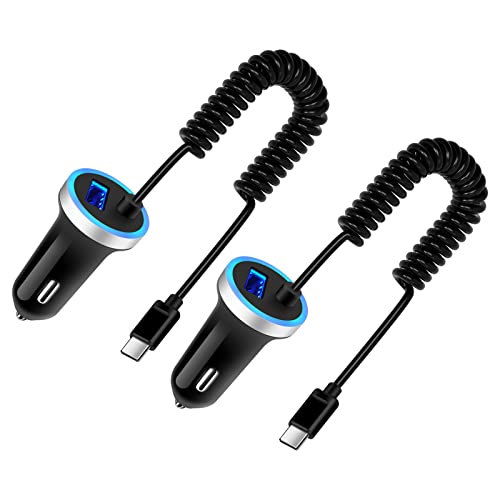
Three Budget Profiles Worth Considering First
Think of the market in three profiles rather than three specific products. Each profile below describes what a sensible charger at that level should offer, what it leaves out, and who should buy it.
The Budget Profile
A sound budget profile costs around $10 to $15 and gives you two USB ports with honest total output around 24 to 30 watts. That is enough to charge one Android phone at a useful speed while a passenger tops up more slowly. Build quality is basic, the body is light, and there are no cables in the box. The limitation is shared power. Plug in two hungry phones and both slow down, so this profile suits solo drivers and shorter trips.
The Midrange Profile
The midrange profile, around $18 to $30, is where most buyers should land. Expect at least one USB C port with USB Power Delivery around 30 watts or more, a second port for a passenger, and a metal or reinforced body that sits firmly in the socket. This level charges most Android phones at or near their fastest wired rate. The trade off is size and heat. Smaller high output chargers can run warm on long drives, so a slightly larger body often ages better.
The Premium Profile
The premium profile, around $35 to $60, adds high total output around 60 to 100 watts, smart power splitting between ports, and sometimes a built in cable or a small display. It suits drivers who charge a phone and a tablet or laptop class device at once, or who share the car with family. You pay for headroom you may rarely use, and large bodies can crowd nearby controls in some dashboards. Buy this tier for real multi device needs, not for a single phone.
What Your Money Gets You at Each Price Tier
Price tiers in this category follow a clear pattern. The first step up from the cheapest options buys safety and honest ratings. The next step buys speed. The top step buys capacity for several devices at once.
Budget Tier: What to Expect
At around $10 to $15, expect plastic bodies, two ports, and basic circuit protection. Charging speed is fine for navigation plus a slow top up, but many cheap units overstate output, so treat wattage claims with doubt unless the listing states per port and total output clearly. This tier is a glove box spare or a second car solution. Skip the very cheapest unbranded options under about $8, because weak socket contacts and poor heat control can cause intermittent charging that is hard to diagnose later.
Midrange Tier: The Sweet Spot for Most Buyers
At around $18 to $30, you get USB Power Delivery and often Quick Charge support, stronger socket springs, and better heat design. One port can fast charge a modern Android phone while the other handles a second device at normal speed. This is the tier where a charger stops being a consumable and becomes a long term accessory. If you keep cars for years and drive daily, the small extra cost over the budget tier returns value every week in faster, more reliable charging.
Drivers who also charge away from the car may want our guide to the best portable charger for android phones for battery pack choices, and our guide to the best chargers for android phones for wall charging at home.
Premium Tier: When Spending More Pays Off
At around $35 to $60, spending more pays off when you charge two fast devices at once, run a tablet for kids in the back seat, or work from the car with a laptop that charges over USB C. Premium units split power intelligently, so unplugging one device lets the other speed up again. You also tend to get better warranties and sturdier cables in the box. If none of those cases sounds like your life, this tier adds cost without adding daily benefit, and the midrange tier is the smarter buy.
Features Worth Paying For (and Ones to Skip)
Feature lists are long, but only a few items change your daily experience. The points below sort the features that matter for Android phones from the ones that mostly decorate a listing.
Features and Extras
Worth paying for: a built in cable in the right length if your socket sits far from your phone mount, and a clear indicator light you can see in daylight. A retractable cable can keep a tidy cabin in cars with limited storage. Skip large color displays that show voltage you will check once, and skip extra ports beyond three unless you regularly carry a full car. Wireless charging pads for the car exist, and our guide to the best wireless charger for android phones explains their slower speed and heat trade offs.
Safety Features
Good chargers protect against over current, over voltage, short circuits, and overheating, and they shut down cleanly if something goes wrong. Look for clear safety wording and recognized certification marks rather than vague claims. A charger should feel firm in the 12 volt socket, because a loose fit can arc and interrupt power. Never use a charger with a cracked body or a bent contact. If a charger becomes too hot to touch comfortably, unplug it and replace it. Heat is the clearest early warning of a failing unit.
Vehicle Compatibility
Almost every car, truck, and SUV provides a 12 volt accessory socket, and most chargers fit it. Compatibility issues are physical, not electronic. Deep or recessed sockets in some dashboards can block wide charger bodies, and socket covers or nearby shifters can crowd tall designs. Check the socket location in your car before choosing a large premium unit. Also note that some vehicles cut socket power when the engine is off, while others stay live. A live socket can drain the car battery if a charger and device sit plugged in for days.
Features That Matter for Android Phones
Android phones fast charge through USB Power Delivery or, on some brands, proprietary systems that need the maker own charger or cable to reach top speed. For most Android models, a USB C port offering around 25 to 45 watts with Power Delivery covers full speed charging. Your cable matters just as much. A worn or very long thin cable can halve the rate. Use a short, quality USB C cable rated for the wattage you expect, and read our guide to the best fast charger for android phones if top speed is your main goal.
Drivers planning a head unit upgrade too can see our guide to the best car stereo for android phones, since a modern stereo sometimes adds a useful charging port of its own.
Long Term Costs to Factor In
The charger price is only part of the cost. Cables wear out first, especially where they bend near the connector, so budget for a replacement quality cable about once a year if you charge daily. A charger that overheats can also shorten your phone battery health over time, which is a hidden cost of the cheapest units. Warranty length matters here. A two year warranty on a midrange charger often makes it cheaper over three years than buying two bargain units that each fail within a year of daily use.
Frequently Asked Questions
What features matter most in car chargers for android phones?
USB Power Delivery output, port layout, and safety protection matter most. One USB C port with at least 25 to 30 watts covers fast charging for most Android phones, and a second port keeps a passenger happy. Check total output as well as per port output, because shared designs slow down with two devices. A detail many buyers miss is cable rating. Your charger can only deliver what the cable can carry, so pair it with a cable rated for the same wattage.
What specs matter most?
Total watts, per port watts, and supported charging standards matter most. Look for Power Delivery for USB C and Quick Charge support if your phone uses it. Ignore inflated combined numbers that no single device can use. Also check input rating. Chargers designed for both 12 volt cars and 24 volt trucks exist, which helps if you drive both. For a single phone, more than about 45 watts on one port adds nothing, since the phone itself sets the maximum rate it will accept.
How long does it last?
A quality charger lasts two to four years of daily use. Heat cycles and loose sockets are the main wear factors, and cables usually fail before the charger body does. If charging becomes intermittent, test with a new cable and a different socket before replacing the charger. Storing a spare in the glove box is cheap insurance on road trips, where a dead charger and a low phone battery can turn a navigation problem into a genuinely stressful evening.
Do I need professional installation?
No. A car charger is plug and play. You push it into the accessory socket until it seats firmly, connect your cable, and confirm the phone shows a charging indicator. No tools, wiring, or vehicle changes are needed. If the socket itself is dead, check the vehicle fuse for that circuit before blaming the charger. Replacing a blown accessory fuse is a simple job described in your vehicle manual, and it restores both the socket and any other items on that circuit.
Will it fit my vehicle?
Almost certainly yes, because accessory sockets follow a standard size across cars, trucks, and SUVs. Fit problems are about space around the socket, not the socket itself. Measure or eyeball the clearance if your socket sits inside a covered console or close to the shifter. Compact low profile chargers solve most tight cases, though they can be harder to pull out. If you use a phone mount far from the socket, plan cable length as part of fit, not as an afterthought.
The Bottom Line
Match wattage to your phone, choose the midrange tier unless you charge several devices at once, and insist on real safety protection. Those three rules prevent most bad buys. Compare your shortlist in the product table above, budget for a good cable, and check socket clearance in your car before you order. Chosen that way, the best car charger for android phones will quietly do its job on every drive for years.


