Best Chinese Hifi Speakers: The Buyer Checklist for 2026
Disclosure: We may earn a commission when you buy through links on this page, at no extra cost to you. As an Amazon Associate I earn from qualifying purchases. Learn more

Use this checklist to choose the best chinese hifi speakers, covering driver quality, frequency response, room placement, inputs, and red flags to avoid.
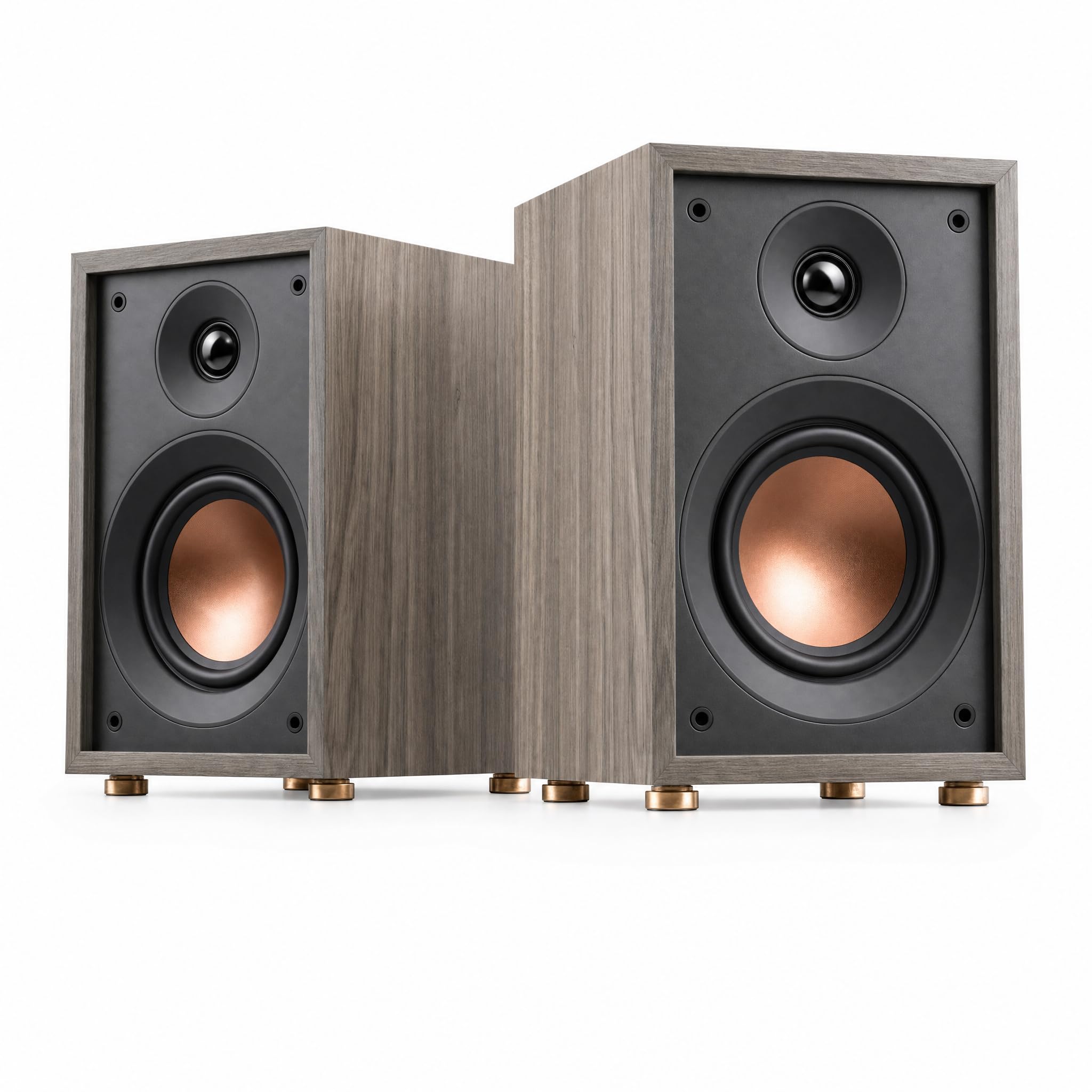
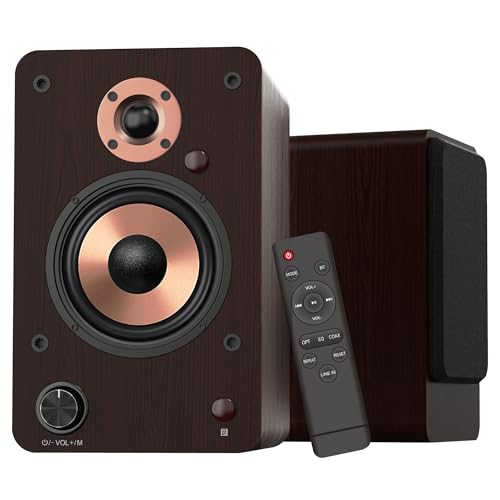
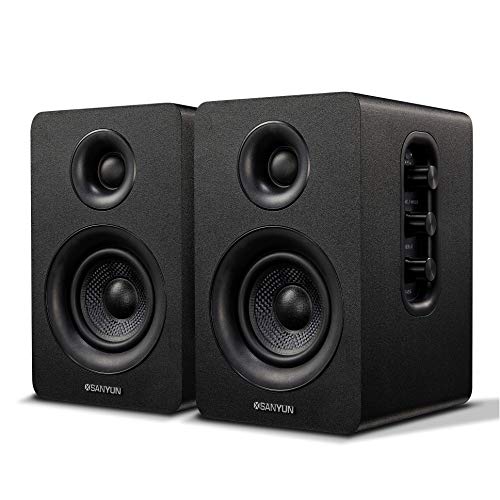
Hifi buyers face a flood of Chinese brands promising studio sound at a fraction of legacy prices, and some of them deliver while others hide weak drivers behind glossy cabinets. This guide gives you a clear checklist for judging the best chinese hifi speakers on the things that actually shape sound: drivers, tuning, cabinet, and room fit. Start with the comparison table below, then score each candidate against the criteria that follow.
A checklist protects you from the two common errors in this market: paying for features you cannot hear, and rejecting a plain looking speaker that does the fundamentals well. Work through the criteria in order, because the early items matter more than the later ones.


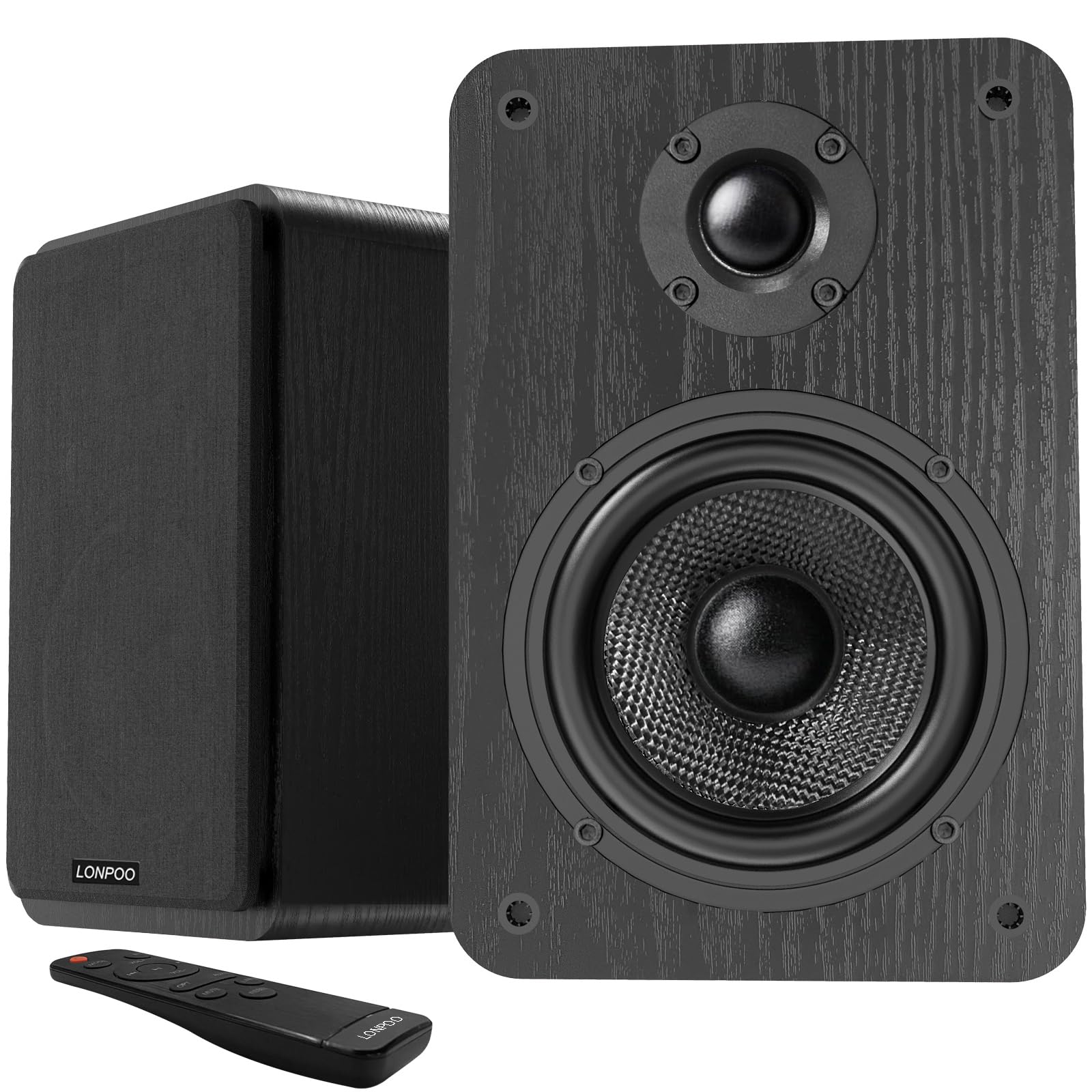

How to Evaluate Chinese Hifi Speakers
Sound Quality and Tuning
Start with frequency response stated with a tolerance, such as 55 Hz to 20 kHz plus or minus 3 dB. A response claimed without a tolerance tells you nothing. Driver quality shows in the details: a rigid woofer cone, a properly sized magnet, and a tweeter with a smooth top end matter more than exotic material names. Tuning should favor a near neutral balance for hifi use, since a boosted bass and treble smile curve flatters a demo but tires your ears over an evening of listening.
Placement and Room Size
Room fit is a pass or fail criterion, not a fine detail. Compact bookshelf models suit desks and small rooms, standmount models suit medium rooms on proper stands, and floorstanders need space from walls to breathe. Rear ported designs need roughly a foot or more behind them; front ported or sealed designs tolerate shelves and walls better. Score any speaker down if its size and port layout fight your room, no matter how strong its reviews sound, because placement problems cannot be fixed later with cables or settings.
Sources and Connectivity
List your sources first, then check the speaker or the amplifier it needs can accept them all. Passive hifi speakers rely on your amplifier for inputs, so judge the pairing as a system. Active and wireless models build inputs in, and there you should look for optical for a TV, USB or balanced inputs where offered, and Bluetooth with AAC or aptX for casual streaming. Our guide to the best hifi wireless speakers covers the wireless formats and their limits in more depth.
Cabinet Build and Finish
Knock on the cabinet side: a dull, dense thud suggests thick, braced panels, while a hollow ring warns of resonance that colors vocals. Check that the finish is even, the drivers sit flush, and the terminals feel solid. Weight supports the same judgment, since serious cabinets and crossover parts add mass. A crossover built with decent components inside a quiet cabinet is the unglamorous foundation of clean hifi sound, and it is where careful Chinese makers quietly beat flashier rivals.
Sensitivity and Amplifier Match
Sensitivity, stated in dB, tells you how much amplifier power a speaker needs. A rating near 88 dB or higher plays at satisfying levels with a modest amplifier, while a low sensitivity design around 83 to 85 dB needs real power to open up. Check the impedance curve claims too; a nominal 8 ohm speaker is an easy load, while one that dips near 3 ohms can strain small amplifiers. Matching this criterion correctly prevents the flat, strained sound buyers often blame on the speaker itself.
Warranty and Seller Support
Support is part of the product at this price level. Favor sellers who state a warranty of at least one to two years, publish a real support contact, and stock spare parts such as replacement tweeters or grilles. Read how returns work for a bulky pair, because freight costs can erase a refund. A slightly higher price from a seller with clear support usually beats a bargain from a storefront that vanishes. For a broader shortlist across brands, see our guide to the best hifi speakers.
Three Price Tiers That Pass the Checklist
Entry Tier, Under $200 a Pair
At this level, expect compact passive or active bookshelf speakers with 4 to 5 inch woofers and honest, simple crossovers. The best of them deliver clear midrange and tidy imaging for a desk or small room, which is exactly what a first hifi setup needs. Bass depth and loudness are the limits, and finishes are basic vinyl rather than real wood. Pass mark: a stated response with tolerance, a solid cabinet, and tone controls or a sane fixed tuning. This tier pairs well with the desktop advice in our guide to the best hifi speakers for pc.
Mid Tier, About $200 to $600 a Pair
The mid tier is where Chinese hifi gets serious. Woofers grow to 5.25 or 6.5 inches, cabinets gain bracing and better veneers, tweeters resolve more detail without harshness, and active models add proper digital inputs and remote control. A pair here can anchor a living room system for years and reveal differences between recordings clearly. Pass mark: sensitivity that suits your amplifier, a port layout that fits your room, and imaging that stays stable when you move off center. Most buyers should shop here first.
Upgrade Tier, Above $600 a Pair
Above $600 you pay for refinement: lower distortion at volume, deeper and tighter bass, finer finishes, and in some cases ribbon or planar tweeters with very smooth highs. The improvements are audible mainly in good rooms with careful placement, so budget for stands and basic room treatment alongside the speakers. Pass mark: everything in the mid tier, plus build quality you can feel in every panel and terminal. If your room is untreated and small, this tier returns little over the tier below.
Quick Buyer Checklist
- Is the frequency response stated with a tolerance, not just a wide range?
- Does the cabinet size and port position suit the space you actually have?
- Does the sensitivity rating match the amplifier you own or plan to buy?
- Are all your sources covered by the inputs on the speaker or the amplifier?
- Is the tuning near neutral, or can tone controls or EQ correct it?
- Is the warranty at least one year, with a clear returns path for a bulky pair?
- Can you buy spare parts or a matched single speaker if one is damaged?
- Does the total cost still work after stands, cables, and any amplifier?
Shelf and standmount shoppers can cross check models against our guide to the best hifi bookshelf speakers, which uses similar criteria for that format.
Red Flags to Watch For
- Vague specifications, such as power handling in huge watts with no RMS figure and response ranges with no tolerance stated.
- No safety or radio certification marks on wireless models, which can signal skipped compliance testing.
- Review patterns that look bought, with many short five star posts in the same week and no critical detail.
- Very short warranties, or a seller with no support address and no spare parts for a speaker at this price.
- Claims of exotic driver materials paired with a feather light cabinet, which suggests money went to marketing rather than the box.
How to Make Your Chinese Hifi Speaker Last Longer
Keep powered models on the latest firmware when the maker offers updates, since fixes often address standby and Bluetooth faults. Dust cabinets and grilles with a dry cloth, keep speakers out of direct sun so veneers and glues age slowly, and avoid long sessions at maximum volume, which heats amplifiers and stresses tweeters. Store spare fuses and the manual with the speakers, and leave rear vents clear on active models so heat escapes.
Your Questions Answered
Do Chinese hifi speakers sound better wired or wireless?
Wired connections give the most consistent hifi result, because they avoid wireless compression and dropouts. A quality USB, optical, or analog link from a good source preserves detail across long listening sessions. Wireless models have improved and suit casual listening well, especially with aptX or AAC, but serious listeners should keep a wired path for their main source and treat wireless as a convenience input.
Do Chinese hifi speakers need a special amplifier?
Passive models need an amplifier matched to their sensitivity and impedance, not a special brand. A speaker rated near 88 dB sensitivity works with most modest amplifiers, while a low sensitivity or low impedance model needs an amplifier rated for 4 ohm loads with real current. Active models need no amplifier at all. When in doubt, choose the easier load; amplifier strain sounds like harshness that buyers often blame on the speaker.
How much power do Chinese hifi speakers need?
Less than marketing suggests. In a typical room, most listening uses only a few watts, and a clean 30 to 60 watt amplifier drives an average sensitivity speaker to strong levels. Extra power buys headroom for loud peaks and large rooms, not everyday volume. Prioritize a low noise, honest amplifier rating over a huge wattage figure, and remember that doubling power adds only about 3 dB, a modest step in loudness.
What size Chinese hifi speaker suits my room?
Match the speaker to the room, not to your ambitions. Small rooms and desks suit compact models with 4 to 5 inch woofers placed near the listening spot. Medium rooms suit 5.25 to 6.5 inch standmount speakers on stands with space from the wall. Large rooms can support floorstanders. Oversized speakers in a small room produce boomy bass that no setting fully cures, so smaller and well placed usually wins.
Are Chinese hifi speakers a safe buy for a long term system?
Yes, when you buy on the checklist rather than on claims. The established Chinese audio makers have produced competitive speakers for years, and passive models have little to fail. Your protection is a clear warranty, a seller who stocks parts, and a return window long enough for home listening. Keep proof of purchase, and note that our wider overview of the best chinese speakers puts these hifi models in context with other formats.
Wrapping Up
Score every candidate on response honesty, room fit, and amplifier match before you think about finish or features, and the shortlist writes itself. The mid tier passes that test for most homes, while the other tiers serve desks and dedicated rooms. When you are ready, compare the best chinese hifi speakers in the product table above against the checklist, and choose the pair that passes every line that matters in your room.