Best Charcoal Smoker Grills for 2026: Matching the Right Smoker to Your Routine
Disclosure: We may earn a commission when you buy through links on this page, at no extra cost to you. As an Amazon Associate I earn from qualifying purchases. Learn more
Compare the best charcoal smoker grills by cooking space, steel thickness, and temperature control, with honest notes on fuel cost and fire care.
A charcoal smoker asks more of its owner than most grills, and it gives more back. You are not cooking over a quick flame; you are holding a low fire steady for hours while smoke does slow work on the food. The right way to choose among the best charcoal smoker grills is to match the unit to your routine: how often you cook, how many people you feed, and how much fire tending you actually enjoy. The comparison table below sets the main classes side by side so you can weigh size, build, and control before price.
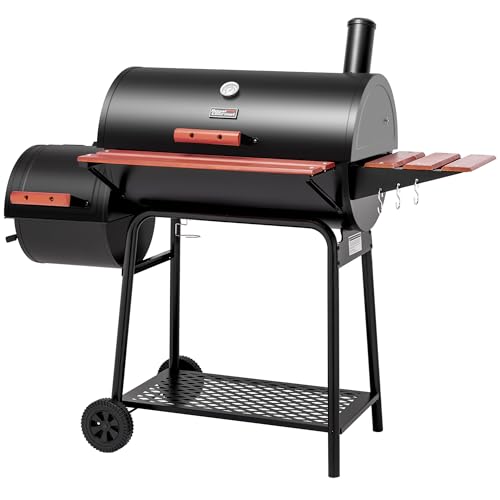
There is no single best unit for every yard. A compact smoker suits a couple who cook on weekends, while a large offset unit rewards the cook who hosts a crowd and likes managing a fire. Price follows steel, size, and sealing more than it follows badges, and a modest unit with tight seams can hold temperature better than a large unit with gaps. Read on with your routine in mind, and judge each feature by whether it helps you hold a steady fire on the days you really cook.
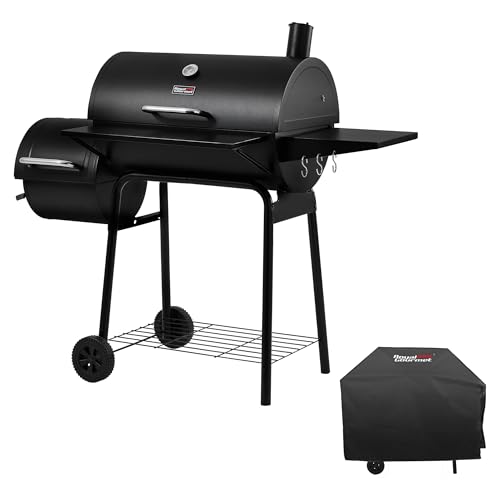
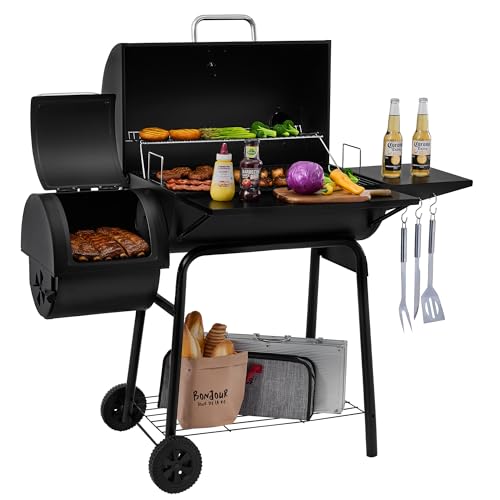


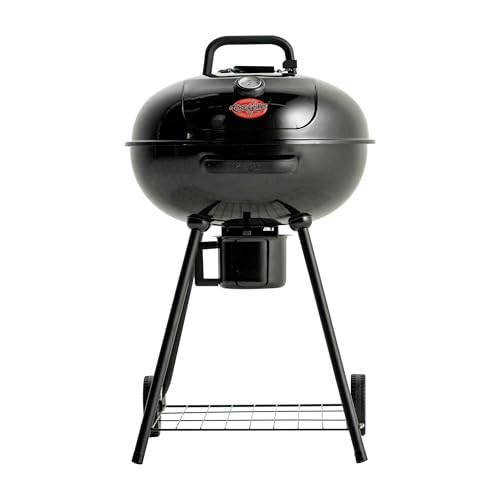

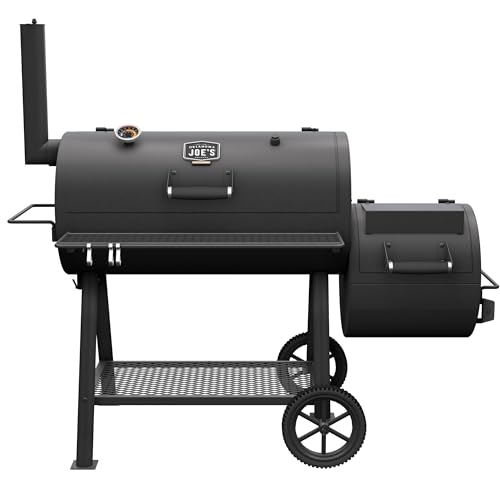

Who Should Buy Which Charcoal Smoker Grills?
Still deciding between cooking styles? Our guide to the best grills and smokers compares the wider field. The three groups below cover most charcoal smoker buyers, and each group should shop for different strengths, because the routine you actually keep matters more than the largest unit you can picture using once a year.
For Weekend Beginners
Beginners need a smoker that forgives uneven fire management. A modest cooking area, a simple vent layout, and a price around $150 to $300 keeps the stakes low while you learn how charcoal behaves across a long cook. Choose a design that holds temperature steadily rather than one that sears hardest, because low and slow cooking is the reason this class exists. If most of your cooking turns out to be fast direct heat meals, our guide to the best charcoal barbecue grills may fit your routine better than a dedicated smoker.
For Small Spaces and Easy Storage
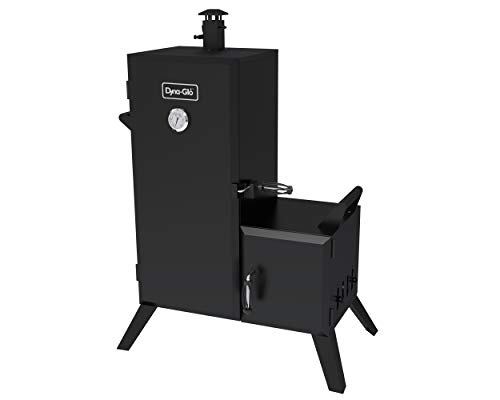
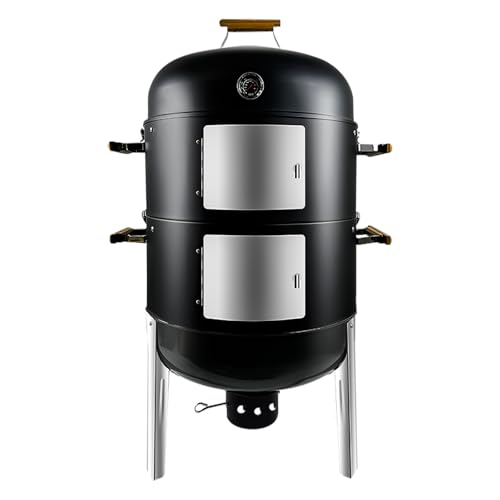
A small patio or a garage corner rules out the largest offsets, so shop by footprint first. Vertical designs stack the fire below the food and cook a surprising amount in a narrow circle of floor space. Weight matters as well, since a unit you must move for every cook should roll easily and store against a wall. Keep the cover in the budget from the start, because a stored smoker that sits uncovered will rust between cooks no matter how thick its steel started.
For Frequent or Serious Users
Cooks who smoke most weekends should buy for endurance. Thicker steel holds heat through wind and cold, tight lids and sealed doors keep smoke on the food, and a larger firebox means fewer refuels across an overnight cook. Warranty terms on the body and firebox tell you how the maker expects the unit to age. Expect to pay about $400 to $900 for this class, and judge the price against years of weekly use rather than against the cheapest unit on the page.
Key Features to Compare
Start with the fire itself, because everything else on the smoker serves it. A charcoal smoker is a live fire held at a low temperature for many hours at a stretch. You manage that fire with fuel and air: add charcoal to feed it, open vents to raise it, and close vents to calm it, and the smoker is never something you light and leave alone for the day. Safe and steady results come from checking the fire on a rhythm, keeping water and a clear space around the unit, and planning your time around the cook rather than the other way around.
Fuel Type (Gas, Charcoal, Pellet, Electric)
Charcoal is the fuel this guide is about, and its two common classes burn differently. Lump charcoal lights fast, burns hot, and leaves little ash, while briquettes burn slower and more evenly across a long cook, which suits smoking. Fuel is not a one time cost: it is part of the purchase and a running cost on every cook, so price your first season of charcoal into the budget. Other fuels change the job entirely: gas and electric units trade smoke depth for convenience, and pellet units feed fuel on their own; our guide to the best pellet grills and smokers covers that separate class in full.
Build Quality and Materials
Steel thickness is the quiet spec that decides how a smoker ages and how steadily it cooks. Thick steel holds heat when the lid opens and resists warping across years of heat cycles, while thin steel leaks heat and rusts early. Cast iron grates hold heat well and mark food cleanly, and they reward a light coat of oil after cleaning. Check the lid fit and door seals with your hands if you can, since smoke that escapes at the seams is heat and flavor leaving the cook, and our guide to the best quality charcoal grills goes deeper on build grades across charcoal cooking.
Temperature Control and Smart Features
Smoking is a temperature held over hours, so control matters more than peak heat. Vents are the main tool: their size, placement, and seals decide how finely you can steer the fire. Trust a thermometer, not the gauge in the lid, because lid gauges sit above the food and often read far from the grate where the cooking happens, and a probe thermometer at grate level tells you the temperature your food actually feels. Smart features such as WiFi probes and alerts can help on overnight cooks, but they report the fire; they do not manage it for you.
Assembly and Warranty
Most smokers in this class arrive in panels and parts, and assembly takes about one to two hours with basic tools. Read the instructions fully before you start, season the interior with heat and oil before your first real cook, and retighten the hardware after the first few cooks as the metal settles. Warranty cover usually splits by part: fireboxes and bodies carry longer terms than grates, handles, and gauges. A maker that publishes clear terms by part is easier to deal with when a door hinge or grate fails in year three.
Common Mistakes to Avoid When Buying Charcoal Smoker Grills
A short list of errors accounts for most disappointing first seasons with a new smoker.
- Buying on price alone and ending up with thin steel that leaks heat and rusts early.
- Ignoring fuel type, then discovering the unit cooks with gas, pellets, or electricity when you wanted charcoal smoke.
- Buying far too large for weekly cooking, so every small meal wastes fuel heating empty space.
- Buying too small for the crowds you host, then cooking in stressed batches on the day that matters.
- Skipping the warranty terms and finding that the firebox, the part that ages fastest, carries the shortest cover.
- Trusting the lid gauge and never learning the real temperature at the grate.
Tips to Get the Most From Your Charcoal Smoker Grill
Preheat the smoker for 10 to 15 minutes before cooking so the grates and walls hold steady heat when the food goes on. Clean the grates while they are still warm, when residue brushes off with far less effort, and oil them lightly afterward. Let ash cool fully before you empty it, and store cooled ash in a metal container away from anything that can burn, because ash can hide live heat for a long while. Cover the grill between cooks, check seams and edges for rust at the start of each season, and touch up bare spots before they spread.
Charcoal Smoker Grills: Your Questions Answered
How often should I clean my charcoal smoker grill?
Clean the grates after every cook, while they are still warm, and empty the ash once it has cooled fully. A deeper clean belongs at the start and end of your main cooking season: scrape the interior walls, clear the vents, and check the seals. One point many owners miss is that ash left sitting in the unit draws moisture from the air and speeds up rust on the firebox floor, so an empty ash pan protects the smoker between cooks.
How long should a good charcoal smoker grill last?
A good charcoal smoker grill should last about eight to twelve years with covered storage and basic care. The body and firebox set the ceiling on lifespan, while grates, gaskets, and gauges are wear parts you should expect to replace along the way. A unit that lives uncovered outdoors can rust through in a fraction of that time. Judge lifespan claims against steel thickness and warranty terms rather than against the price tag alone.
What type of charcoal smoker grill gives the best flavor?
Flavor comes from the charcoal and the smoke, so the type matters less than the fuel you feed it. Offset and vertical charcoal units both produce deep smoke flavor when the fire burns clean. One lever the rest of this guide only touches briefly is wood: adding a few chunks of hardwood to the charcoal gives you a second layer of smoke flavor and lets you steer the taste toward mild or strong. Thin blue smoke is the goal; thick white smoke can turn food bitter.
Is a pellet grill worth it?
A pellet grill is worth it if steady temperature with little tending matters more to you than charcoal flavor. Pellet units hold a set temperature on their own, which makes overnight cooks calmer, but they need an electrical outlet and their smoke flavor runs milder than a charcoal fire. The running cost also differs, since pellets are a bought fuel sold by the bag. Readers who want the charcoal taste and the ritual of managing a fire usually stay with charcoal.
How big of a charcoal smoker grill do I need?
Size the smoker to your largest regular cook, not your largest imaginable one. A cooking area around 400 to 600 square inches handles briskets, several racks of ribs, or a pair of chickens for most households. One sizing point worth adding is width: two zone cooking, with fire on one side and food on the other, needs extra width more than extra depth. A modest unit you fill well cooks better than a large unit you heat half empty every weekend.
Final Thoughts
Match the smoker to your routine first: how often you cook, how many you feed, and how much fire tending you enjoy. Then compare steel, seals, and temperature control, and let price follow those points, using the product table above to pull the main classes together so you can check size and build side by side. Our guide to the best bbq grills and smokers is a useful next read if your cooking mixes grilling and smoking in equal measure. Chosen well, the best charcoal smoker grills for your yard will hold a low fire steady for years of weekends.