Best Charcoal Grills to Buy in 2026: Which Type Is Right for You?
Disclosure: We may earn a commission when you buy through links on this page, at no extra cost to you. As an Amazon Associate I earn from qualifying purchases. Learn more
Compare the best charcoal grills to buy by type, flavor, control, size and cost to choose the right style for your yard and budget.
Choosing among kettle, barrel, ceramic, and portable charcoal grills can feel confusing because each style cooks a little differently. This guide compares types instead of reviewing single models, so you can match a style to your food, your space, and your patience for tending a fire. If you are shopping for best charcoal grills to buy for real backyard cooking, start with how you like to cook, then use the comparison table below to narrow your short list.
Along the way you will learn how charcoal compares with other fuels, which features actually change your results, and what size fits your household.




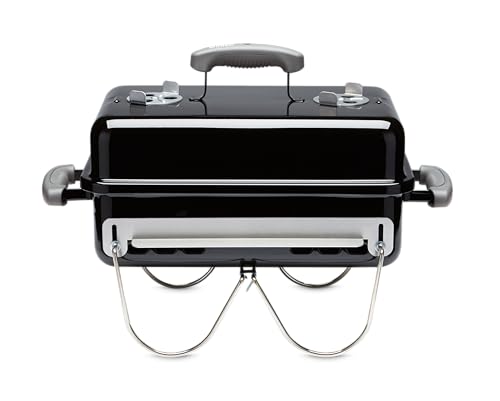
How Charcoal Grills Compare to Other Options
Charcoal grills cook with burning charcoal under the grate, and you control heat by arranging coals and opening or closing vents. That hands on control is the main appeal, along with deep smoke flavor and very high heat for a strong sear. The tradeoffs are slower startup, more ash to clean, and a learning curve for holding a steady temperature.
Other fuels solve different problems. Gas starts fast and holds heat with a dial, pellets automate temperature for long cooks, and kamado grills use charcoal with far better insulation. The sections below compare each rival on flavor, effort, and cost, so you can confirm that charcoal is truly your fuel before you compare charcoal styles against each other.
Charcoal Grills vs Pellet Grills and Smokers
Pellet grills and smokers burn wood pellets fed from a pellet hopper by an auger, and a controller holds your set temperature for hours with little attention. That makes long brisket and pork cooks much easier, and the smoke flavor is clean and mild. Charcoal gives a stronger, more classic smoke taste and reaches much higher heat for steaks, while pellet units often struggle to produce a hard crust.
Choose pellets if you value set and forget cooking most. Choose charcoal if you want stronger flavor, higher heat, a lower starting price, and a simpler machine with no electronics to fail outdoors.
Charcoal Grills vs Gas Grills
Gas grills light in seconds, heat in about ten minutes, and adjust with knobs, which makes them ideal for quick weeknight dinners. Their flavor is clean but mild, because no burning charcoal or wood adds smoke. Charcoal takes about twenty to thirty minutes to light with a chimney starter, yet it rewards that wait with richer flavor and hotter searing heat than most gas models reach.
If your household wants both worlds in one unit, see our guide to the best gas charcoal grills for how combo designs split the difference.
Charcoal Grills vs Kamado Grills
Kamado grills are charcoal grills too, but their thick ceramic walls hold heat and moisture far better than thin steel. A kamado can hold low heat for many hours on one load of lump charcoal and can also climb past 600 degrees Fahrenheit for pizza and steaks. That range comes at a price, often about $700 to $1500, plus heavy weight that makes moving the grill difficult.
Choose a kamado if you plan frequent long smokes in all seasons and accept the weight and cost. Choose a standard charcoal grill if you want most of the flavor for a fraction of the price.
Who Should Choose Charcoal Grills?
Charcoal suits cooks who enjoy the process as much as the meal and who put flavor first. The groups below show who tends to be happiest with charcoal, and who usually does better with another fuel.
Cooks Who Put Smoke Flavor First
If burgers, steaks, and chicken taste flat to you on gas, charcoal is likely your answer. Burning charcoal adds a depth that gas cannot copy, and a few wood chunks let you layer smoke for ribs and roasts. For classic designs built around that flavor, see our guide to the best charcoal barbecue grills and the styles it covers.
Budget Conscious Backyard Cooks
Charcoal offers the lowest entry price of any grill type, and a simple kettle under $200 can cook almost anything well. Fuel is cheap, parts are widely available, and there are no burners, igniters, or electronics to replace. Families who grill a few times a month often find this value hard to beat. If keeping total cost low is your top priority, see our guide to the best affordable charcoal grills for what to expect at lower prices.
Cooks Who Should Probably Choose Another Fuel
If you need dinner cooked within minutes of walking outside, charcoal will frustrate you on busy nights. People who dislike ash cleanup, smoke near neighbors, or managing a fire in wind and cold also tend to drift back to gas or pellets. Renters with rules against open flame on balconies should check their lease and local rules before buying.
How to Choose the Right Charcoal Grill
Once you know charcoal is your fuel, comparing the best charcoal grills to buy comes down to a handful of practical factors. Work through fuel style, heat, control, running cost, and cooking area in that order, and judge listings and the product table above with clear eyes.
Fuel Type and Charcoal Style
Your main fuel choice inside charcoal cooking is briquettes versus lump charcoal. Briquettes are uniform, burn steadily for a long time, and make repeatable results easier, which helps during long cooks. Lump charcoal is pure wood, lights faster, burns hotter, and leaves less ash, but piece sizes vary and it may burn out sooner. Either fuel works in any charcoal grill, so you are not locked in by the grill you buy. Store charcoal dry, because damp charcoal lights poorly and produces bitter smoke.
Heat Output and Temperature Range
Charcoal grills rarely list BTU ratings the way gas models do, because heat depends on how much charcoal you load and how you arrange it. Judge heat instead by coal capacity, the distance between coals and grate, and whether the lid and vents seal well. A strong sear needs a full chimney of lit coals spread close under the grate, while low and slow cooking at about 225 degrees Fahrenheit needs a small, controlled fire off to one side. Grate material matters too, since cast iron grates hold heat and leave bold marks, while thinner steel grates heat and cool faster and feel easier to handle.
Temperature Control and Vent Design
On a charcoal grill, you are the temperature controller. Bottom vents feed air to the fire and top vents let heat and smoke escape, and small adjustments change the cooking temperature over the next ten to fifteen minutes. Look for vents that move smoothly, stay where you set them, and are easy to reach without burning your hand. Pellet models automate this job with a PID controller and fans, but some charcoal grills add a crank that raises or lowers the coal bed, which changes heat quickly and is worth paying for if you often cook foods that need different heat levels in one session.
Fuel Cost and Availability
Charcoal is sold in nearly every grocery and hardware store, so you will rarely struggle to find fuel. A typical session uses a modest load of coals costing only a few dollars, and pellet cooks usually spend more per long session. Factor in extras you will actually use, such as a chimney starter, a cover, and replacement grates over the years. Charcoal grills have few parts, so long term ownership costs stay low.
Cooking Area and Capacity
Cooking area is listed in square inches, and it decides how much food fits without crowding. Around 350 to 450 square inches suits most families, holding about fifteen to twenty burgers at once or a whole chicken with vegetables. Smaller grills near 200 square inches work for couples and small patios, while grills at 600 square inches and up fit parties and weekly meal prep. Remember that two zone cooking uses only part of the grate over direct heat, so your effective searing space is smaller than the headline number.
Choosing Charcoal Grills for Your Situation
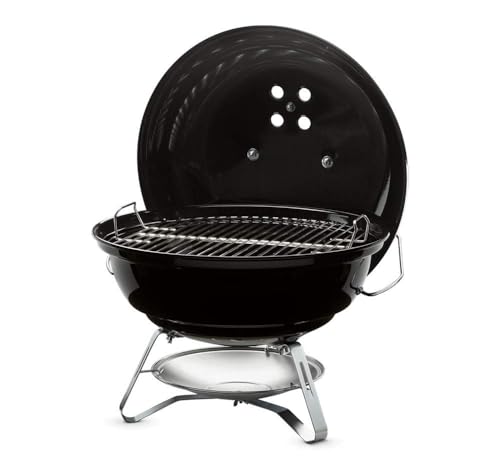
Your space and routine should have the final say between styles. A large yard opens every option, while a small patio favors compact kettles and tabletop portables that store in a corner. If you plan to cook in parks or at campsites, see our guide to the best outdoor charcoal grills for portable options that travel well.
Best Home Charcoal Grills: Which Type Works Best
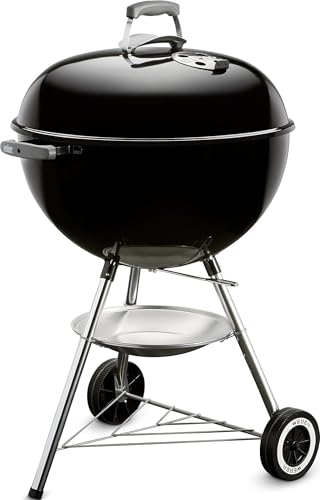
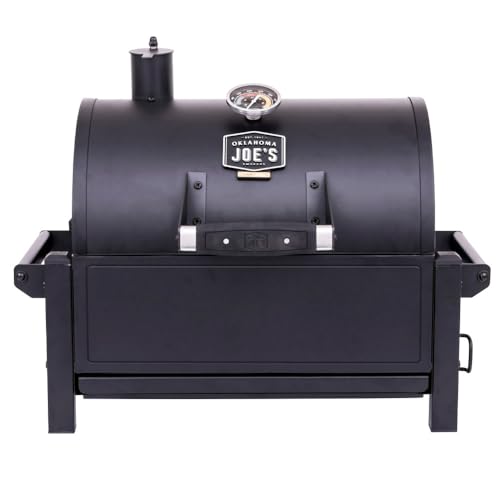
For most houses, the best home charcoal grills are midsize kettles or barrels with a lid, sturdy legs, and an ash catcher that keeps cleanup simple. A kettle with a hinged grate for adding coals and wheels for moving it around the patio covers nearly every family need. Barrel grills add grate space for parties, and kamado models add insulation for winter smoking. Choose the smallest type that still fits your largest regular cook, because oversized grills waste charcoal on small meals.
Setup and Care Tips
Assemble your grill on a flat surface, tighten every bolt, and check that vents and wheels move freely before your first fire. Season cast iron grates with a light coat of oil and a hot fire before cooking on them. Preheat the grill for ten to fifteen minutes with the lid closed so the grates get hot enough to sear and to burn off residue from the last cook.
After cooking, brush the grates while they are still warm, let ash cool fully in the closed grill, and empty it into a metal container. If you also plan long smoke sessions, see our guide to the best charcoal grills and smokers for designs that hold low heat longer.
FAQ
How often should you clean a charcoal grill?
You should brush a charcoal grill grate after every cook while it is still warm. Empty ash once it is fully cold, usually before your next cook, because old ash absorbs moisture and can rust the bowl. Once or twice a year, scrape the inside of the lid and bowl to remove flaky buildup that can drop onto food.
How big of a charcoal grill do you need for family cooking?
Most families do well with a charcoal grill that offers about 350 to 450 square inches of main grate space. That size holds dinner for four to six people without crowding, yet it does not waste fuel on small meals. If you regularly cook for eight or more guests, step up to about 600 square inches.
What type of charcoal grill gives the best flavor?
A kamado charcoal grill gives the deepest flavor for many cooks because its sealed ceramic body keeps smoke around food longer. Kettle grills come close when you add wood chunks to the coals, and they cost far less. Flavor also depends on your charcoal, since lump charcoal tastes cleaner than some briquettes with added fillers. Let the fire burn until the smoke turns light and thin before adding food, because thick white smoke tastes bitter.
How long should a good charcoal grill last with regular care?
A good charcoal grill should last about five to ten years, and quality ceramic models can last much longer. Thin steel bowls and grates are the first parts to rust, especially when ash sits inside between cooks. Keeping the grill covered, emptying ash promptly, and touching up small rust spots extends its life by years. Replacement grates and dampers are cheap and widely sold, so a worn part rarely means replacing the whole grill.
Which charcoal grill style is easiest for beginners to learn?
A kettle charcoal grill is the easiest style for beginners to learn because its vents respond predictably and advice for it is easy to find. Its round shape makes two zone cooking simple, with coals banked on one side and food placed on the other. Beginners also benefit from the low price, since mistakes feel less costly while skills grow. Start with forgiving foods like chicken thighs and sausages before trying long brisket cooks.
Final Thoughts
The right choice comes down to three things: the type that fits your cooking style, enough cooking area for your largest regular meal, and vents you can control with confidence. Kettles suit most homes, barrels add party space, and kamado models add insulation and range for cooks who smoke often. Compare your finalists in the product table above, check total ownership costs, and picture the grill in your actual space before you order.
Whichever style you choose, good fire habits matter more than small spec differences, so light charcoal fully, manage your vents in small steps, and keep the grill clean. With those basics in place, the best charcoal grills to buy for your home will deliver years of flavorful, relaxed backyard meals.