Best Charcoal Grills and Smokers for 2026: Types, Features and Buying Guide
Disclosure: We may earn a commission when you buy through links on this page, at no extra cost to you. As an Amazon Associate I earn from qualifying purchases. Learn more

Compare the best charcoal grills and smokers by size, airflow, fuel use and build quality for low and slow smoking or hot, fast grilling.
Shopping for the best charcoal grills and smokers can be confusing, because many cookers look alike while behaving very differently in daily use. Charcoal rewards patience with flavour that gas and electric cookers rarely match. A combination grill and smoker gives you two ways to cook: direct heat for searing, and indirect heat with wood smoke for long, slow sessions. The trick is choosing a unit with steady airflow, enough cooking space, and a body that holds heat without constant fussing. The comparison table below gives a quick overview before the detailed advice.






Who Should Buy a Combination Cooker
Backyard cooks who enjoy weekend sessions and larger gatherings will get the most from a combination unit. If you mostly cook for two on weeknights, a smaller grill may suit you better. If you often cook brisket, pork shoulder, or a full rack of ribs, look for a larger chamber and a firebox that is easy to tend.
Types of Charcoal Grills and Smokers to Compare
Each type suits a different routine and budget, so understanding the main styles narrows the choice quickly.
- Kettle style grills: A round kettle with a lid and vents can grill and, with care, smoke. It is simple, affordable, and easy to store, but long smokes need careful vent control.
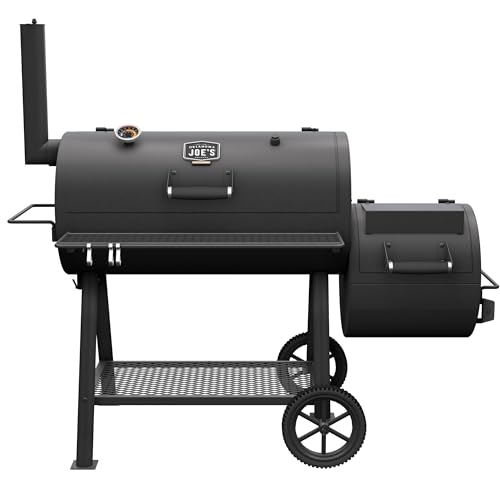
- Offset smokers and grill combos: The firebox sits beside the cooking chamber, so smoke and heat flow across the food. It suits long cooks and large cuts, but it needs space and practice.
- Kamado style cookers: Thick ceramic walls hold heat for hours and use little fuel. They are heavy and cost more, yet they grill, roast, and smoke with impressive steadiness.
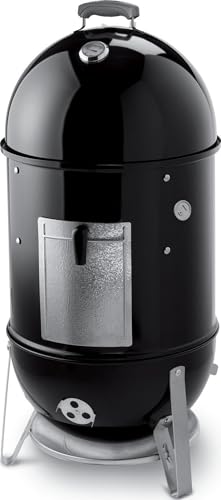
- Vertical and cabinet smokers: Upright cabinets stack food on racks and hold a steady low temperature. They are a strong choice when you want to smoke several trays at once with less tending.
If you want one cooker for both jobs, our guide to the best quality charcoal grills explains how to judge steel thickness and lid fit before you pay for either style.
Key Features to Check
These features decide daily satisfaction more than any single specification, so check each one against your own use.
- Airflow control: Vents at the intake and exhaust set the temperature. Smooth, tight fitting vents give finer control and help you hold a low smoking temperature for hours.
- Cooking area and layout: Measure the grate space against the food you cook most. Two level grates help, but the lower level can be hard to reach, so think about how you will load and turn food.
- Fuel access: A firebox door or a hinged grate lets you add charcoal without lifting all the food. This matters most on cooks that run longer than a few hours.
- Build and seals: Thick metal and a lid that closes evenly hold heat better and use less fuel. Check the lid fit and the damper feel before you buy, since leaks make temperature control harder.
- Cleaning and ash handling: An ash catcher or a removable ash pan saves time and keeps the area tidy. Easy ash removal also makes the next cook start faster and cleaner.
Combination Unit or Two Separate Cookers?
A combination cooker saves space and money, and it is the sensible start for a household that grills most weeks and smokes a few times a season. Its compromise is that one body must do two jobs. A wide, shallow bowl sears well but wastes heat on a long smoke, while a deep, sealed chamber smokes well but is awkward for a quick burger. If you smoke more than twice a month, a dedicated smoker beside a small kettle often costs about the same as one large combination and does each job better. Our guide to the best grills and smokers compares the wider field, including cookers that run on other fuels.
Fuel, Wood and Fire Management
Charcoal supplies the heat, and wood chunks supply the smoke. Briquettes burn slowly and evenly, which suits long smokes, while lump charcoal lights faster and burns hotter, which suits searing. A few fist sized chunks of hardwood on the coals give a clean, light smoke, and too much wood turns food bitter, so start small and add more on later cooks. Light only part of the charcoal and let the rest catch gradually, because a huge pile of lit coals overshoots the target temperature and is hard to bring back down.
Control the cook with the vents, not the lid. Every lift lets heat and smoke escape and lengthens the cook, so make small vent changes and wait ten minutes before adjusting again. If you also like the idea of automated temperature control, the best pellet grills and smokers show what that different fuel offers, usually with milder smoke flavour.
Common Mistakes to Avoid
Avoiding a few common errors saves money and frustration, especially on a first purchase.
- Starting with too much fuel: A huge pile of lit charcoal overshoots the target temperature and is hard to bring back down. Start with less fuel and add more as needed.
- Opening the lid too often: Every lift lets heat and smoke escape and extends the cook. Trust the vents and a good thermometer instead of frequent peeking.
- Skipping a thermometer: Guessing doneness by colour alone risks dry or unsafe food. A probe thermometer at grate level gives a far truer reading than a lid dial alone.
- Buying too large: A big chamber burns extra charcoal on small meals, so size the cooker to your usual cook rather than your biggest party.
Planning for Everyday Use
After each cook, brush the grates while they are still warm and empty the ash once it has cooled fully. Store charcoal in a dry sealed container, since damp fuel lights poorly and burns unevenly. Cover the unit between cooks to protect vents and hinges from rain, and check the seals each season for rust or loose fittings.
Match the cooker to your usual crowd, your fuel patience, and your storage space. A large offset smoker is wonderful for a party but heavy to move and slow to learn. A smaller kettle or kamado may cook less at once, yet it will get used far more often. Buy for the cooks you actually do, not the ones you imagine. For simpler grilling without the smoking focus, see our guide to the best charcoal barbecue grills.
Safety and Care
Use any charcoal cooker outdoors only, on a stable, nonflammable surface well away from buildings, fences and overhangs, and never inside a garage or tent. Keep children and pets clear of the hot body, wear heat resistant gloves when you add fuel, and let ash cool fully in a metal container before disposal because buried embers can stay hot for a long time. Wipe the inside lightly rather than scrubbing off all the seasoning, and oil the grates before the next cook.
Frequently Asked Questions
What is the difference between grilling and smoking on charcoal?
Grilling uses direct high heat for fast cooking, while smoking uses low indirect heat plus wood smoke over hours. A combination unit lets you do both by changing where the fire sits and how the vents are set. Grilling suits steaks and burgers, while smoking suits tougher cuts that need time to soften.
How much charcoal do I need for a long smoke?
It depends on the cooker size, the weather, and the target temperature, but a long cook can use a large amount of fuel over many hours. Start with a measured load, keep spare dry charcoal nearby, and add fuel through the firebox door so you do not disturb the food or lose heat.
Why does my smoker temperature keep swinging?
Wind, wet fuel, leaky lids, and frequent lid lifts all cause swings. Set the vents in small steps, shield the cooker from strong wind, and wait ten minutes after each change before adjusting again. A tight lid seal and dry fuel make the biggest difference.
Do I need wood chunks as well as charcoal?
Charcoal provides the heat, and wood chunks provide the smoke flavour. A few chunks at a time give a clean smoke, while too much wood can taste bitter. Start with a mild wood and a small amount, then adjust on later cooks once you know the flavour you like.
How do I clean a charcoal grill and smoker safely?
Wait until the ash is fully cold, then brush the grates and empty the ash into a metal container. Never put warm ash in a plastic bin or on dry leaves. Wipe the inside lightly rather than scrubbing off all seasoning, and oil the grates lightly before the next cook.
Final Thoughts
A well chosen combination unit gives you fast grilling and slow smoking from one backyard cooker. Focus on airflow, grate space, and build quality, and the product table above will help you compare the options side by side. With the best charcoal grills and smokers in mind, you can buy for the cooks you love and enjoy the learning curve. For another look at mixed cookers, see our guide to the best bbq grills and smokers.