Best Charcoal Grill Guide for Your Home in 2026: Sizes, Types and a Quick Checklist
Disclosure: We may earn a commission when you buy through links on this page, at no extra cost to you. As an Amazon Associate I earn from qualifying purchases. Learn more
Choose the best charcoal grill for your home by size, type and budget, with guidance on heat control, fuel cost and care.
Picture a Saturday afternoon when the patio is full, the burgers need steady heat, and your old grill leaves half the food pale while the other half scorches. Choosing the best charcoal grill for your home starts with fit, not flash. You need enough cooking space for your household, a shape that suits your yard or balcony, and controls you will actually use on a weeknight.
This guide walks you through size, type, heat control, fuel cost, and care, then matches those points to real household routines. Use the comparison table below to line up cooking area and key features side by side, then read on to narrow your choice with confidence.



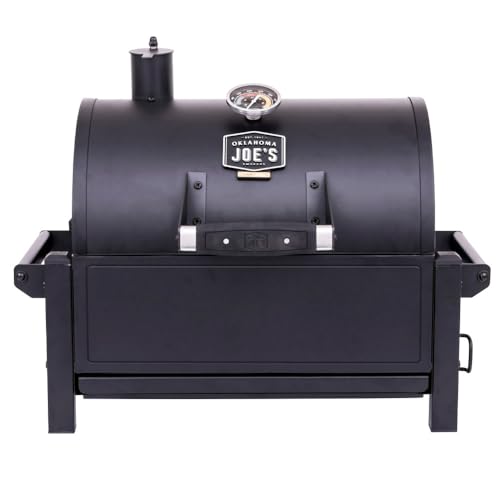

Three Buying Profiles and What to Prioritise
Most households fall into one of three profiles. Find yours first, and the rest of the checklist becomes much simpler.
Profile One: The Everyday Family Grill
You cook for four to six people most weeks and want one grill that handles burgers, chicken pieces, corn, and the occasional rack of ribs. Prioritise a cooking area of about 350 to 450 square inches, a sturdy lid with adjustable vents, and a simple ash removal system. A kettle or barrel shape in this size gives you room for two heat zones, so food can sear over direct heat and finish over indirect heat without crowding.
Profile Two: The Small Space Cook
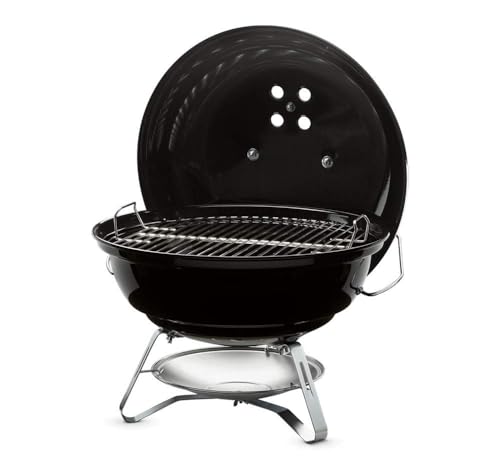
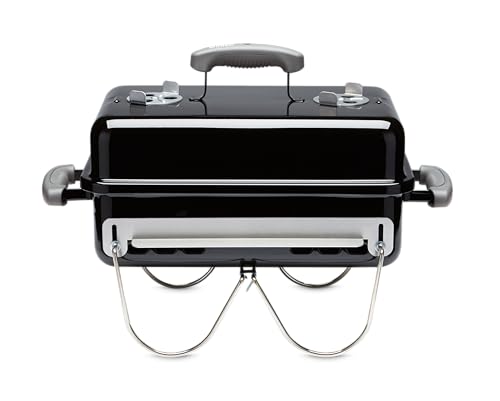
You grill on a balcony, a small patio, or a compact deck and cook for two to three people at a time. Prioritise a footprint that leaves safe clearance on all sides, short legs or a tabletop design you can store indoors, and a lid that locks or lifts off cleanly. Around 200 to 300 square inches is usually plenty, and lighter weight matters more than extra features you have no room to use.
Profile Three: The Long Term Investment
You grill often, in most weather, and you would rather pay more once than replace a thin grill every few seasons. Prioritise thick steel or ceramic construction, cast iron or heavy stainless cooking grates, and vents that move smoothly and seal well. Expect to pay about $300 to $1000 for this tier. The payoff is steadier heat, slower rust, and replacement parts that stay available for years.
Before You Buy: A Quick Checklist for Choosing
Work through each point below in order. A grill that fails on size or space will frustrate you daily, no matter how good its other features look.
Size: Match the Grill to Your Space
Measure the spot where the grill will live before you shop, and leave clear space around it for safe use and for lifting the lid. An 18 inch grill suits couples and very small patios. A 22 inch grill is the most versatile home size and fits most family meals. A 26 inch grill helps when you host larger groups, but it needs more storage room and more charcoal per cook. Portable and tabletop models trade cooking area for easy storage and travel.
Type: Match the Shape to Your Routine
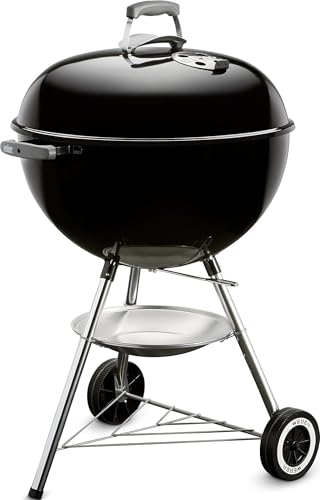
Kettle grills are the classic all round choice, with good airflow and a shape that works for both direct and indirect cooking. Barrel grills give you a long rectangular grate that suits ribs and large batches. Kamado grills use thick ceramic walls to hold heat for a long time, which helps with slow cooking and winter grilling, but they are heavy and cost more. Hibachi and small open grills are simple and fast for skewers and thin cuts, yet they offer little lid control. Offset and Argentine style grills serve keen smokers and large gatherings, and they take up the most space.
Features Worth Paying For, and Ones to Skip
Pay for an ash catcher that removes without spilling, vents that adjust in small steps, and a hinged grate that lets you add charcoal mid cook. An adjustable charcoal tray helps you move the fire closer for searing or lower for gentle heat. A side table is worth it if you have no nearby surface for trays and tools. Skip built in rotisserie kits, extra burners, and complex add ons unless you know you will use them monthly, because each extra part adds cost, cleaning, and one more thing to store.
Cooking Area and Heat Control
Cooking area is listed in square inches, and it tells you how much food fits in a single layer. About 200 to 300 square inches suits two to three people, 350 to 450 suits most families, and 500 or more suits frequent hosts. Charcoal grills do not use BTU ratings the way gas grills do, so judge heat by vent control, lid fit, and how close the grate sits to the coals. Good heat control lets you hold a steady medium heat for chicken and also reach a hard sear for steaks.
Build Materials and Rust Resistance
Porcelain coated steel is common, affordable, and resists rust well while the coating stays intact. Plain thin steel costs less but dents and rusts sooner, especially near the fire bowl. Stainless steel resists rust better and cleans easily, though lower grades can discolor with heat. Ceramic kamado bodies resist rust entirely and hold heat superbly, but they can crack if dropped. Check grate material too, since plated steel grates wear faster than cast iron or stainless options.
Fuel Type and Running Cost
Lump charcoal lights fast, burns hot, and leaves little ash, while briquettes burn longer and more evenly at a lower price per cook. A typical family cook uses about 3 to 5 pounds of charcoal, so frequent grilling makes fuel a real running cost over a season. Store charcoal dry in a sealed bin, because damp fuel lights slowly and produces excess smoke. If you plan long slow cooks, budget for more fuel and consider how the grill design affects burn rate.
Matching a Grill to Your Household and Space
For apartment balconies and tiny patios, start with a compact design and check your building rules before you buy, since some properties restrict charcoal use. Our guide to the best small charcoal grill options explains clearance and storage in more detail. If you camp, tailgate, or grill at parks often, look at the best portable charcoal grill guide for weight and leg design points that matter on the move.
Families who want low and slow barbecue as well as weeknight grilling should weigh how often they will truly smoke food. A dedicated setup covered in the best charcoal grill with smoker guide adds chamber space and sealing that casual grilling does not need. If you are torn between fuel types altogether, the charcoal vs pellet grill comparison lays out flavor, effort, and running cost so you can decide before you spend.
How to Evaluate Your Shortlist
Score each grill on the same five points: cooking area, heat control, build quality, fuel efficiency, and ease of cleaning. Read the maker specifications for grate size and materials rather than relying on headline claims, and check that replacement grates and dampers are sold for the model line. If you are new to this style of cooking, the step by step guidance in how to use a charcoal grill shows the daily routine you are signing up for, from lighting to vent control to shutdown.
Think about assembly as well. Most home grills take about 30 to 60 minutes to build with basic tools, and a clear manual plus labelled parts is a good sign of a maker that supports owners later. Check local rules on ash disposal and outdoor fire use in your area, especially during dry periods, before your first cook.
Common Mistakes to Avoid
- Buying a 26 inch grill for a small patio, which leaves no safe clearance and makes storage a daily struggle.
- Choosing by cooking area alone and ignoring vent control, which leads to food that burns outside while staying raw inside.
- Skipping an ash removal system, which makes cleanup messy and discourages regular use.
- Forgetting fuel and accessory costs, so the true first season cost ends up far above the grill price.
- Paying for a smoker chamber or rotisserie you will rarely use, while underfunding grate quality you will feel at every cook.
- Storing the grill uncovered outdoors, which invites rust and shortens its life by seasons.
Cost of Ownership and Care
Beyond the purchase price, plan for charcoal, a chimney starter at about $15 to $25, a cover at about $20 to $40, and replacement grates every few years depending on material and use. After each cook, let the coals cool fully, empty ash once it is cold, and brush the grate while it is still warm from the next lighting. Wipe the exterior, check vents for ash buildup, and store the grill covered in a dry spot.
Once or twice a season, wash the fire bowl, inspect for rust spots, and touch up small areas of damaged coating with heat safe paint made for grills. Keep spare dampers and a spare grate on your list if you grill weekly, because those parts wear first. Safe ash handling matters: place cold ash in a metal container away from walls and fences, and never put ash in a plastic bin.
Your Questions, Answered
What is the most reliable charcoal grill brand?
Reliability depends more on build traits than on a name. Look for thick steel or ceramic construction, smooth moving vents, a tight fitting lid, and a maker that sells replacement grates, dampers, and handles for many years. A widely sold design also helps, because parts and advice stay easy to find. A well cared for grill with those traits will outlast a costly model that is stored wet and left full of ash.
How do you clean a charcoal grill?
Start by brushing the grate while it is warm, using a brush or a ball of foil held with tongs. Once everything is fully cold, remove the ash, wash the bowl and grate with warm soapy water, rinse, and dry fully to limit rust. One extra point many owners miss: clean the vent openings too, because ash and grease buildup there quietly ruins heat control long before the grate shows wear.
Is a charcoal grill worth it?
Yes, a charcoal grill is worth it if you value smoky flavor and high searing heat and you accept a slower start than gas. Lighting and heat up take about 20 to 30 minutes, and you manage heat by hand with vents and coal placement. If your weeknight routine leaves no room for that time, the value drops. For weekend cooking and flavor focused meals, most owners find the trade fair.
How long does a charcoal grill last?
A charcoal grill lasts about 5 to 10 years with regular care, and thick steel or ceramic models can go longer. Life depends mainly on rust control, covered storage, and how often you leave ash sitting in the bowl, since ash holds moisture against the metal. Replacing a grate or damper can add seasons of use. Retire a grill when the fire bowl rusts through or the legs become unstable, because both are safety issues.
What is the best charcoal grill?
The right answer is the grill that fits your space, household size, and cooking style at a price you can sustain. For most families that means a 22 inch kettle or barrel design with about 350 to 450 square inches, adjustable vents, and easy ash removal. One point worth adding: buy from a current product line, because fresh stock means current parts support and a valid warranty from day one.
Final Thoughts
Start with your space and your headcount, then weigh type, heat control, materials, and fuel cost in that order. Use the product table above to compare your shortlist on cooking area and features, and resist paying for extras your routine will never touch. When you choose the best charcoal grill for the way your household actually cooks, you get better food, easier cleanup, and a grill you will enjoy using for years.