Best Charcoal for Ceramic Grills: A Buying Guide for 2026
Disclosure: We may earn a commission when you buy through links on this page, at no extra cost to you. As an Amazon Associate I earn from qualifying purchases. Learn more

A buying guide to the best charcoal for ceramic grills, covering lump size, burn time, ash, heat control, and value so you choose fuel with confidence.
Ceramic grills hold heat beautifully, but the fuel inside decides how cleanly they light, how steady they cook, and how the food tastes. Choosing the best charcoal for ceramic grills means looking past the bag design to chunk size, wood source, burn time, and ash. This guide explains each factor in plain terms, shows what different price levels usually deliver, and helps you read the comparison table below like an experienced kamado cook.
One rule guides everything that follows. Ceramic grills are designed for natural lump charcoal, not briquettes with fillers and chemical binders, so we focus on lump throughout.


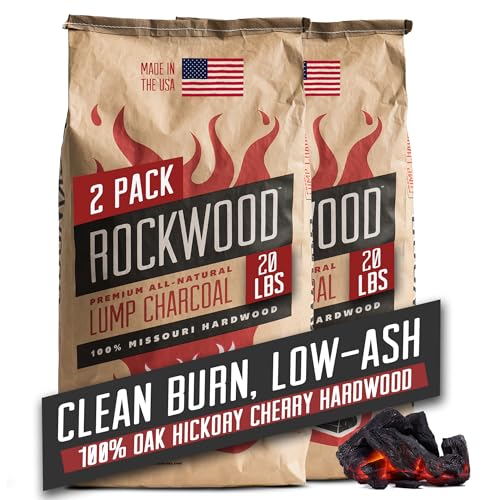
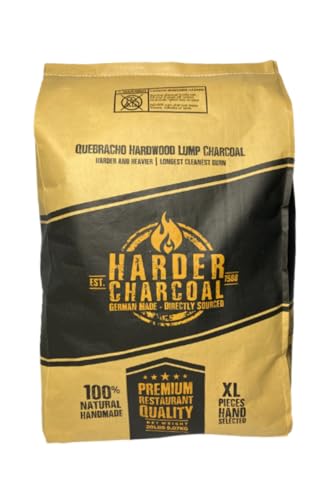


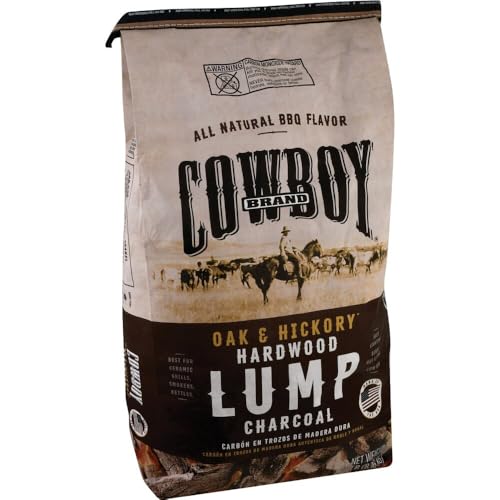
Three Ways to Choose: Balance, Value, and Premium Fuel
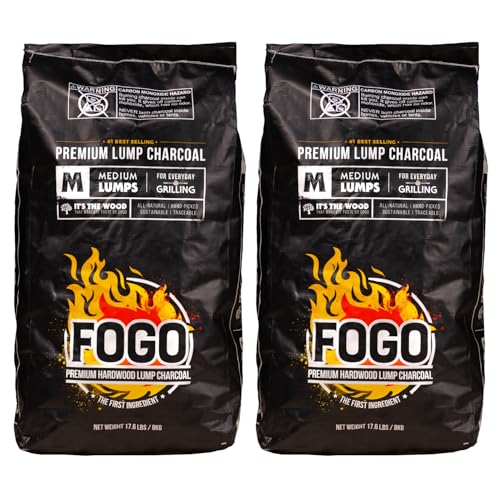
Use the product table above to sort bags into the three groups below. Judge every bag by the same points: average chunk size, share of dust and small pieces, stated wood species, bag weight, and price per pound. A bag that wins on those basics will cook well in any ceramic grill, whatever the label promises.
Overall Balance: What the Best All Round Fuel Delivers
A balanced fuel suits most cooks most of the time. It mixes medium and large lump pieces that light within about 15 minutes, reach searing heat, and settle into a steady low fire for hours. Ash stays moderate, and the flavor is clean and neutral enough for both beef and poultry. Expect to pay a middle price per pound, often about $1 to $1.50, for this consistency. If you buy one bag for everything from weeknight chicken to a long brisket, this is the profile to look for on the label.
Value: What a Smart Budget Bag Delivers
Value bags cut price per pound, often under $1, by using denser everyday hardwoods and a wider mix of piece sizes. You may find more small pieces and dust at the bottom, and lighting can take a little longer. For burgers, sausages, and shorter cooks, that trade off is barely noticeable and the savings add up across a season. Practical tip: pour the bag into a storage bin and lift out large pieces first for long cooks, saving smaller pieces for quick grilling. Value fuel rewards a little sorting.
Premium: What Extra Money Delivers
Premium bags, often about $1.50 to $2 per pound, sell large, hand sorted chunks from named hardwoods such as oak, hickory, or mesquite. Big pieces burn longer and more evenly, produce less ash, and can be relit for a second cook when you close the vents and save the coals. Flavor is cleaner and more distinct, which matters on long smokes where fuel taste carries into the meat. Choose premium fuel for briskets, celebrations, and any cook where a failed fire would waste expensive food.
How to Choose the Best Charcoals: Buying Guide
This section is the heart of the decision. When you compare the best charcoal for ceramic grills across brands, work through these six points in order and you will rarely be disappointed by a bag.
Features That Matter for Ceramic Grills
Ceramic grills trap heat and moisture so well that fuel quality shows up fast. Large lump pieces leave air gaps that let the fire breathe, which gives you precise vent control from about 225 degrees Fahrenheit for smoking to 700 degrees or more for steakhouse searing. Small pieces and dust pack tightly, choke airflow, and cause temperature swings. Natural lump also protects the ceramic itself, because it burns clean with little ash and no filler residue. Owners researching the grill itself can start with our guide to the best ceramic grills.
Fuel Type (Gas, Charcoal, Pellet, Electric)
For a ceramic grill, the real choice sits inside the charcoal family. Lump charcoal is carbonized hardwood in natural shapes, lighting fast and burning hot with clean flavor. Briquettes are pressed shapes with binders and ash producing fillers, made for metal grills, and most ceramic grill makers advise against them. Charcoal made from a single named wood gives predictable flavor, while mixed hardwood blends cost less. Gas, pellet, and electric fuels belong to other grill types entirely and play no role inside a kamado firebox.
Cooking Area and Capacity
Fuel needs scale with grill size. A compact ceramic grill of about 150 to 200 square inches sips charcoal and does well with medium pieces. A large model above 400 square inches, feeding a crowd with room for about 12 burgers at once plus a warming rack, needs bigger chunks that sustain a wide, even firebed. Match bag buying to your grill too. Frequent cooks on large grills save money with big 30 to 35 lb bags, while occasional cooks keep fuel fresher with smaller bags that finish sooner.
Fuel Cost and Availability
Compare price per pound, never price per bag, because bag weights range from about 8 to 35 lb. A typical low and slow cook uses roughly 2 to 4 lb of lump, while a full load for high heat grilling uses more. Saved coals lower your real cost: after cooking, close all vents, and the fire dies leaving usable lump for next time. Check local supply as well as online listings, since heavy bags carry real shipping cost. Grill shoppers comparing total budgets may also like our guide to the best affordable charcoal grills.
Heat Output and Temperature Range
Good lump reaches searing heat quickly and still settles down for low and slow work at about 225 degrees Fahrenheit. Dense hardwoods such as oak burn long and steady, while lighter woods light faster but burn out sooner. Judge heat claims by density and chunk size rather than marketing words. A simple home check is to weigh a full firebox load before and after a timed cook, which tells you the true burn rate in your own grill far better than any bag slogan.
Build Quality and Materials
For charcoal, build quality means what the wood was and how fully it was carbonized. Well made lump rings with a clear, glassy sound when pieces knock together, feels light for its size, and shows no unburned wood core when broken. Sparks and heavy smoke at lighting signal underdone charcoal or bark and scrap content. Bags should name the wood species and country of origin. Quality here also protects your grill, because clean fuel leaves cast iron grates and ceramic walls free of chemical residue. See our guide to the best quality charcoal grills for hardware standards.
Charcoals vs Other Options
Gas Grills
Gas grills light instantly and hold temperature with a dial, which suits fast weeknight cooking. They cannot match the smoke flavor or searing heat of lump charcoal in a ceramic shell, and they give up the long, gentle cooks that make kamado cooking special. Choose gas when speed and convenience outrank flavor in your household routine. Many families keep both, using gas on busy nights and charcoal when the meal is the event.
Kamado Grills
Kamado grills are the ceramic grills this guide serves, a category rather than a rival fuel. Their thick walls, tight seals, and efficient airflow are exactly why lump size and quality matter so much. If you are still choosing a grill style, understand that a kamado rewards good fuel and punishes dusty, small piece charcoal more than thin metal grills do. That sensitivity is a fair trade for the temperature range and fuel economy the design gives back.
Electric and Indoor Grills
Electric and indoor grills solve a housing problem, giving apartment cooks a way to grill where open flame is banned. They are easy to clean and safe indoors, but they produce no real smoke and limited sear. Choose them when rules or space leave no outdoor option. If you later gain a patio, the jump to charcoal will feel dramatic. Broader comparisons live in our guide to the best charcoal barbecue grills.
Care and Maintenance Tips
- Store charcoal dry. Keep the bag or bin sealed in a garage or shed, because damp lump lights poorly, sparks, and burns with off flavors.
- Preheat 10 to 15 minutes before cooking. Let the fire establish and the smoke turn light and clean before food goes on the grate.
- Clean grates while warm. A brush on a warm grate removes residue in seconds and protects cast iron from rust.
- Cover the grill and check for rust. Hardware and vents benefit from a cover, and a quick seasonal check catches small issues early.
- Remove ash regularly. Ash blocks the lower vent and holds moisture against the firebox, so empty it once fully cold after every few cooks.
- Save and reuse large coals. Close the vents after cooking, then shake off ash next time and top up with fresh lump for an economical fire.
Charcoals: Your Questions Answered
What features matter most in charcoals for ceramic grills?
Chunk size, clean carbonization, and named hardwood species matter most. Large and medium pieces keep airflow open for steady vent control, while fully carbonized lump lights cleanly without sparks or harsh smoke. Check the bottom of the bag too. A heavy layer of dust and crumbs signals rough handling or poor sorting, and it will choke your fire. Consistent bags cook consistently, which is what you are really buying.
How big of a charcoal do I need?
Read this as chunk size and bag size together. For most cooks, a mix led by pieces about the size of your fist works best, with medium pieces filling the gaps. For bags, active cooks should buy 20 to 35 lb bags for value, while occasional cooks keep fuel fresher in 8 to 10 lb bags. If your cooks are mostly long smokes, favor bags marketed on large chunk content, as our guide to the best charcoal grills and smokers also advises.
How often should I clean my charcoal?
You do not clean charcoal itself, but you manage its ash and leftovers after every cook. Once the grill is fully cold, stir saved coals so ash falls through, remove that ash, and top up with fresh lump next time. Clean the firebox more deeply every few months, checking for cracked pieces and blocked air holes. Fresh airflow is the hidden half of temperature control, and it costs nothing but ten minutes.
Is a pellet grill worth it?
A pellet grill is worth it if automatic temperature control matters more to you than charcoal flavor and high searing heat. Pellets feed themselves and hold a set point with little attention. A ceramic grill on lump charcoal asks a bit more of you and returns deeper smoke taste, hotter sears, and no dependence on power or moving parts. Many cooks own both in time, but if smoky flavor brought you here, charcoal comes first.
How long should a good charcoal last?
A full firebox of quality lump should hold low smoking temperatures for about 8 to 12 hours in a mid size ceramic grill, and far longer than a single grilling session at high heat. In the bag, charcoal keeps almost indefinitely when stored dry and sealed. Discard pieces that have absorbed moisture or chemical smells from a garage floor. Dense hardwood lump gives the longest burns, which is why species and density deserve attention at purchase.
Wrapping Up
Judge every bag by chunk size, clean carbonization, and honest price per pound, and store it dry once home. Do that, and the best charcoal for ceramic grills for your cooking style becomes an easy repeat purchase. Compare your finalists in the product table above and stock up before your next long cook.