Best Charcoal and Wood Smokers Made Simple: A Clear Buying Guide for 2026
Disclosure: We may earn a commission when you buy through links on this page, at no extra cost to you. As an Amazon Associate I earn from qualifying purchases. Learn more
Shopping for the best charcoal and wood smokers for the first time? Learn the terms, compare options, and avoid rookie mistakes with this easy guide.
Your first smoker purchase is exciting and a little daunting, because sizes, fuels, and temperature controls all affect the food you will serve. This friendly guide walks you through the best charcoal and wood smokers step by step, starting with how they work and ending with the specs that matter. You will learn the basic terms, the mistakes new owners make, and how to read the comparison table below with a clear head.
No prior experience is assumed. By the end you will know what size fits your household, what fuel routine suits your weekends, and what a fair price buys at each level.



Charcoal and Wood Smokers 101: The Basics
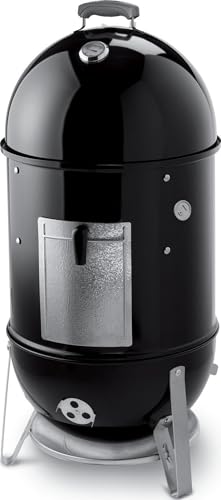
A charcoal and wood smoker cooks food slowly with indirect heat and smoke. Charcoal provides the steady heat, while wood chunks or splits add the smoke flavor that defines barbecue. Vents control airflow, and airflow controls temperature. Open vents feed the fire and raise heat, while closing them gently cools the cook. Most smoking happens between about 225 and 275 degrees Fahrenheit, where tough cuts soften over many hours.
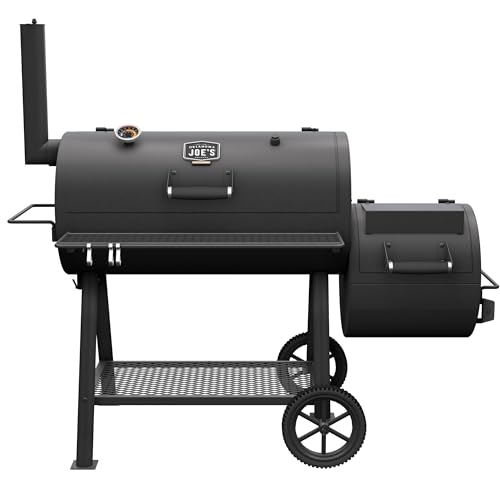
Common shapes include barrel smokers, cabinet smokers, kettle based setups, and offset smokers where the fire sits in a side box. Beginners often do best with a barrel or cabinet design, because they hold temperature steadily and need less tending. Always use a smoker outdoors on a stable, non flammable surface, away from walls and overhangs. Burning charcoal produces carbon monoxide, so never use one in a garage, tent, or enclosed porch, even with a door open.
Key Specs Explained in Plain English
Fuel Type (Gas, Charcoal, Pellet, Electric)
Charcoal gives deep smoke flavor and high heat for searing, but it asks you to manage the fire yourself. Pellet units burn wood pellets with an automatic feed, trading some intensity of flavor for convenience and steady temperatures. Gas and electric smokers are easy to run but produce milder smoke, because the fuel itself adds little flavor. For the classic taste most beginners want, charcoal with real wood is the benchmark. Our guide to the best wood smokers explains wood only designs if you lean that way.
Temperature Control and Smart Features
Good temperature control means the smoker holds your target within a small range for hours. Thick steel, tight seals, and precise vents do most of that work. Smart features add help: a built in meat probe tracks internal food temperature, and WiFi models send alerts to your phone. A PID controller, common on pellet units, adjusts fuel feed automatically. For a first purchase, prioritize solid construction and at least two probe ports over fancy screens. A separate digital thermometer is a cheap and useful backup.
Fuel Cost and Availability
Fuel is a running cost you will pay for years, so check local supply before you buy. Lump charcoal usually costs more per bag than briquettes but burns hotter and leaves less ash. Briquettes burn longer and more evenly, which helps overnight cooks. Wood chunks should be dry, seasoned hardwood, sold at most grill stores. Pellets cost more per cook than charcoal in many areas. Estimate your cost per long cook, often about $5 to $15 in fuel, and make sure your chosen fuel is easy to find near home.
Ash, Grease Management, and Cleanup
Every long cook leaves ash and grease, and easy cleanup decides whether you use the smoker often. Look for an ash catcher or removable ash pan you can empty without tipping the unit. A grease tray or bucket that slides out saves scrubbing and reduces flare up risk. Porcelain coated grates wipe clean more easily than bare steel. Practical tip: line the water pan or drip tray with foil before a cook. That one minute habit turns a messy wash into a quick foil swap after the food rests.
Heat Output and Temperature Range
For smokers, the key number is not peak heat but control at low heat. A good unit holds about 225 degrees Fahrenheit steadily for low and slow cooking and can climb to about 350 degrees for poultry with crisp skin. Models that also sear need a hot zone near 500 degrees or a separate grate over the coals. Cast iron grates hold heat well for sear marks. Check the stated cooking area too, in square inches, and picture your largest planned cook, such as two pork shoulders side by side.
Rookie Mistakes to Avoid
- Buying the largest model first. A huge smoker wastes fuel on small cooks and is harder to keep at temperature, so match size to your usual group.
- Chasing thin blue smoke rules too hard. Light, clean smoke is the goal, but constant vent fiddling causes temperature swings, so adjust in small steps and wait.
- Skipping a test burn. Run the smoker empty once to burn off factory oils and learn its vents before food is at stake.
- Opening the lid to peek often. Every look dumps heat and smoke, adding time to the cook, so rely on probes instead.
- Using wet or treated wood. Seasoned hardwood only, because green wood and lumber scraps make harsh smoke and can carry chemicals you do not want on food.
Getting Started: Setup and First Use
Assemble the smoker on a level outdoor surface and check that vents move freely and the lid seals evenly. Season it with a light coat of cooking oil on the inside and a gentle burn for one to two hours. Preheat 10 to 15 minutes before cooking once it is in regular use, and let the smoke settle to a light, clean look before food goes on. Clean grates while warm with a brush, because residue releases far more easily before it cools and hardens.
For your first cook, choose a forgiving cut such as pork shoulder and keep notes on fuel amount, vent settings, and weather. Wind and cold change how a smoker behaves, and your own notes become the best manual you own. Readers comparing fuel styles may also find our guide to the best wood pellet smokers useful before deciding.
Frequently Asked Questions
Is a pellet grill worth it?
For many households, yes, if convenience matters more than the deepest smoke flavor. Pellet units hold temperature with little tending, which suits busy weekends and overnight cooks. The trade offs are higher fuel cost, more moving parts, and a need for electricity. If you enjoy managing a fire, a charcoal model gives stronger flavor for less money, which is why many people searching for the best charcoal wood smokers stay with charcoal.
Can I use a charcoal and wood smoker on a balcony?
Often no, and you should check your lease and local fire rules before assuming otherwise. Many apartment buildings and cities ban charcoal appliances on balconies because of fire and carbon monoxide risk. Even where allowed, smoke drifting into neighboring homes causes complaints fast. A small electric smoker on a ground level patio, used with permission and care, is usually the safer path for apartment dwellers.
How big of a charcoal and wood smoker do I need?
Most households do well with about 400 to 600 square inches of main cooking area. That space holds a full brisket, two pork shoulders, or several racks of ribs with room for air to circulate. Crowded grates cook unevenly, so leave gaps between items. If you host large gatherings several times a year, consider a second cooking level rather than a much wider body, because vertical space uses fuel more efficiently. Our guide to the best charcoal grills and smokers covers sizing in more depth.
How long should a good charcoal and wood smoker last?
A well built steel smoker should last about five to ten years with basic care. Thick steel, sound welds, and a finish that resists rust set the ceiling, while your habits decide how close you get. Keep the unit covered, empty ash after cooks, and store it out of standing water. Grates, gaskets, and vents may need replacement along the way, and easy access to spare parts is a good reason to favor established designs.
What type of charcoal and wood smoker gives the best flavor?
Offset smokers burning seasoned wood splits are widely prized for the deepest, cleanest smoke flavor, because the food cooks entirely on wood smoke. They also demand the most skill and attention. Barrel and cabinet charcoal smokers come close in flavor with far steadier temperatures, which is why beginners often prefer them. Your wood choice matters too, and our guide to the best wood for bbq smokers matches species to meats.
How often should I clean my charcoal and wood smoker?
Empty ash after every cook once it is fully cold, and brush the grates while warm each time. Wipe grease from trays and the lower body every few cooks to prevent stale flavors and flare ups. A deeper clean, including checking seals and scraping the lid, suits the start of each season. Never use water on hot coals, and dispose of ash in a metal container, because embers can hide for a full day.
Our Verdict
For a first smoker, choose steady temperature control, a size matched to your usual group, and cleanup you will not dread. Those three points shape your results far more than extra gadgets. Compare the best charcoal and wood smokers in the product table above, and if you want a firebox design later, our guide to the best offset wood smokers is a good next read.