
Best Changing Tables: A First Time Buyer's Guide for 2026
Disclosure: We may earn a commission when you buy through links on this page, at no extra cost to you. As an Amazon Associate I earn from qualifying purchases. Learn more

A first time buyer guide to changing tables: types, safety features, height, storage and nursery setup tips.
You will change thousands of diapers in your baby's first couple of years, so a good changing station makes a real difference to your back and your routine. Changing tables range from simple wooden tables with shelves to dressers with removable toppers and folding stations on wheels. If you are setting up a nursery for the first time, this guide to the best changing tables explains what to look for so you can choose a safe, comfortable setup.
We start with the basics, explain the key specs in plain English, list rookie mistakes and walk through setup. Safety comes first: always keep one hand on your baby, use the safety strap as an extra layer rather than a substitute for supervision, never step away even for a second and anchor changing tables and dressers to the wall to prevent tip overs. Stop using a changing table when your baby exceeds the weight limit or becomes too active to change safely, and change them on the floor instead.

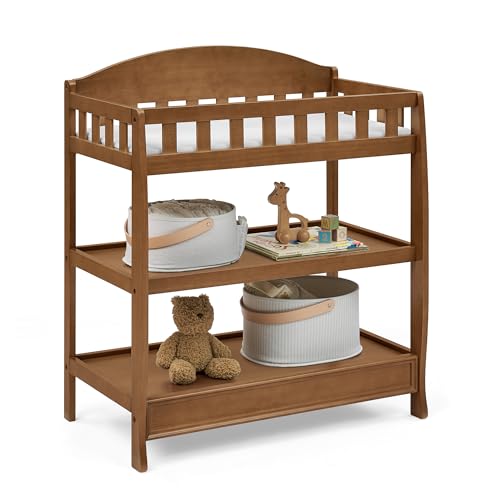
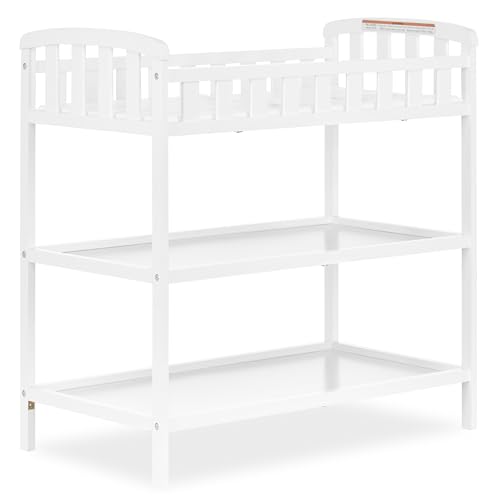


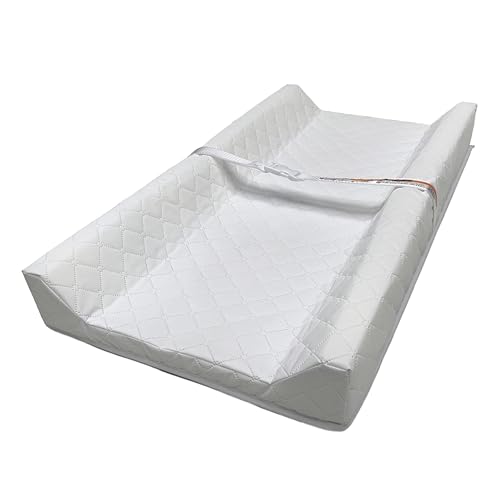
Changing Tables 101: The Basics
A changing table is a waist height surface with raised sides, a pad and storage for diapers, wipes and clothes.
There are three main types. Standalone changing tables, like the Delta Children Eclipse and Dream On Me Emily, have a top tray with rails and open shelves below. Changing dressers or chests, like Storkcraft's Alpine 2 drawer changing table chest, combine drawers with a removable changing topper that converts to a regular dresser later. Portable and folding stations, like Maydolly's and Saryocy's, use a metal frame with a fabric or padded top, often on lockable wheels with adjustable height.
A few terms are worth knowing. A contoured changing pad has raised sides that help keep baby centered; Ingenuity's contoured pad includes a waterproof liner and safety strap. Safety rails are raised edges around the top. JPMA certified and ASTM references indicate the product is designed to meet published safety standards for juvenile products.
How to Choose the Best Changing Tables: Key Specs in Plain English
Six factors decide which changing table fits your nursery: type and longevity, safety features, height and comfort, storage, materials and size.
Type and Longevity
Think about how long you want to use the furniture. Standalone tables are affordable and simple but are usually retired after the diaper years. Changing dressers, like Storkcraft's Alpine chest and Delta Children's Essex convertible table with drawer, continue as regular storage when you remove the topper. Portable stations suit small homes, multi level houses and parents with back pain who want adjustable height.
Safety Features
Look for raised safety rails on all sides, a safety strap and stable construction. The Delta Children Eclipse includes top safety rails, a safety belt and a changing pad and is JPMA certified.
Dream On Me's Emily has rails on four sides, comes with an anti tipping kit and says it meets applicable CPSC and ASTM standards. Storkcraft says its chest meets the ASTM F2057 standard for clothing storage units, which addresses tip over hazards. Portable stations should have lockable wheels; Maydolly and Saryocy include 4 lockable wheels.
Height and Comfort
A changing surface around waist height reduces back strain. The Delta Children Eclipse stands about 36.75 inches tall and the Dream On Me Emily about 39 inches. Adjustable height stations help taller or shorter parents and anyone recovering from a C section; Maydolly offers 4 height levels and Saryocy adjusts up to about 47 inches. Stand at your kitchen counter to judge which height feels comfortable.
Storage and Organization
Keep supplies within reach so you never step away. Standalone tables like Delta's Infant Changing Table offer two open shelves, with about 10 inches between shelves. Dressers add drawers for clothes, and portable stations often include side baskets; Maydolly includes 3 baskets beside the table. Plan where diapers, wipes, cream and a change of clothes will go before your baby arrives.
Materials and Finish
Solid wood and quality engineered wood frames feel sturdy and match nursery furniture. Delta Children uses woods like poplar and New Zealand pine with a non toxic, lead and phthalate safe finish, and Dream On Me uses New Zealand pinewood.
Storkcraft uses wood composites with a wipe clean PU coated surface. Portable stations use steel frames with Oxford fabric or waterproof pads. Choose wipeable surfaces for easy cleanup.
Size and Fit
Measure your nursery before buying. The Delta Children Infant Changing Table measures about 33.5 by 19.75 by 39.25 inches, and the Dream On Me Emily about 36.5 by 20 by 39 inches. Compact options like Dream On Me's Jax universal table fit tight spaces. Folding stations collapse for storage or travel to grandparents' homes.
Price vs Value
Basic wooden tables cost around $55 to $130, including Dream On Me's Ridgefield around $55, Jax around $60, Emily around $80, Delta's Scout around $100, Infant Changing Table around $117 and Eclipse around $130. Portable stations cost around $84 to $113, like Maydolly's around $91 and Saryocy's around $102. Changing dressers and convertible tables cost around $159 to $190, such as Delta's Essex around $159 and Storkcraft's Alpine chest around $190. A contoured pad like Ingenuity's costs around $22 if your table does not include one.
Changing Pads and Covers
The pad matters as much as the table. A contoured pad with raised sides helps keep your baby centered, and a waterproof surface makes cleanup easy after blowouts. Ingenuity's contoured changing pad, around $22, includes a waterproof liner and a safety strap with a quick release.
Organic cotton covered pads offer a softer feel for parents who prefer natural materials. Buy two or three washable covers so one is always clean, and add disposable or washable liners on top to protect the cover. Check that the pad sits flat and snug inside the rails, since a loose pad can slide when your baby kicks.
Matching Nursery Furniture
Many changing tables are designed to coordinate with cribs and dressers from the same brand. Delta Children notes its Infant Changing Table coordinates with its Hanover and Waverly cribs, and Dream On Me offers the Emily in several finishes to match its cribs. Matching finishes create a calmer, more cohesive nursery and can make it easier to add pieces later.
Rookie Mistakes to Avoid
- Relying on the strap alone. Straps help, but babies can roll quickly. Keep a hand on your baby at all times.
- Skipping wall anchors. Changing tables and dressers can tip if a child climbs them. Anchor them to the wall.
- Placing the table near cords or windows. Keep blind cords, outlets and heaters out of reach.
- Buying a pad that does not fit. Pads should fit snugly inside the rails with no gaps.
- Ignoring weight limits. Check the stated weight limit and stop using the table when your baby outgrows it.
Getting Started: Setup and First Use
Assemble the changing table following the instructions, tightening all hardware. Attach the anti tip kit or wall anchor, especially for dressers and taller tables. Place a snug fitting contoured pad on top and add a washable cover and waterproof liner. Stock diapers, wipes, diaper cream, a few outfits and a small toy within arm's reach, so you never need to turn away.
Position the table against a wall, away from windows, blind cords and heaters, with a trash can nearby. Practice a change with a doll or stuffed animal to plan your movements. Check screws and wheels every few weeks and wipe surfaces with a mild cleaner.
Choosing for Your Situation
Parents on a budget should start with the Dream On Me Emily or Delta Children's Infant Changing Table. Families who want furniture that grows with the child should choose a changing dresser or convertible table like Storkcraft's Alpine chest or Delta's Essex. Small apartments and multi level homes benefit from folding stations like Maydolly's that roll between rooms. Parents with back or C section recovery concerns should prioritize adjustable height.
Frequently Asked Questions
Do I really need a changing table?
No, but many parents find one saves their back and keeps supplies organized. Alternatives include a changing topper on a dresser or a pad on the floor. If you use a dresser topper, make sure it attaches securely and anchor the dresser to the wall.
What features matter most in a changing table?
Safety rails, a safety strap, stability and a comfortable height matter most. Look for wall anchors or anti tip kits, a snug fitting pad and storage within reach so you never step away.
How long will I use a changing table?
Most families use a changing table until around age 2, or until the baby reaches the weight limit or becomes too wiggly. Changing dressers and convertible tables can then serve as regular storage.
Are portable folding changing tables safe?
Portable stations can be safe when the frame is stable, wheels lock and you follow the weight limit. Always lock the wheels before changing, keep one hand on your baby and avoid uneven floors.
How do I clean a changing table?
Wipe surfaces with a damp cloth and mild cleaner, and wash pad covers regularly. Delta Children recommends wiping its tables clean with a damp cloth. Avoid harsh chemicals on surfaces your baby touches.
Where should I put the changing table?
Place it against a wall, away from windows, blind cords, heaters and lamps. Keep a trash can and laundry basket nearby and make sure a nightlight lets you see during late night changes without bright overhead lights.
Our Verdict
When choosing a changing table, focus on three things: strong safety features with wall anchoring, a comfortable working height and storage that keeps supplies within reach. The Delta Children Eclipse and Dream On Me Emily suit most nurseries, Storkcraft's Alpine chest and Delta's Essex suit families who want long term furniture and Maydolly's folding station suits small or multi level homes. The best changing tables make every diaper change safer and easier.
For more nursery guides, see the best nursery storage, the best nursery glider chairs, the best crib mattresses and the best baby monitors. Then compare current prices in the product table above.


