
Best Compact High Chair for 2026: Types, Safety and How to Choose
Disclosure: We may earn a commission when you buy through links on this page, at no extra cost to you. As an Amazon Associate I earn from qualifying purchases. Learn more

The best compact high chair fits a small table and a small closet without giving up a secure harness; here is how to compare the main types.
A full size high chair can take over a small kitchen, block a walkway, and leave you sliding it from corner to corner after every meal. A best compact high chair should solve that problem without giving up a secure harness, a stable base, or a tray that is simple to wash. This guide compares compact types by safety standards and certifications, ease of use, and size and weight, so you can match a design to your room and your routine.
Measure the floor area at your table, the path you walk while carrying food, and the closet or wall space where the chair will live between meals. The product table gathers current models in one place.
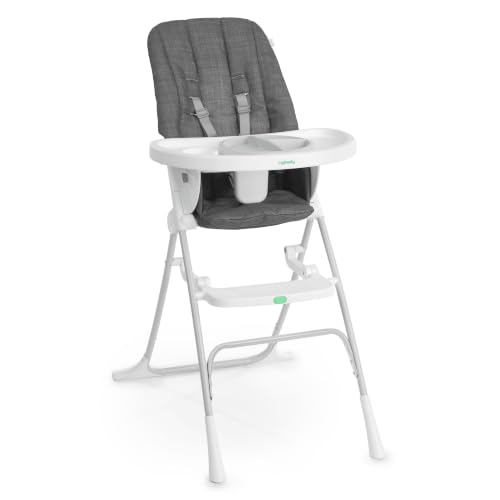


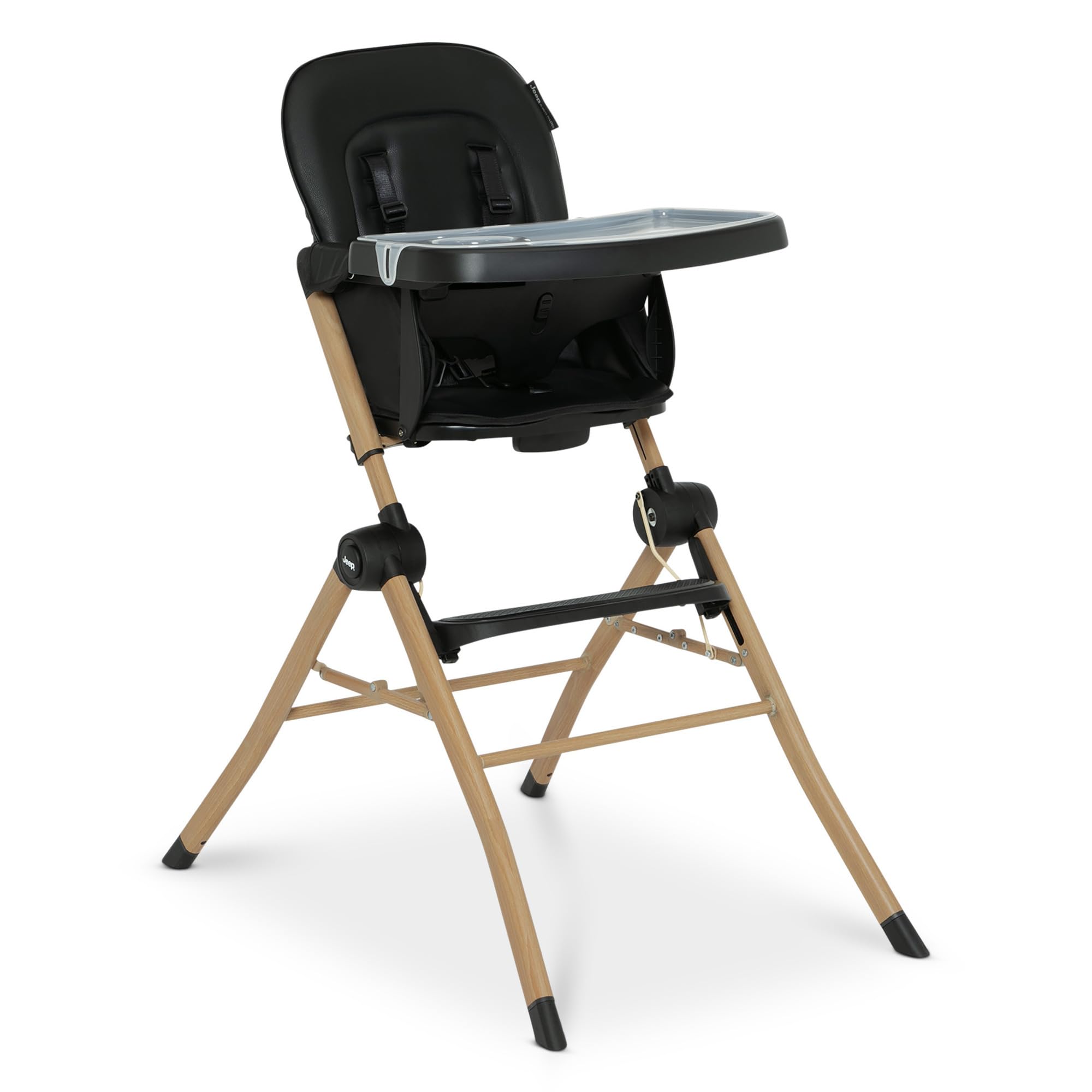


Compact High Chair Types Compared
Compact does not describe one single design. Some models fold, some clamp to a table, and some sit on a dining chair you already own. Each type saves space in a different way.
Slim Folding Frames for Daily Use
A slim folding frame works like a standard high chair during meals and folds to a narrow profile afterward. This is often the best fit if you feed your child at the same table every day and want a tray, a footrest, and a harness in one unit. Check the folded depth, since a chair that folds but still stands wide may not fit behind a door. Also check whether it stands on its own when folded or needs to lean against a wall, which matters in a busy hallway.
Hook On Seats for Tiny Dining Areas
A hook on seat clamps to a sturdy table and uses no floor space at all. That makes it appealing for a breakfast bar or a very small dining nook, and it places your child right at the family table. Table thickness, table material, and the shape of the table edge decide whether this type is safe to use at all, so follow the maker limits exactly. Never use one on a glass top, a loose leaf, or a pedestal table that could tip, and keep feet and hands clear of the clamp area.
Booster Style Seats That Use Your Own Chair
A booster style seat straps to a dining chair you already own, so storage is simple and the footprint is only as large as that chair. This type suits homes where an extra chair can stay at the table full time, or where the seat will move between your home and a grandparent home. Confirm that both straps, one around the chair back and one under the seat, fit your chair shape. A chair with a curved back or a very narrow seat may not hold the booster firmly enough.
How to Compare Compact High Chairs
Compare models on safety standards and certifications first, then ease of use, stored size, weight, durability, and value. Safety information comes from maker specifications and the current United States rules for high chairs. Ease of use shows up in tray removal, harness adjustment, folding steps, and cleaning access described in maker manuals. Confirm certification and recall status on the maker site and the CPSC site before you buy.
Who Should Buy a Compact High Chair?
The right compact design depends on where meals happen and where the chair goes when the meal ends.
Apartment Families With No Spare Corner
If your dining area doubles as a living or work area, you need a chair that leaves the floor clear once meals end. Look for a folded depth that fits a closet or the gap beside a refrigerator, and a weight you can lift easily. A removable tray that fits in your sink matters too, since a large tray can be harder to store than the chair itself.
Families Who Eat at a Small Table
If table space is your main concern, a hook on seat or a booster style seat keeps legs and bases out of the way, and your child sits closer to the table. Measure knee clearance for adults as well, because a seat that crowds every adult place setting will frustrate you daily. Check that siblings still have room to slide their own chairs in and out.
Caregivers Who Host Grandchildren Part Time
If you only need a seat a few days each week, storage between visits matters more than extra features. A light folding frame or a booster that fits in a linen closet keeps the chair out of sight when not in use. Choose a harness and tray you can manage without practice, since you will set the chair up less often. Simple controls also help when a second caregiver shares feeding duties.
How to Choose the Right High Chair
Work through fit and safety before fabrics or colors. For a broader walkthrough, see our guide on how to choose a high chair after you narrow your compact type.
Type and Fit at Your Table
Measure three things: the open footprint at your table, the height of the table top, and your storage space. A compact chair should let adults walk past without turning sideways and slide close enough that food lands on the tray, not in a gap. Our overview of the best high chair options shows what you give up in tray size and padding when you choose a smaller frame.
Safety Standards and Certifications
Look for compliance with the CPSC high chair rule and certification through JPMA, which certifies to the ASTM standard for high chairs. A secure harness, most often a five point or three point design used at every meal, keeps a child from standing or sliding down. Stability matters more in a compact chair, since a narrow base has less margin if a child pushes against the table. Stop use and contact the maker if the harness, clamp, or frame is damaged, and seek medical care at once if your child falls or hits the head.
Features Worth Paying For
A tray that removes with one hand, an adjustable footrest, and a wipe clean seat pad earn their cost in daily use. A footrest gives a growing child a place to brace, which can help the child sit more calmly during meals. Wheels help on hard floors but add width and can roll on a slope, so treat them as optional. A baby set can help a smaller child sit upright, yet it adds parts to store, so buy one only if the chair requires it for your child.
Age, Weight, and Height Limits
Most high chairs are for children who can sit up on their own, often around six months, and who meet the maker minimum weight. Maximum limits vary by type, and hook on seats often have lower limits than frame or booster models. Use the lowest limit that applies, whether it is age, weight, or the point where your child can climb out while harnessed. Talk with your pediatrician about readiness for seated feeding if your child was born early or has a feeding concern.
Portability and Fold
Weight and fold steps decide whether you will actually put the chair away each day. A chair that needs two hands, a foot pedal, and a latch in sequence may stay open and defeat the point of buying compact. For travel, compare designs in our guide to the best portable high chair models. For home storage, look at our roundup of the best folding high chair options and note folded depth, not just open size.
Cleaning and Daily Care
Food will reach every seam and strap, so choose smooth surfaces and a pad you can remove without tools. A tray that fits under your faucet or in your dishwasher, per the maker directions, saves real time. Wipe straps often, since buckles clog with dried food and then fail to click shut cleanly. For step by step methods, see our guide on how to clean a high chair.
How Much Should You Spend?
Simple booster and travel seats often cost under $50, while folding frames with a tray and footrest are often about $50 to $100. Wood frames and multi stage chairs are often about $100 to $200 and buy longer use as the child grows. Spend first on certification, an easy harness, and a fold that fits your storage.
Compact vs Other High Chairs: Pros and Cons
Compared with a standard high chair, a compact model gives you floor space, easier storage, and often a lower weight. In return, you accept a smaller tray, less padding, and sometimes a lower weight limit or fewer recline positions. Compared with using a lap or a regular chair with cushions, a compact high chair gives you a harness and a defined seat height, which a cushion cannot provide safely. If space is your deciding factor above all else, compare the layouts in our guide to the best high chair for small spaces before you settle on a type.
A compact chair is not right for every home. If you have a dedicated dining room and a child who needs firm postural support, a larger convertible frame may serve you longer. If you feed twins, two compact seats can still crowd a small table, so measure for both chairs together before you order.
FAQ
What is the best compact high chair for a first baby?
For a first baby, the best choice is usually the compact type that fits your storage and that you can open, close, and clean without help. Many first time parents prefer a folding frame because the tray and harness feel familiar from day one. Register for or buy only one seat at first, use it for a week of real meals, and confirm the fold fits your closet before you buy a second seat for another home.
Are compact high chairs safe for daily use?
Yes, a compact high chair that meets the CPSC rule and carries JPMA certification is built for daily use when you follow the maker limits. Safety depends on correct use more than on size alone. Buckle the harness every time, place a frame chair on a flat floor away from walls a child could push against, and never leave a child alone in the seat, even for a short trip to the kitchen counter.
How long does a compact high chair last?
Most children use a high chair from about six months until age two or three, ending when the child reaches the weight limit or can climb out while buckled. A compact model with a lower weight limit may be outgrown sooner than a convertible frame. Some wood compact frames convert to a youth chair and last longer, but only count that extra use if the converted seat truly fits your table and your storage once the tray and harness come off.
Can a compact high chair work for baby led weaning?
Yes, and a smaller tray can help, since food stays closer to your child. Look for a tray edge that contains soft foods and a footrest set so your child can sit with feet supported, which can help a child sit steadily. Choose a seat pad you can remove fully, because weaning meals spread food into seams quickly.
How do you store a compact high chair between meals?
Store it where you will actually return it after a tired evening meal, not in a distant room. A folded frame often fits beside a water heater closet door, behind a pantry door, or in the gap next to a bookcase. A booster can hang by its straps on a sturdy hook inside a closet if the maker allows hanging storage. Keep clamps and straps off the floor so they stay clean and do not become a trip hazard.
Final Thoughts
Measure your table area, your walkway, and your storage first, then choose the compact type that fits all three. Put certification, a harness you will use every meal, and a fold you can manage at the top of your list, and let tray size and fabric come second. When you compare the best compact high chair options for your home, use the product table above to check open size, folded size, and weight side by side before you order.


