Best Nursery Glider Chairs: A Complete Buying Guide

Shopping for the best nursery glider chairs usually starts with fabric swatches and finishes, but the chair that actually earns its keep is chosen by how it moves, how it fits your body, and how it holds up to daily use. You'll spend hundreds of hours in this seat over the first year alone, often at 3 a.m. with a baby who's just barely asleep, so the decision is worth more than a quick glance at a showroom photo. This guide walks through the mechanics, ergonomics, materials, and room-planning details that separate a chair you'll love from one you'll be trying to resell by the time your baby turns one.
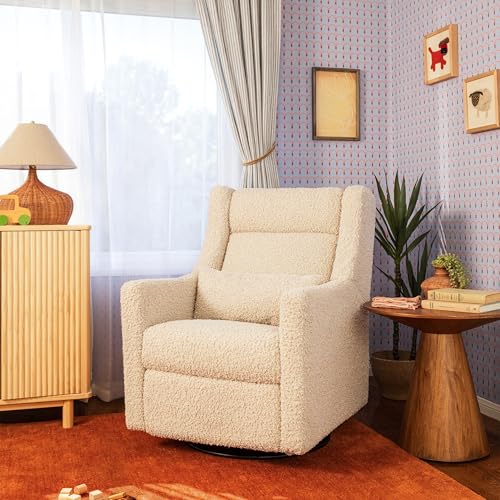
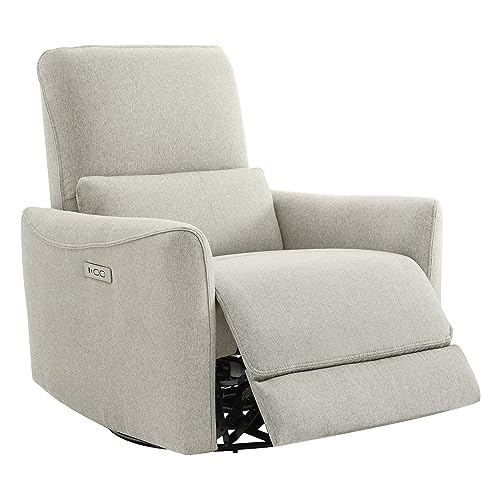
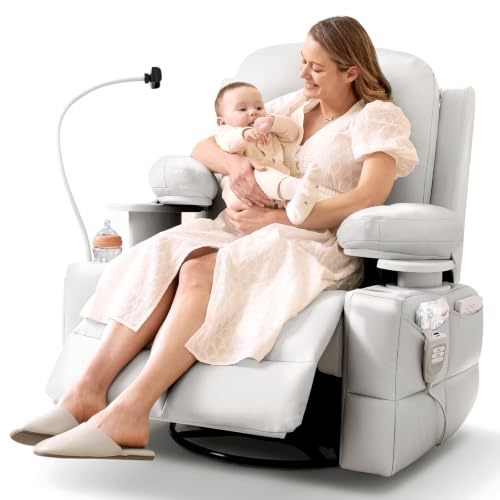
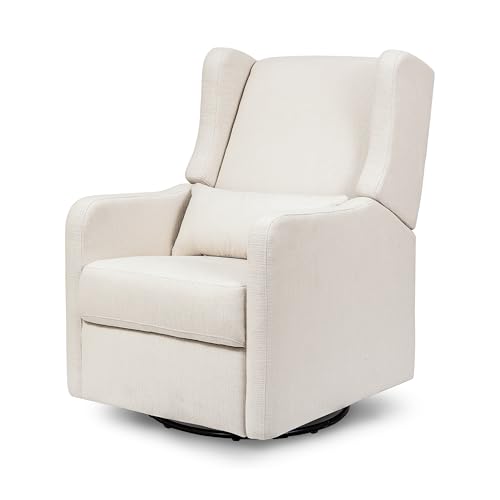
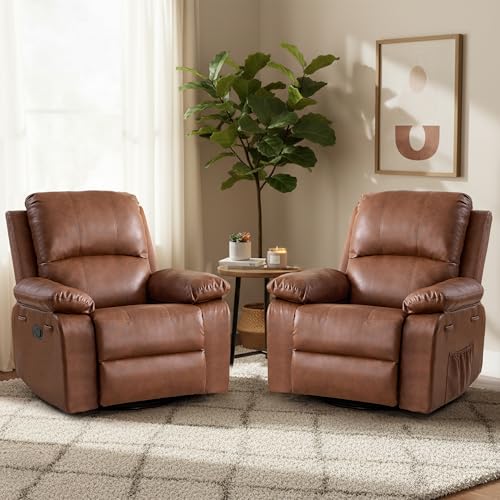
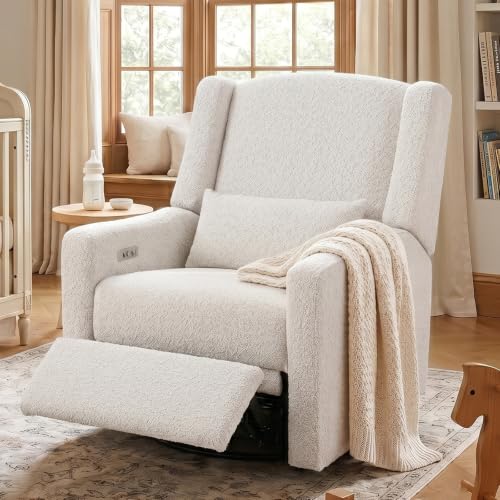
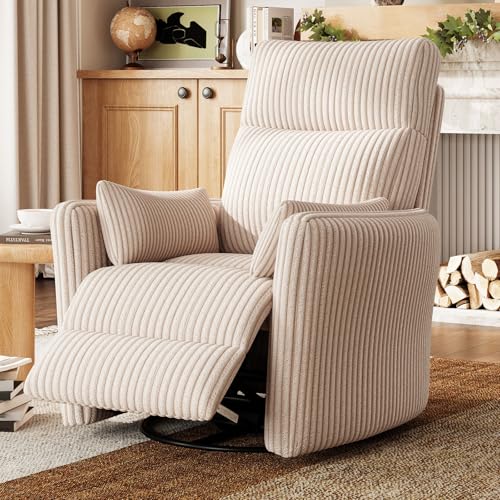
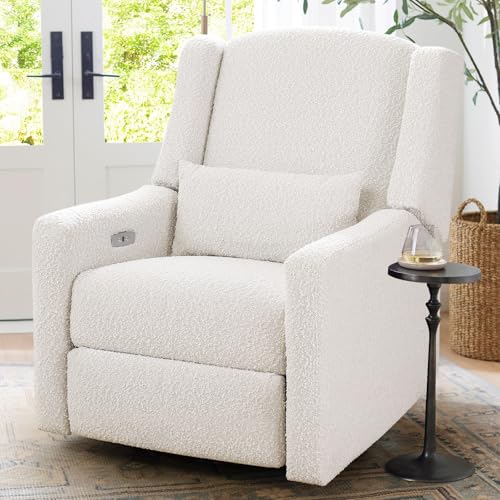
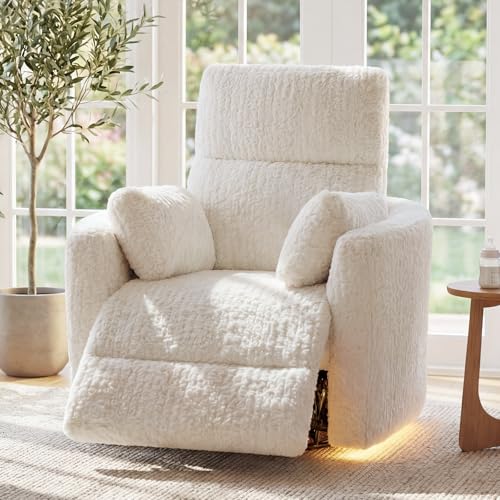
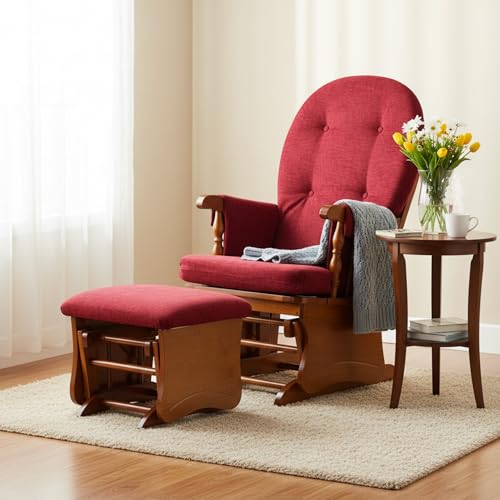
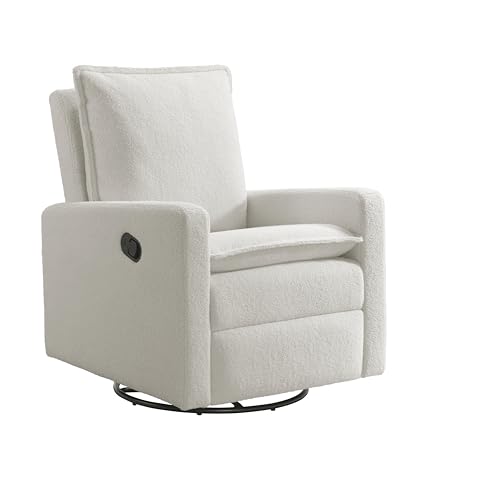
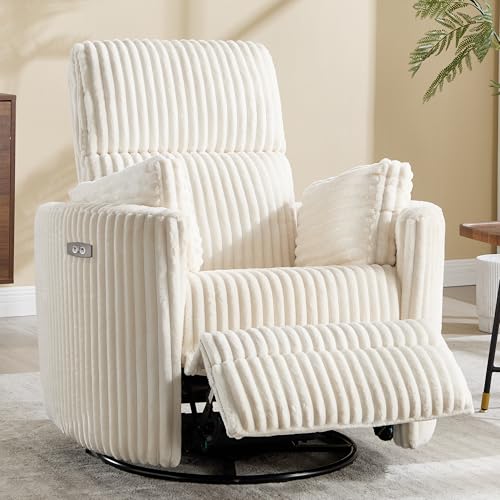
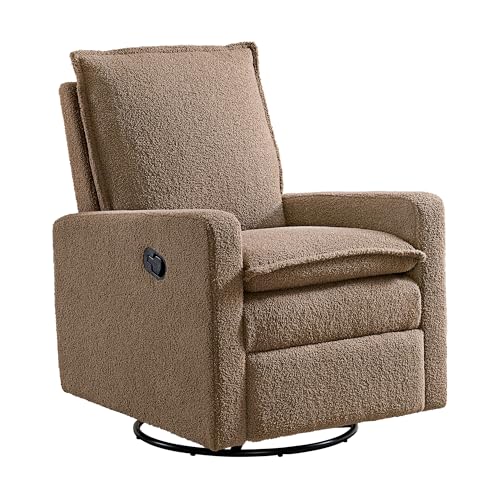

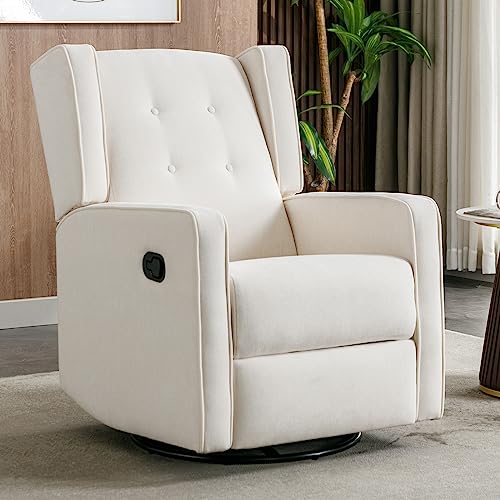
Glider, Rocker, or Reclining Glider: Matching the Motion to How You'll Use It
"Glider" gets used loosely, but the motion underneath the upholstery varies more than most shoppers expect, and the differences matter once you're actually using the chair every night.
Track Gliders vs. Rockers
A true glider moves along a fixed metal track or arm mechanism, which produces a smooth, level, front-to-back motion with almost no bounce. A rocker, by contrast, sits on curved feet or a curved base and moves in more of an arc, which some parents find more soothing and others find slightly less steady when they're holding a newborn one-handed. Track gliders tend to run quieter over time, though the hardware inside the track is also the part most likely to develop a squeak after a year or two of heavy use, so testing the motion for a full minute rather than a quick push is worth the extra effort in the showroom.
Swivel and Recline Add-Ons
A swivel base lets you turn toward a changing table or another child without standing up, which sounds minor until you're doing it fifteen times a day. Reclining glider chairs add a second motion on top of the glide, useful for overnight feeds when sitting fully upright for twenty minutes starts to wear on you, but the added hardware means more moving parts that can eventually loosen or squeak, and a bulkier footprint that needs more clearance to recline fully. If you want a shortlist of specific models that combine these features well, our best nursery glider picks cover a few worth comparing side by side.
Getting the Fit Right for Your Body
Comfort in a showroom for five minutes tells you almost nothing about comfort during a forty-minute middle-of-the-night feed, which is the real test this chair needs to pass.
Seat depth matters more than most buyers realize. If the seat is too deep, your lower back loses contact with the backrest and you end up perched forward, which is exactly the posture that leads to the lower-back ache so many parents mention after a few postpartum weeks in a glider. If it's too shallow, your thighs won't be fully supported and the front edge digs into the back of your knees on longer sessions. Sit in the chair for several minutes with your feet flat on the floor to check whether your knees sit at a natural angle rather than jammed against the cushion.
Armrest height and padding matter just as much, especially for anyone breastfeeding or pumping for extended stretches, since your arms need real support rather than just a narrow ledge to rest on. Low or thin armrests force your shoulders to do the work instead, which adds up fast over repeated sessions. Lumbar support is worth checking too; a chair with a built-in curve or an included lumbar pillow keeps your spine in a more neutral position than a flat, straight-backed cushion. Because body proportions vary so widely, it's worth checking listed seat height and depth in inches rather than assuming a chair marketed as "generously sized" will actually suit a petite or tall frame.
Upholstery, Off-Gassing, and What's Actually Touching Your Baby
Fabric choice affects daily cleanup, but it also affects what you and your baby are breathing in during those long stretches of close contact, which is worth more attention than most buying guides give it.
Performance fabrics and easy-wipe upholstery hold up far better against spit-up, formula, and general spills than delicate weaves, and removable, washable cushion covers make deep cleaning realistic instead of a once-a-year chore. Textured or slightly darker fabrics also tend to camouflage the inevitable small stains between cleanings better than smooth, pale materials.
Less visible but just as important is what's inside the cushions and what was used to treat the fabric. New upholstered furniture, including gliders, can off-gas volatile organic compounds for weeks after arrival, and some models are treated with flame-retardant chemicals that a growing number of parents specifically try to avoid. Look for foam certified under a program like CertiPUR-US and fabric certified under a standard like OEKO-TEX, both of which indicate the materials were tested for a shorter list of chemicals of concern. If a chair arrives with a strong plastic or chemical smell, airing it out in a well-ventilated room for several days before it goes into the nursery is a reasonable precaution, even with certified materials.
Planning the Space Around the Chair
A glider that performs beautifully in the store can still feel wrong at home if the room around it wasn't planned with the chair's motion and sightlines in mind.
Every glide or recline mechanism needs real clearance, usually at least a foot of open space behind the chair and more in front if it reclines fully, so measure your actual layout before ordering rather than eyeballing it against a furniture diagram. In smaller nurseries, a standard track glider without recline is often the better fit, since it doesn't need the extra footprint a reclining model demands. Leave enough room near the crib for both the chair's motion and everyday movement, especially if you're also fitting in something like a mini crib, which still needs its own clearance for the side rail or drop gate to operate.
Positioning also affects how usable the chair actually feels day to day. A spot near natural light helps with daytime feeds, but not directly under a heating or cooling vent that turns a long session uncomfortable. Keep a rug or non-slip pad under the glide track on hardwood or tile, both to protect the floor and to quiet the mechanism on nights when every sound feels amplified. If you're relying on daytime naps around a bright window, pairing the seating area with proper blackout curtains keeps the room dark enough for sleep regardless of the hour. And since you'll often be seated with your back partly to the crib, mounting a baby monitor where you can glance at it from the glider saves you from getting up every few minutes just to check.
FAQ
What's the real difference between a glider and a rocking chair?
A glider moves along a level track or arm mechanism, producing a smooth, front-to-back motion with little vertical bounce. A rocking chair moves on curved feet or a curved base, which tends to feel more like a traditional arc. Both can be soothing; the choice usually comes down to personal preference and how much floor clearance you have.
Do I need a reclining glider, or is a standard one enough?
A standard glider is usually enough if you don't expect to spend very long stretches in the chair or if your nursery is on the smaller side. A reclining model is worth the extra cost and space if you know you'll be doing frequent overnight feeds and want the option to lean back fully.
How much clearance does a glider chair actually need?
Plan for roughly a foot of open space behind the chair for the glide motion, and more in front if the model reclines. Measure your specific layout before buying, since clearance needs vary by mechanism type and by how the chair is positioned against a wall or window.
Is it worth paying more for a swivel base?
Many parents find the ability to turn toward a changing table or another part of the room genuinely useful, especially in a smaller nursery where getting up and repositioning isn't always convenient. It's a reasonable upgrade if your budget allows for it.
Should I worry about chemical smell or off-gassing in a new glider?
It's worth checking for certifications like CertiPUR-US for the foam and OEKO-TEX for the fabric, which indicate the materials were tested for certain chemicals. If a chair arrives with a noticeable smell, airing it out in a ventilated space for a few days before placing it in the nursery is a sensible precaution.
What upholstery holds up best against daily spills?
Performance fabric or easy-wipe materials handle spit-up and spills far better than delicate weaves, and removable, washable cushion covers make periodic deep cleaning realistic instead of a rare event.
The Chair That Actually Works for Your Nursery
The right choice among the best nursery glider chairs comes down to motion that suits how you'll actually use it, dimensions that fit your body rather than just the room's aesthetic, and materials you're comfortable having close to your baby for months of daily contact. Test the glide in person when you can, measure your space before you order, and treat the showroom five-minute sit as a starting point rather than the final word on comfort.