Best Nursery Storage: A Complete Buying Guide

Somewhere between the crib delivery and the first onesie that no longer fits, most parents realize the nursery is running out of room. Good nursery storage is less about buying more bins and more about matching the right system to how the room actually gets used. In this guide, you will learn how to map out storage zones, work with a small footprint, keep furniture safe, and avoid setups that stop working within a few months.


Mapping Out Nursery Storage Zones Before You Buy Anything
Before you shop, walk through the room and think about the three or four things that actually happen there: sleeping, diaper changes, dressing, and maybe play. Each of those activities has its own storage needs, and treating the room as one big space usually leads to clutter instead of a system.
The Closet Is Your Biggest Storage Asset
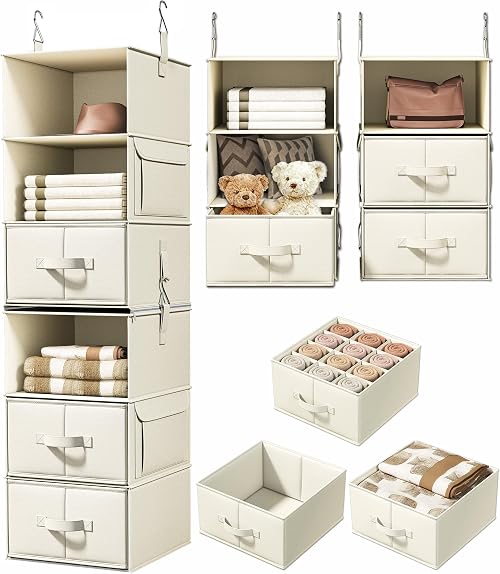
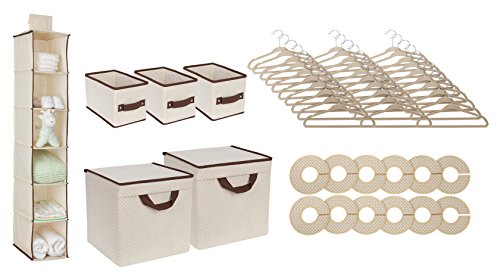
A standard closet almost always outperforms a room full of freestanding bins, mainly because it uses vertical space that the floor never will. Hanging rods for outfits, shelves above for bulk items like diapers, and a shoe organizer repurposed for socks and accessories can absorb far more than people expect. A closet organizer with drawers and cubbies built in gives you a single, contained system instead of a shelf that slowly fills with loose piles.
Keep Changing Supplies Within Arm's Reach
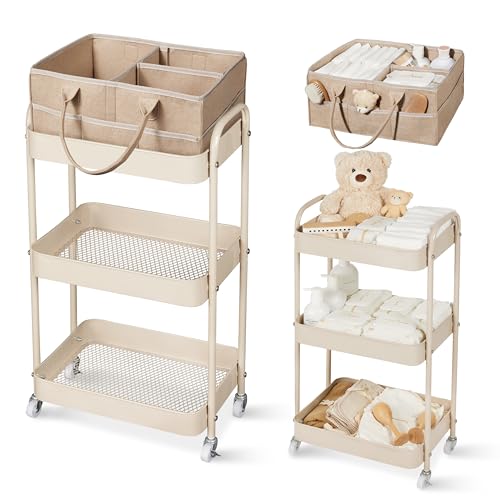
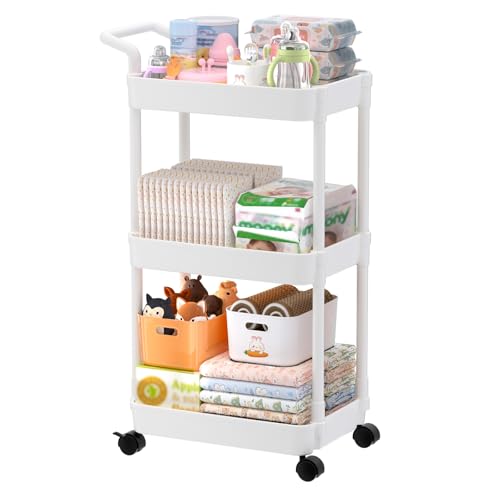
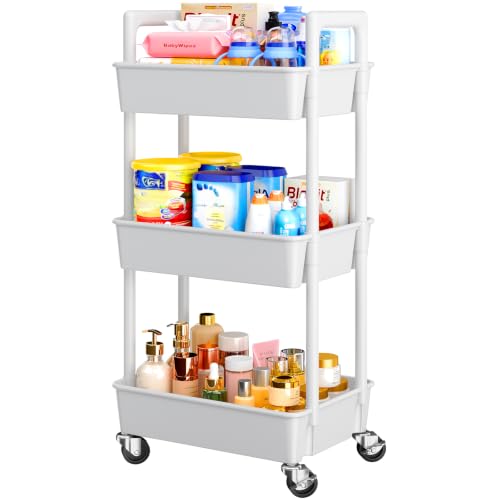
Whatever surface you use for changing, whether that is a dedicated table or a converted dresser top, needs its own small storage zone next to it. Diapers, wipes, cream, and a spare outfit should all be reachable without turning around, especially for middle of the night changes. If you are still deciding on the surface itself, a dedicated changing table with built in shelving below solves the storage question and the changing question at the same time.
Reserve Open Shelving for Everyday Items
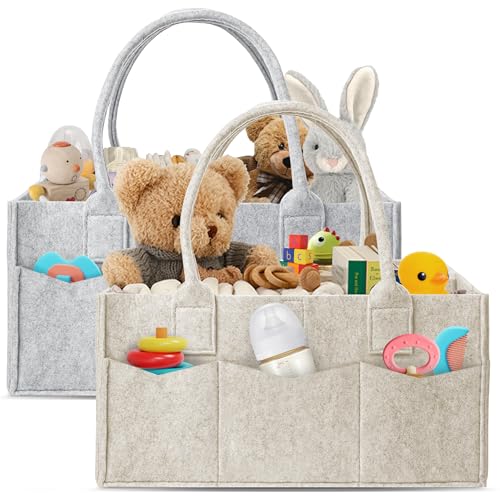
Not everything needs to be hidden in a drawer. Items you reach for daily, like a stack of burp cloths or a sound machine, work better on open shelving where you can grab them without digging. Save closed storage for things you touch less often, like out of season clothing or gear you have not grown into yet. Getting this split right is often the single biggest factor in whether nursery storage feels effortless or like a daily chore.
Small-Space Strategies When the Nursery Has Limited Square Footage
Nurseries are often the smallest bedroom in the house, so the storage that works in a guest room rarely translates directly. The good news is that a small nursery just needs a different set of priorities, not fewer options.
Think Vertical Before You Think Wider
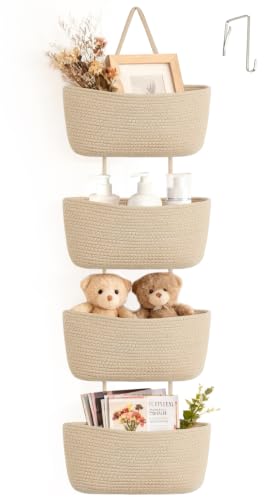
Wall space is almost always underused. Floating shelves, hooks for bibs and hats, and tall narrow bookcases give you storage capacity without eating into floor space you need for a crib and a chair. Nursery storage that climbs the wall instead of spreading across the floor tends to feel less cramped even when it holds just as much. A set of corner shelves can fill an awkward, otherwise unused corner without competing with the crib or dresser for wall space.
Multi-Purpose Furniture Earns Its Keep
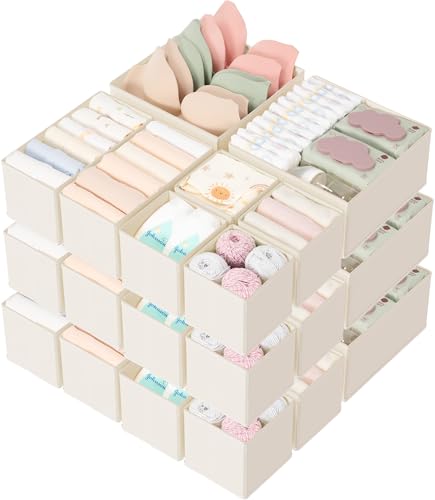
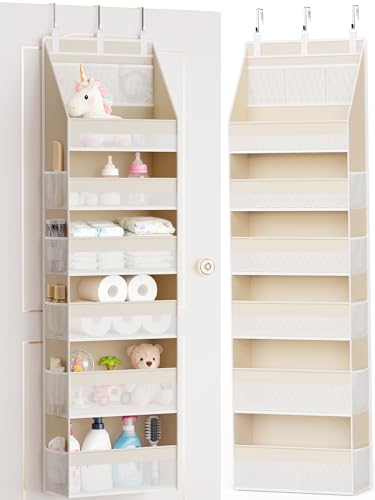
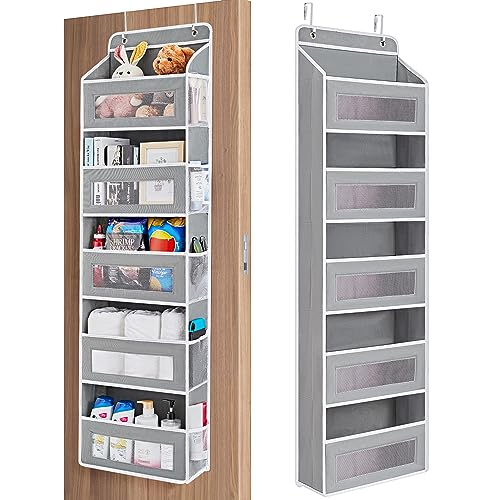
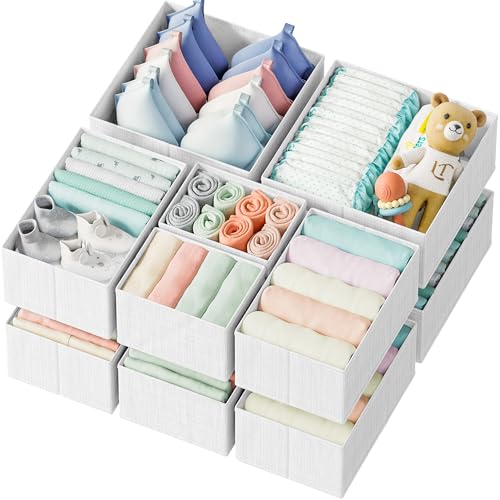
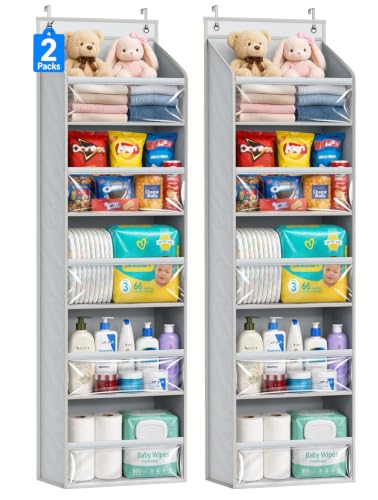
A dresser that doubles as a changing station, or a glider with a hidden storage ottoman, does the work of two pieces of furniture in the footprint of one. Under-crib bins and over-the-door organizers are worth using too, since they claim space that would otherwise sit empty. Inside the dresser itself, drawer dividers keep tiny items like socks, mittens, and pacifiers from turning into a jumbled mess every time a drawer opens. A dedicated drawer organizer makes that separation automatic instead of something you have to maintain by hand.
Furniture Safety Shouldn't Be an Afterthought
Storage furniture in a nursery has to hold weight, stay accessible to a toddler eventually, and remain stable the entire time. That last part gets overlooked more often than it should.
Why Anchoring Matters for Dressers and Bookshelves
Dressers and tall bookshelves are common tip-over hazards once a child starts pulling up on furniture to stand. Anchoring straps or brackets secured into wall studs, not just drywall, keep a piece from tipping forward if it is climbed on or if a drawer is pulled all the way out. This is one of the few nursery setup steps that is genuinely non-negotiable rather than a nice-to-have.
Drawer Stops and Weight Distribution
Drawer stops limit how far a drawer can extend, which reduces both tipping risk and the chance of a drawer being pulled out completely. Loading heavier items into the bottom drawers and lighter ones higher up also keeps the whole piece more stable, since a top-heavy dresser is more likely to tip if it gets bumped.
What Higher-Priced Storage Systems Actually Get You
Modular closet systems and matched furniture sets cost noticeably more than a set of fabric bins, so it is worth knowing what that difference actually buys. Higher-end systems typically use sturdier materials, smoother drawer glides, and finishes that hold up to years of wiping down after diaper changes and spills.
They also tend to be modular, meaning you can add drawers, shelves, or hanging sections later instead of replacing the whole unit as needs change. That said, a budget setup built from quality bins and a simple shelving unit can be just as functional for the first year or two. The premium is really paying for longevity and flexibility, not for extra capacity you could not get another way. Either route can deliver solid nursery storage as long as the pieces actually fit how the room is used.
Setup Choices That Backfire as Your Baby Grows
A surprising number of storage decisions that make sense for a newborn stop working within a year, simply because clothing sizes, gear, and daily routines change fast during that stretch.
Sizing every bin and drawer for tiny newborn items is one of the most common examples, since those pieces get outgrown within weeks and the storage designed around them stops fitting anything useful. Storing toys out of reach also tends to backfire once a baby starts crawling and wants to grab things independently. And skipping labels early on feels unnecessary at first, but becomes a real time cost once a partner, grandparent, or sitter needs to find something without asking.
Frequently Asked Questions
How much storage do you actually need for a nursery?
Most nurseries do fine with a full closet, a dresser with four to six drawers, and one or two open shelves. Start there and add bins or baskets only once you know what is actually overflowing.
Do I need a separate changing table or can a dresser work?
A dresser with a changing topper attached works just as well as a standalone table for most families, and it saves floor space by combining two functions into one piece.
How do I organize a small nursery closet?
Use the full height of the closet, not just the hanging rod. Add a shelf above for bulk items, hang a shoe organizer for small accessories, and reserve floor space for a hamper or bin rather than loose piles.
Is furniture anchoring really necessary for a nursery dresser?
Yes. Any dresser or tall furniture piece a child could climb or pull on should be anchored to a wall stud, regardless of how sturdy it looks on its own.
What's the best way to store diapers and wipes for quick access?
Keep a small, open container of diapers and wipes directly next to the changing surface, and store bulk supplies in a closet or drawer nearby for easy refilling.
How do I keep nursery storage from getting cluttered again?
Labeling bins and giving every category of item one dedicated spot makes it easier for anyone in the house to put things back correctly, which is usually what prevents clutter from creeping back in.
Bringing It All Together
The nurseries that stay organized are rarely the ones with the most storage products. They are the ones set up around real zones, built to fit the room's actual size, and anchored safely from day one. Start with those basics, and the bins and baskets become a finishing touch rather than the whole solution for lasting nursery storage.