
Best Champion Generators of 2026: Which Model Should You Buy?
Disclosure: We may earn a commission when you buy through links on this page, at no extra cost to you. As an Amazon Associate I earn from qualifying purchases. Learn more
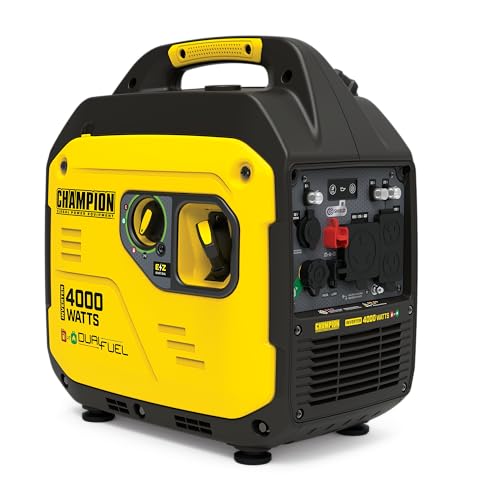
Compare Champion inverter, open frame and dual fuel generators by watts, fuel, noise and price to match one to your home, RV or job site.
Choosing a Champion unit feels confusing at first because the lineup spans small inverter models, mid size open frame machines, and large dual fuel units for whole home backup. The right choice depends on what you need to power, how clean that power must be, and where the machine will run. This guide to the best champion generator sorts the lineup by type and size so you can match watts, fuel, and features to your situation. Use the comparison table below to see the main types side by side before you read the details.
If you are still weighing brands, our overview of the best generator options shows how Champion fits the wider market. Within the range itself, output, fuel choice, and noise drive every section that follows.




Champion Generator Types at a Glance
Champion sells three broad families that cover most home and travel needs. Inverter models give clean power and low noise in a compact case. Open frame models give more watts for the money and suit job sites and storm backup where noise matters less. Dual fuel and tri fuel models add fuel flexibility, letting you switch between gasoline and propane, or add natural gas on the largest units. Standby models sit permanently beside the home and start on their own during an outage.
None of these families is better in every case. A camper who values quiet evenings needs a very different machine from a homeowner keeping a well pump and furnace running.
Three Champion Generator Types Compared
Instead of ranking individual models, compare the three types most buyers consider. Each type below covers who it suits, what it does well, and what you give up.
Inverter Generators for Quiet, Clean Power
Inverter models, usually about 2000 to 4500 watts, produce power that is safe for laptops, phones, and modern electronics with sensitive boards. They vary engine speed with load, so they sip fuel and run far quieter than open frame machines at the same output. Most are light enough for one person to carry or roll to a campsite. The trade off is cost per watt, since you pay more for the quiet case and the electronics that clean up the output.
Open Frame Generators for Maximum Watts per Dollar
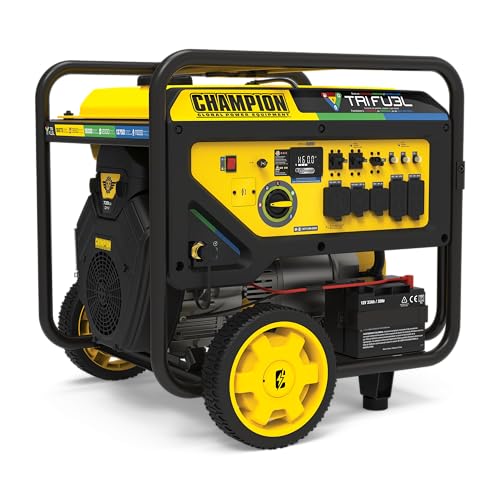
Open frame models, often about 3500 to 9500 watts, expose the engine inside a steel tube frame that doubles as a handle and a guard. They cost less per watt, cool well during long runs, and tolerate rough handling on work sites. Many include 240 volt outlets for larger tools and home backup connections. The trade off is noise, since there is no sound dampening case, and the output on basic models may not suit sensitive electronics without care.
Dual Fuel and Larger Backup Generators
Dual fuel models run on gasoline or propane from a switch on the panel, and the largest reach about 9500 to 12000 watts. Propane stores for years without going stale and burns cleaner, while gasoline gives slightly higher output and is easy to refuel anywhere. These heavier units usually ride on wheels and suit garages, cabins, and storm prone homes. If travel is your main use, compare the smaller options in our guide to the best generator for rv use before choosing a large frame.
What Matters Most When Comparing the Lineup
Compare models on factors that change daily ownership, not spec sheet bragging: frame and case materials, weather resistance, output size and outlet layout, assembly needs, durability under regular loads, and warranty length and clarity. Buyer feedback most often mentions noise, starting, and fuel use, so check those first.
How to Choose the Right Champion Generator
Size and Form Factor
Start by adding the running watts of everything you plan to power at once, then add the extra starting watts for the largest motor in that list, such as a refrigerator or sump pump. Common steps in the lineup run from about 2000 watts for essentials and camping, through 3500 and 4500 watts for an RV or a few home circuits, up to 7500 watts and beyond for heavy backup. For a fuller worksheet, see what size generator do i need before you buy, since oversizing wastes fuel and undersizing trips the breaker.
Type and Fuel Choice
Inverter, open frame, and standby units solve different problems, and fuel choice shapes storage and running cost. Gasoline gives the most output and the easiest refills, propane gives long storage life and cleaner exhaust, and tri fuel models add a natural gas line for homes that have one. Solar charging stations are a separate category and do not replace fuel models for long outages. If clean, quiet output is your priority, read our guide to the best inverter generator models to see how Champion inverters compare with rivals.
Features Worth Paying For
Electric start removes the pull cord struggle, and remote start lets you fire up the unit from indoors during a storm. A carbon monoxide sensor that shuts the engine down when gas builds up is a safety feature worth having on any new model. Look also for a low oil shutoff, covered outlets, and a fuel gauge you can read at a glance. Wheels and a folding handle sound minor, but on a unit over 100 pounds they decide whether one person can move it safely.
Weather Resistant Materials
Generators live outdoors while they run, so case and frame materials matter. Powder coated steel frames resist rust better than bare metal, and plastic inverter cases should feel rigid rather than thin, with outlet covers that seal against splashes. Recessed control panels shed rain better than flat exposed panels. No portable generator is waterproof, though, so good materials only buy tolerance for damp conditions and humid garage storage.
Size for Your Space
Measure where the generator will run and where it will sleep before you order. It needs a flat outdoor spot at least 20 feet from doors and windows, with exhaust pointed away from the home, clear of snow and leaves. Indoors, allow room to walk around the unit, plus space for fuel stored away from heat sources. Compact inverters fit on a shelf, while large dual fuel frames claim a full floor bay.
Assembly and Anchoring
Most portable Champion units need modest assembly out of the box, usually wheels, a handle, rubber feet, and the first fill of oil, which the manual specifies by weight. Take your time here, since running a new engine without oil will destroy it in minutes. On a flat surface the weight of the machine and its rubber feet keep it planted, and you should never bolt down a portable unit in a way that traps exhaust or blocks airflow. If you plan a permanent home connection, read how to hook up a generator to a house and hire a licensed electrician for the transfer switch work.
Care and Off Season Storage
Change the oil after the first short break in period described in your manual, then at the intervals it lists after that. Run the unit under load for a short session each month so seals stay lubricated and fuel stays fresh in the carburetor. Before long storage, either drain the fuel system or add stabilizer and run the engine long enough to circulate it. Store the machine dry, covered, and off cold concrete if you can, and check the air filter and spark plug at the start of each storm season.
How Much Should You Spend?
Small inverters and basic open frame units often cost under $500, and many solid mid size models fall about $500 to $1000. Large dual fuel and inverter models with electric start commonly run about $1000 to $2000, while standby systems cost far more once installation is added. Spending more usually buys quieter operation, cleaner power, and fuel flexibility rather than raw reliability alone. Set your budget after you fix your watt target, since paying for watts you never use is the most common way buyers overspend in this category.
The Champion Generator Lineup Explained
Champion built its name on value, with overlapping sizes in each family so you can step up in watts without changing fuel or format. The smallest inverters target tent camping and tailgating, the mid range covers RV air conditioners and core home circuits, and the top end aims at near whole home backup through a transfer switch. Shoppers comparing a best champion generator pick against rival brands usually find more outlets and included accessories at a given price, while some rivals run a little quieter.
For homes that want automatic backup with no refueling at all, a fixed standby unit from the lineup is the step up, and our guide to the best whole house generator options explains how those systems differ from large portables. For everyone else, the portable range is where the real choice sits, and matching the family to your main use matters more than chasing the highest watt figure on the box.
FAQ
Is Champion a good generator brand?
Champion is generally regarded as a strong value brand, with US based support and parts availability that many buyers cite as a reason for choosing it. Owners commonly praise easy starting and clear manuals, while complaints tend to focus on noise from open frame models rather than breakdowns. As with any engine powered product, long term results depend heavily on oil changes and fuel care. Register your unit after purchase so warranty claims and recall notices reach you without delay.
What size Champion generator do I need for a refrigerator and lights?
A refrigerator typically draws about 150 to 200 running watts but needs a brief surge when its compressor starts, and a handful of LED lights adds very little. A unit around 2000 watts covers that pairing with room for a phone charger and a small fan. If you also want a microwave or coffee maker in the mix, step up to about 3500 watts. Keep a small reserve rather than running any generator at its limit for hours.
How long can a Champion generator run without stopping?
Run time depends on tank size, load, and fuel type, and makers usually quote figures at half load or quarter load rather than full output. Many mid size models run through the night at moderate load, while small inverters on eco mode can stretch a small tank surprisingly far. Check oil levels during very long outages, since low oil protection will stop the engine to save it. Plan refueling breaks into any multi day outage instead of topping up a hot engine.
Is it safe to run a Champion generator in the rain?
No portable generator should run exposed in rain, because water and live outlets are a dangerous mix and moisture can damage the alternator. A purpose built generator tent or an open sided canopy that keeps rain off while letting exhaust escape freely is the usual solution. Never solve the problem by moving the unit into a garage or under a closed carport, since carbon monoxide builds up fast in enclosed air. Wait for a break in the weather if you have no safe cover.
How do you hook up a Champion generator to a house safely?
The safe routes are a professionally installed transfer switch or an interlock kit fitted by an electrician, both of which isolate your home from the grid while the generator feeds selected circuits. The one method you must never use is a cord with plugs at both ends feeding a wall outlet, since that can energize lines outside your home and endanger utility workers. An electrician can also confirm your panel has capacity for the circuits you want. Keep heavy extension cords rated for outdoor use as a simple option for single appliances.
Final Thoughts
Match the type to your main job first, size the watts second, and let fuel choice and noise settle the rest. Quiet inverter models suit travel and electronics, open frame units give budget friendly backup watts, and dual fuel models add storage peace of mind for storm season. Whichever route you take, the best champion generator for you is the smallest unit that covers your real load with reserve to spare. Check the product table above once more before you order, and confirm outlet types and included accessories on the listing.


