Best Chewable Ice Makers 2026: Nugget Ice Buying Guide
Disclosure: We may earn a commission when you buy through links on this page, at no extra cost to you. As an Amazon Associate I earn from qualifying purchases. Learn more

Best chewable ice makers explained: how nugget ice is made, real output, noise, placement and cleaning.
Shopping for best chewable ice makers usually means shopping for nugget ice, the soft, chewable ice made famous by drive through drinks. Nugget ice is porous, so it absorbs flavor, chills drinks quickly, and is easy to chew. That texture is the whole point, and it sets these machines apart from standard cube makers.
This guide explains how nugget makers work, what daily output really means, and how water, noise, and cleaning shape everyday use. The product table gives a quick overview, and the sections that follow help you choose a size and style that fits your kitchen and your habits.
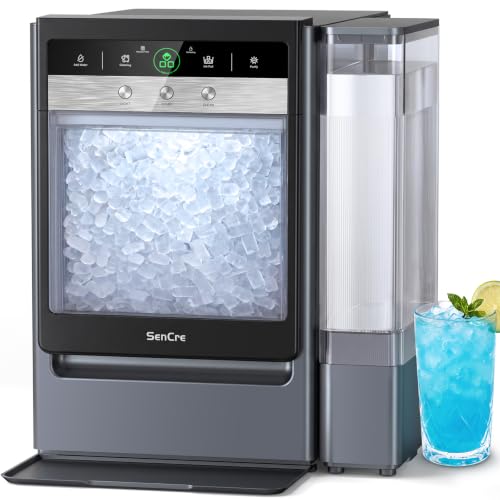


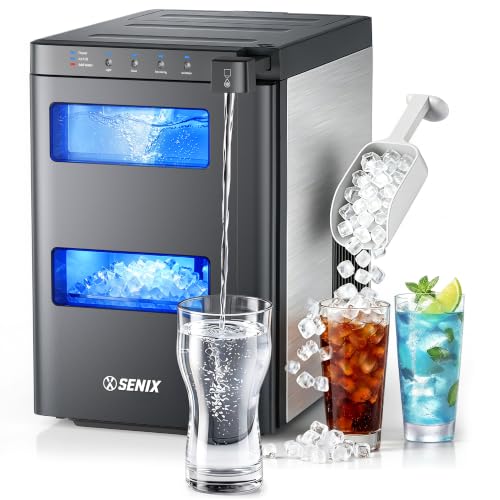
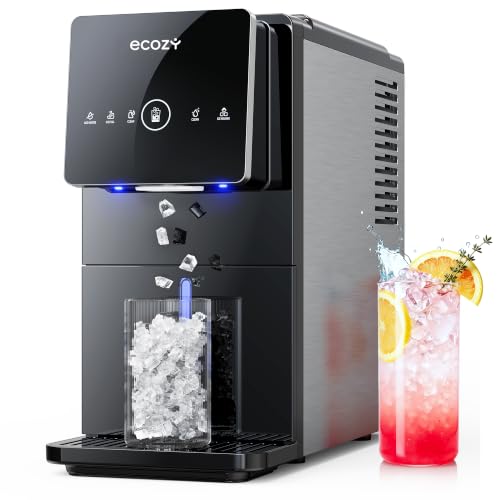
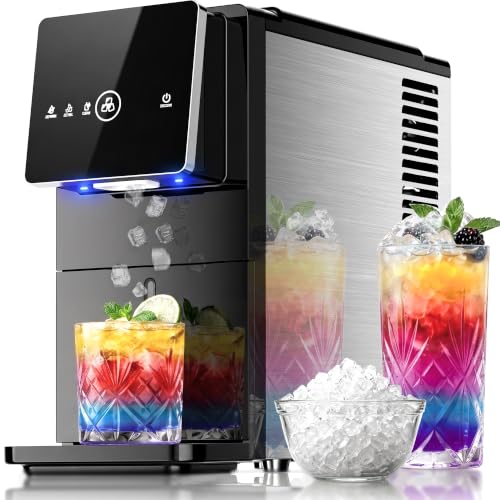

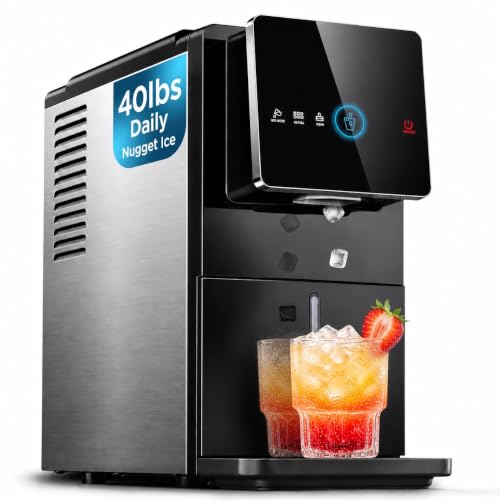


Who Should Buy a Nugget Ice Maker
A nugget ice maker suits households that love iced drinks, smoothies, and chilled water through the day. It also suits home bars, offices, and anyone who hosts often, since guests tend to notice soft ice at once. If you chew ice regularly, a machine that makes it at home is more convenient than buying bags of ice.
It is less suited to small kitchens with little counter space, or to homes where ice is only needed rarely. Nugget makers also need regular cleaning and a water supply plan, so they suit owners who are happy with a little routine maintenance.
How Nugget Ice Is Made
Most countertop nugget makers freeze water on a cold surface, scrape off soft ice flakes, and press them into small nuggets. The result is cloudy, airy ice that is softer than a clear cube. Because nugget ice melts faster than dense cubes, it chills a drink quickly but also waters it down sooner, which suits drinks that are finished fairly fast.
Ice size varies by model. Smaller nuggets chew easily and suit children and older adults, while larger nuggets last a little longer in a glass. Some machines let you choose between sizes, which is handy if different people in the household prefer different textures.
Daily Output, Storage, and Water Supply
Daily output figures describe ideal conditions, not a busy kitchen on a hot day. A machine rated for a generous daily amount may still take time to build up a full bin after the first batch. Check both the first batch time and the bin capacity, since those two figures shape real use better than the headline daily number alone.
Most countertop models are not freezers, so stored ice will slowly melt and the machine will remake it. That cycle uses water and power over time. Some models connect to a water line for hands free refills, while others need manual refilling from a jug. A plumbed model suits heavy use, while a manual model suits renters and smaller kitchens.
Water quality affects taste and scale build up. Filtered water usually gives cleaner tasting ice and less scale, especially in hard water areas. Keep the water tank clean and follow the maker guidance on descaling, since scale can slow production and change flavor.
Noise, Size, and Placement
Nugget makers hum, click, and drop ice, so noise matters if the machine will sit near a bedroom or a quiet living area. Compressor models tend to be louder than thermoelectric models but usually make ice faster. If noise is a concern, look for a model described for quiet operation and place it away from seating areas where possible.
Measure counter height as well as width, since some models need clearance above for ventilation or for lifting a lid. Leave space around the sides for airflow, and keep the machine near a water source and a drain or sink for easy cleaning. A drip tray or mat protects counters from melt water.
Cleaning and Care
Clean the ice bin, water tank, and exterior regularly, and run any cleaning cycle the maker recommends. Empty and dry the machine if it will sit unused for a while, since standing water can develop odour. Replace filters on schedule where fitted, and use only cleaning products the maker approves.
Watch for signs that cleaning is overdue, such as cloudy ice, odd taste, or slower production. A short cleaning routine every few weeks keeps ice tasting fresh and helps the machine last longer. Keep the manual handy for model specific steps.
Related Guides to Compare
Ice makers in general cover cube, nugget, and clear ice models, so that guide helps if you are still deciding on ice style. best ice makers.
Undercounter ice makers suit larger kitchens and heavy use, with a fixed water connection and bigger storage than countertop models. best ice makers undercounter.
Pebble ice makers focus on the small, soft pellets many people love for sodas and iced coffee, with similar care needs. best pebble ice makers.
Sonic style ice makers are another name for nugget ice machines, and comparing them helps clarify size and output differences. best sonic ice makers.
Living With Your Choice
Daily ice habits shape how much you value a nugget maker. Households that fill water bottles, make smoothies, and serve iced coffee all day will use a machine constantly, while occasional users may find a bag of ice simpler. Track your ice use for a week before buying, since real habits beat optimistic guesses.
Drink pairings show off nugget ice at its best. Iced tea, lemonade, sodas, and blended drinks all benefit from soft ice that chills quickly and absorbs flavor. Cocktails and mocktails also suit nugget ice, though fast melting means drinks should be served promptly rather than left standing for a long time.
Kitchen workflow matters when placing a nugget maker. Keep it near the sink for easy filling and cleaning, near glasses and drinks, and away from heat sources that slow ice production. A short, consistent routine for emptying and refilling the bin keeps ice fresh and prevents stale tasting batches.
Guests often notice nugget ice at once, which makes a machine a pleasant addition for hosting. Fill glasses shortly before serving, keep a scoop handy for hygiene, and avoid letting guests handle ice directly. Small hosting habits keep ice clean and drinks appealing throughout an evening.
Energy and water use deserve honest attention. A machine that cycles to remake melted ice uses power and water over time, so switch it off when the household is away or ice is not needed. Using ice regularly and cleaning on schedule keeps running costs reasonable and flavor fresh.
Final Thoughts
Decide how much ice you truly use each day, then check first batch time, bin size, and water supply before worrying about extra features. A machine that fits your counter and your cleaning routine will get used far more than a larger model that feels like a chore. Review the product table above and choose the best chewable ice makers option that matches your drinks, your space, and your household.
Frequently Asked Questions
What makes nugget ice chewable?
Nugget ice is made from pressed ice flakes, so it is porous and soft rather than dense and hard. That texture lets it absorb drink flavor, chill quickly, and break apart easily when chewed. Clear cubes, by contrast, are dense and melt more slowly.
How much ice does a countertop nugget maker produce?
Output varies by model and room temperature, and headline daily figures assume ideal conditions. Check first batch time and bin capacity as well, since those figures show how quickly you get usable ice. On hot days or with frequent use, production may run slower than the headline figure.
Do nugget ice makers need a water line?
No, many countertop models use a manual water tank that you refill from a jug, which suits renters and smaller kitchens. Plumbed models connect to a water line for hands free use and suit heavy daily use. Filtered water usually improves taste and reduces scale in either type.
Why does stored nugget ice melt?
Most countertop nugget makers are not freezers, so ice in the bin slowly melts and the machine remakes it. This cycle uses water and power over time, so it helps to use ice regularly rather than leaving a full bin untouched for days. Empty and dry the machine if it will sit unused.
How often should I clean a nugget ice maker?
Clean the bin and tank regularly and run the maker recommended cleaning cycle on schedule. Frequency depends on use and water hardness, but a short clean every few weeks suits most households. Watch for cloudy ice, odd taste, or slower output as signs that cleaning is due.