
Best Chairs for Sitting Long Hours: A 2026 Buyer Checklist
Disclosure: We may earn a commission when you buy through links on this page, at no extra cost to you. As an Amazon Associate I earn from qualifying purchases. Learn more
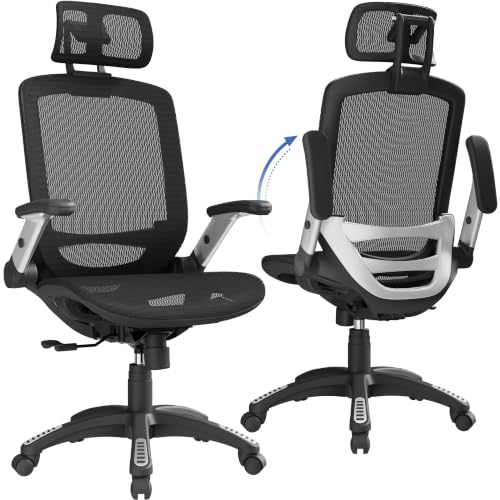
Use this checklist to choose the best chairs for sitting long hours, covering fit, lumbar support, adjustability, materials, size, and value before you buy.
If you sit for most of the day, a chair is not just furniture, it is the tool that shapes your posture, comfort, and focus. This guide gives you a practical checklist for best chairs for sitting long hours, so you can judge any chair by fit, support, adjustability, and build rather than by looks alone. The comparison table below shows the main chair types side by side, and the checklist sections that follow explain what to test before you buy.
Long sits expose small problems fast. A seat that feels fine for ten minutes can feel hard after two hours, and a backrest that looks supportive can leave your lower back tired by afternoon. Work through the checklist in order, starting with size and fit, then support and adjustability, then materials and build. A chair that passes most of the checklist will usually serve you better than a stylish chair that fails on fit.
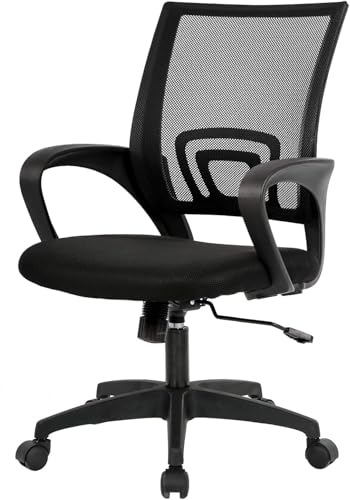
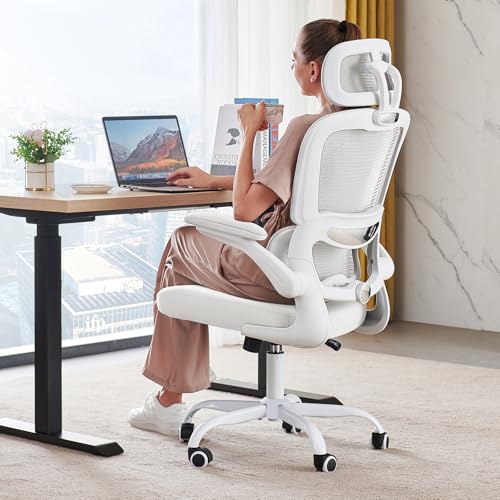
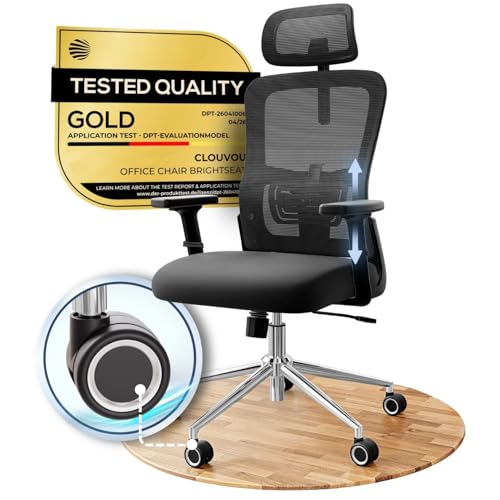
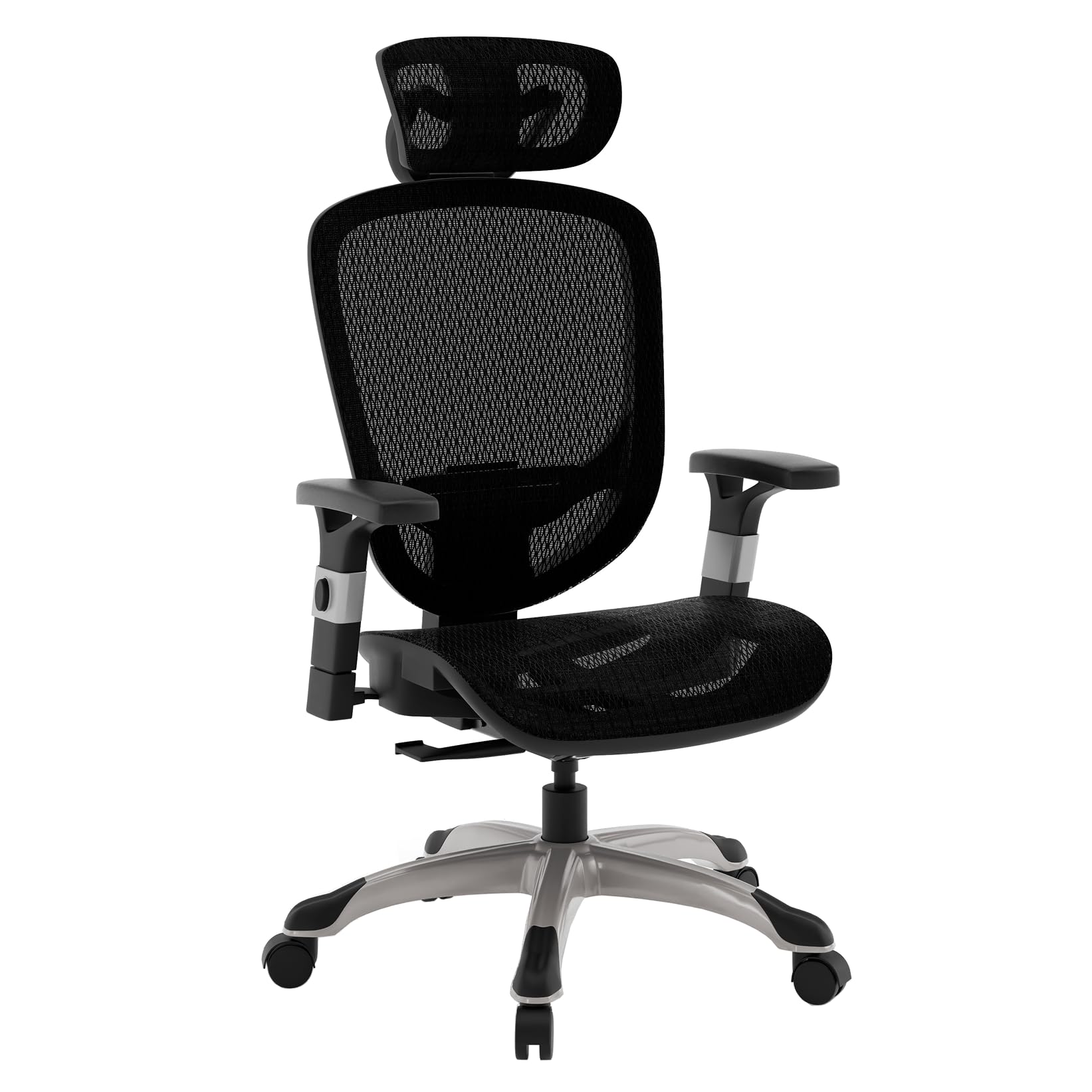
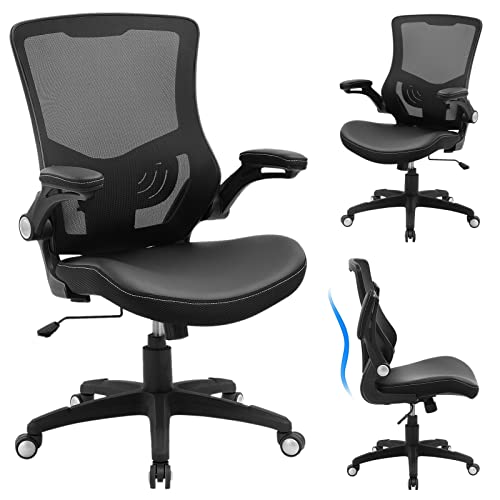
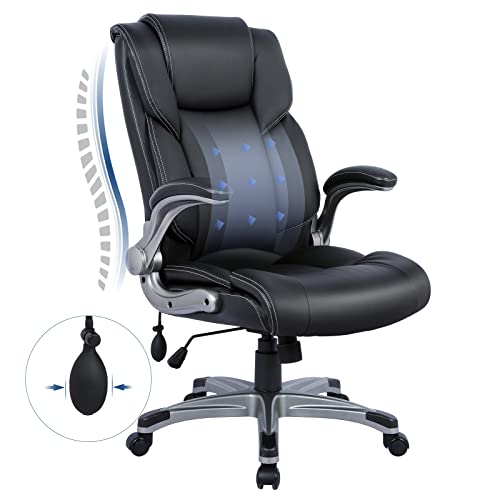
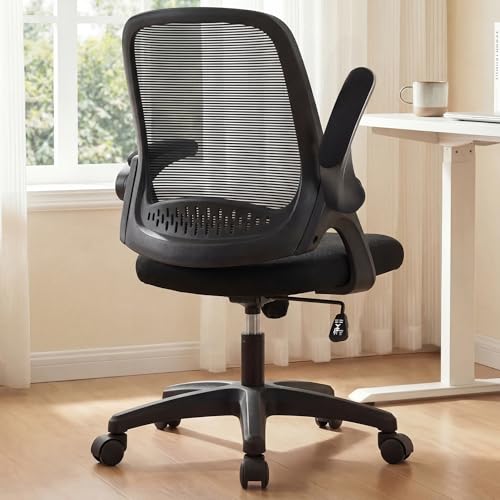

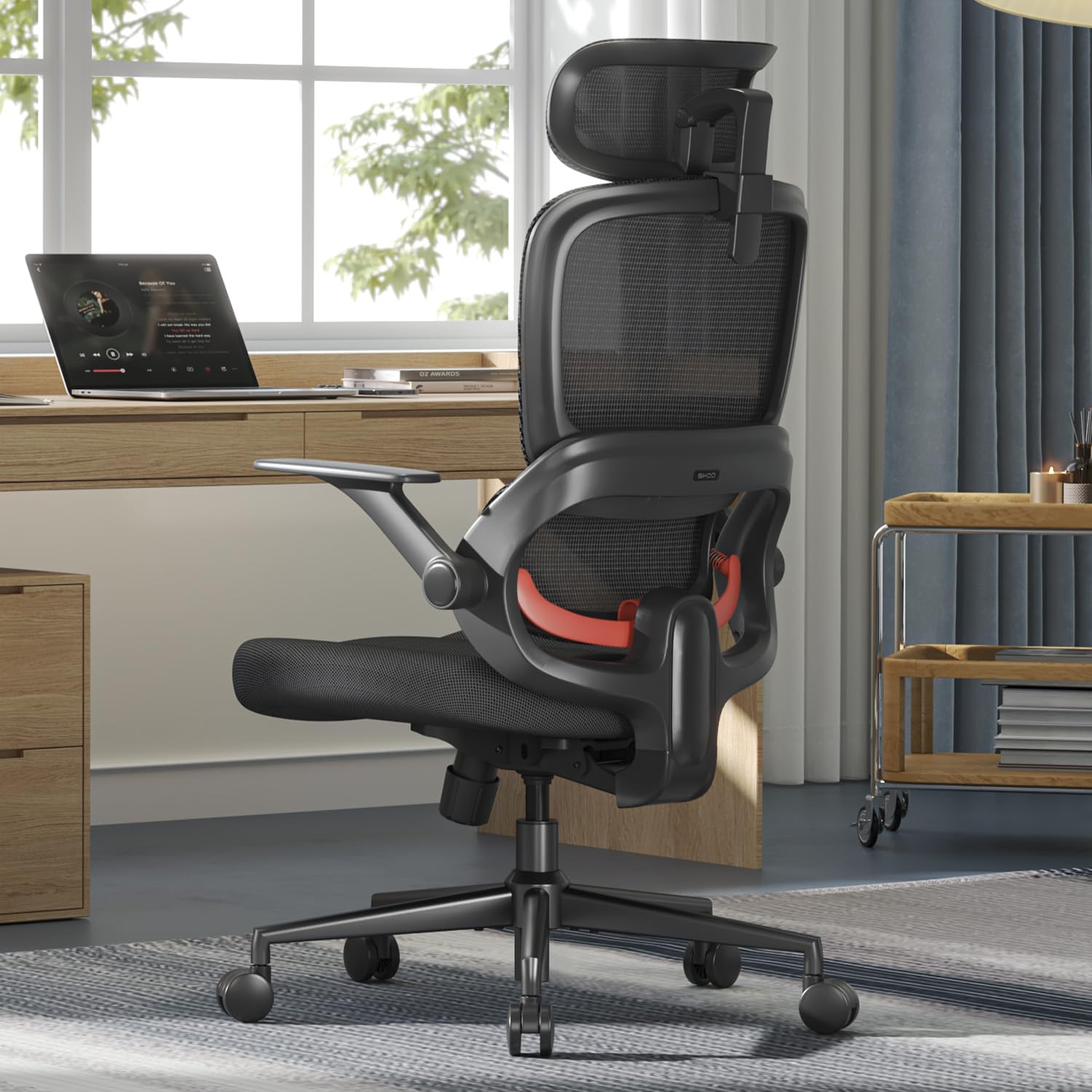
A Buyer Checklist for Long Sits
The features that matter for long sits become questions you can answer from specs, photos, and return terms. Use each section as a check: if a chair lacks a key adjustment or hides its weight capacity, treat that as a gap, not as a detail you can ignore.
Features That Matter for Sitting Long Hours
Long sits demand steady support, easy position changes, and materials that do not trap heat or flatten quickly. Look for a seat that spreads weight evenly, a backrest that supports the natural curve of your lower back, and armrests that let your shoulders relax. A chair that forces one fixed posture will feel tiring, even if it feels soft at first. The best long sit chairs let you shift, recline slightly, and return to an upright posture without a struggle.
Ergonomics and Adjustability
Adjustability matters more for long sits than for short sits, because small mismatches add up over hours. Seat height should let your feet rest flat while your knees sit near a right angle, and seat depth should leave a small gap behind your knees. Lumbar support should sit at your lower back, not at your mid back, and it should adjust in height or depth if possible.
Armrests should adjust in height so your elbows rest near a right angle without lifting your shoulders, and a tilt lock lets you hold a comfortable recline. For office use, our guide to best office chairs for sitting long hours covers these adjustments in an office setting.
Build Quality and Frame
Build quality shows up in the frame, base, and moving parts, and it matters most when a chair is used every day. A sturdy frame and a five point base spread weight evenly and resist wobble, while a weak base can flex or creak under daily use. Gas lift quality affects how smoothly the seat rises and holds height, and a lift rated for your weight will hold position better over time.
Materials and Upholstery
Upholstery affects heat, cleaning, and long term comfort, so match it to your room and routine. Mesh backs allow airflow and suit warm rooms, while padded fabric feels softer and suits cooler rooms. Smooth synthetic leather wipes clean easily but can feel warm during long sits, and real leather needs more care and usually costs more. Foam density matters as much as cover fabric: high density foam holds its shape longer than soft low density foam, which can flatten within months of daily use.
Style and Room Fit
Style should follow fit, but room fit still matters for daily use. Measure your desk height, floor space, and doorways before you buy, and check whether the chair fits under your desk when pushed in. A wide chair can crowd a small room, while a narrow chair can feel cramped for a larger sitter.
Comfort and Cushioning
Comfort for long sits comes from even pressure, not from extra softness. A seat that is too soft lets you sink until you feel the frame, while a seat that is too firm can press on your thighs and hips. A contoured seat with a waterfall front edge, which slopes down at the front, can ease pressure behind the knees.
Try to picture your longest typical sit, and ask whether the seat shape and foam density will still feel even after that time. For a broader view of chairs made for extended use, see our guide to best chairs for long hours alongside this checklist.
Size, Dimensions, and Weight Capacity
Size and weight capacity are easy to check and hard to fix after delivery, so verify them before ordering. Compare seat width, seat depth, backrest height, and overall height with your body size and your desk setup. Weight capacity should exceed your weight with room to spare, because a chair used near its limit may wear faster and feel less stable. Also check the assembled size, not just the seat size, since armrests and base width affect whether the chair fits your space.
Spending Levels That Fit Different Budgets
Price alone does not tell you whether a chair suits long sits, but spending levels do tend to change which adjustments and materials you get. Use these levels as a guide to what to expect, not as a promise about any single chair. The product table above can help you compare types at each level.
A Sensible Starting Point
At a lower price, often about $100 to $250, expect basic height adjustment, a simple backrest, and fixed or height only armrests. Focus on seat size, weight capacity, and a backrest shape that suits your height, and accept that lumbar support may be fixed. A chair at this level can work well for moderate daily use, but check return terms carefully, since fit problems are harder to fix without more adjustments. Our guide to best affordable chairs for sitting long hours covers budget tradeoffs in more detail.
A Step Up in Adjustability
At a midrange price, often about $250 to $500, expect more adjustments, such as lumbar depth, seat depth, armrest width, and a tilt lock. Foam density and frame quality also tend to improve, which helps a chair hold its shape through daily use. This level suits most full time desk workers, because the extra adjustments let you fine tune fit over weeks rather than settling on day one. Compare warranty length at this level, since a longer frame warranty often signals sturdier build.
A Higher Spend for Daily Long Use
At a higher price, often about $500 and up, expect finer adjustments, stronger frames, and upholstery made for long daily use. You may get dynamic lumbar support that moves with you, a wider range of seat depth, and a base and lift built for heavier daily loads. A higher spend makes sense when you sit for most of the working day, every day, and when a poor fit already costs you comfort.
Quick Buyer Checklist
Run through these questions before you order, and treat any unanswered question as a reason to check specs again or ask the seller.
- Do your feet rest flat with knees near a right angle at the lowest useful seat height?
- Does the seat depth leave a small gap behind your knees?
- Does lumbar support sit at your lower back, and can you adjust it?
- Do armrests adjust so your shoulders stay relaxed?
- Does the weight capacity exceed your weight with room to spare?
- Does the chair fit under your desk and through your doorways?
- Can you return the chair if the fit feels wrong after a week of use?
- Does the warranty cover the frame and moving parts for a useful period?
Red Flags to Watch For
Watch for vague specs, such as a chair that lists no weight capacity, no seat dimensions, or no adjustment range. A short warranty on the frame or lift can signal weak build, and a listing that promises comfort for everyone without explaining fit is selling a feeling, not a chair. If a chair hides its foam density, frame material, or base type, assume the missing detail matters and look for a listing that states it clearly.
Chairs for Specific Needs
Best Desk Chairs for Sitting Long Hours
Best desk chairs for sitting long hours should focus on desk height, keyboard posture, and smooth movement around a workstation. Look for a seat height range that matches your desk, armrests that clear the desk edge or adjust below it, and casters that roll smoothly on your floor type. A mesh back can help in a warm office, while a padded back can feel warmer and softer in a cool room. For desk specific sizes and layouts, see our guide to best desk chairs for long hours before you finalize seat depth and armrest width.
Tips to Get the Most From Your Chair
Set seat height so your feet rest flat, then adjust lumbar support to your lower back and armrests to elbow height. Stand and move at least once an hour, because even a well fitted chair feels tiring if you never change position. Tighten bolts every few months, since daily movement can loosen them over time, and vacuum or wipe upholstery regularly to keep fabric and mesh clean. If a chair starts to squeak, wobble, or sink, check the lift, base, and bolts before assuming the whole chair has failed.
Chairs: Your Questions Answered
What features matter most in chairs for sitting long hours?
Seat fit, lumbar support, and adjustability matter most, because they decide whether your posture stays comfortable over hours. A seat that matches your thigh length, a backrest that supports your lower back, and armrests that keep your shoulders relaxed will do more than extra padding alone. Check those three points first, then compare materials and build quality. A chair that passes on fit but uses weak foam may still wear fast, so treat durability as the next check after fit.
How long should a good chair last?
A good chair used daily should last about five to ten years, depending on build quality, weight load, and care. Foam may soften first, followed by casters and lift parts, while a strong frame often lasts longer than the cushioning. Regular bolt checks and cleaning help, but a chair that sinks, wobbles, or loses lumbar support has reached the end of its useful life for long sits. Keep the warranty and care guidance handy, so you know which parts the maker covers if something wears early.
Is an expensive chair worth it?
An expensive chair is worth it when the extra cost buys adjustments, materials, or build quality that fix a real fit problem for you. A higher price does not automatically mean better comfort, and a costly chair with the wrong seat depth will feel worse than a cheaper chair that fits. Compare adjustment range, foam density, and warranty rather than price alone, and use the return period to test the chair during normal workdays.
How do I choose the right size?
Choose size by measuring your body and your workspace, not by guessing from photos. Measure thigh length from the back of your knee to your lower back while seated, and compare it with seat depth, leaving a small gap behind your knees. Measure hip width and compare it with seat width, and check backrest height against your torso length. Also measure desk height and floor space, so the chair fits your setup as well as your body, and check the return terms in case the fit feels different in use.
Should I choose mesh or padded upholstery for long hours?
Choose mesh if you sit in a warm room or tend to feel hot, since airflow through the back can keep you cooler over hours. Choose padded upholstery if you prefer a softer feel or sit in a cool room, since padding adds warmth and a cushioned back. Mesh can feel firmer and may stretch over years, while padding can flatten and trap heat, so neither option wins for everyone. If possible, test both types during a normal workday, and weigh cleaning ease as well, since mesh vacuums easily while padded covers may need spot cleaning.
Final Thoughts
For long sits, fit comes first, adjustability second, and looks last. A chair that matches your seat depth, supports your lower back, and lets you adjust armrests and tilt will serve you better than a stylish chair that misses on size. Work through the checklist, compare spending levels honestly, and use the return period and the product table above to test and compare chairs during real workdays. The chairs that fit your body, your desk, and your daily routine together are the best chairs for sitting long hours for you.
If discomfort persists, worsens, or comes with numbness or weakness, talk with a doctor about your seating and posture rather than relying on a chair alone.