Best Chairs for Spinal Stenosis for 2026: Every Type Explained Side by Side
Disclosure: We may earn a commission when you buy through links on this page, at no extra cost to you. As an Amazon Associate I earn from qualifying purchases. Learn more
Compare chair types for spinal stenosis comfort, from ergonomic and reclining seats to lift chairs, with sizing, lumbar support, and budget guidance.
Sitting is rarely neutral when your lower back canal is narrowed, and the wrong seat can turn a quiet hour of reading into a slow build of leg ache. Shoppers comparing best chairs for spinal stenosis face recliners, ergonomic desk chairs, lift chairs, and plain padded seats, all promising comfort in very different ways. This guide compares the main types side by side so you can match a chair to the way you actually sit each day.
Some people find a slight forward lean or a recline with the legs raised more comfortable, and a deep, soft seat that is hard to leave less so; ask your doctor which sitting positions suit you. The comparison table below sums up each type, and the sections after it explain sizing, lumbar support, and the features that matter most for this specific condition.
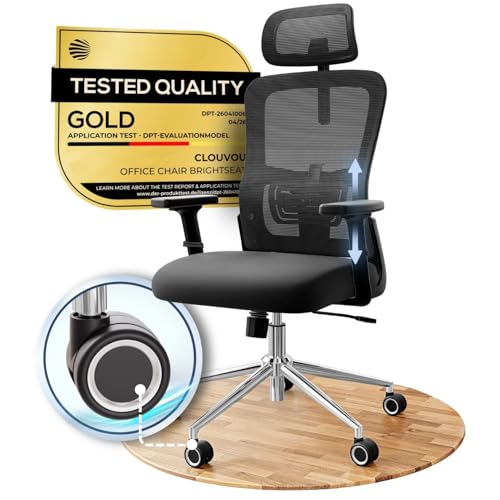
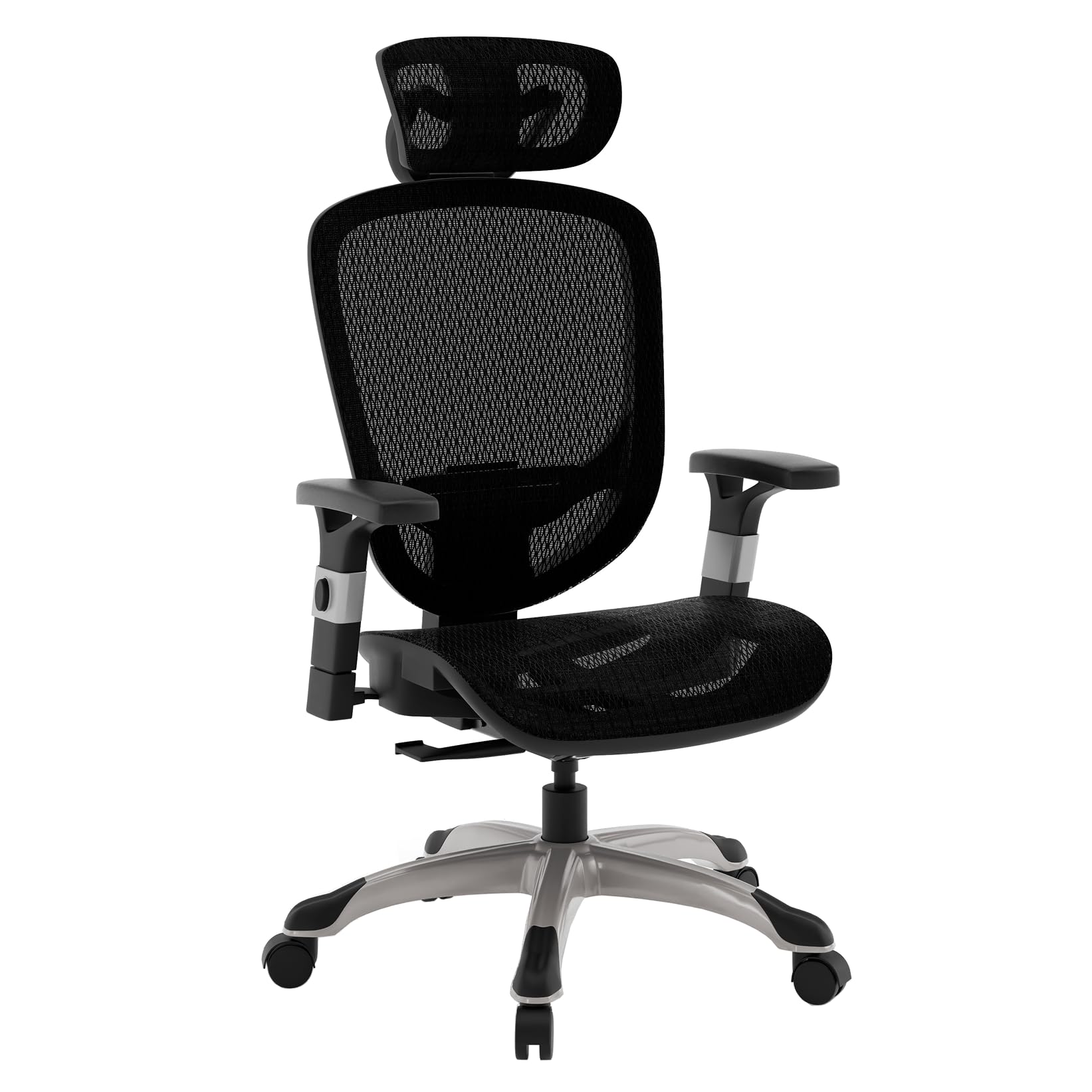
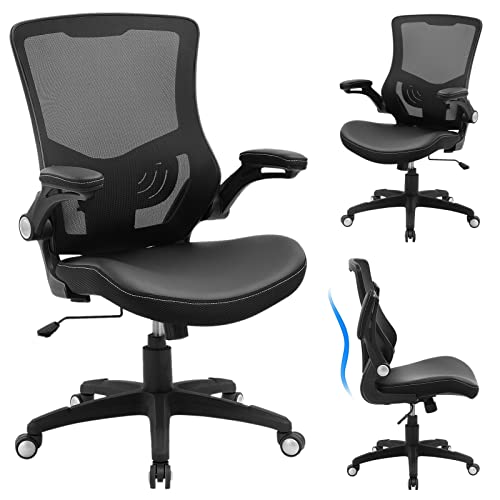
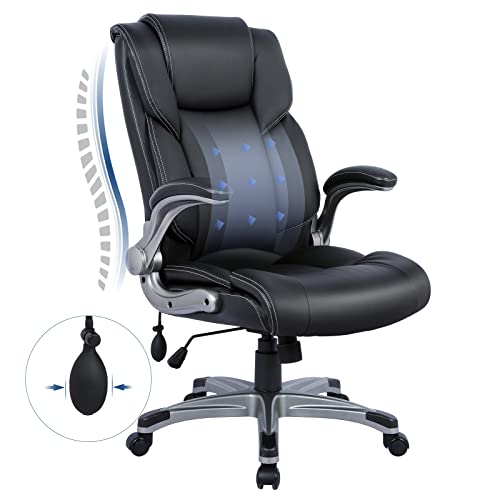
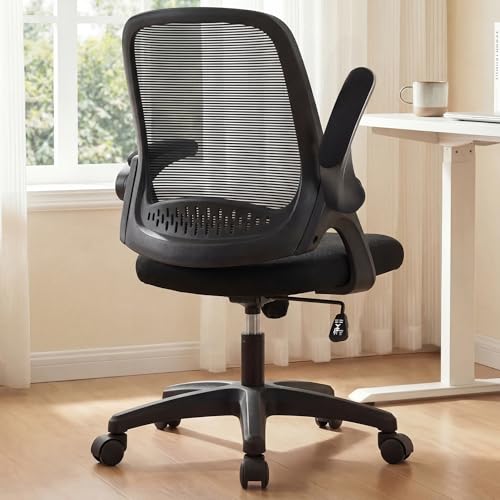

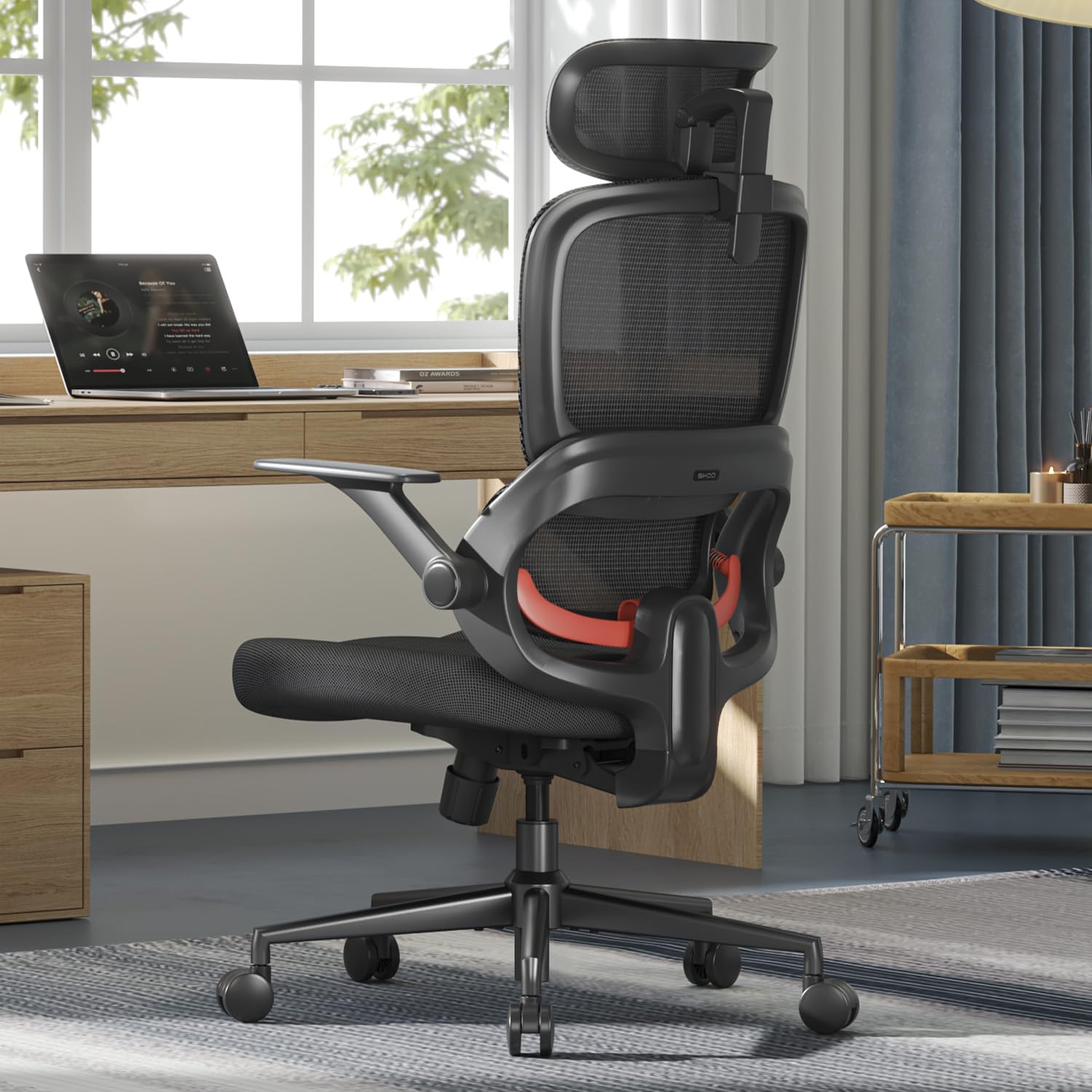
Types of Chairs Compared
Chair types differ in how they hold your pelvis and lower back, and that difference matters more than padding thickness.
| Type | Best For | Pros | Cons | Typical Price |
|---|---|---|---|---|
| Ergonomic desk chair | Desk work and hobbies | Adjustable lumbar support and seat height | Arms and wheels suit desks more than lounging | about $150 to $500 |
| Recliner | Reading and television | Legs raised, pressure spread across the back | Can be hard to leave without a lift function | about $300 to $900 |
| Lift chair | Anyone who struggles to stand | Motor tilts the seat up to meet you | Costs more and needs a power outlet nearby | about $500 to $1,200 |
| Padded dining or side chair | Short sits at a table | Firm, upright, and easy to leave | Little lumbar shaping for long sessions | about $80 to $250 |
Budget Models
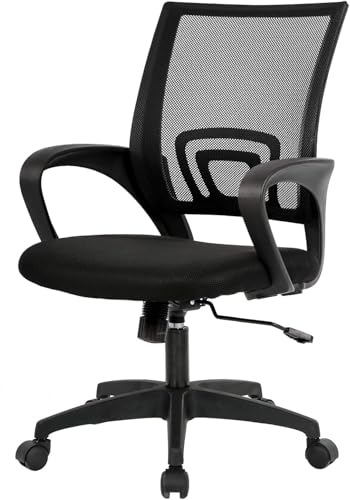
Budget chairs are simple padded seats, basic desk chairs, and smaller recliners with fixed lumbar shaping. They work best for short sits, such as meals, paperwork, or an hour at a computer. Look for a firm cushion that does not bottom out, a seat height that lets your feet rest flat, and a backrest that meets your lower back instead of curving away from it.
The trade off is adjustability: the lumbar support cannot move, so the fit depends on your height matching the chair as built. If the backrest misses your lower back, a small firm cushion behind the belt line can close the gap cheaply.
Premium and Executive Models
Premium chairs add powered recline, lift assistance, denser foam, and wider seats with stronger frames. For someone who rises many times a day, a lift function can be the feature that makes a chair usable, since it raises you toward standing instead of forcing you to haul yourself up by the arms.
Check the weight capacity, the backup battery that lowers the chair during a power cut, and whether the warranty covers the lift mechanism separately from the upholstery.
Ergonomic Models
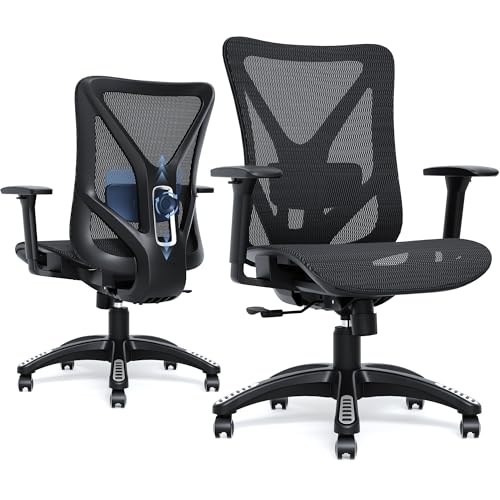
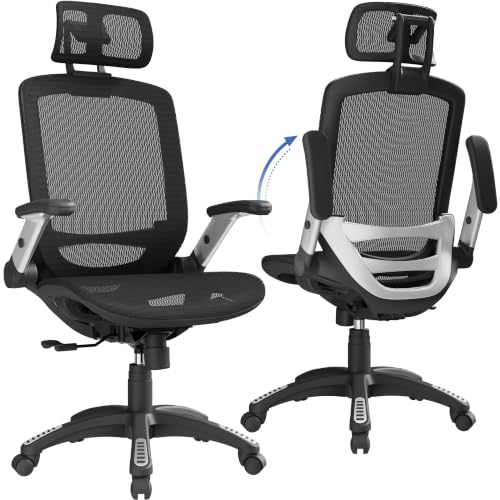
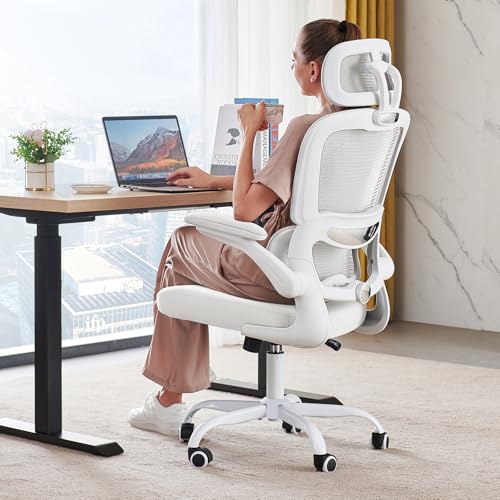
Ergonomic desk chairs give you the most control over posture: seat height, seat depth, lumbar height and firmness, armrest position, and a tilt lock that holds a slight recline. That control matters for spinal stenosis because a small change in seat angle can shift pressure off the lower back. A chair that lets you sit a touch higher, with hips slightly above knees, often feels easier to leave after an hour.
Mesh backs breathe well and hold their shape, while padded ergonomic seats feel warmer and softer. Either way, the lumbar support should be adjustable, since fixed curves rarely land where your back needs them.
Compact and Space Saving Models
Compact chairs have narrower frames, shorter backs, and sometimes folding or armless designs for small rooms. They suit apartments and spare rooms where a full recliner would block the walkway. The limit is cushion size: a shorter seat pan can press behind the knees of a tall user, and slim padding compresses sooner under daily use.
Measure the doorway and floor space before ordering, and leave room behind the chair if it reclines. A compact lift chair exists, but its seat is usually narrower, so check the inside width between the arms against your hips.
Budget Models vs Premium and Executive Models: Which Should You Choose?
The real gap between the two groups is help with standing and control over fit. A budget chair is a static object you adapt to; a premium chair adapts to you with motors and adjustments. If you sit for under an hour at a time and stand without help, a firm budget chair covers the need, while a premium lift and recline earn their price when standing up has become a two attempt effort. Mid priced ergonomic chairs sit between the two: no motor, but real control over lumbar height and seat depth, which often beats a costly recliner that only offers two positions.
How to Choose the Right Chair
Comfort and Cushioning
Choose high density foam that feels firm when you first sit and stays supportive after twenty minutes. Very soft cushions let the pelvis sink and roll backward, which rounds the lower back and makes sitting less comfortable. A cushion that keeps the hips level is usually the safer starting point.
Size, Dimensions, and Weight Capacity
Measure your own fit before the room fit. Seat height should let your feet rest flat with knees near a right angle; seat depth should leave about two fingers of space behind the knee; seat width should clear your hips without squeezing. Then check the listed weight capacity and stay comfortably under it, since frames and lift motors wear faster near their limit.
Ergonomics and Adjustability
Prioritize three adjustments: seat height, lumbar support that moves up and down, and a tilt lock that holds a gentle recline rather than a free rocking motion. Adjustable armrests help you push up to standing, and a waterfall front edge, where the cushion curves down at the front, reduces pressure behind the thighs. Change one setting at a time and sit for a day before judging it.
Features That Matter for Spinal Stenosis
Spinal stenosis narrows the space around the nerves, and many people find that a slightly flexed posture, leaning a little forward or reclining with support, feels easier than sitting bolt upright. So favor chairs that hold a gentle recline without sliding you forward, offer a footrest or ottoman option for raising the legs, and make standing easy with firm arms or a lift base. No chair treats the condition or relieves pain in a guaranteed way; a chair only changes posture and pressure. See a doctor promptly if pain keeps worsening, if numbness or weakness spreads, if leg symptoms arrive with bladder or bowel changes, or if sitting tolerance keeps shrinking, because those signs need medical review rather than new furniture.
Break up sitting with short walks, since position changes help more than any single perfect chair.
How to Make Your Chair Last Longer
Tighten the base and arm bolts every few months, because small movements loosen fixings and a wobble strains the frame. Vacuum or wipe upholstery weekly, keep lift chair cords clear of the mechanism, and rotate removable cushions monthly so one side does not compress faster. If a motor starts to slow or click, stop using the lift and call the maker rather than forcing the chair.
Chairs: Your Questions Answered
What features matter most in a chair for spinal stenosis?
Adjustable lumbar support, easy standing, and a seat that holds a gentle recline matter most. Look for seat height you can set so your feet rest flat, firm arms to push against, and a cushion that does not let your pelvis sink backward. Among chairs for spinal stenosis, models you can fine tune beat thicker padding, since posture control changes how the lower back is loaded hour after hour.
How do I choose the right chair size for spinal stenosis?
Start with your own measurements, not the room. Sit on a hard chair and note the height where your feet rest flat with knees near a right angle; that is your target seat height. Check that the seat depth leaves a small gap behind your knees and that the width clears your hips. Then confirm the listed weight capacity sits comfortably above your weight, with extra margin if you use the chair to push up to standing.
Is an expensive chair worth it for spinal stenosis?
It is worth it when the price buys a lift motor or real adjustability that you will use daily. If standing up takes effort or you sit for most of the day, powered help and movable lumbar support justify the cost. If you sit briefly and stand easily, a firm mid priced chair usually covers the need, and the savings can go toward a footrest or cushion that improves your position just as much.
How long should a good chair for spinal stenosis last?
A well built chair should last about five to eight years of daily use. Foam is the first part to tire, often softening noticeably after three to four years, while frames and lift motors last longer when bolts stay tight and the weight limit is respected. Replace or re pad a cushion that leaves you sitting in a hollow, because worn foam quietly undoes the posture the chair was chosen to support.
What features matter most for long hours of sitting with spinal stenosis?
For long hours, choose movable lumbar support, a tilt lock that holds a slight recline, and breathable upholstery that does not build heat. A seat depth adjustment helps if you share the chair. Pair the chair with a timer habit: stand and walk briefly every thirty to forty five minutes, because no cushion removes the strain of one fixed position. Breathable mesh backs suit warm rooms, while padded seats suit readers who stay in one spot.
Wrapping Up
Match the type to your day: ergonomic chairs for desk control, recliners for raised leg rest, lift chairs when standing is the hard part, and firm budget seats for short sits. Judge any best chairs for spinal stenosis candidate by lumbar adjustability, seat fit, and how easily you can leave it. Compare your shortlist against the product table above, and talk with your clinician about which sitting positions suit your own symptoms before you buy.