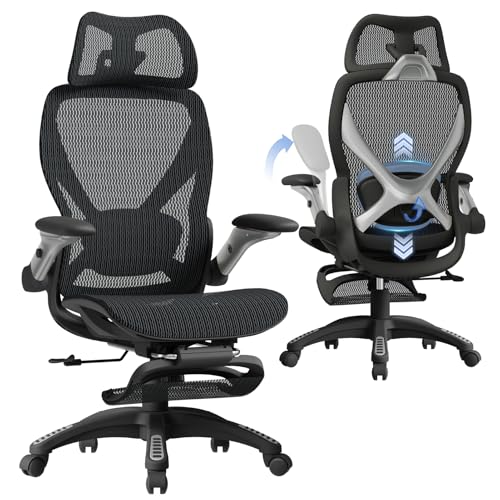
Best Chairs for Posture at Home of 2026: Complete Buying Guide
Disclosure: We may earn a commission when you buy through links on this page, at no extra cost to you. As an Amazon Associate I earn from qualifying purchases. Learn more
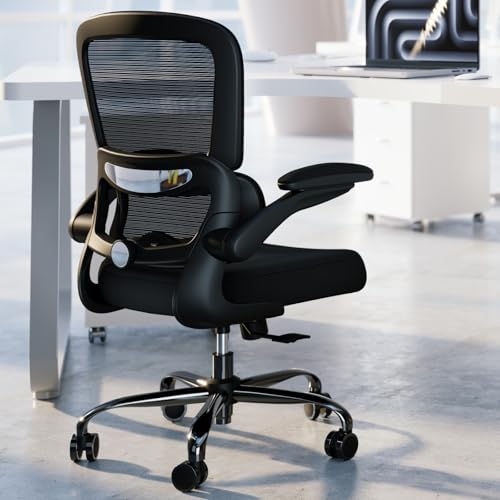
Compare the best chairs for posture at home by lumbar support, seat depth, armrests and sizing, whether you work at a desk or a kitchen table.
Sitting at a kitchen table or a spare room desk for hours can leave your back stiff, your shoulders tense, and your legs restless by midday. A chair built for posture gives your spine steady support, keeps your hips and knees at comfortable angles, and lets you adjust the fit as your body and your work change through the day. This guide explains how to choose best chairs for posture at home without guessing, starting with the comparison table below.
You will learn which adjustments actually matter, how to size a chair to your body and your room, and which materials suit the way you sit, so you can match a chair to your desk height, your floor space, and your seated hours.
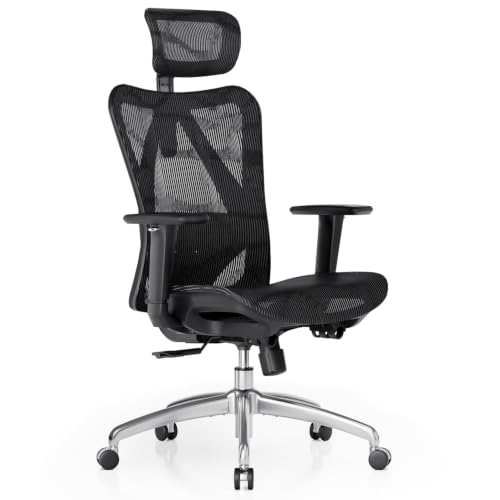
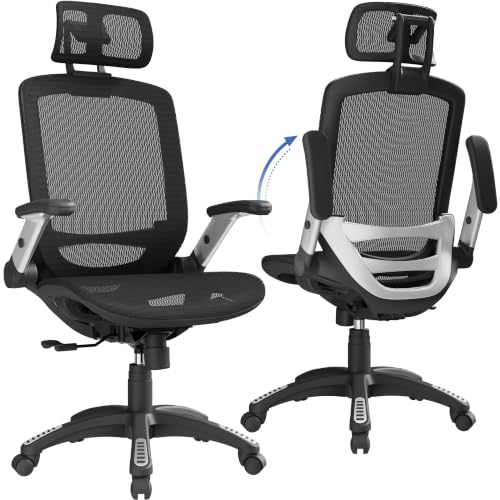

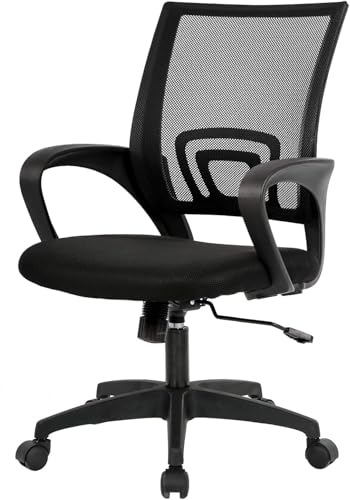
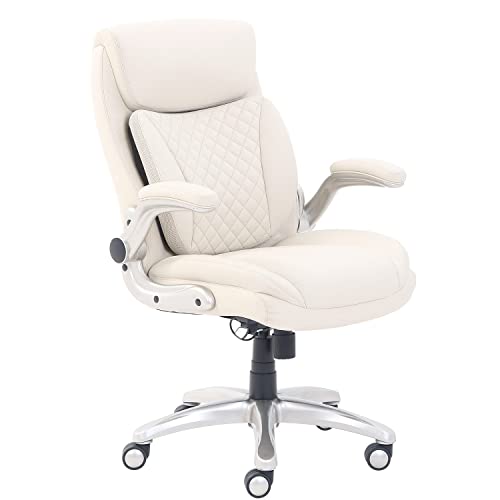

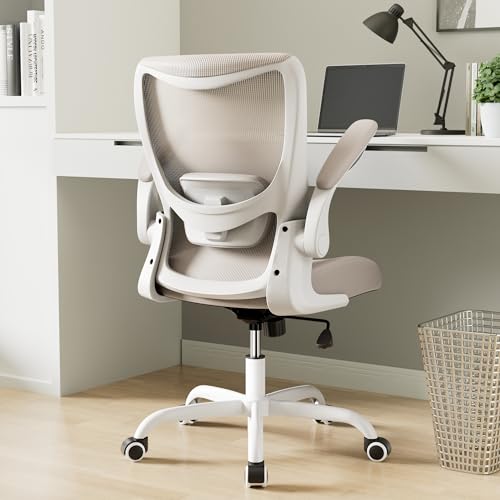

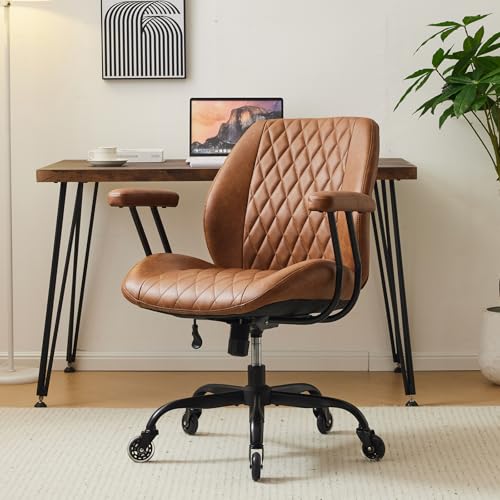
How to Prioritize Features When You Shop
Start with the fit problems you feel most often, because a chair that solves your main problem is worth more than a long list of extras. If your lower back aches, put lumbar support first. If your shoulders creep upward, put adjustable armrests first. If your legs go numb, look closely at seat depth and the front edge shape.
Next, set a realistic budget based on hours of use. Someone seated for two hours of evening study can do well with simpler budget models, while someone working a full day at home benefits from stronger frames, denser foam, and more adjustment range. Spending more only helps when the extra money buys a better fit or parts that last longer.
Finally, check the details that are easy to miss in a listing. Read the stated weight capacity, the seat height range, and the return terms before you order. A generous return window matters because a chair that looks right on paper can still press in the wrong place.
How to Choose a Posture Chair: Buying Guide
The sections below walk through each decision in order, so you can see how the best chairs for posture at home earn that description through fit and support rather than through marketing claims.
Features That Matter for Posture at Home
Posture at home is harder to protect than posture in an office because home setups vary so much. Desks sit at different heights, dining chairs get borrowed for work, and many people shift between a desk, a sofa, and a bed during the day. A good posture chair creates one consistent place where your feet rest flat and your back stays supported.
Look for a seat height range that suits your desk, a backrest that follows the curve of your spine, and a seat pan deep enough to support your thighs without pressing behind your knees. If you share the chair, a wider adjustment range matters even more, because a setting that fits one person can leave the other perched too high or sunk too low.
Ergonomics and Adjustability
An ergonomic chair earns that label through adjustment, not through looks. Seat height should let your feet rest flat with your knees near a right angle. Lumbar support should move up and down or press with adjustable firmness so it meets the small of your back rather than pushing at your waist. A tilt lock lets you fix the backrest at a slight recline for reading or release it so you can rock gently while you think.
Adjustable armrests complete the setup when they rise, lower, and move in or out to sit directly under your elbows. Arms at the right height keep your shoulders relaxed while you type. If you want a narrower comparison focused on one chair style, see our guide to the best posture chair for home for more on fit.
Pay attention to warning signs as you adjust any chair. Pain that shoots down a leg, numbness or tingling in your feet, or back pain that keeps getting worse is not a simple fit problem. Stop experimenting with settings, and talk with your clinician about your personal needs.
Comfort and Cushioning
Cushioning shapes how a chair feels in the first ten minutes and in the fourth hour. High density foam holds its shape under your weight and spreads pressure across a wider area, so you are less likely to feel the hard seat frame by late afternoon. Softer, thinner foam can feel plush at first yet compress quickly.
The front edge of the seat matters as much as the foam itself. A rounded, sloping front edge reduces pressure behind your thighs and helps blood flow to your lower legs during long sessions. If you often cross your legs, a wider and flatter seat pan will feel more natural than a deeply contoured one.
Build Quality and Frame
The frame and base decide how stable the chair feels when you lean, turn, or roll across the floor. Steel frames and metal bases tend to flex less than all plastic builds, and a class 4 gas lift is the stronger standard on chairs made for daily adult use. Casters should roll smoothly on your floor type, with softer wheels suited to wood and tile.
Check how the backrest joins the seat, because that joint takes stress every time you recline. Solid brackets and a stated warranty on the frame and lift give you a fair sense of how the maker expects the chair to age. The product table above lists frame details side by side, which makes these differences easier to spot.
Size, Dimensions, and Weight Capacity
Measure before you buy, starting with your desk. Note the height from the floor to the underside of the desk, then compare it with the chair at its lowest armrest setting so the chair can slide in without scraping. Measure the space behind the desk as well, since a reclining backrest needs room.
Match the chair to your body, too. Your weight should sit comfortably inside the stated weight capacity with room to spare, and the seat width should leave a small gap on each side of your hips. Taller readers need extra seat depth and a higher backrest, while shorter readers often need a footrest.
Materials and Upholstery
A mesh back lets air move across your back, which helps in warm rooms and during long summer workdays. Mesh also flexes with your spine, though the feel is firmer than fabric. Fabric upholstery feels soft and grips clothing slightly, but it holds heat and stains more easily than smooth surfaces.
PU leather and similar smooth covers wipe clean with a damp cloth, a real plus in homes with kids or pets, yet they can feel warm against the legs in hot weather. Solid wood and metal parts generally outlast thin plastic shells. Choose the material that fits your climate and your cleaning habits.
Warranty and Return Policy
Warranties for posture chairs usually cover parts separately, with the frame and gas lift covered longer than foam and fabric. Read which parts are included and how claims start, since lifts and casters are the pieces most likely to wear out first.
Return terms deserve the same care. Some sellers give you a few weeks to live with the chair, while others charge return shipping that can be steep for a bulky item. Keep the box until you have sat through several full workdays, since poor fit often shows up on day three.
Types of Posture Chairs for Home Use
Budget Models
Budget models usually offer a fixed or simply adjustable back, basic lumbar shaping built into the foam, and a limited seat height range. They suit guest rooms, homework corners, and lighter daily use where cost matters most. If your household needs seating for study as well as work, see our guide to the best chairs for students at home for ideas matched to shorter sessions.
Compact and Space Saving Models
Compact space saving models use narrower backs, arms that lift up, and bases with a smaller footprint so the chair can tuck under a desk in a bedroom or a small apartment. You give up some cushion thickness and adjustment range, but you gain floor space you can actually walk through. Measure the tucked footprint, not just the seat width, before you commit to one.
Ergonomic Models
Ergonomic models are the core of this category, with separate controls for seat height, lumbar support, armrest position, and backrest angle. They suit people who work at home most days and need the chair to adapt as tasks change from typing to calls to reading. Readers comparing full work setups may also enjoy our guide to the best at home office chairs, which looks at desks and chairs together.
Premium and Executive Models
Premium and executive models add thicker cushioning, larger seats, finer upholstery, and stronger frames rated for longer daily use. They can suit taller or heavier users who find standard seats too small. The higher price only pays off if the larger dimensions and added adjustments match your body, so compare measurements rather than labels.
Setup and Care Tips for Your Posture Chair
- Adjust the seat height so your feet rest flat on the floor, since dangling feet pull your hips forward and strain your lower back.
- Set the lumbar support to meet the small of your back, because support placed too high or too low encourages slouching.
- Tighten the base and armrest bolts every few months, as daily rolling and leaning slowly work fixings loose.
- Vacuum fabric and mesh weekly and wipe smooth covers with a damp cloth, so grit does not wear the surface.
- Keep leather and PU covers out of direct sunlight, because steady heat and light can dry the surface and cause cracking.
- Roll the chair on a mat over soft carpet or delicate floors, which protects both the casters and the floor.
Assembly is usually simple, but two habits help. Build the chair on a soft surface so parts do not scratch, and leave the bolts slightly loose until every part is aligned, then tighten them in turn. Once built, run through every adjustment before you move it to your desk.
If back discomfort is your main reason for shopping, treat the chair as one part of a wider plan that includes breaks, screen height, and movement. For a closer look at seating chosen around pain relief, see our guide to the best chairs for back pain at home and discuss any ongoing pain with a clinician.
Frequently Asked Questions
What features matter most in chairs for posture at home?
Adjustable lumbar support, seat height, and seat depth matter most in chairs for posture at home. Together they set the angles of your spine, hips, and knees, which shape your posture more than padding alone. One extra point to check is the backrest height. It should reach at least to your shoulder blades so your upper back gets support when you lean back between tasks.
What features matter most in a posture chair for long hours at home?
A posture chair for long hours at home needs firm cushioning, a breathable back, and a tilt you can lock at a slight recline. These features spread pressure and let you shift position without losing support. Also plan short standing breaks into your routine, because even the best seat cannot offset a full day without movement, and a timer on your phone makes the habit easier to keep.
How do I choose the right size posture chair for home use?
Choose the right size posture chair for home use by matching seat depth, seat width, and height range to your body measurements. Leave about two to three finger widths between the seat edge and the back of your knees. If two adults of very different heights will share the chair, favor the model with the widest height range and keep a small footrest nearby for the shorter user.
How long should a good posture chair for home use last?
A good posture chair for home use should last about five to ten years with daily use, depending on build quality and care. The gas lift and casters usually wear first, while a metal frame can outlast several sets of wheels. You can extend that span by replacing worn casters promptly, since dragging wheels twist the base and stress the frame joints each time you move.
Is an expensive posture chair for home use worth the money?
An expensive posture chair for home use is worth the money when its extra cost buys adjustments and dimensions that fit your body better. Stronger lifts, denser foam, and longer parts coverage also add value for heavy daily use. It is not worth paying more for looks alone, so compare the product table above and spend first on fit, then on finish.
Final Thoughts
The right chair comes down to three checks: the seat and back fit your body, the lumbar support and armrests adjust to your desk, and the frame and capacity suit your daily hours. Use the product table above to compare those points side by side before price tempts you either way. When you choose carefully, best chairs for posture at home shopping becomes a calm decision that supports your work and study for years.