
Best Chairs for Pea Gravel in 2026: Which One Fits the Way You Use It?
Disclosure: We may earn a commission when you buy through links on this page, at no extra cost to you. As an Amazon Associate I earn from qualifying purchases. Learn more
Compare chairs for pea gravel by foot width, frame strength and seat height, with types, setup steps and care tips for patios, gardens and fire pit areas.
Pea gravel looks soft and neat, but it shifts under narrow chair legs and lets one foot sink while the others stay put. The best chairs for pea gravel spread your weight over a wide base, stay steady when you sit and stand, and handle dust and rain outdoors. Use the comparison table below to check foot shape, seat height and frame strength first.
Your main use should guide the rest. A chair for long dinners needs a different seat and back than a light chair you move around a fire pit.
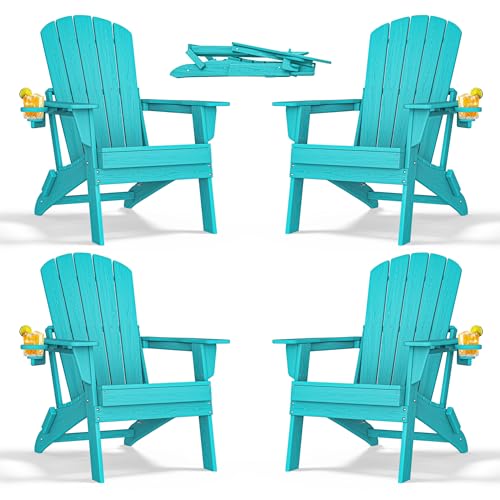
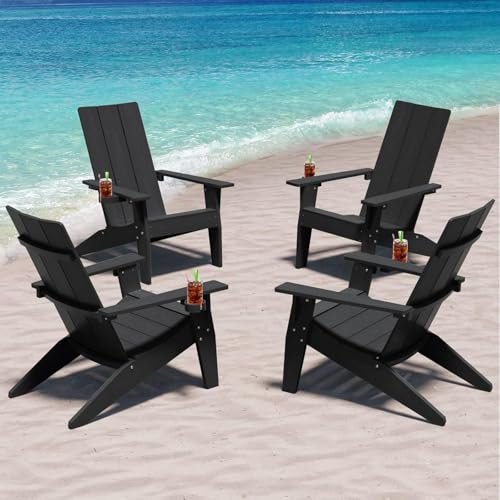


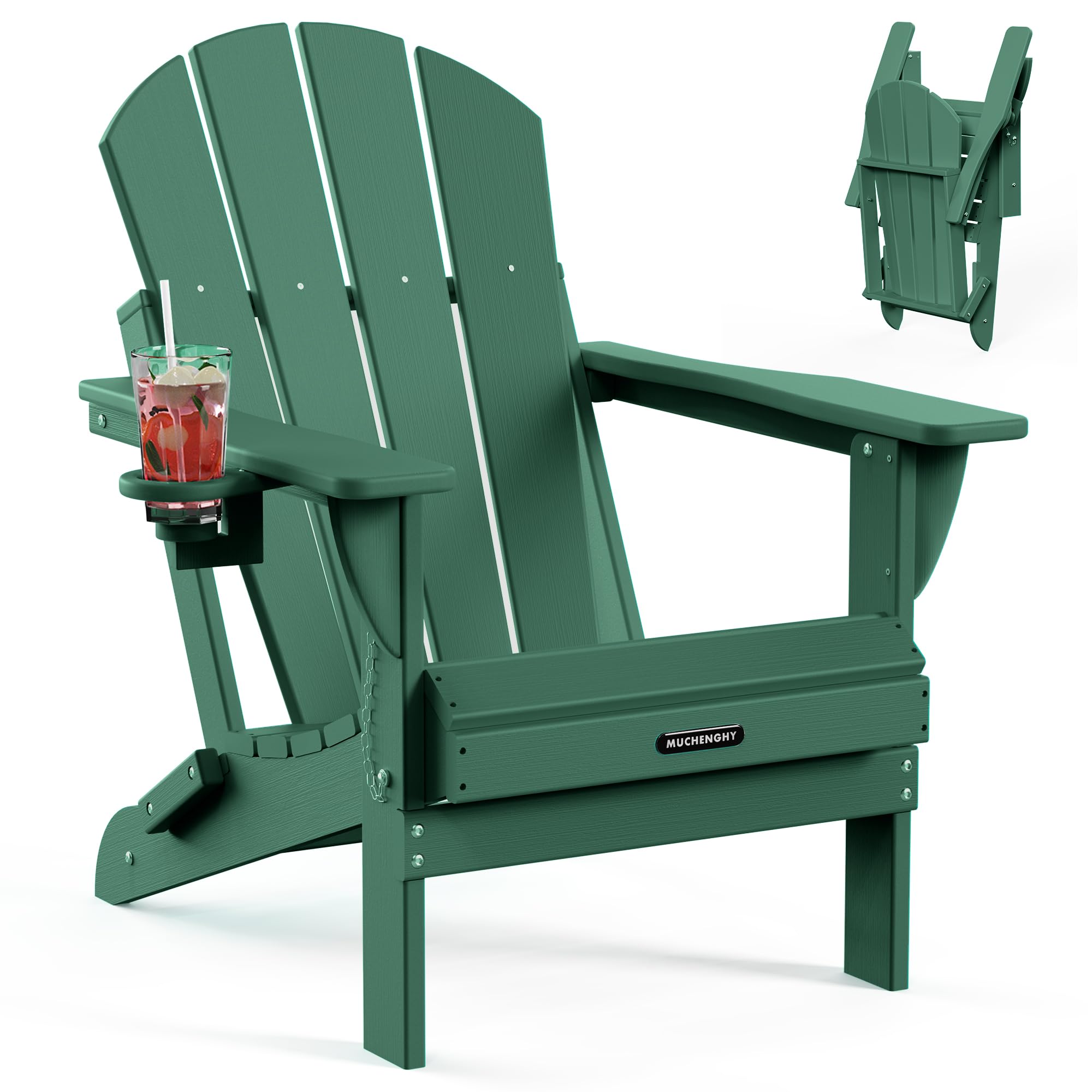
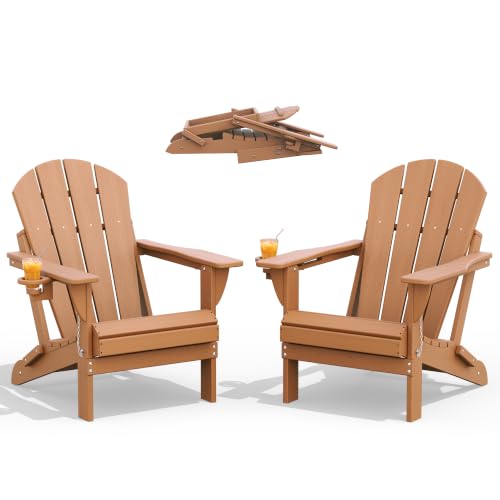
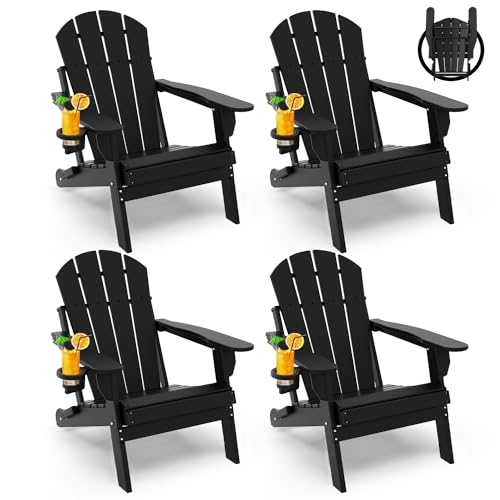
Who Should Buy Which Chairs for Pea Gravel?
Start with where the chair will sit most days and how long you stay in it. The right base and seat height matter more on loose stone than any cushion or decoration.
Hosts With a Pea Gravel Fire Pit Area
You need chairs guests can move without dragging deep lines through the stone. Choose a sled base or wide flat feet that glide over the surface instead of digging in. A medium weight frame feels steady in a breeze but still lets one person move the chair. Solid arms help guests stand after sitting low near the fire.
Dinner Hosts on a Pea Gravel Patio
You sit upright for a full meal and push back from a table many times in one evening. Choose a straight back, a seat that does not sag and feet that stay level when you shift your weight. Leave room behind each chair to stand without catching a foot in loose stone. Matching chairs with the same foot size are easier to level as a set.
Garden Readers and Long Stay Sitters
You stay seated for an hour or more and change position often. Choose a wider seat, a taller back and arms set at a height that lets your shoulders relax. A slatted seat or outdoor fabric panel stays cooler than a solid seat in sun. Place your usual spot on the most level part of the gravel so small shifts do not slowly tilt the chair.
Key Features to Compare
Compare foot design first, then frame, seat and materials. On gravel, a chair can have a comfortable seat and still fail because the base cannot hold level.
Foot Shape and Base Footprint on Pea Gravel
Foot shape decides whether a chair rests on top of the stone or cuts down through it. Narrow round feet and thin tube ends press your weight into a few small points, so they sink and tilt as stones move aside. Wide flat feet, disc feet and full sled rails spread the load across many stones and stay far more level. Look for foot pads at least as wide as your thumb, with smooth edges that will not catch when you slide the chair.
Frame Strength and Weight Capacity for Chairs on Gravel
Most outdoor chairs for this use hold about 250 to 300 pounds, and stronger frames may hold up to 350 pounds. Count the full load, including a child on a lap or a bag on one arm. Welded joints and cross bars matter more on gravel than indoors, because the surface never gives all four feet equal support. A frame that flexes on a floor will twist more on stone, so choose rigid joints and extra capacity.
Seat Height and Solid Arms for Standing Up on Gravel
A seat height of about 17 to 19 inches suits most adults for dining, while a lower seat of about 14 to 16 inches suits relaxed sitting near a fire. Your feet should rest flat and your knees should bend without pressure behind your thighs. Solid arms give you a firm place to push when you stand, which matters when the base can shift. Avoid very low seats with soft fabric arms if standing is hard, because they give little leverage.
Frame Material and Rust Resistance Outdoors
Steel frames feel solid and often cost less, but a chipped coating can rust where damp dust collects around the feet. Aluminum frames weigh less and resist rust well, which helps if you move chairs often. Resin frames will not rust and rinse clean, though they can feel less rigid under a heavier user. Wood frames can work outdoors when the finish is made for weather, but the feet need wide pads so legs do not sink.
Seat Material, Drainage and Gravel Dust
Slatted seats let rain pass through and dry fast, and they shed the fine dust that rises from dry gravel. Outdoor fabric seats feel softer and can dry well if the weave lets water drain, but thick padding holds moisture and dust inside. Smooth resin seats wipe clean easily after a dusty week. Check the underside too, because trapped dust around joints shortens outdoor life. Build quality cues in our guide to the best quality chairs can help you judge joints and finish.
Chair Types and Setup for Pea Gravel
Sled base chairs are often the steadiest choice because two long rails rest on many stones and resist sinking at any single point. Four leg chairs can work well when each leg ends in a large flat pad. Light folding chairs are handy for guests, but thin feet make them the least steady option on deep stone. Our guide to the best beach chairs is also useful here, because sand raises a similar sinking problem.
Setup starts with the ground. Rake the area level, then press the surface so the top layer sits firm at a depth of about 2 to 3 inches over a compact base. Deeper gravel will shift under any chair. Set each chair down and sit slowly, then reset it if one corner drops.
When you compare the best chairs for pea gravel for a full set, test one chair in place before you buy the rest. Sit, shift and stand several times to see whether the feet hold. For patio layouts, see our guide to the best chairs for gravel patio.
Common Mistakes to Avoid
- Choosing narrow pointed feet for pea gravel makes the chair sink at one corner and spill drinks on the table.
- Buying a very low seat without solid arms makes standing slow and unsteady on a surface that shifts.
- Placing chairs on deep loose gravel without leveling first leaves every chair rocking despite a strong frame.
- Ignoring weight capacity leads to bent joints once the uneven surface loads one leg more than others.
- Leaving padded seats outside through wet weeks traps moisture and gravel dust and shortens the life of the fabric.
Care and Maintenance for Chairs on Pea Gravel
Brush loose dust off the seat and frame every few weeks, and rinse the feet with plain water when mud builds up around the pads. Dry metal feet before you set the chair back down, because damp dust against a coating speeds up rust. Check foot pads each season and replace any pad worn thin or cracked.
Touch up small chips in a painted frame before bare metal stays exposed through a wet season. Tighten loose bolts on folding frames. Store chairs under cover during long wet periods, and fold them only when fully dry.
FAQ
What features matter most in chairs for pea gravel?
Foot width matters most in chairs for pea gravel, followed by frame rigidity and seat height. A useful extra check is the foot pad edge, because rounded edges slide over stones during small adjustments while sharp edges catch and dig. If you shop in person, press one corner hard before you sit, since a base that twists under hand pressure will feel worse under full body weight.
How long should a good chair for pea gravel last?
A good chair for pea gravel should last about five to eight seasons of regular outdoor use. Life often ends at the feet first, where pads wear thin and coatings rub off against stone. Rotating chairs between sunny and shaded spots can slow uneven fading, and moving the set to fresh gravel once a year spreads wear on the pads and the ground.
How do I choose the right size chair for pea gravel?
Choose the right size chair for pea gravel by matching seat height to the table or fire pit and seat width to the largest regular user. Allow about 24 to 30 inches per chair at a table so arms clear the next seat. Also measure the path from storage, because a wide chair that cannot pass a gate will rarely get used.
Do rocking chairs work on pea gravel?
No, rocking chairs do not work well on pea gravel because the rails push stones aside and dig a shallow trench as you move. That trench soon makes the motion uneven and can leave the chair tilted when you stop. If you enjoy gentle motion, place a rocking chair on a flat stone slab or a firm patio section beside the gravel instead.
Can chairs sit directly on pea gravel or do chairs need pads under the feet?
Chairs can sit directly on pea gravel when the feet are wide and the gravel layer is shallow and firm. Flat stone pads under each foot help on deeper gravel, and they make a dining set easier to return to the same level spots after cleaning. Use pads with a rough top surface so feet do not slide when a guest stands up quickly.
Is an expensive chair worth it for pea gravel seating?
An expensive chair is worth it for pea gravel seating only when the extra cost buys wider feet, stronger joints and a better outdoor finish. Price alone tells you little, since a costly chair with thin feet will still sink. Spend first on the base and frame, then on seat comfort, and skip thick cushions you must store indoors after every use.
Final Thoughts
Put foot shape first, frame strength second and seat height third, and most other choices become simple. A chair that stays level on loose stone will feel safer every time you use it. Check those points against the product table above before you order a full set.
When you judge best chairs for pea gravel by how they sit on the surface you already own, you avoid the most common disappointment. Buy one chair, test it in place and then complete the set.

