
Best Chairs for Gravel Patio: 2026 Checklist for Stable Seating
Disclosure: We may earn a commission when you buy through links on this page, at no extra cost to you. As an Amazon Associate I earn from qualifying purchases. Learn more

Compare chairs for a gravel patio by base shape, frame finish, seat height and fabric, with setup, care and sizing guidance for steady outdoor seating.
Gravel looks relaxed and drains well, but it moves under narrow chair legs. One foot sinks, the seat tips, and your guest ends up sitting at an angle. The best chairs for gravel patio solve that problem with bases that spread weight, frames that shrug off grit and rain, and seats that stay comfortable through a long meal. This checklist shows you what to compare in the comparison table below.
Start with how you use the space. Dining on gravel asks for upright seats at table height, while lounging asks for deeper seats you can shift without the legs digging in.

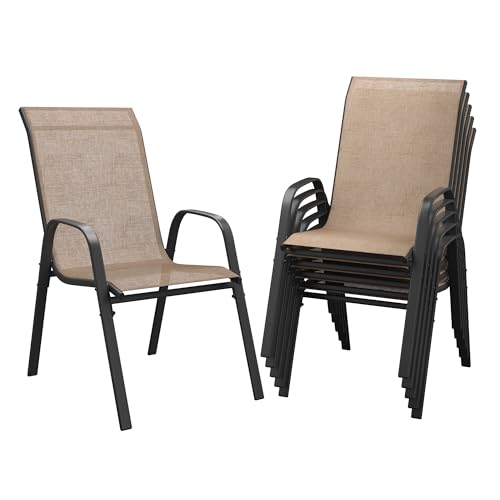
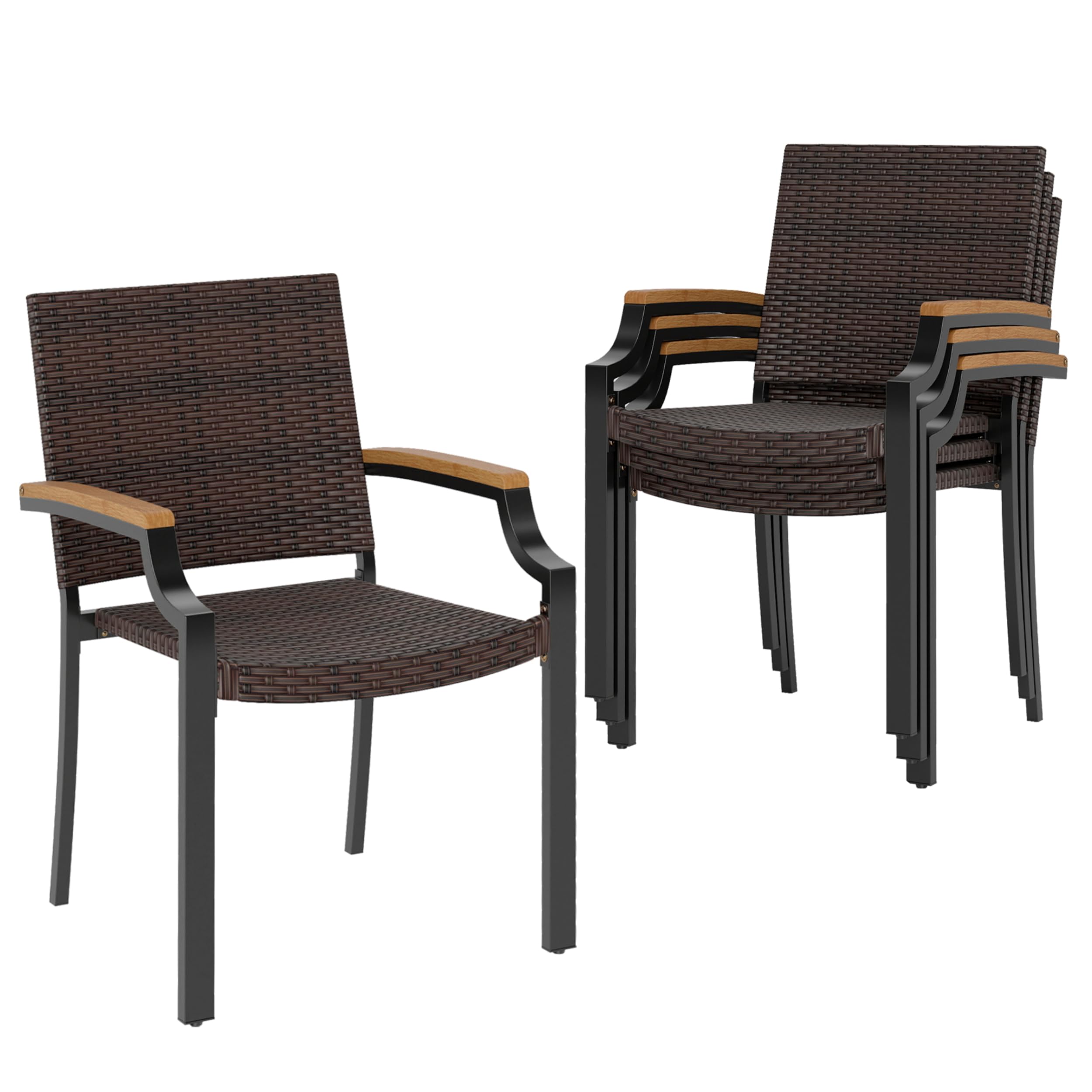
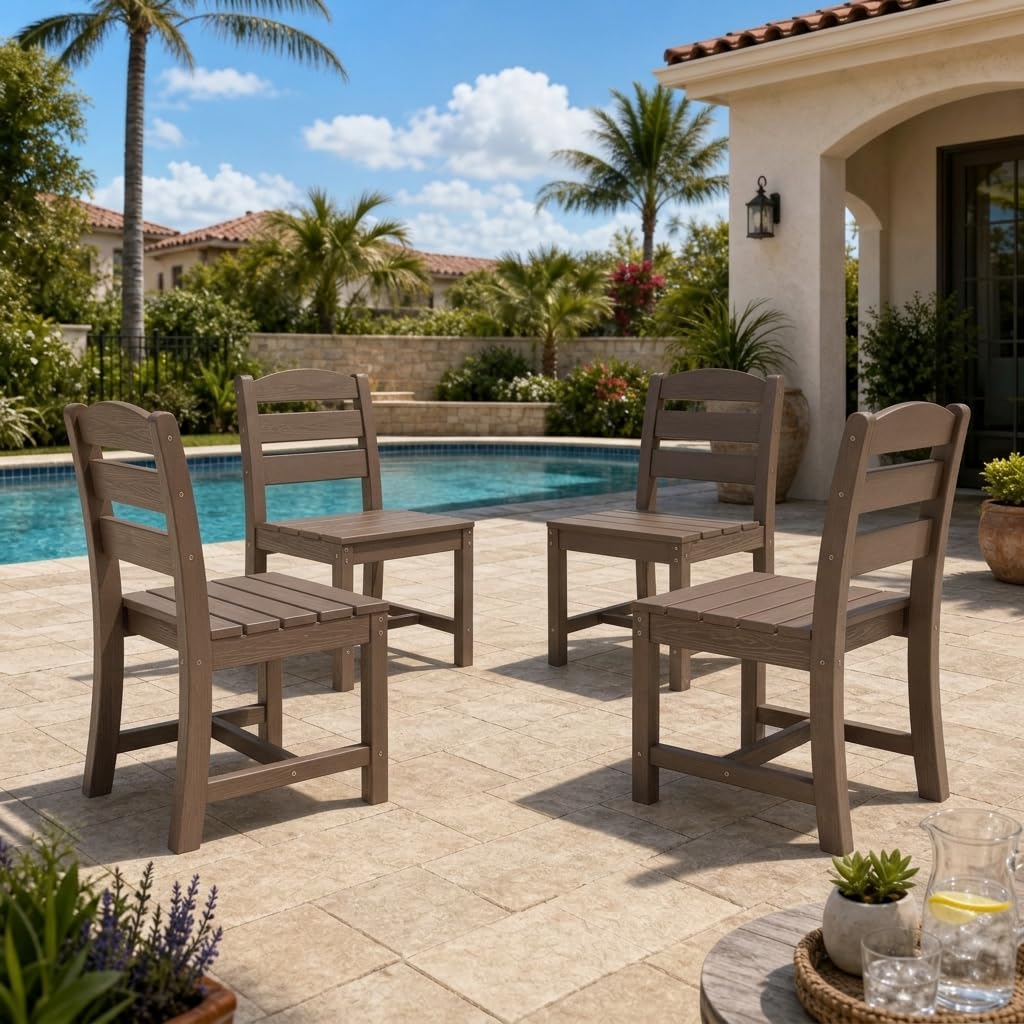


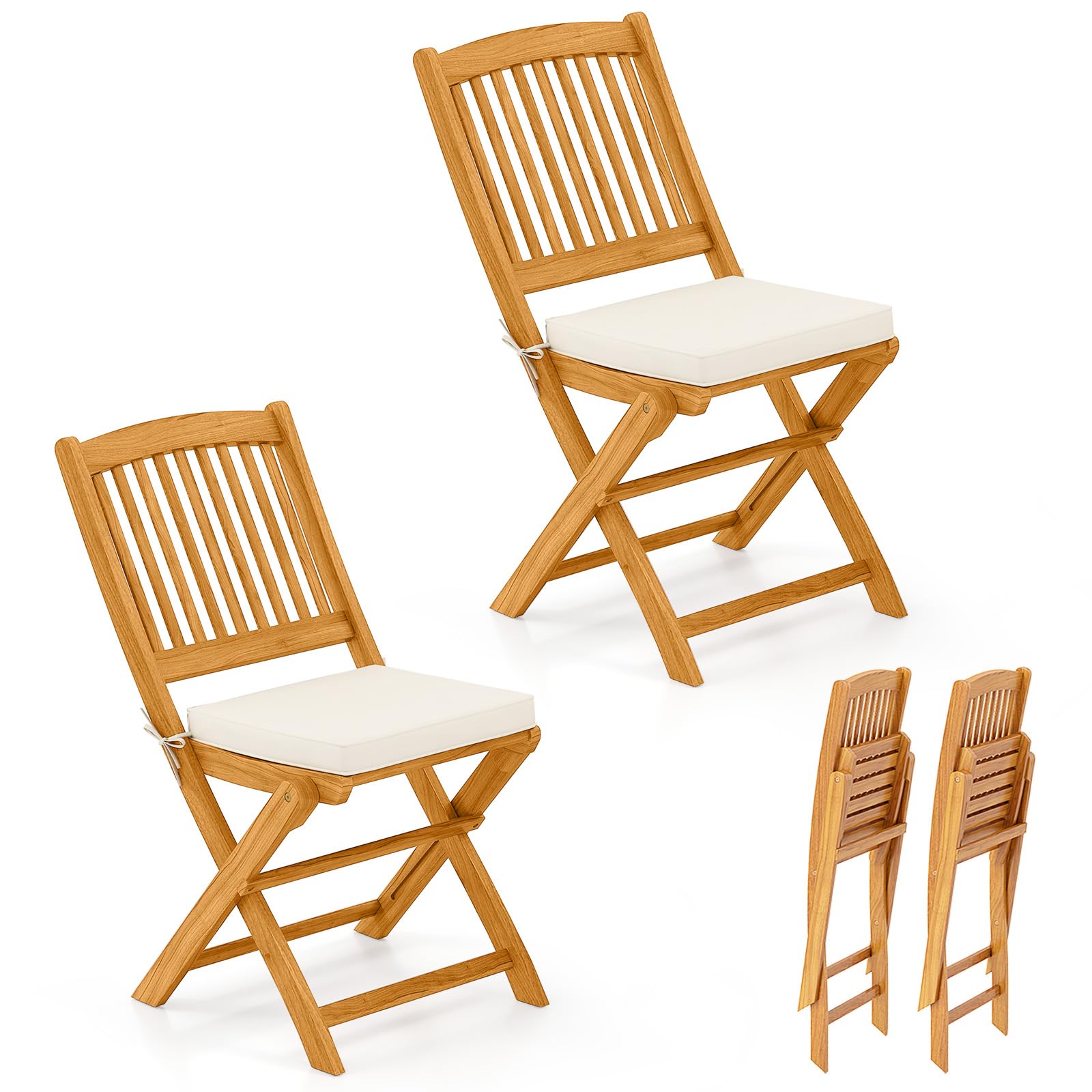


Who Should Buy Which Chairs for a Gravel Patio?
Your group below decides which trade offs matter. A light chair you move daily needs a different base than one that stays out all season.
Hosts Who Serve Meals on Gravel
You need upright chairs that slide up to a table and stay level while guests lean and reach. Choose dining height seats with flat feet or a sled base, firm arms that help guests rise, and enough width to settle without squeezing. Stackable frames help when you clear the patio after dinner.
Readers Who Lounge and Rearrange Often
You move chairs to follow shade or make room for games. Choose lighter frames you can lift clear of the stones instead of dragging, with wide feet that settle again quickly. A slightly reclined back and a deeper seat suit reading and conversation better than a straight dining shape.
Households Welcoming Guests Who Need Firm Support
Some guests feel unsure on loose ground. Choose a seat that is not too low, solid arms to push against, and a frame that feels rigid when weight shifts to one side. Place these chairs on the firmest, most level part of the patio.
Key Features to Compare
Work through these factors in order when you compare the best chairs for gravel patio. The base comes first, because even a well made chair feels wrong when its feet keep sinking into the stones.
Feet and Base Shape That Spread Weight
The base is the single biggest difference on gravel. Narrow pointed legs push stones aside and sink until one corner drops, while wide flat feet, broad glides and sled bases spread your weight across many stones at once. A sled base, where each side rests on a long rail, is the steadiest choice on loose or deep gravel. If you prefer four legs, choose wide feet and check that all four sit flat without rocking.
Frame Materials That Handle Weather and Grit
Gravel is abrasive, and stones kicked against legs will chip weak finishes over time. Powder coated steel feels sturdy and costs less, but chips can expose metal that rusts, so touch up damage early. Aluminum resists rust and weighs less, though it usually costs more. Resin and molded plastic frames shrug off rain and grit entirely, but very light models can feel flexible under heavier guests.
Seat Height and Shape for Dining or Lounging
Match seat height to the job. Dining chairs usually sit about 17 to 19 inches high, which lets your feet rest flat and your arms reach the table without shrugging. Lounge chairs sit lower, about 13 to 16 inches, with a deeper seat and a back that leans you back. A lounge chair at a dining table leaves most people reaching up to their plate.
Chair Weight, Folding and Moving Across Gravel
Dragging a chair across gravel gouges the surface and bends feet, so you will lift these chairs far more than you would on a deck. A chair around 8 to 14 pounds is easy for most adults to carry a short way, while heavier steel pieces stay put in wind but tire you over a long patio. Folding and stackable designs store neatly in a shed.
Cushions and Fabrics That Shed Dust and Rain
Gravel dust settles on every surface, and it shows most on thick cushions with deep seams. Smooth woven fabrics and mesh seats brush clean in seconds and let rain pass through instead of pooling. If you want padding, choose thin cushions with removable covers you can shake out and wash, and store them indoors during wet weeks.
Weight Capacity and Joint Strength
Most patio chairs are rated around 250 to 300 pounds, and reinforced frames may be rated higher. Count the full load on the seat, including a child on a lap or a heavy bag hung on one arm. On gravel the frame also twists slightly as stones shift, so welded joints and cross bracing matter more here than on a flat floor.
How to Set Up and Level Chairs on Gravel
A few minutes of ground work makes almost any suitable chair feel steadier. Rake the seating area level, then stamp or roll the gravel firm so the surface is compacted rather than loose and deep. Set each chair down, press on the seat, and shuffle it a few inches until all feet settle into the stones without rocking. For a dining set that rarely moves, flat pavers or broad stone slabs under each chair create a stable pad.
Leave enough room around the set. Allow about 24 to 30 inches behind dining chairs so guests can push back and stand safely. If you are still deciding between a full dining layout and flexible seating, see our guide to the best patio dining chairs for table focused layouts and our guide to the best patio table chairs for matching chairs to a specific table.
Questions to Ask Before Ordering for a Gravel Surface
Run through these questions before you order. A chair that answers yes to most of them will behave well on gravel from the first day.
- Do the feet look wide and flat, or does the chair use a sled base, rather than narrow pointed legs?
- Does the frame finish resist rust and chipped coating where stones will strike the legs?
- Is the seat height right for your table, or low and deep enough for lounging?
- Can you lift the chair easily, since dragging across gravel damages feet and surface?
- Will the seat fabric brush clean of dust and dry quickly after rain?
- Is the rated capacity comfortably above the heaviest load the chair will carry?
- Does the frame feel rigid when you push it sideways on a loose surface?
Common Mistakes to Avoid
Most gravel seating problems come from habits that work fine on concrete or decking.
- Buying chairs with narrow pointed legs lets each foot sink at a different depth, so the seat tilts and drinks slide.
- Dragging chairs across the patio gouges the gravel and bends feet and glides out of shape.
- Choosing deep lounge chairs for a dining table leaves guests perched too low to eat comfortably.
- Leaving thick cushions outside through wet weather traps moisture and grows mildew in the seams.
- Ignoring small chips in a coated steel frame lets rust spread under the finish each season.
- Placing chairs on freshly spread loose gravel guarantees rocking until the surface compacts.
Care and Maintenance for Gravel Patio Chairs
Gravel dust is the main enemy, and it is easy to manage. Brush seats and frames down every week or two during dry weather, and rinse with plain water when grit builds up around joints and feet. Check feet and glides each spring, because worn glides expose leg ends that dig in and rust. Tighten bolts on folding frames, and touch up chipped coating before rust takes hold.
Store cushions indoors when rain is forecast for several days, and let mesh or slatted seats air dry in place after a wash. In winter, chairs stored under cover last longer. Never store a chair folded while it is still damp, because trapped moisture marks fabric and speeds corrosion.
Frequently Asked Questions
What features matter most in chairs for a gravel patio?
Base shape matters most, ahead of style or padding. On top of the base advice above, look at how the chair meets your table edge and your path across the patio. If you are comparing general sets as well, see our guide to the best chairs for patio for options beyond gravel.
How do I choose the right chair size for a gravel patio?
Start with the tallest user and the table, not the chair you like most. Seat width of about 20 to 24 inches suits most adults, and wider seats help guests settle without catching the arms. Measure the patio too, since deep lounge chairs eat space fast on a small gravel area.
How long should a good gravel patio chair last?
A well built gravel patio chair should last about five to ten years outdoors with basic care. Frames usually outlast fabrics, so replaceable cushions extend the useful life of the whole chair. Chairs left on damp gravel through winter age fastest at the feet, so raising them onto pavers during storage adds seasons.
Can I leave gravel patio chairs outside all year?
Yes, many gravel patio chairs can stay outside all year if the frame resists rust and the seat drains freely. The exception is upholstered or thickly padded seating, which should come under cover in wet months. After storms, reset any chair that has shifted, because a chair left tilted in softened gravel slowly bends its feet out of line. For broader year round options, see our guide to the best outdoor patio chairs.
Is an expensive gravel patio chair worth the extra cost?
An expensive gravel patio chair is worth it when the money buys a better base and finish, not decoration. Higher prices often bring welded aluminum frames and thicker coatings, which pay off on abrasive gravel. If a costly chair still stands on narrow legs, it will sink like a cheap one, so judge the feet first and the badge last.
The Bottom Line
On gravel, the base decides everything. Choose wide feet or a sled base, a frame finish that tolerates grit and rain, and a seat height matched to dining or lounging. Set the chairs on raked, compacted gravel, and lift rather than drag them.
Compare the best chairs for gravel patio in the product table above against those points, and pick the simplest design that stays level on your stones. Steady seating turns a gravel patio from a compromise into the easiest outdoor surface you own.


