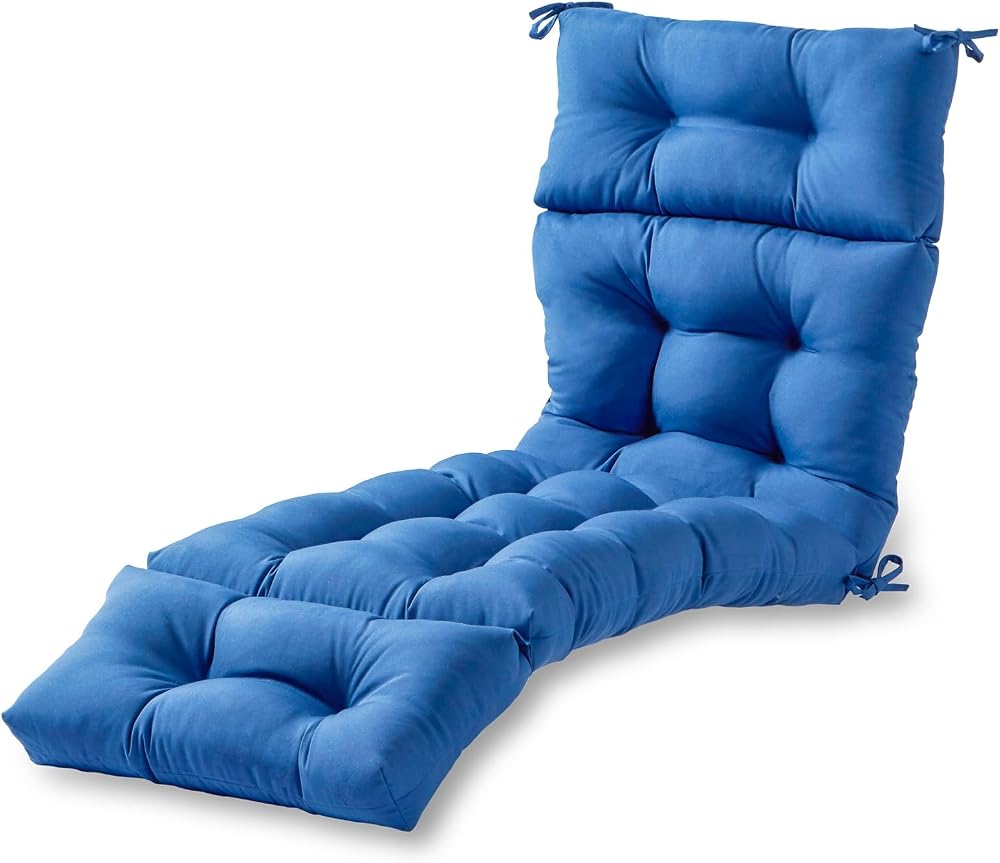
Best Chaise Lounge Cushions in 2026: Matching the Right Cushion to Your Routine
Disclosure: We may earn a commission when you buy through links on this page, at no extra cost to you. As an Amazon Associate I earn from qualifying purchases. Learn more

Chaise lounge cushions matched to your routine: thickness, outdoor fabric, fit and care, plus what each price level buys.
There is no single cushion that suits every lounger, because a cushion that lives beside a pool lives a very different life from one on a shaded porch. The honest way to shop for the best chaise lounge cushions is to start with your routine: how long you recline at a stretch, how much sun and rain the cushion faces, and where it sleeps when the season ends.
The comparison table below puts the main cushion types side by side. After it, this guide matches reader groups to the features that matter for each routine, then covers outdoor fabrics, thickness, fit, and care, so the cushion you buy stays comfortable for many seasons instead of one good summer.
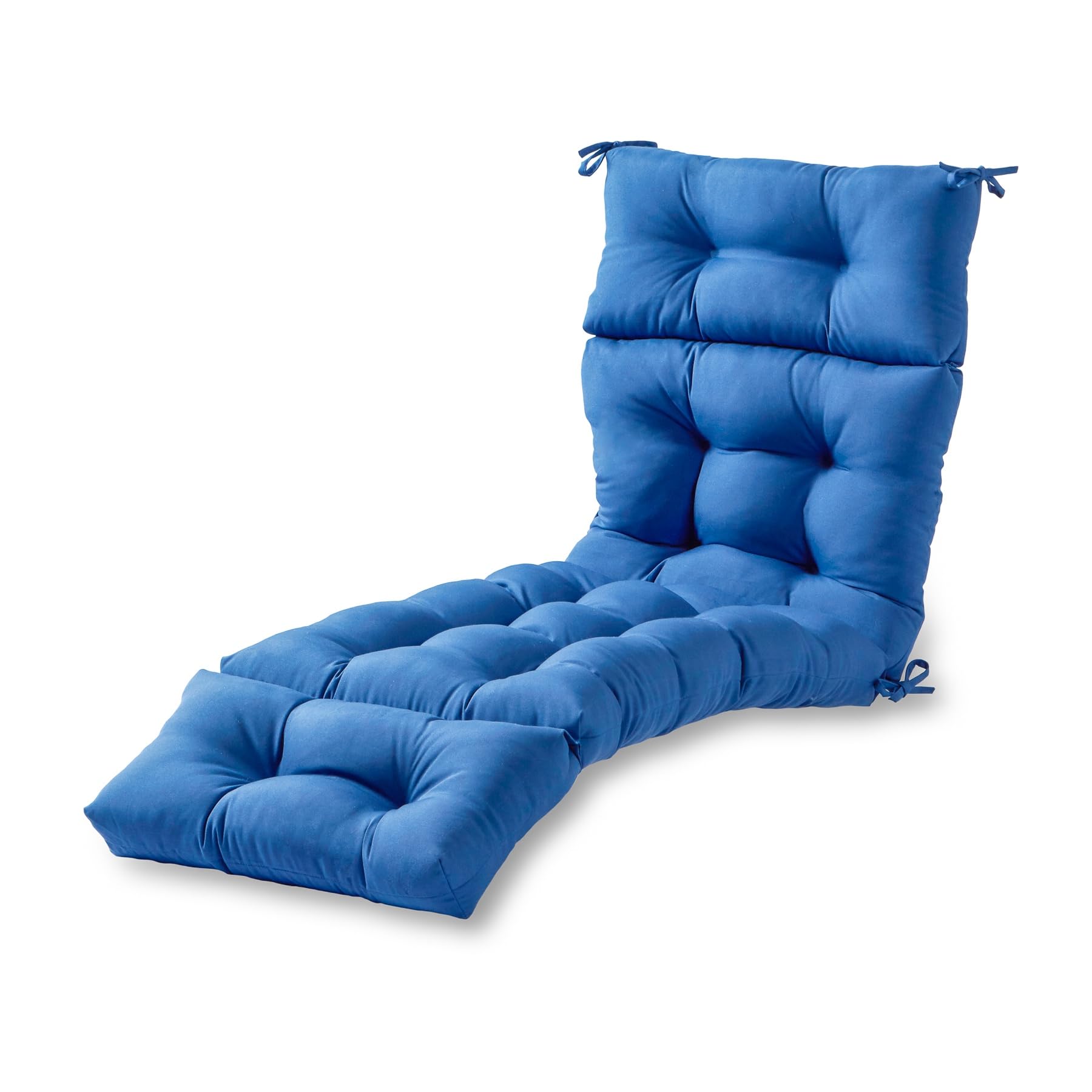


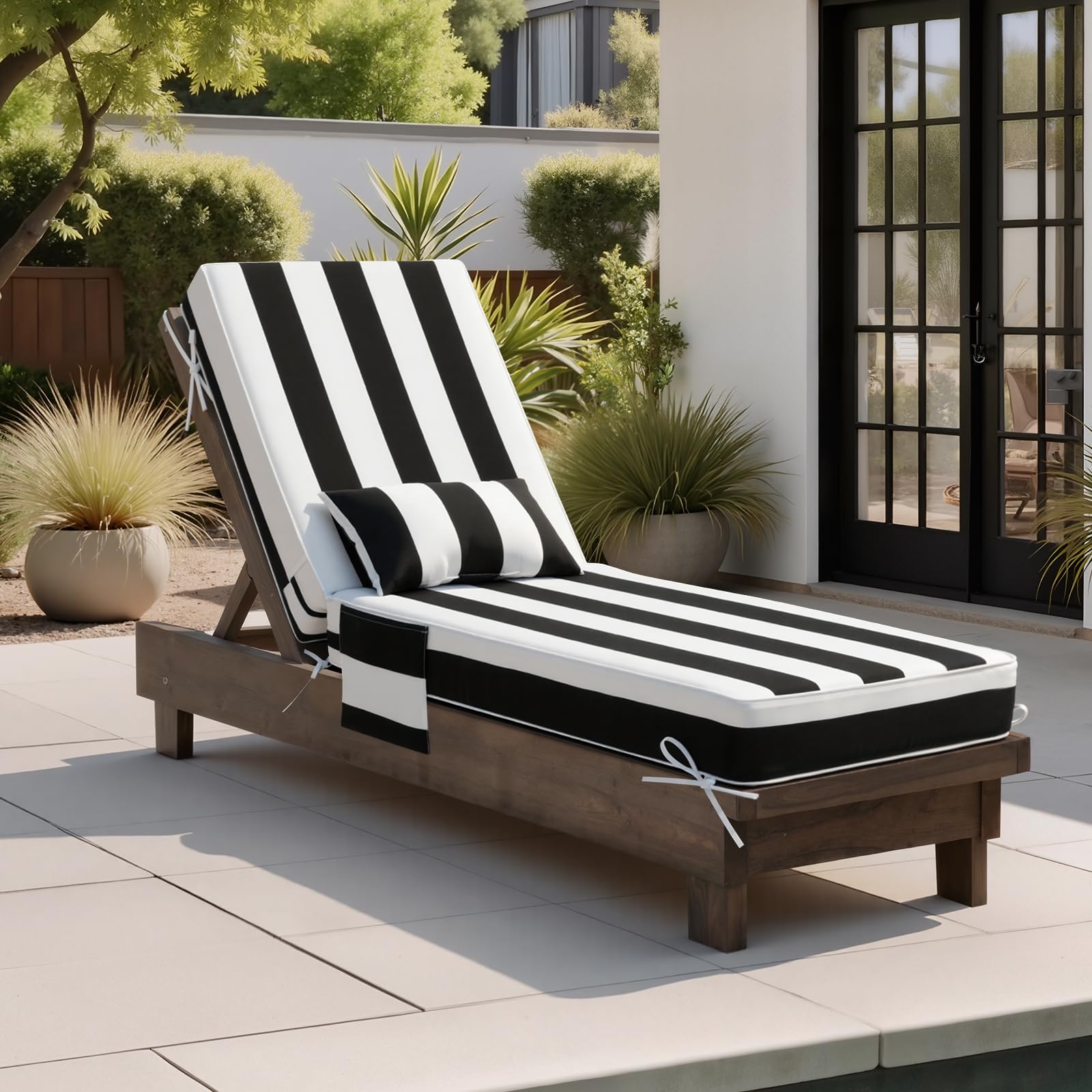


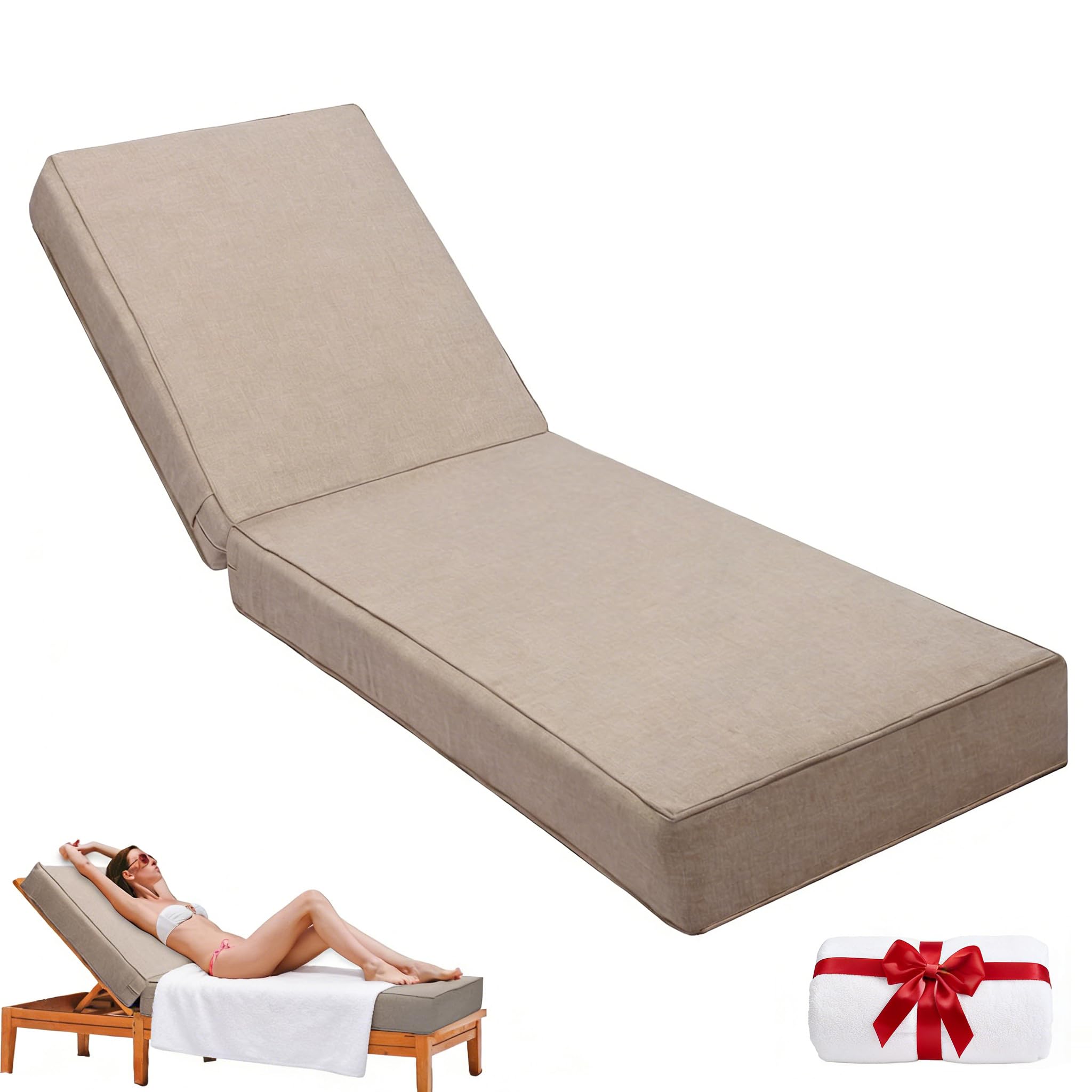
Who Should Buy Which Chaise Lounge Cushions?
Your routine decides which specs deserve your money, and most buyers fall into one of four groups. Readers comparing plain indoor pads as well can browse the broader guide to the best lounge cushions before settling on an outdoor set.
For Value Seekers
Value seekers want a fair balance of price and service life, and that balance sits in the middle of the range at about $80 to $150. At that level you get spun polyester fabric, a foam and fiber fill that holds its shape for a few seasons, and ties at the corners and the hinge. Spend less and the fill flattens fast; spend more and you are paying for fabric life rather than comfort. A removable cover you can wash is worth more here than an extra inch of loft.
For First Time Buyers
First time buyers should keep the choice simple: a standard size cushion, a fabric that tolerates sun, and ties included in the box. Measure your frame before ordering, because a cushion that matches your chaise in length and width feels twice as expensive as one that hangs over the edges. The single piece styles covered in the guide to the best chaise cushions are a forgiving starting point, since there is no hinge line to line up. Start with one cushion, live with it for a few weekends, and only then buy the matching set.
For Gift Shoppers
A cushion makes a generous gift for anyone who just built a deck or patio, and the safe gift is the common size, about 72 inches long and 21 to 24 inches wide, in a neutral solid color. That size fits the widest range of frames, and a solid color survives changing tastes better than a bold print. Choose a seller with a clear return policy, because fit is the one thing you cannot judge from a photo. A gift receipt matters more than a gift box here, since the recipient may need to swap length rather than color.
For People Who Want the Best Performance
Performance buyers recline daily and leave cushions out for long stretches, so they should pay for the fabric and the fill rather than the pattern. A thick quick dry foam core under solution dyed acrylic fabric is the combination that survives daily sun, pool water, and afternoon storms with the least fading and the least sag. Expect about $180 to $350 per cushion at this level. The payoff is measured in seasons: a premium cushion can serve five or more summers while a budget cushion is replaced twice in the same span.
Picking the Right Chaise Lounge Cushions for Different Uses
Best Chaise Lounge Cushions for Outdoor: What to Prioritize
Full outdoor duty is the hardest routine a cushion can face, and the buyers comparing the best outdoor chaise lounge cushions should rank weather traits first. The fabric must resist fading under strong sun, the fill must drain and dry after rain instead of holding water, and the seams must be stitched to shed water rather than wick it inside. Dark colors hide pollen and splash marks between washings, while light colors stay cooler to sit on at midday. If the cushion will live outside all season, those three traits matter more than pattern, piping, or price.
Solution Dyed Acrylic Cushions: What to Prioritize
Solution dyed acrylic is the fabric class serious outdoor buyers ask for by description, because the color is locked into the fiber before the yarn is woven. That means the color runs through the whole thread instead of sitting on the surface, so seasons of sun fade it far more slowly than printed or piece dyed fabrics. It also feels softer and more like indoor cloth than stiff coated polyester. It costs more per cushion, so reserve it for sets that sit in open sun, and clean it with mild soap and water, skipping bleach unless the care label allows it.
Budget Friendly Cushions: What to Prioritize
Value priced cushion lines from large general retailers can be a smart buy for shaded patios and occasional use, as long as your expectations match the price. The usual trade is a thinner fill, often about 2 to 3 inches, and a printed polyester cover that fades sooner in open sun. Check the tie count before you buy, because four ties hold far better than two, and look for a zipper so the cover can come off for washing. For a guest chair or a rental deck, that trade is sensible; for your daily lounger, it wears thin fast.
Key Features to Compare
Thickness and Support
Thickness is the first number to read, stated plainly: a thickness of about 3 to 5 inches governs how comfortable a cushion feels over a long recline. Under about 3 inches, most adults feel the frame bars through the fill within the hour, while around 4 inches is the sweet spot for daily use, firm enough to support your back and soft enough for an afternoon read. At 5 inches the cushion feels plush, but check that your frame can still fold or stack with it fitted. Density matters alongside thickness, because a firm 3 inch foam pad can outlast a lofty 5 inch fiber pad that packs down by midsummer.
Fabric, Sun, and Rain
The fabric governs how a cushion handles sun and water, and it is the second decision after thickness. Solution dyed acrylic leads on fade resistance and feel, while olefin costs less, shrugs off moisture, and dries fast, though it feels a little rougher and can pill. Spun polyester is the budget standard: pleasant at first, but its color and water resistant coating wear after a season or two of hard sun. Whatever you choose, a cover that unzips for washing extends the life of the whole cushion, because grit left in the seams grinds the fibers every time you sit down.
Fill and How Fast It Dries
Fill decides how the cushion behaves after a storm. Reticulated foam has open pores that let water run straight through, so a poolside cushion can be sat on again within the hour. Solid foam wrapped in fiber feels firmer and more supportive, but it dries slowly if water reaches the core through the seams. Loose fiberfill is the lightest and cheapest option, fine for covered porches, though it clumps over time and needs regular fluffing to keep its shape, so match the fill to your weather first and your budget second.
Fit, Hinges, and Ties
Fit is where most returns are born, so measure your frame before you fall for a fabric, since most full length chaise cushions run about 72 to 80 inches long and about 21 to 26 inches wide and should sit inside the frame rails rather than spill over them. The hinge, the bend where the backrest meets the seat, must fall at the same point on the cushion as it does on your frame, or the back section will bunch when you recline. Ties and the hinge line govern how the cushion folds and stays put, so look for ties at the hinge and at both ends. Owners of recycled plastic frames will find frame specific sizing notes alongside the best cushions for polywood chaise lounge, since those wide flat rails suit a slightly different tie layout.
Common Mistakes to Avoid When Buying Chaise Lounge Cushions
- Measuring only the total length, because a hinge point in the wrong place makes the back section bunch and slide every time you recline.
- Leaving cushions outside through weeks of rain, because even quick dry fill mildews when it never gets a full dry day.
- Choosing fabric by color alone, because a pretty print on a weak fabric fades to a ghost of itself by the end of one sunny season.
- Buying the thickest cushion for a folding frame, because some frames cannot close flat or stack with a 5 inch cushion fitted.
- Skipping ties to save a few dollars, because an untied cushion slides down the backrest a little more every time you sit.
Tips to Get the Most From Your Chaise Lounge Cushion
Flip and rotate your cushions every week or two during the season, so sun and sitting weight spread evenly instead of wearing one patch thin. After heavy rain, stand cushions on edge in the sun until the core feels dry, not just the cover. Rinse off sunscreen and pool water at the end of a pool day, because both break down fabric coatings over time. When the season ends, clean each cushion, let it dry fully, and store it indoors or in a dry deck box; the storage guidance in our guide to the best chaise lounge outdoor setup covers frames as well as cushions.
FAQs
How do I measure my chaise lounge before ordering a cushion?
Measure the frame, not the old cushion, because old fill compresses and lies about its size. Take the full length from the top of the backrest to the end of the seat, then measure the seat section and the back section separately so you know where the hinge falls. Measure width inside the rails. Write all four numbers down and compare them with the listing, allowing about half an inch of ease so the cushion sits flat instead of bowing.
How do I wash chaise lounge cushions safely?
Most outdoor cushions wash safely with mild soap, warm water, and a soft brush worked along the weave. Rinse until the water runs clear, because soap left in the fabric attracts dirt. If the cover unzips, wash it alone on a gentle cycle and air dry it; heat from a dryer can shrink the cover so it no longer fits the fill. Treat mildew spots early with a diluted vinegar rinse, and always let the core dry fully before the cover goes back on.
How often should I replace a chaise lounge cushion?
Replace a chaise lounge cushion when it no longer springs back, which is about 2 to 3 seasons for budget fiberfill and 5 or more for quality foam under acrylic. A simple test tells you more than the calendar: sit for ten minutes, stand up, and look at the seat. If your shape stays pressed into the fill after a few minutes, the support is gone even if the fabric still looks fine. Covers often outlast fill, so ask whether replacement inserts are sold before you discard the set.
Can chaise lounge cushions stay outside all season?
Yes, cushions built for full outdoor use can stay outside all season, provided the fill drains and the fabric resists sun. What shortens their life is not rain itself but staying wet and dirty for weeks, so stand them on edge after storms and brush off leaves and pollen. In regions with harsh winters, outdoor storage is the real risk: freeze and thaw cycles crack coatings and split seams. A dry deck box or a garage shelf for the off season roughly doubles the service you get from the same cushion.
Why does my chaise lounge cushion keep sliding down?
A cushion slides because the backrest angle turns your weight into a slow downward pull, and smooth fabric on a smooth frame offers little grip. Ties at the hinge stop most of it, since the hinge is where the sliding starts. If your cushion has ties only at the top, add a nonslip mat under the seat section or sew on a second pair of ties at the seat front. Sliding that begins after a year often means the fill has thinned, so the cushion no longer wedges into the frame the way it did when new.
Wrapping Up
Three checks decide almost every good purchase in this category: thickness in the 3 to 5 inch range for real support, a fabric matched to your sun and rain, and a hinge point that lines up with your frame. The product table above collects the current options so you can weigh those points side by side. Matched to your routine that way, the best chaise lounge cushions turn an ordinary lounger into the seat everyone reaches for first.