Best Chaise Lounge Chairs Made Simple: A Clear Buying Guide for 2026
Disclosure: We may earn a commission when you buy through links on this page, at no extra cost to you. As an Amazon Associate I earn from qualifying purchases. Learn more

New to chaise lounge chairs? Learn the basic terms, compare recline, cushion, size, and frame options, and avoid common first time mistakes before you buy.
A chaise lounge chair is a long seat that lets you stretch your legs out fully, unlike a standard chair that ends at the knees, and choosing among the best chaise lounge chairs starts with length, recline, and material. It works well beside a pool, on a patio, or in a sunny room, and it suits readers, nappers, and anyone who likes to recline outdoors. If you are shopping for the first time, the range of lengths, recline settings, and materials can feel confusing.
This guide explains the terms in plain language, compares the choices that affect comfort most, and flags the mistakes new buyers often make. Use the comparison table below to shortlist a style, then check size, frame, and cushion details before you order. Most chaise lounge chairs cost about $80 to $400, depending on material and cushion quality.





Chaise Lounge Chairs 101: The Basics
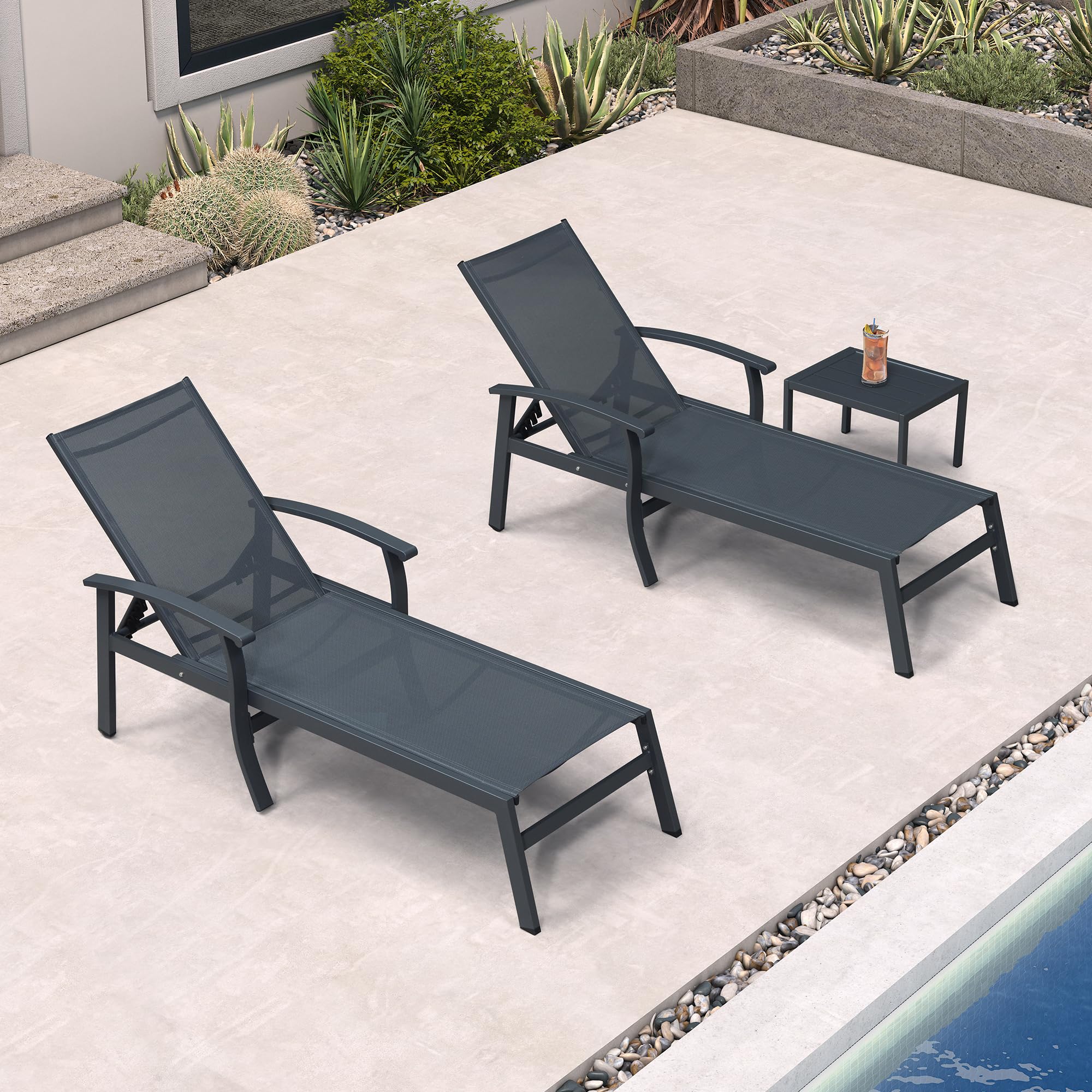
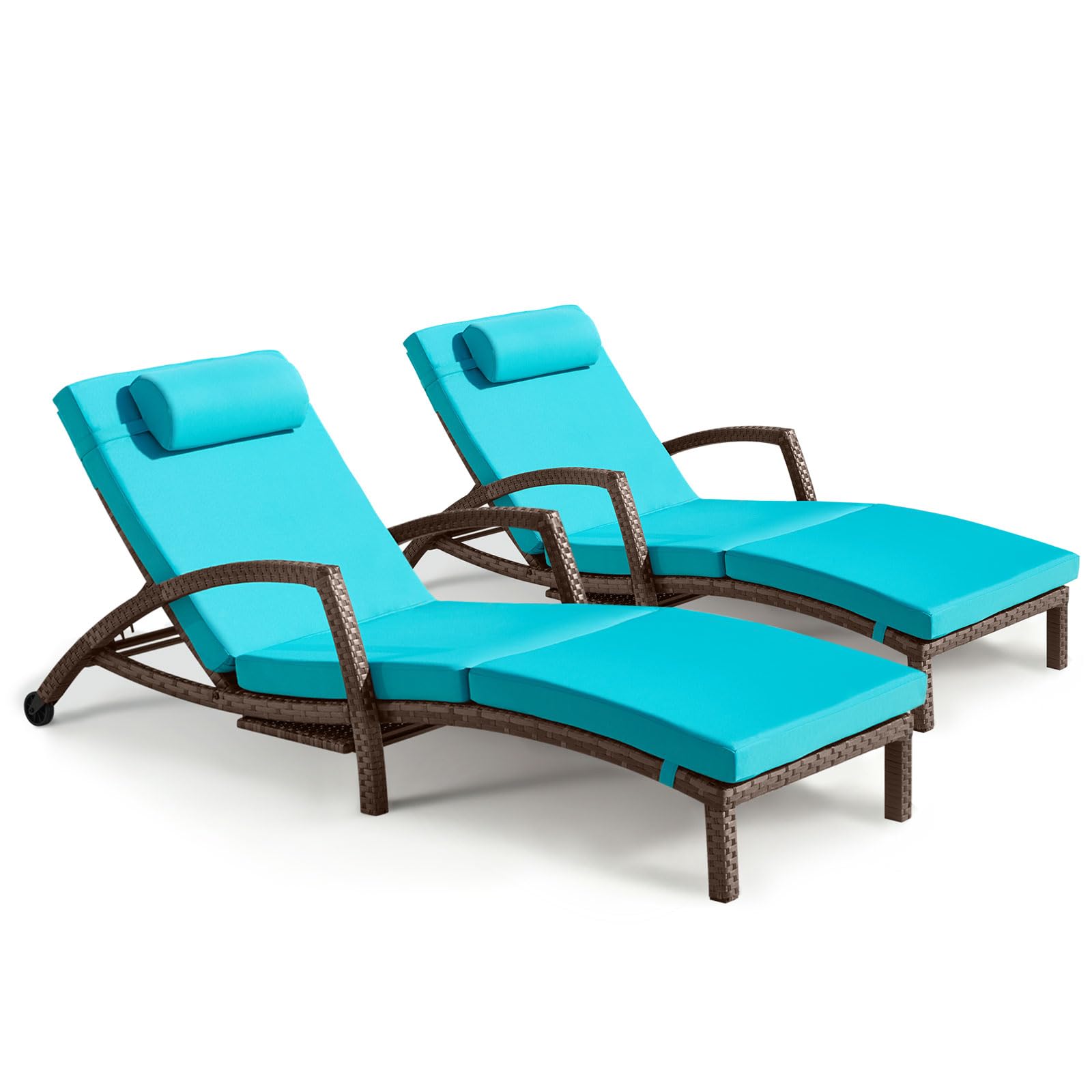
A chaise lounge chair has three parts to understand: the frame, the reclining back, and the seat surface. The frame carries your weight and sets the overall length, the back moves through several recline positions, and the seat surface may be fabric sling, wood slats, or a padded cushion. Some models fold flat for storage, while others stay assembled and need a dedicated spot on the patio.
Recline positions matter more than a long feature list. A chair with four or five locked positions gives you a true upright reading angle and a near flat resting angle, while a chair with only two positions may feel too upright or too flat. Check how the back locks, since a lock that slips can drop you backward when you shift your weight. Wheels help if you move the chair to follow shade, but they should lock firmly on a slope.
Key Specs Explained in Plain English
Ergonomics and Adjustability
Good ergonomics on a chaise means support along the full length of your body, not just the back. The seat should support your thighs without pressing behind your knees, and the back should support your shoulders when reclined. A small lumbar pillow or a rolled towel can fill the lower back gap on a flat sling chair, and adjustable armrests help you sit up to read without straining your shoulders.
Seat height affects how easy the chair is to get in and out of, which matters for older users or anyone with stiff knees. A very low chaise looks sleek but can be hard to rise from, while a higher seat feels more like a normal chair. Test the recline lock at each position, and choose a chair that stays put when you lean back slowly.
Assembly and Delivery
Assembly ranges from unfolding a ready made chair to bolting together a wooden frame with slats and wheels. Check the box size and weight before delivery, especially if the chair must go through a narrow gate or up steps. A chair that arrives in several boxes may need two people for safe handling, and small hardware can be easy to lose on a patio.
Read the assembly time estimate with care, and keep the instructions until you have used the chair a few times. Tighten all bolts after the first week of use, since wood and metal parts can settle. If assembly feels beyond your comfort level, ask a friend to help rather than forcing parts together, which can crack a frame or strip a bolt.
Comfort and Cushioning
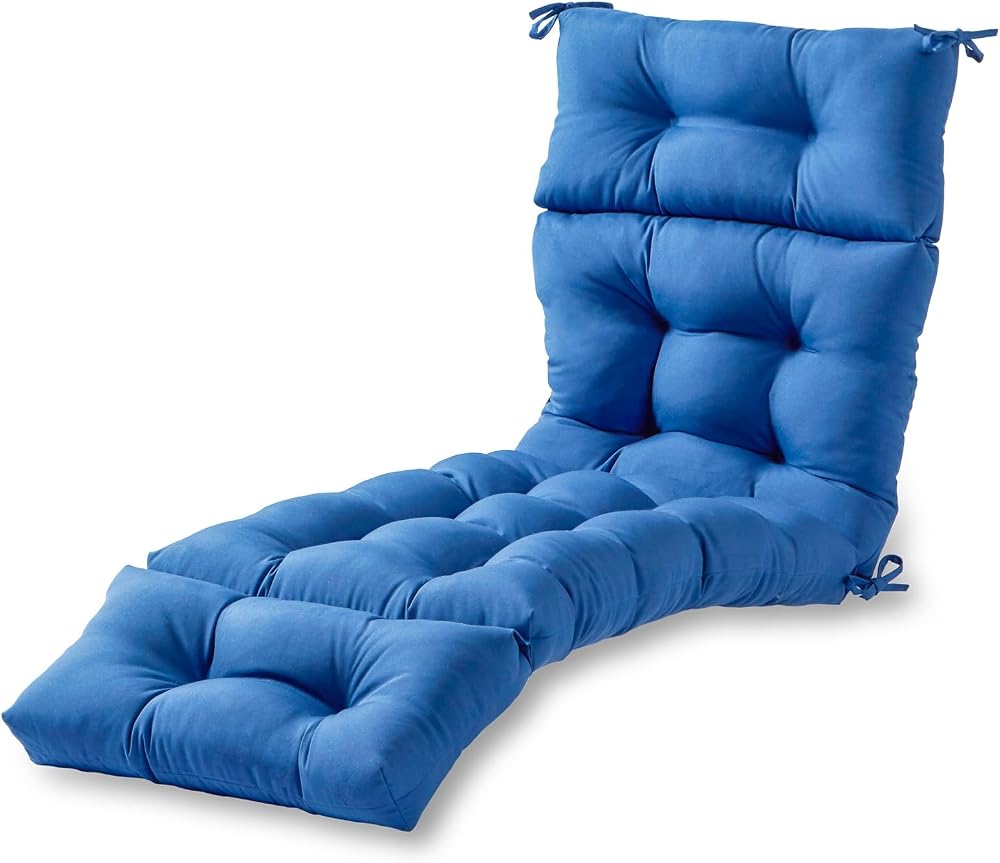
Cushion comfort depends on foam density, thickness, and cover fabric. High density foam, about 2 to 4 inches thick, holds its shape better than thin loose fill, and a removable cover makes washing far easier after outdoor use. Sling fabric without a cushion feels cooler in heat and dries faster after rain, but it offers less padding for long rests.
Think about how long you will lie on the chair at one time. For short sun sessions, a sling or a thin pad may be enough. For reading or napping over an hour, a thicker cushion with a headrest pillow is usually more comfortable. Check that the cushion ties or straps hold it in place, since a sliding cushion is annoying in a breeze.
Size, Dimensions, and Weight Capacity
Measure your space before you buy, and leave room to walk around the chair and to recline it fully. A typical chaise is about 70 to 80 inches long when flat, and about 24 to 30 inches wide, but sizes vary by style. Check the length in both the upright and flat positions, since a chair that fits upright may block a path when reclined.
Weight capacity should exceed your weight by a comfortable margin, and it should account for a cushion, a book, and anything else you keep on the chair. Taller users should check the full length from headrest to foot end, since a short chaise can leave feet hanging. See our guide to the best lounge chairs if you want to compare shorter lounge seating with a full length chaise.
Build Quality and Frame
Frame material shapes weight, weather resistance, and care needs. Teak and other hardwoods look warm and last well outdoors with regular oiling, while aluminum frames are light, resist rust, and move easily. Resin and plastic frames cost less and resist moisture, but they can fade or crack after years in strong sun. Steel frames are strong but need a good coating to resist rust near a pool.
Check joints, welds, and wheel mounts, since those points carry the most stress when you recline or move the chair. A frame that flexes slightly is normal, but creaking, wobbling, or visible cracks are warning signs. See our guide to the best pool chaise lounge chairs for frames and fabrics suited to wet poolside use, and see our guide to the best patio chaise lounge chairs for covered patio options.
Chaise Lounge Chairs for Specific Needs
Best PVC Chaise Lounge Chairs
PVC chaise lounge chairs suit buyers who want a light, moisture resistant chair at a lower price. PVC frames resist rust and pool water, wipe clean easily, and weigh less than wood, which helps if you move chairs often. The trade off is a lower weight capacity on some models and a plainer look than wood or metal, so check the rated capacity and the thickness of the frame tubes.
Choose a PVC model with a sturdy sling or a well secured cushion, and check that the recline lock holds firmly at each angle. PVC can soften or fade in extreme heat, so store it in shade when not in use for long stretches. See our guide to the best indoor chaise lounge chairs if you plan to use a chaise mainly inside, where sun and rain are less of a concern.
Rookie Mistakes to Avoid
- Buying by looks alone, without checking full reclined length against your patio space.
- Ignoring weight capacity, then finding the frame flexes or the recline lock slips.
- Choosing a cushion that cannot be removed or washed, which shows dirt fast outdoors.
- Forgetting wheels or a carry handle, then struggling to move a heavy chair to follow shade.
- Skipping a dry test sit, and learning too late that the seat is too low or too short.
Getting Started: Setup and First Use
Start by placing the chair on level ground and opening it slowly to its first locked position. Adjust seat height so feet rest flat when you sit upright, and test each recline position before you lie back fully. Tighten bolts every few months, and check the recline lock and wheel locks during your first week of use.
Add a cushion and a small pillow only after the frame feels stable, and keep the chair out of heavy rain when you are not using it, even if the fabric is weather resistant. Wipe the frame and cushion after pool use, and let everything dry before folding or covering the chair. These simple steps help a new chaise feel comfortable from the first afternoon.
Frequently Asked Questions
What features matter most for long hours?
For long hours, full length support, recline range, and cushion density matter most. A chair that supports thighs, back, and head without gaps reduces fidgeting, and a firm high density cushion holds up better than thin fill that flattens. A headrest pillow and adjustable armrests help during reading, while a stable recline lock prevents sudden drops. Stand and stretch often, since no chair replaces movement during a very long rest.
How long should a good chaise lounge chair last?
A well built chaise often lasts five to ten years outdoors with regular care, while a light budget model may last two to four seasons. Frame joints, fabric seams, and recline locks usually wear first, so inspect them each spring. Store cushions dry, oil wood frames as the maker directs, and keep metal frames clean near pools. Harsh sun, standing water, and damp winter storage all shorten life, even for a strong frame.
Is an expensive chaise lounge chair worth it?
A higher price is worth it when it buys a stronger frame, denser cushions, and a recline lock that holds firmly at every angle. It is not worth it if the extra cost goes to a style that does not fit your space, or to cushions you cannot wash. Compare chairs at the same length and weight capacity, and weigh comfort against care needs. For daily use through a whole summer, durability often justifies the cost, while occasional use may not.
How do I choose the right size?
Measure the space in both upright and fully reclined positions, leaving room to walk around the chair. Compare your height with the full length from headrest to foot end, and check seat width against your hip width with a little room to spare. Taller users often need a longer chaise, while smaller patios may suit a folding model that stores flat. If two people will share the chair, pick a size and weight capacity that fits the larger user comfortably.
Can a chaise lounge chair stay outside all year?
Many outdoor chaises can stay outside through the warm season, but year round exposure shortens the life of fabric, cushions, and some frames. Bring cushions inside during heavy rain and winter, and cover or store the frame in harsh weather if you can. Aluminum and resin handle moisture better than untreated wood or bare steel, yet even they benefit from cleaning and dry storage. Check maker guidance for your specific frame material before leaving it out through winter.
The Bottom Line
Start with your space and your height, then choose recline range, cushion density, and frame material around those facts. A good first chaise feels stable at every recline angle, supports your full length, and uses a cushion you can wash. Check full reclined length, weight capacity, and wheel locks before you order, and use the product table above to compare styles side by side. The best chaise lounge chairs are the ones that fit your patio, your body, and your routine, not the ones with the longest feature list.